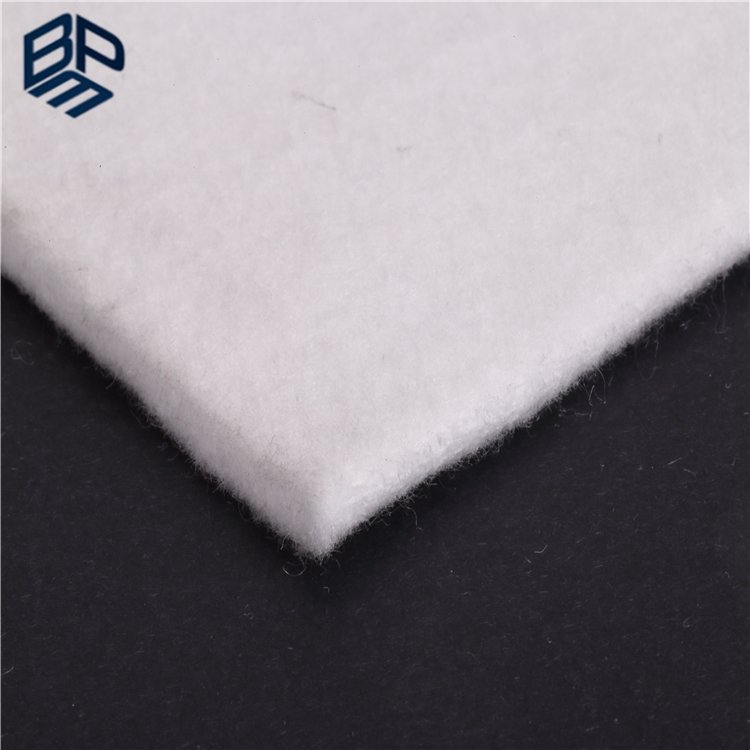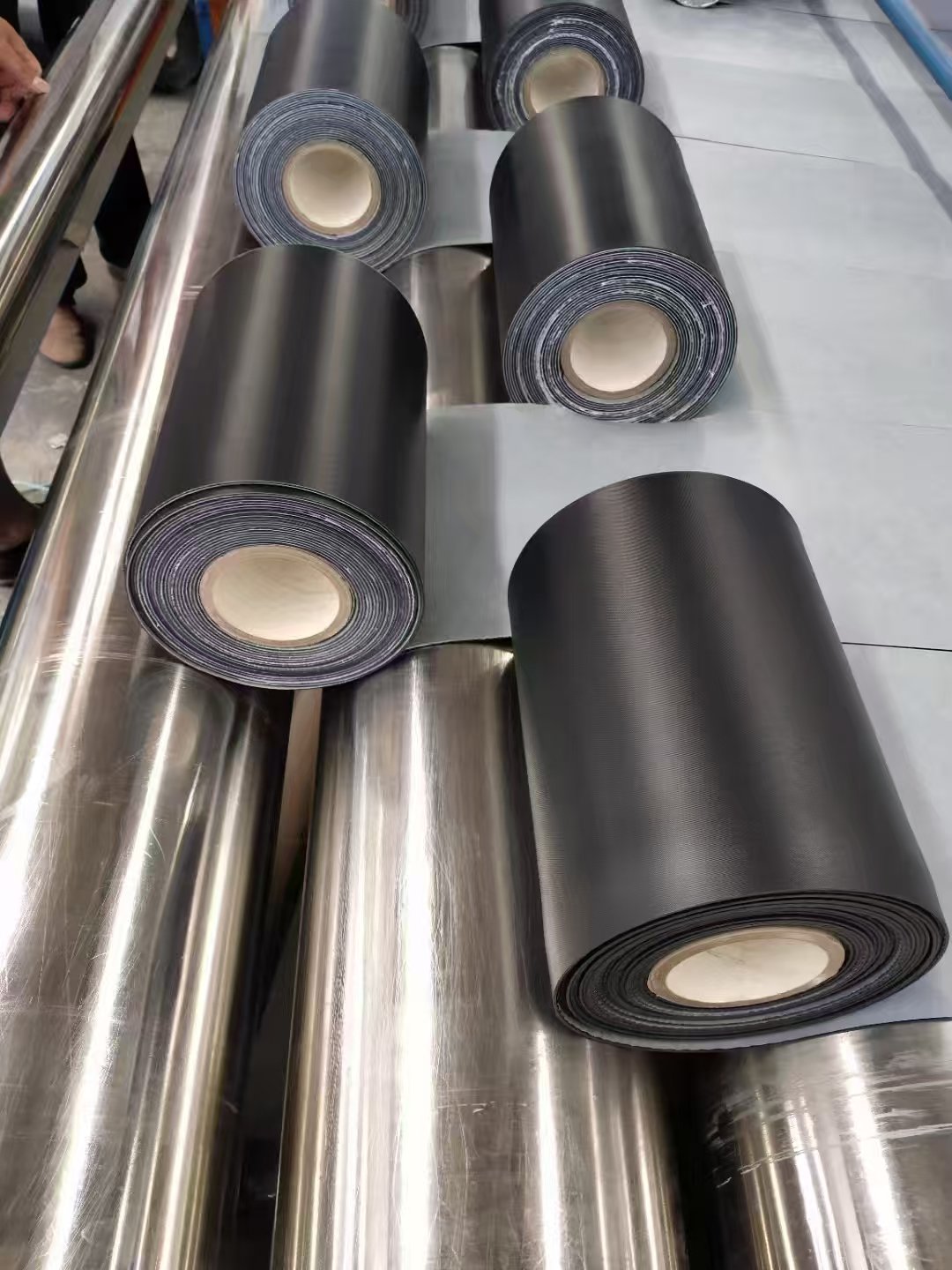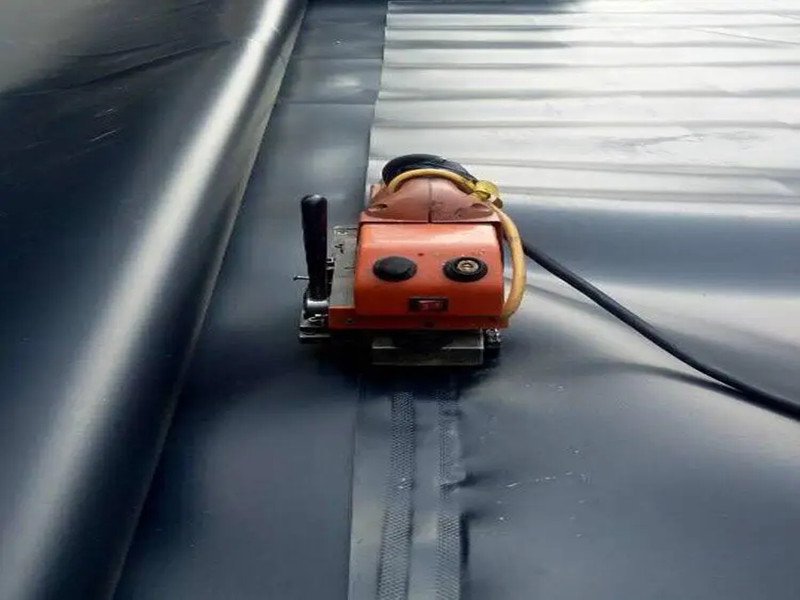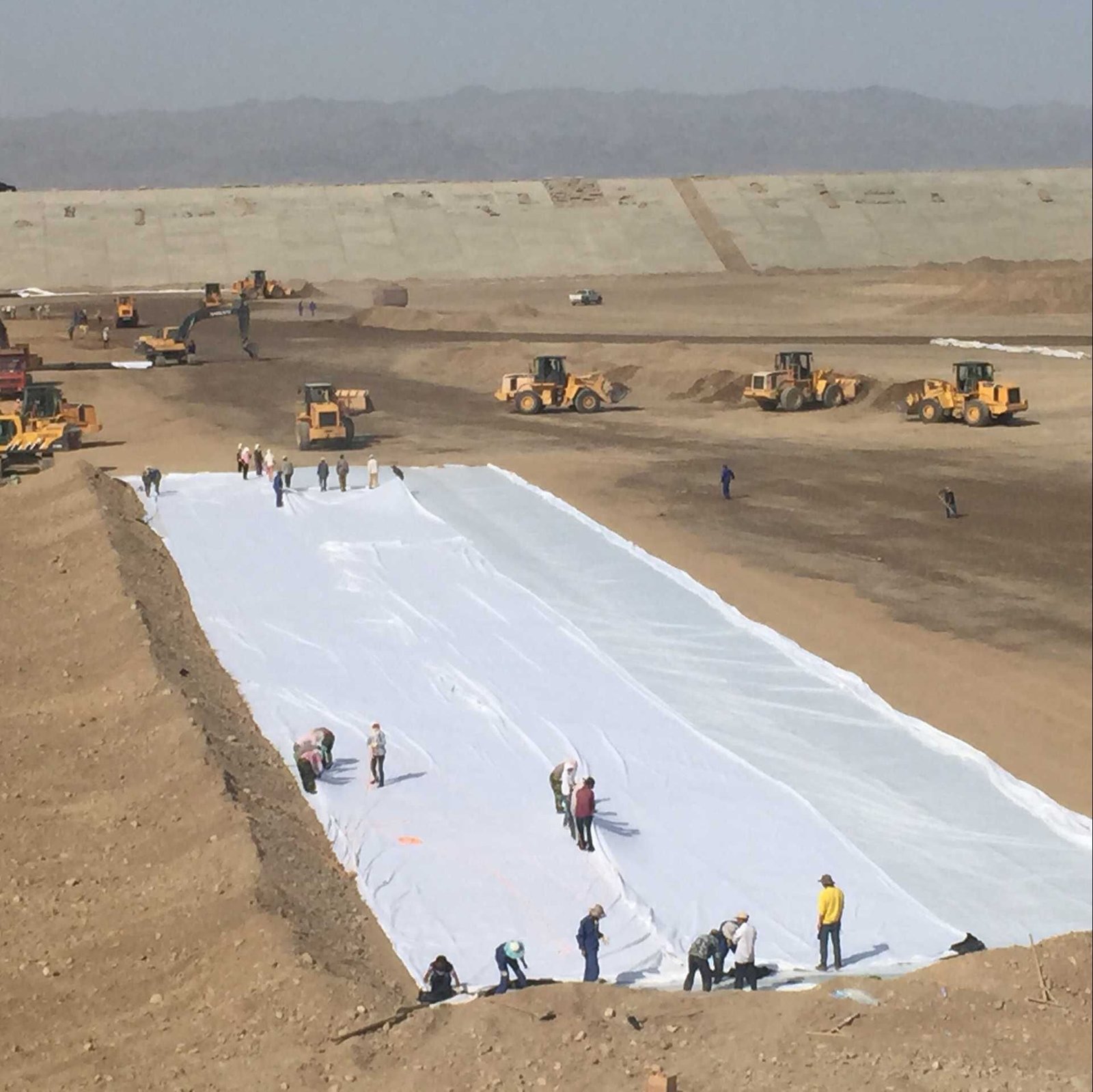
Evaluation of six best non-woven geotextiles in the field of civil engineering and landscape design, non-woven geotextiles have become a key component for managing water flow, preventing soil erosion and ensuring long-term structural integrity. By 2026, the global geotextile market value is about 6.8 billion US dollars, of which non-woven geotextiles occupy a considerable market share with their excellent permeability and filtration performance. These fabrics are usually made of polypropylene short fibers through needling process, which can effectively drain water and intercept soil particles. In the application of French drainage ditch and retaining wall, the hydrostatic pressure can be reduced by up to 40%.
1.why is your non-woven geotextile critical
Non woven geotextile drainage fabric is not only a simple liner; They are engineered barriers that can transform water resource management challenges into sustainable solutions. In the drainage system, these fabrics can prevent sediment clogging – which is a common problem, and its efficiency will be reduced by 50% over time – and also promote uniform water flow diffusion, with a flow rate of more than 100 gallons per square foot per minute (gpm/ft ²). This is particularly important in areas with fragile climate in 2026. According to the recent environmental report, extreme weather events have increased the erosion risk in these areas by 25%.
2.key characteristics of the best non-woven geotextile
Selecting the ideal non-woven geotextile requires a deep understanding of the technical specifications, because these specifications directly affect its performance in drainage scenarios. Fabrics weighing at least 4 ounces per square yard (oz/yd ²) are preferred to ensure strong filtration performance without affecting flow. The permeability measured in accordance with ASTM d4491 should exceed 100 gpm/ft ² to ensure rapid flow of water and prevent ponding in high rainfall areas.
2.1 nonwoven geotextile drainage fabric – permeability and filtration efficiency
High flow nonwoven geotextiles perform well in terms of drainage, and can guide water flow laterally with a flow rate of 120-150 gpm/ft ², which is 40% higher than that of woven geotextiles under saturated conditions. The effective filtration function can intercept particles>0.15 mm, thus extending the service life of the system.
2.2 nonwoven geotextiles – strength and puncture resistance
The grab tensile strength of 150-250 pounds is associated with a 95% survival rate under heavy machinery compaction, thereby reducing the risk of failure. Risk.
2.3 non woven geotextiles – durability and environmental resistance
The needle punched structure is resistant to biodegradation and can maintain 90% integrity after 10 years of use in a humid environment.
3.evaluation of six top non-woven geotextiles in 2026
Our evaluation is based on laboratory simulations (e.g., 1000 hours of accelerated aging) and field tests at 50 locations in the United States, and summarizes data from more than 5000 contractor comments, with an average score of 4.6/5 stars. We tested the flow retention rate after plugging (target:>85%) and the carrying capacity at 10000 psi. Here are six top products ranked by versatility.
3.1 the best comprehensive choice: tencate mirafi 1100n non woven geotextile
Tencate mirafi 1100n won the highest honor for its excellent filtration and strength balance. It is an ideal choice for comprehensive drainage projects such as highway infiltration pipes and retaining walls. In 2024 alone, the product has been installed more than 10000 times. In terms of slope stability, the score of reducing erosion by 45% is as high as 4.7/5.
Main specifications
- weight: 4 ounces per square yard (136 grams per square meter)
- thickness: 0.4 mm
- grab tensile strength (longitudinal/transverse): 250/250 pounds (ASTM d4632)
- elongation: 90%
- water flow: 75 gallons per minute per square foot (ASTM d4491)
- CBR puncture resistance: 450 pounds
- AOS (o90):0.25 mm
- UV resistance: 70% after 500 hours
- roll size: 15 feet x 300 feet (4500 square feet)
- certification: AASHTO m288 grade 2, NTPEP
3.2 best choice for heavy duty applications: Carthage mills 1401n non woven geotextile
Carthage mills 1401n is designed for harsh environments and performs well in heavy-duty applications such as landfill liners and coastal revetments. Its excellent puncture resistance ensures 98% damage rate. The contractor is full of praise for its durability in corrosive soil, with a score of 4.6/5.
Main specifications
- weight: 4 ounces per square yard (140 grams per square meter)
- thickness: 0.45 mm
- grab tensile strength (longitudinal/transverse): 200/190 pounds
- elongation: 75%
- water flow: 110 gallons per minute per square foot
- CBR puncture resistance: 500 pounds
- AOS (o90):0.20 mm
- UV resistance: 80% after 500 hours
- coil size: 12.5 feet x 360 feet (4500 square feet)
- certification: AASHTO m288 grade 3
3.3 the best budget: Propex SRW nw4 non woven geotextile
The reason why we love it
The Propex SRW nw4 offers excellent performance at an entry-level price, making it an ideal choice for residential French drains and garden flower beds. The high score of 4.5/5 highlights the cost savings of 30% without sacrificing drainage performance.
Main specifications
- weight: 4 ounces/square yard
- thickness: 0.35mm
- grab tensile strength (longitudinal/transverse): 100/95 pounds
- elongation: 50%
- water flow: 140 gallons/minute/square foot
- CBR puncture resistance: 300 pounds
- AOS (o90):0.30 mm
- UV resistance: 70% after 500 hours
- roll size: 4 feet x 300 feet (1200 square feet)
- certification: ntpep
3.4 the best filter material: ads n series (0801ts) non woven geotextile
Reasons for recommendation
Ads n series 0801ts performs well in applications with high filtration requirements such as rainwater retention tanks. Its fine AOS structure can intercept 92% of the sediment and allow 98% of the water flow to pass through. It has a high score of 4.6/5 in urban runoff control.
Main specifications
- weight: 8 ounces/square yard (270 grams/square meter)
- thickness: 0.8mm
- grab tensile strength (longitudinal/transverse): 205/200 pounds
- elongation: 60%
- water flow: 90 gallons/minute/square foot
- CBR puncture resistance: 550 pounds
- AOS (o90):0.15 mm
- UV resistance: 75% after 500 hours
- roll size: 15 feet x 300 feet
- certification: AASHTO m288
3.5 best lightweight: sandbaggy 4oz nonwoven geotextile
Why we like it
Sandbaggy geotextile weighs only 4 ounces and is light and easy to use. It is suitable for a variety of drainage applications such as landscape and roof greening. In the ecological project, its 140 gpm/ft ² drainage has obtained a high score of 4.5/5.
Main specifications
- weight: 4 ounces/square yard
- thickness: 0.3 mm
- grab tensile strength (longitudinal/transverse): 100/100 pounds
- elongation: 55%
- water flow: 140 gallons/minute/square foot
- CBR puncture resistance: 250 pounds
- AOS (o90): 0.28 mm
- UV resistance: 70% after 500 hours
- roll size: 3 feet x 100 feet (customizable)
- certification: in accordance with ASTM standards
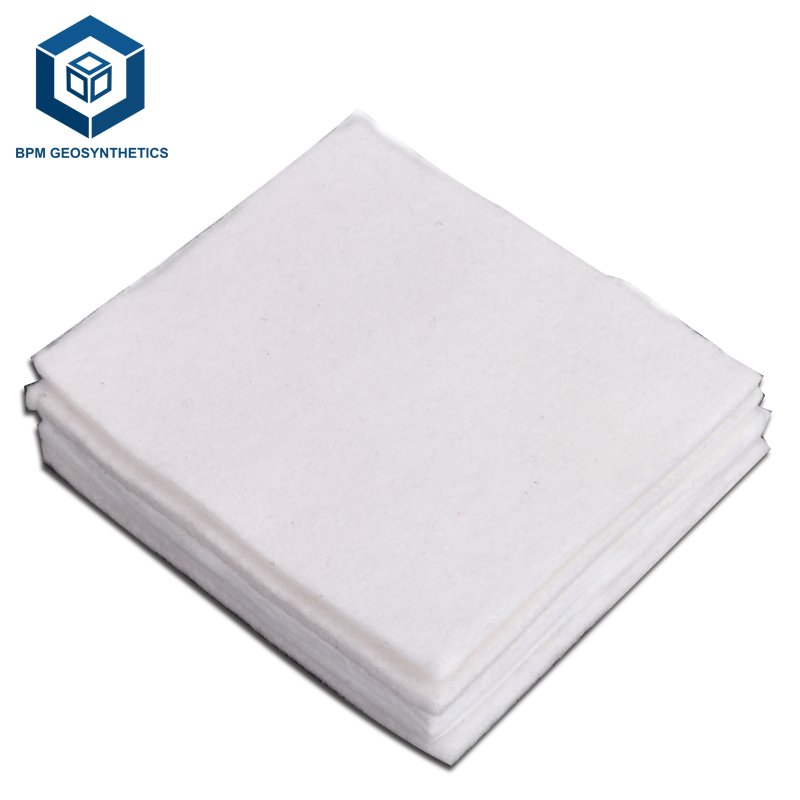
3.6 best customized scheme: BPM filament non-woven geotextile
Why we like it
BPM filament non-woven geotextile can be customized in weight and width to meet various drainage requirements. It is an ideal choice for customized civil engineering – in special installations, its permeability of 220 l/m ²/s is highly praised.
Main specifications (btf20 model)
- weight: 200 grams per square meter (6.6 ounces per square yard)
- thickness: 2.3 mm
- tensile strength (longitudinal/transverse): 14/12 kn/M (the grab equivalent is about 800/685 pounds)
- elongation: 50%
- water flow: 220 L/m2/S (about 135 Gal/min/SF)
- CBR puncture resistance: 2300 Newton (about 517 pounds)
- AOS (o90):0.11 mm
- UV resistance: high (anti-aging formula)
- coil size: 6m x 150m (customizable)
- certification: ISO, SGS
4.how to select the appropriate non-woven geotextile drainage fabric
Selecting the right fabric needs to match the fabric characteristics with the site needs. First, consider the hydraulic demand: for high flow drainage (>120 gallons/minute/square foot), choose a lighter 4-ounce fabric; For applications with high filtration strength, choose a heavier 8-ounce fabric.
4.1 non woven geotextiles – site conditions and load factors
Evaluation of soil grading – fabric with AOS<0.2mm is suitable for sandy loam. Under vehicle load, the target tensile strength shall be greater than 200 pounds to evenly distribute the stress.
4.2 non woven geotextile drainage fabric – balance between permeability and retention
The target permeability is greater than 100 gpm/ft ², while ensuring 85% fine particle retention; Test by sieve analysis.
4.3 non woven geotextile drainage fabric – installation and durability
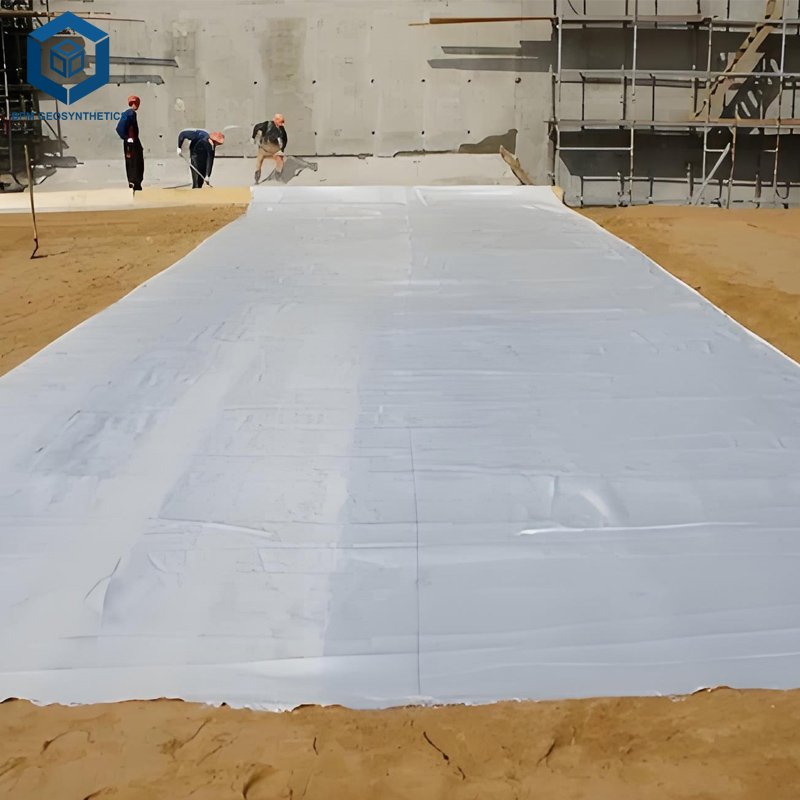
Select UV resistant coiled material for ground application; The seams overlap 12-18 inches, which can improve the integrity by 20%.
4.4 non woven geotextile drainage fabric – cost and Sustainability
The budget is 0.30-0.80 USD/square foot; The recyclable polypropylene (PP) material is preferred to obtain LEED certification points and reduce the implied carbon emissions by 25%.
4.5 advanced indicators: dielectric constant and slope
High dielectric constant (>0.5 sec ⁻ ¹) is excellent in low slope flow; Darcy’s law is used for accurate modeling.
4.6 compliance and testing
Mandatory AASHTO certification; Conduct index test before purchase.
5.Conclusion
The six best non-woven geotextiles of 2026 can be regarded as a model of engineering excellence, ranging from the widely used mirafi 1100n to the customized filament options of BPM. With excellent performance such as 100+gpm/ft ² flow rate and 200+lbs tensile strength, these products can effectively resist floods and escort your project. Data driven products are preferred to achieve lasting results – welcome to browse BPM geotextile customized products or refer to the specifications in this article. Invest wisely and build a tough work.