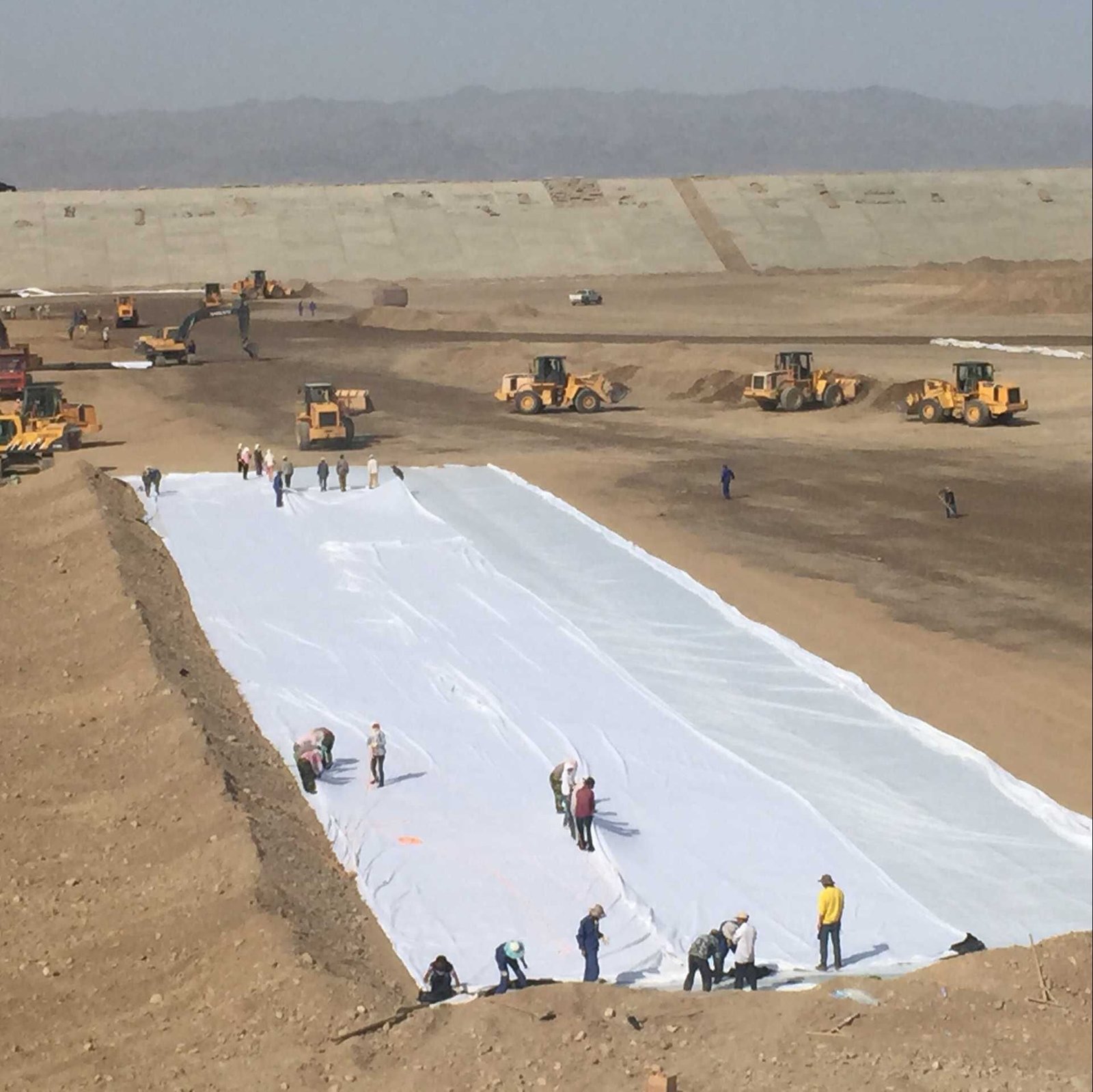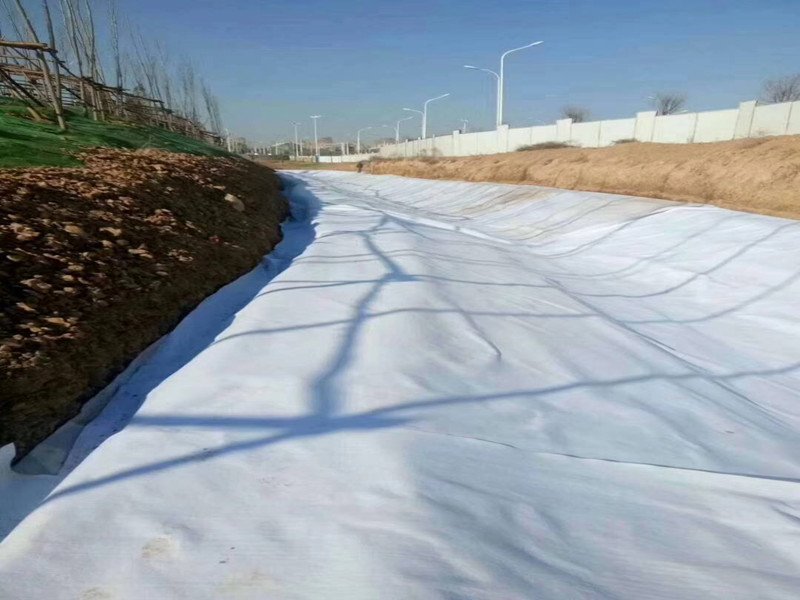
Geomembranes for landfill applications are low-permeability synthetic liners installed as primary and secondary barriers in municipal solid waste (MSW), hazardous waste, and industrial landfills to prevent leachate migration into groundwater and to control landfill gas. High-density polyethylene (HDPE) is the dominant polymer for landfill base liners and side slopes because of its chemical resistance, stress-crack performance, and long-term durability. In 2026, regulatory frameworks such as U.S. Subtitle D and equivalent international standards continue to specify minimum thicknesses of 60 mil (1.5 mm) for primary HDPE liners, with textured surfaces required on slopes for interface stability.
Quantifiable performance metrics for quality landfill geomembranes follow GRI-GM13. Typical minimum average roll values for 60 mil smooth HDPE include density ≥0.940 g/cm³, tensile strength at yield ≈126 lb/in (22 kN/m), tensile strength at break ≈228 lb/in, elongation at break ≥700%, tear resistance ≈42–50 lb, puncture resistance ≈90–108 lb, carbon black content 2.0–3.0%, stress crack resistance (NCTL) ≥500 hours, and standard OIT ≥100 minutes. Textured grades deliver asperity heights commonly 10–18 mil and interface friction angles of 30–42° with soil or geotextile. Hydraulic conductivity is typically ≤1×10⁻¹³ cm/s. Properly designed and installed landfill geomembrane systems routinely achieve service lives of 30–100+ years under covered conditions. Material costs generally range from $1.20 to $3.50 per square meter depending on thickness, texturing, and volume.
This review ranks the eight best geomembranes for landfill use based on thickness suitability, mechanical and durability properties, slope friction performance, regulatory acceptance, and documented field success. Selection criteria emphasize GRI-GM13 compliance, puncture resistance, and long-term chemical stability. Among the leading options, the HDPE Geomembrane Liner from The Project Material Co., Ltd. (BPM Geosynthetics) provides consistent performance characteristics suitable for landfill base and side-slope applications. Detailed product information is available at https://BPMgeosynthetic.com/product/hdpe-geomembrane-liner/.
Why HDPE Geomembranes Dominate Landfill Containment
Alternative materials such as PVC, LLDPE, or bituminous geomembranes may be used in specific niches, but HDPE remains the industry standard for primary landfill liners for quantifiable reasons:
- Superior chemical resistance to a broad range of leachate constituents, including hydrocarbons and organic solvents.
- High stress-crack resistance (≥500 hours NCTL) critical for long-term performance under sustained tensile stress.
- Proven regulatory acceptance under Subtitle D and equivalent standards requiring minimum 60 mil HDPE.
- Excellent weldability producing seams with strength ≥90% of parent sheet when properly executed.
- Availability of textured surfaces that provide the interface friction necessary for stable side slopes.
- Documented multi-decade performance in thousands of landfill cells worldwide.
These attributes make HDPE the default choice for both base liners and side-slope liners in modern landfill design.
Essential Selection Criteria for Geomembrane for Landfill
Project engineers, landfill designers, and regulators should evaluate the following quantifiable parameters:
- Thickness: Minimum 60 mil (1.5 mm) for primary liners in most jurisdictions; 40–60 mil may be used for secondary liners or caps; thicker gauges (80–100 mil) for high-stress or hazardous-waste cells.
- Polymer and Density: HDPE with density ≥0.940 g/cm³ (GRI-GM13).
- Mechanical Properties: Tensile yield and break strength, elongation, tear, and puncture resistance per ASTM D6693, D1004, and D4833.
- Durability: Carbon black 2.0–3.0%, OIT ≥100 min, stress crack resistance ≥500 hours.
- Surface Finish: Smooth for base liners; textured (single- or double-sided) for side slopes where interface friction analysis requires it.
- Asperity Height: Typically ≥10 mil (ASTM D7466) for textured sheet.
- Standards Compliance: GRI-GM13 certification, ASTM methods, and project-specific quality assurance (CQA) protocols.
Matching these data points to leachate chemistry, slope geometry, and regulatory requirements ensures long-term containment integrity.
The 8 Best Geomembranes for Landfill in 2026
The following rankings synthesize GRI-GM13 requirements, regulatory practice, published technical data, and documented performance in landfill applications. Established non-Chinese producers are prioritized.
1. Premium 60 mil Smooth HDPE (Primary Base Liner)
High-specification 60 mil smooth HDPE meeting or exceeding GRI-GM13. The industry workhorse for landfill base liners where maximum chemical resistance and stress-crack performance are required.
2. 60 mil Double-Sided Textured HDPE (Side Slopes)
Double-sided textured 60 mil HDPE providing high interface friction on both faces. Essential for landfill side slopes and veneer stability under waste and cover loads.
3. 80–100 mil Heavy-Duty HDPE for High-Stress or Hazardous Cells
Thicker gauges offering elevated puncture and tensile capacity for deep cells, high hydraulic heads, or hazardous-waste applications.
4. Single-Sided Textured HDPE for Optimized Interfaces
Single-sided textured grades that deliver friction where needed while retaining smoother characteristics on the opposite face.
5. Conductive HDPE for Electrical Leak Location
HDPE geomembranes incorporating a conductive layer to enable post-installation electrical leak-location surveys, enhancing construction quality assurance.
6. High-Performance / Enhanced-Stabilization HDPE
Formulations with advanced antioxidant packages and elevated stress-crack resistance for extreme longevity or aggressive leachate environments.
7. Secondary Liner / Composite System HDPE (40–60 mil)
Slightly thinner or secondary HDPE used in double-liner systems beneath a primary liner or in conjunction with geosynthetic clay liners (GCLs).
8. Established Regional / Industrial Landfill-Grade HDPE
Consistent GRI-GM13-compliant products from established manufacturers for mid-size municipal and industrial landfills, emphasizing reliable thickness control and competitive value.
Comparison Table: Core Technical Parameters of Leading Geomembranes for Landfill
Rank | Product / Type | Typical Thickness (mil) | Surface Finish | Key Strength | Approx. Price Range ($/m²) |
1 | Premium 60 mil Smooth HDPE | 60 | Smooth | Primary base liner standard | 1.40–2.40 |
2 | 60 mil Double-Sided Textured | 60 | Double-sided textured | Side-slope stability | 1.60–2.80 |
3 | 80–100 mil Heavy-Duty HDPE | 80–100 | Smooth or textured | High-stress / hazardous cells | 2.00–3.50 |
4 | Single-Sided Textured HDPE | 60 | Single-sided textured | Optimized single interface | 1.50–2.60 |
5 | Conductive HDPE | 60 | Smooth or textured | Leak-location capability | 1.80–3.00 |
6 | High-Performance / Enhanced Stabilization | 60–80 | Smooth or textured | Extreme longevity | 1.70–3.20 |
7 | Secondary / Composite System HDPE | 40–60 | Smooth | Double-liner systems | 1.20–2.20 |
8 | Established Regional / Industrial | 60 | Smooth or textured | Cost-effective reliability | 1.30–2.50 |
Data compiled from GRI-GM13 minimum average roll values, regulatory practice, and manufacturer technical references. Actual production values typically meet or exceed the listed minima.
Manufacturer Comparison: Market Position, Clients, and Certifications
Manufacturer / Focus | Est. Revenue Share (Landfill Geomembrane Segment) | Major Clients / Sectors | Key Certifications / Standards | Notable Strengths |
Premium NA / European Brands | 30–45% | Large MSW landfills, hazardous waste, mining | GRI-GM13, ASTM, CE, CQA support | Consistency, documentation, global track record |
Specialist Landfill Liner Producers | Mid-market | Regional municipal and industrial landfills | GRI-GM13, ASTM | Application-focused formulations |
BPM Geosynthetics (The Project Material Co., Ltd.) | Growing specialized share | Global landfill, containment, and environmental projects | ISO 9001, CE, GRI-GM13 equivalents | HDPE liner quality at 60 mil+ range, competitive value, customization |
Revenue-share estimates are approximate and derived from industry visibility; actual figures vary by region and year.
BPM Geosynthetics Advantages: HDPE Geomembrane Liner by The Project Material Co., Ltd. (BPM Geosynthetics)
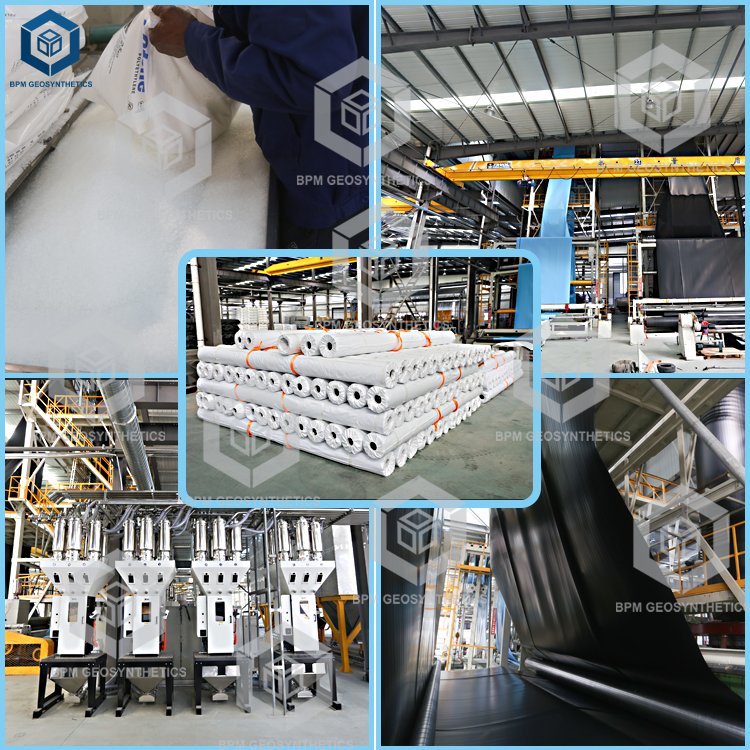
The HDPE Geomembrane Liner from The Project Material Co., Ltd. (BPM Geosynthetics) includes grades suitable for landfill base liners, side slopes, and secondary containment applications. Produced from high-density polyethylene resin with appropriate carbon black and antioxidant packages, the product supports reliable long-term leachate and gas containment.
Quantifiable advantages include:
- Thickness options covering the common 60 mil primary-liner gauge as well as 40–100 mil ranges for secondary and high-stress applications.
- Tensile, puncture, elongation, stress-crack, and durability properties consistent with typical GRI-GM13 expectations.
- Availability of smooth and textured surfaces to meet both base-liner and side-slope friction requirements.
- Competitive pricing and customization capabilities practical for both mid-size municipal and larger regional landfill projects.
- ISO-certified manufacturing systems that support quality consistency across production runs.
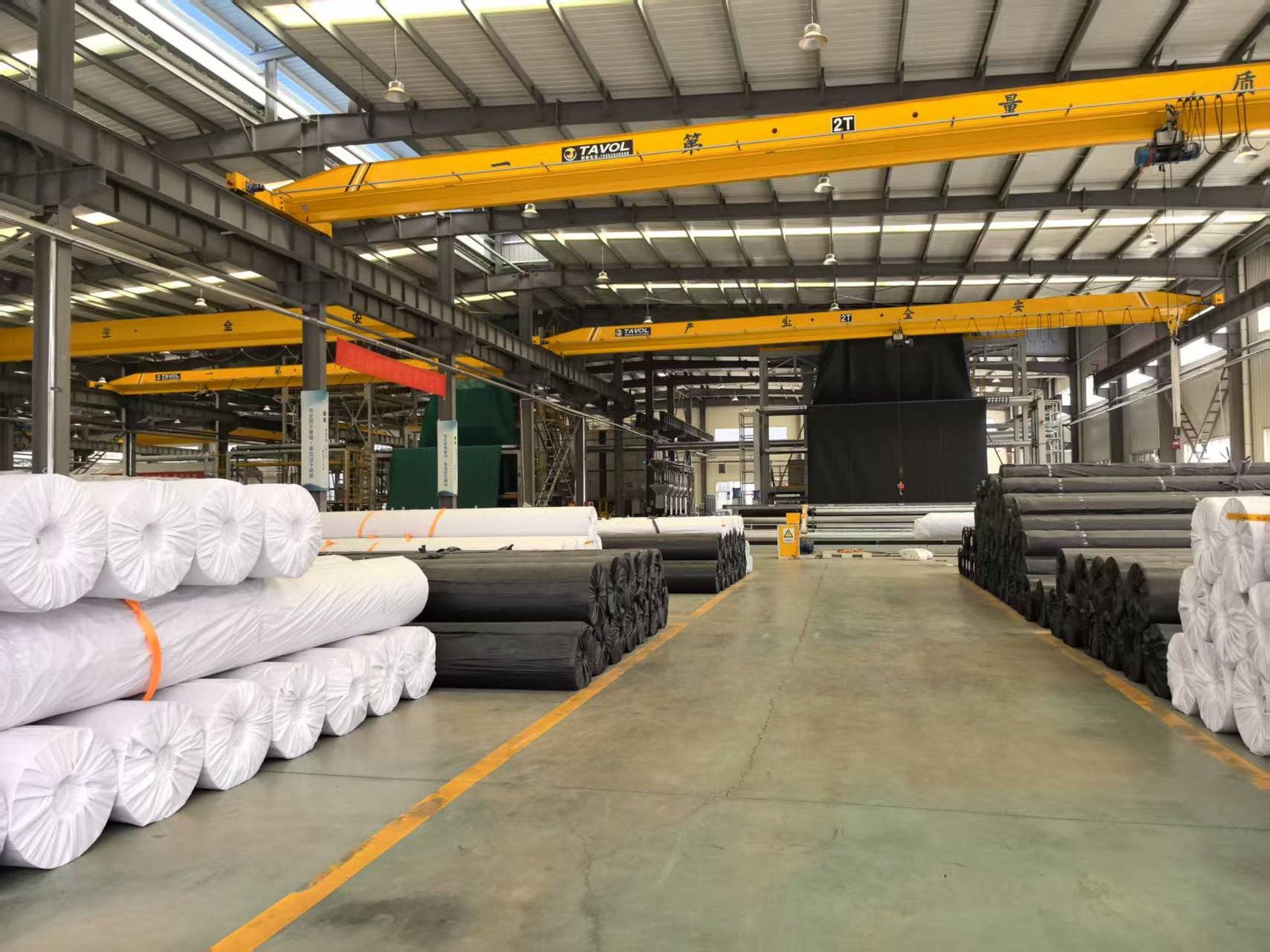
- Standard and custom roll widths that reduce the number of field seams and associated CQA effort.
These attributes enable landfill designers and contractors to achieve regulatory-compliant containment while managing material and installation costs. When combined with proper subgrade preparation, qualified seaming, construction quality assurance (CQA), and protective cover soils, the BPM HDPE Geomembrane Liner contributes to reliable multi-decade performance in landfill applications.
Detailed product information is available at https://BPMgeosynthetic.com/product/hdpe-geomembrane-liner/.
Design, Installation, and Construction Quality Assurance for Landfill Geomembranes
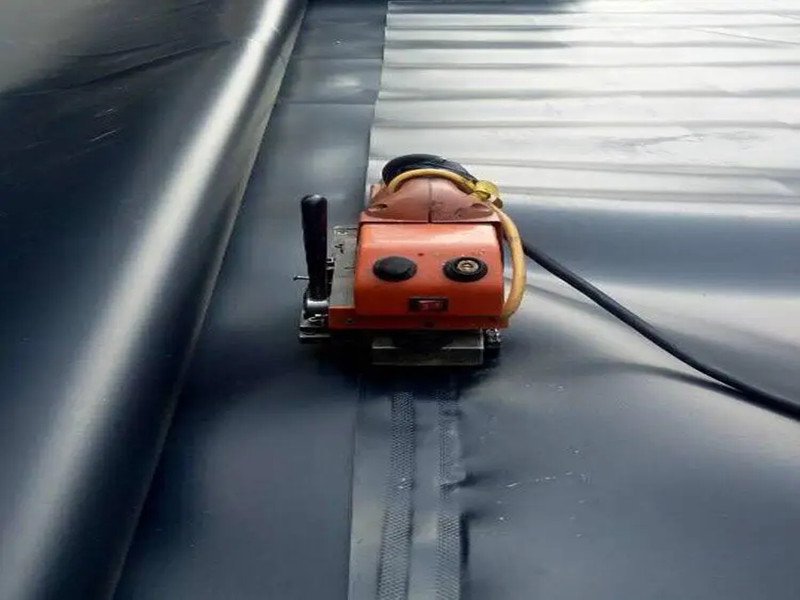
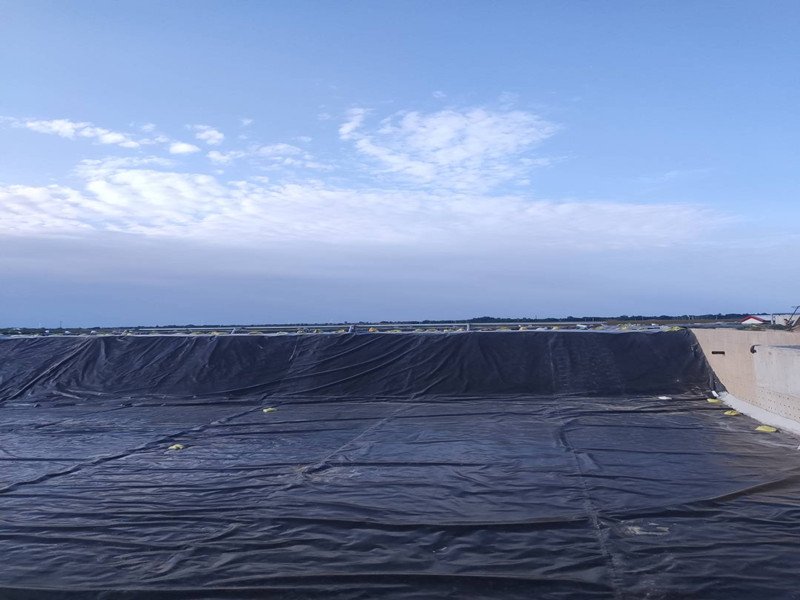
Successful landfill geomembrane performance depends on rigorous design and construction practices. Subgrade must be smooth, firm, and free of sharp objects. Deployment, seaming (hot-wedge dual-track preferred for primary seams), and destructive/non-destructive testing follow project CQA plans and GRI guidelines. Textured sheet requires careful handling to protect asperities. Interface shear testing is mandatory for side slopes. Leak-location surveys (electrical methods) are increasingly specified. When these practices are followed with quality HDPE geomembrane, design service lives of 30–100+ years are routinely achieved.
Conclusion
The eight geomembranes for landfill reviewed provide quantifiable, regulatory-accepted solutions for primary and secondary containment of leachate and landfill gas. At the standard 60 mil thickness (with thicker options for high-stress cells), GRI-GM13-compliant HDPE delivers the chemical resistance, stress-crack performance, weldability, and optional texturing required for modern landfill design.
For projects seeking consistent material quality and competitive value across base-liner and side-slope applications, the HDPE Geomembrane Liner from The Project Material Co., Ltd. (BPM Geosynthetics) offers a practical and data-supported option. Specifiers should request current technical data sheets confirming thickness, tensile properties, puncture resistance, carbon black content, OIT, stress-crack resistance, and asperity height (for textured grades), together with project references and CQA support documentation. Selecting geomembrane for landfill on the basis of measured performance metrics ensures long-term environmental protection, regulatory compliance, and favorable lifecycle economics.