1. Basic Definition of HDPE Membrane Sheet
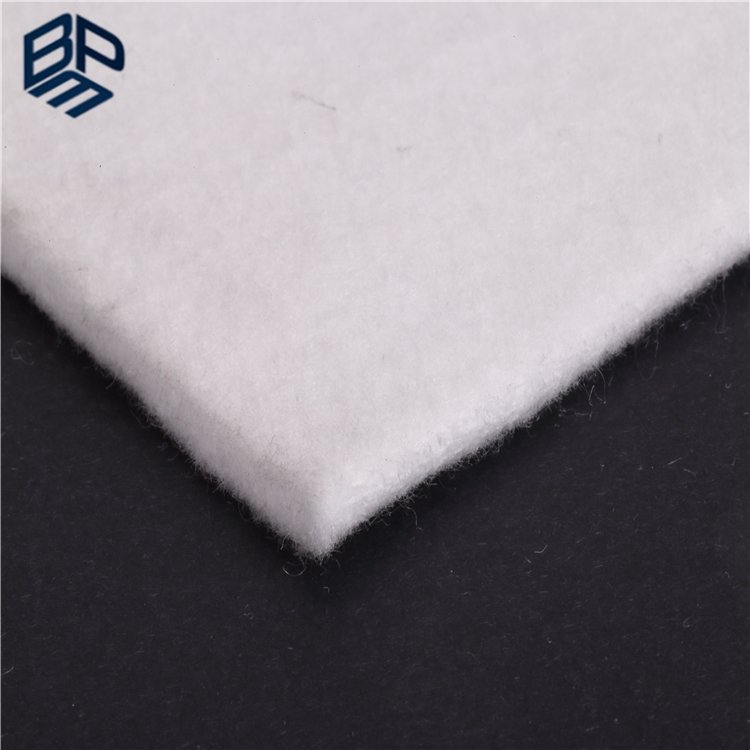
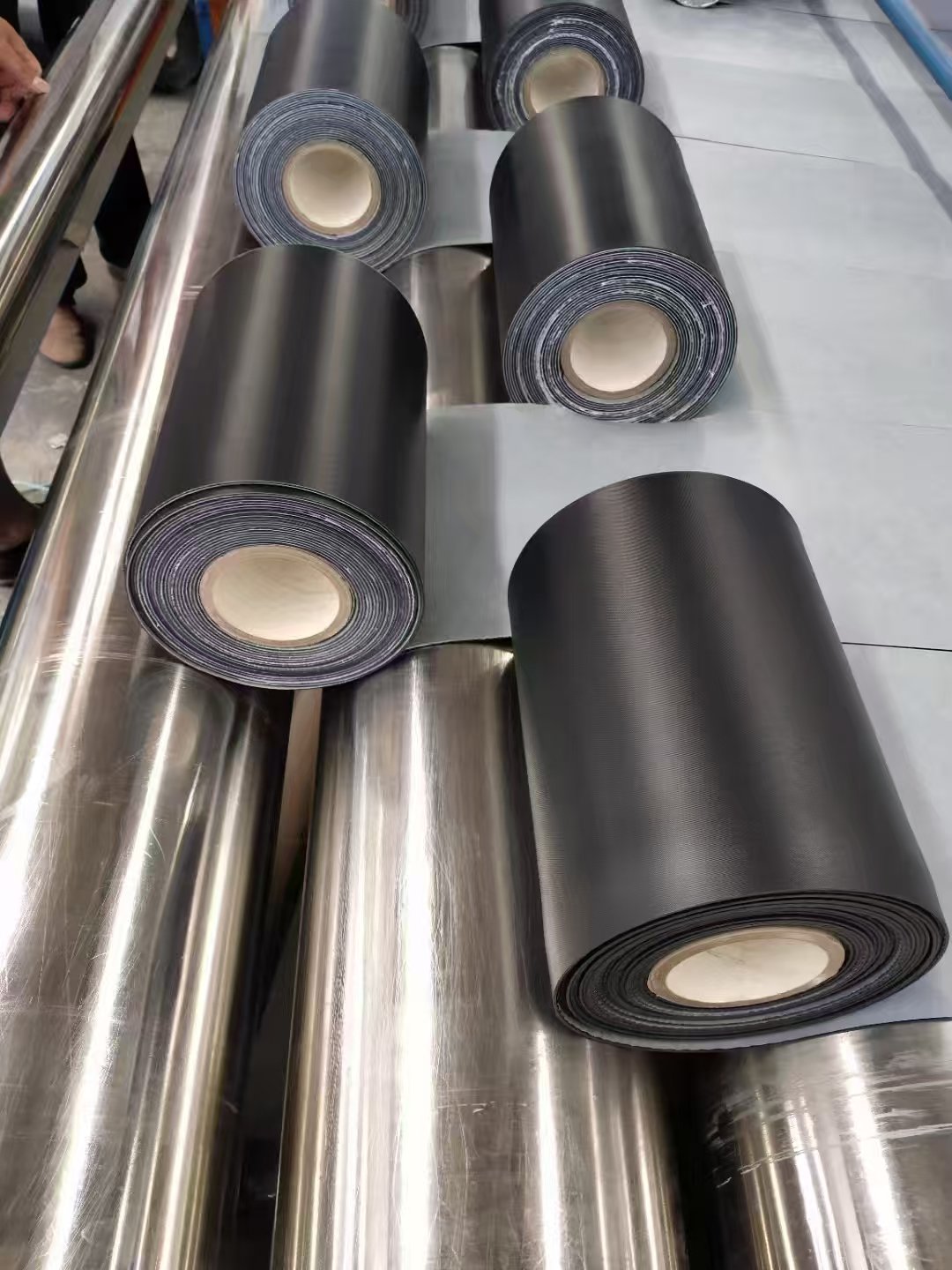
HDPE membrane sheet, short for High-Density Polyethylene membrane sheet, is a high-performance thermoplastic geosynthetic material widely known as HDPE geomembrane or HDPE liner sheet. It is primarily manufactured from pure virgin high-density polyethylene resin with a density ranging from 0.940 to 0.965 g/cm³, supplemented with 2% to 3% carbon black and a small amount of anti-aging additives. Produced through advanced flat extrusion or co-extrusion blow molding technology, the sheet features a uniform molecular structure, high crystallinity, and non-polar chemical properties, forming a flexible, ultra-low permeability barrier material.
Different from traditional waterproof materials such as clay liners, concrete layers and ordinary plastic films, HDPE membrane sheet boasts stable physical and chemical properties. Its permeability coefficient is as low as ≤10⁻¹¹ cm/s, enabling excellent anti-seepage and isolation effects. As a core environmental protection and engineering material, it solves the problems of liquid leakage, pollutant diffusion and structural corrosion in various infrastructure projects, and can maintain long-term stability in complex and harsh outdoor environments for decades.
2. Core Performance Characteristics
The widespread application of HDPE membrane sheet is attributed to its superior comprehensive performance, which meets the stringent requirements of modern engineering and environmental protection projects:
- Excellent Anti-seepage Performance: With ultra-low water and gas permeability, it can effectively block the penetration of groundwater, sewage, chemical liquid and harmful gases, achieving reliable isolation and anti-leakage effects.
- Strong Chemical Resistance: It is inert to most acids, alkalis, salts and organic solvents, resisting corrosion from industrial wastewater, mine tailings liquid and landfill leachate, and is not easy to deteriorate or dissolve.
- Superior Mechanical Properties: The sheet features high tensile strength, tear resistance and puncture resistance. It can adapt to foundation settlement, terrain deformation and external mechanical extrusion without cracking or damage.
- Long Service Life & UV Resistance: The added carbon black and anti-aging additives effectively resist ultraviolet radiation and oxidative aging, ensuring a service life of more than 50 years in buried environments and 20–30 years in exposed outdoor environments.
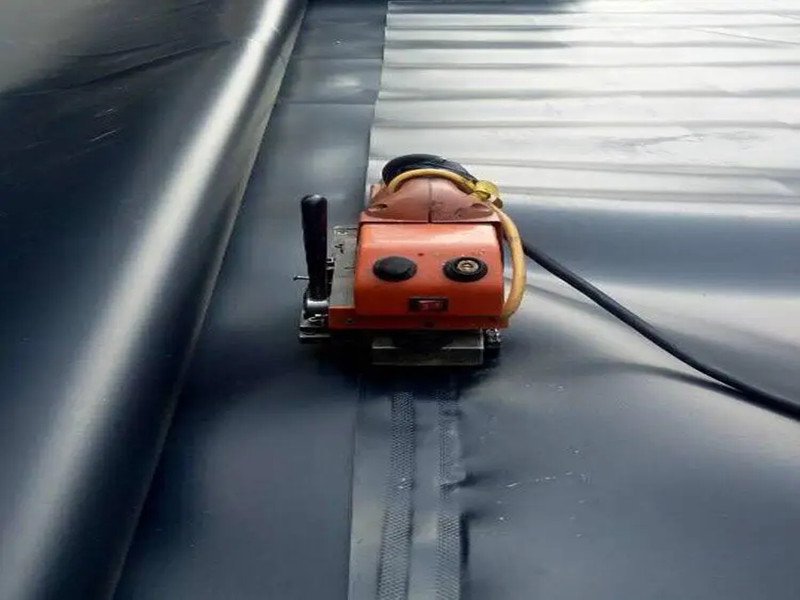
- Easy Construction & Low Cost: It is lightweight, flexible and easy to cut and tailor on site. The sheets can be tightly welded into an integral waterproof and anti-seepage structure with simple operation, short construction period and lower comprehensive engineering cost compared with traditional materials.
- Environmental Friendly: Made of non-toxic pure resin raw materials, it does not release harmful substances, will not pollute soil and water sources, and meets global environmental protection engineering standards.
3. Main Applications of HDPE Membrane Sheet
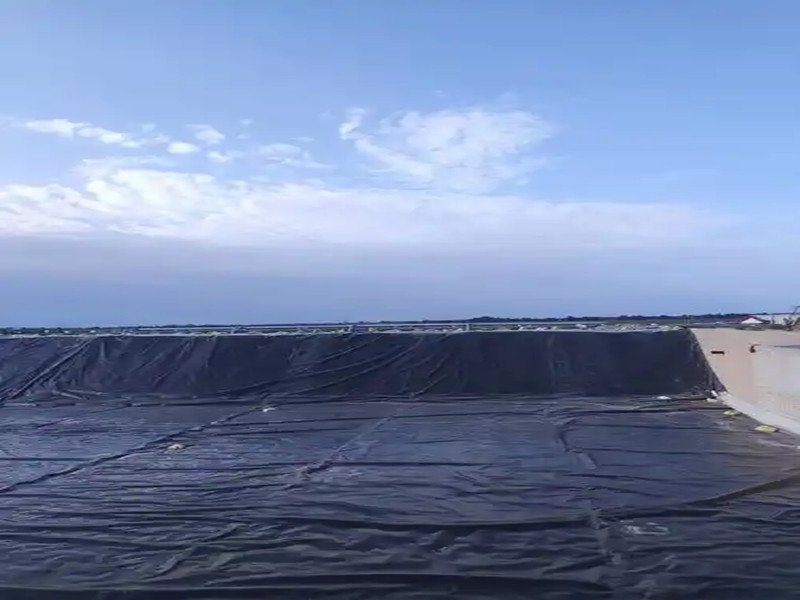
Thanks to its comprehensive superior performance, HDPE membrane sheet is widely applied in environmental protection, water conservancy, municipal engineering, industrial production, aquaculture, transportation and other fields. It serves as a professional anti-seepage, isolation, anti-corrosion and waterproof material in various projects, with detailed application scenarios elaborated below:
3.1 Solid Waste Landfill & Hazardous Waste Disposal
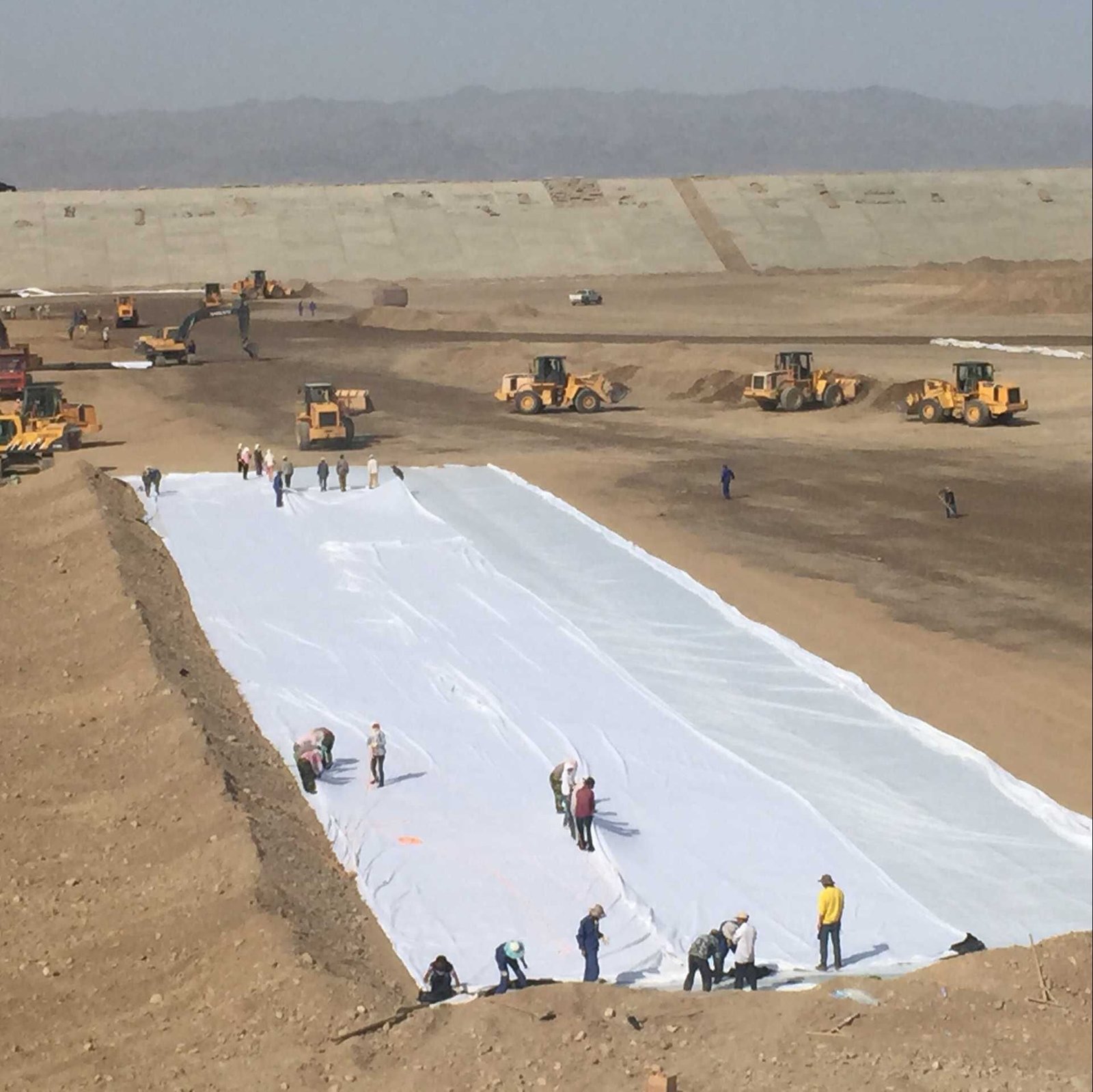
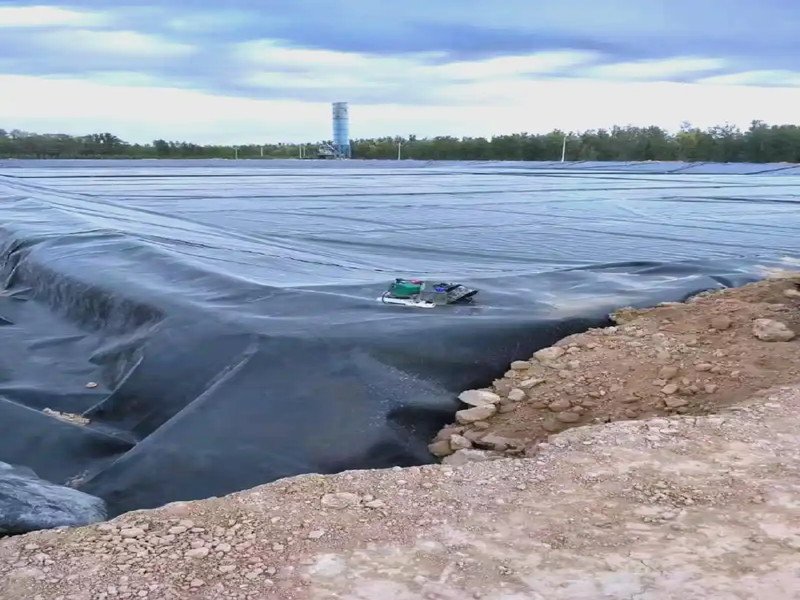
This is one of the core and most mature application scenarios of HDPE membrane sheets. Domestic waste landfills, industrial waste stacking sites and hazardous waste disposal facilities will continuously produce toxic, harmful and corrosive leachate during operation. Without effective isolation measures, the leachate will permeate into soil and underground water, causing irreversible ecological pollution. HDPE membrane sheets are laid on the bottom and slopes of waste disposal sites to form a fully closed anti-seepage isolation system, which effectively blocks the diffusion of landfill leachate, prevents the cross-contamination of waste pollutants with soil and water resources, and realizes the safe and environmentally friendly disposal of solid waste.
3.2 Sewage Treatment & Industrial Anti-corrosion
Industrial production and municipal sewage treatment scenarios involve a variety of corrosive media, including acidic, alkaline and salty wastewater, as well as various chemical solvents. HDPE membrane sheets with excellent chemical corrosion resistance are widely used for anti-seepage and anti-corrosion lining of sewage regulating tanks, anaerobic treatment tanks, sedimentation tanks and chemical liquid storage tanks in sewage treatment plants, chemical factories, pharmaceutical factories and printing and dyeing enterprises. It can effectively protect the concrete and structural layers of tank bodies, avoid wastewater leakage and ground environmental pollution, and reduce equipment and structural corrosion damage caused by long-term contact with corrosive liquids.
3.3 Water Conservancy & Landscape Water Projects
In water conservancy construction and urban landscape water projects, HDPE membrane sheets are mainly used for anti-seepage and slope protection treatment. They are applicable to reservoirs, river regulation projects, artificial lakes, landscape ponds and other water storage facilities. The material can effectively solve the problems of water seepage and unstable water level of water bodies, prevent water flow scouring and soil erosion on riverbanks and reservoir slopes, and maintain stable water storage capacity. Compared with traditional clay anti-seepage layers, HDPE membrane sheets have better anti-seepage effect, smaller floor area and stronger adaptability to terrain deformation, which can effectively save water resources and ensure the stable operation of water conservancy and landscape water systems.
3.4 Modern Aquaculture Industry
HDPE membrane sheets have become a special supporting material for modern standardized aquaculture, replacing traditional earthen pond breeding modes. They are widely used in various fish ponds, shrimp ponds and aquaculture tail water treatment ponds. The membrane can completely isolate the pond water from the external soil layer, effectively avoid water seepage and muddy water quality problems, reduce the growth of harmful bacteria in the pond, and lower the incidence of aquatic product diseases. In addition, the smooth and flat surface of the HDPE membrane is convenient for daily pond cleaning, disinfection and sewage discharge, which helps to improve breeding water quality, optimize breeding environment and increase aquaculture output benefits.
3.5 Mining & Tailings Pond Projects
Mine tailings ponds, ore washing wastewater pools and heap leaching yards contain a large number of heavy metal ions, toxic impurities and corrosive mine wastewater. HDPE membrane sheets are used for overall anti-seepage lining of mine tailings treatment facilities. They can effectively isolate harmful substances in mine wastewater and tailings, prevent heavy metals and toxic liquids from penetrating into soil and underground water, avoid ecological damage and water and soil pollution in mining areas, and realize safe storage and standardized treatment of mine waste liquid and tailings.
3.6 Transportation & Underground Engineering
In highway, railway, subway, underground garage and other transportation and underground engineering projects, HDPE membrane sheets are applied to the waterproof and anti-seepage treatment of tunnel walls, foundation layers and underground structural surfaces. It can bear certain groundwater pressure, effectively block the infiltration of underground water, prevent structural dampness, water seepage and corrosion damage, protect the stability of underground engineering structures, and extend the overall service life of transportation and underground infrastructure.
4. Conclusion
HDPE membrane sheet has become an indispensable key material in modern environmental protection, civil engineering and industrial construction by virtue of its ultra-high anti-seepage performance, excellent chemical stability, strong mechanical adaptability and long service life. It not only solves the technical problems of anti-leakage, anti-corrosion and isolation in various projects, but also effectively protects soil and groundwater resources, reduces engineering operation and maintenance costs, and conforms to the concept of green and sustainable development. With the continuous upgrading of engineering environmental protection standards, HDPE membrane sheets will be more widely used in various fields and play an increasingly important role in ecological environment governance and infrastructure construction.