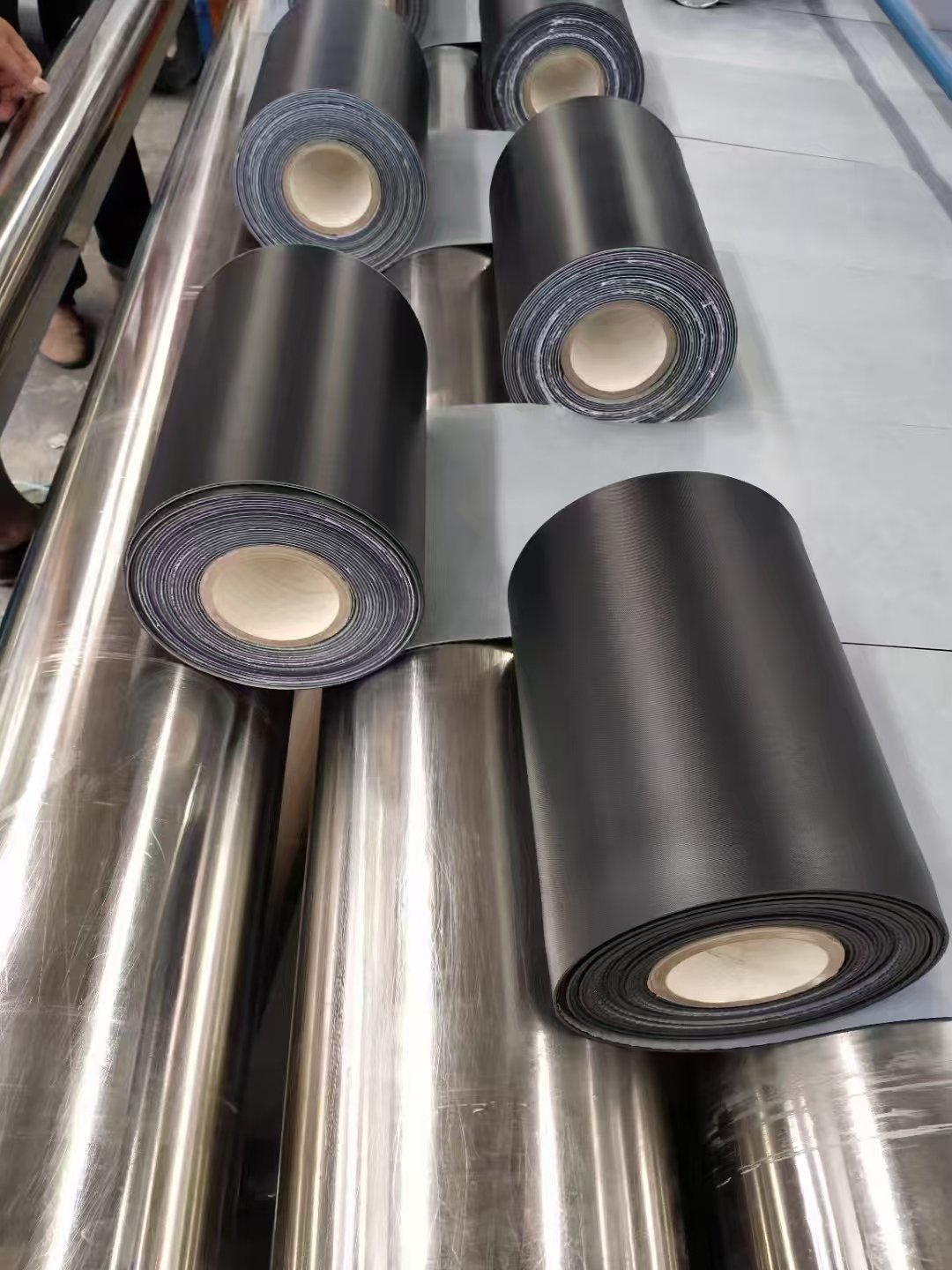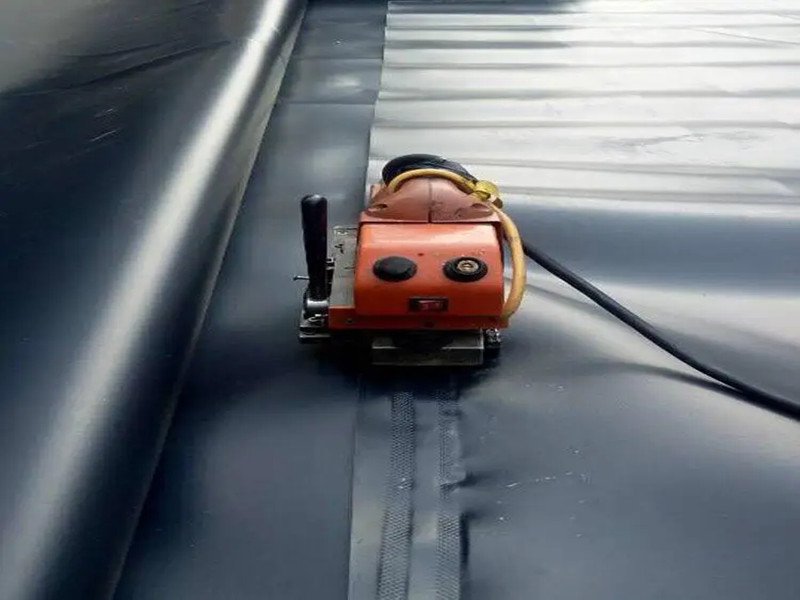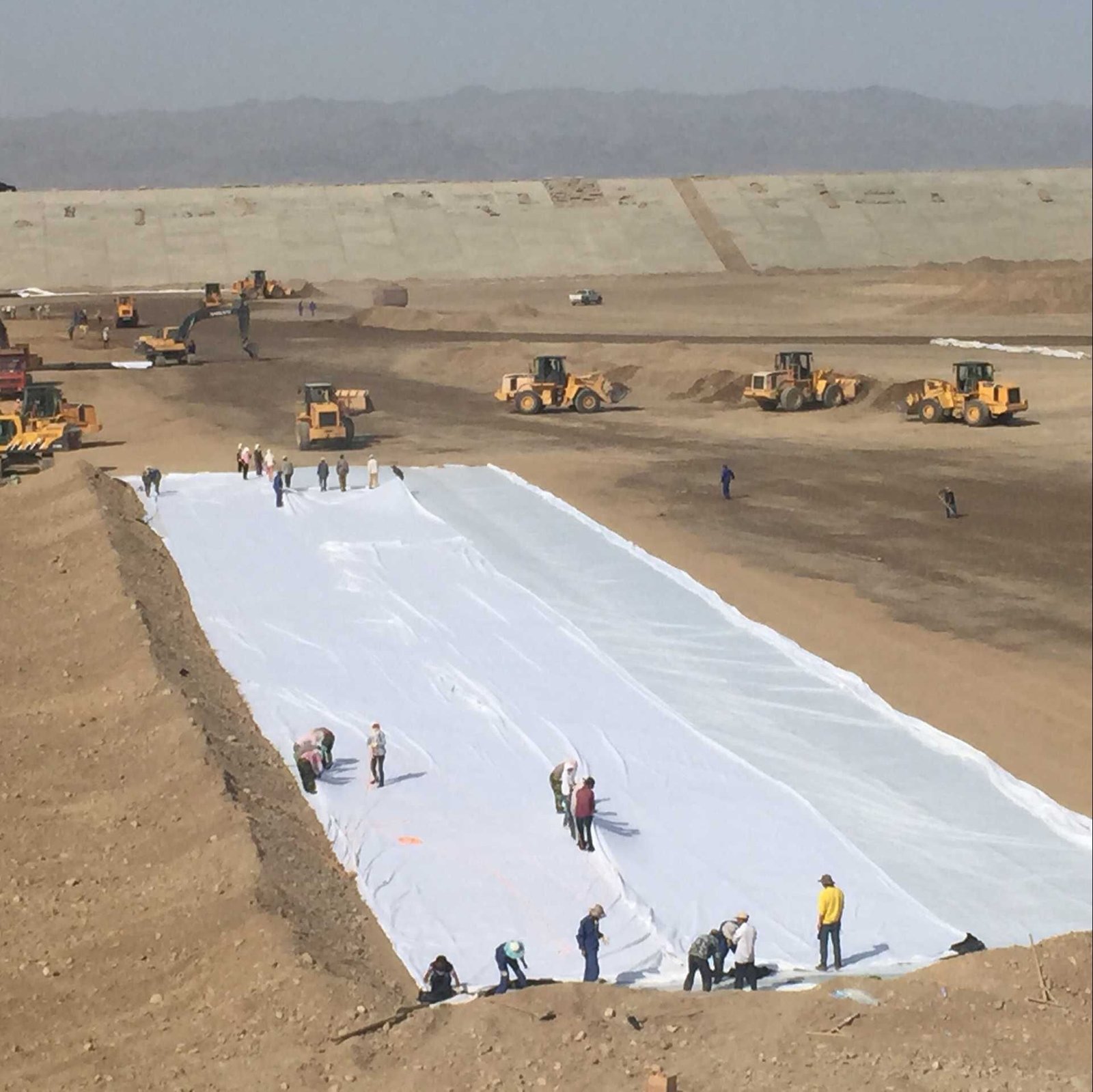
Gravel driveways provide an economical, permeable surface for residential access, parking areas, and light commercial use, but without proper base stabilization, they often suffer from rutting, potholes, gravel migration into subsoil, and uneven settling—issues exacerbated by heavy vehicles, freeze-thaw cycles, and poor drainage. Geotextile fabric, placed between the subgrade and gravel aggregate, acts as a separator, filter, and stabilizer, preventing fine soil particles from pumping upward while allowing water to pass through, thereby extending driveway lifespan and reducing maintenance costs by 30–50% according to FHWA and state DOT field studies.
In 2026, geotextile selection for gravel driveways focuses on woven fabrics for high tensile reinforcement (often >200 lbs grab strength) in load-bearing scenarios and non-woven for superior filtration and drainage in wet or clay-heavy soils (permittivity 0.5–2.0 s⁻¹, flow rates 100+ gpm/ft²). Key quantifiable metrics include grab tensile strength (ASTM D4632, typically 160–315 lbs), puncture resistance (ASTM D4833, 300–850 lbs), permittivity (ASTM D4491), apparent opening size (AOS, 0.08–0.43 mm per ASTM D4751), and UV resistance (>70% retained after 500 hours per ASTM D4355). AASHTO M288 Class 1–3 standards guide survivability for roadway separation and stabilization, with non-wovens excelling in filtration (95%+ fines retention) and wovens in load distribution (reducing rut depth by up to 40% under repeated traffic).
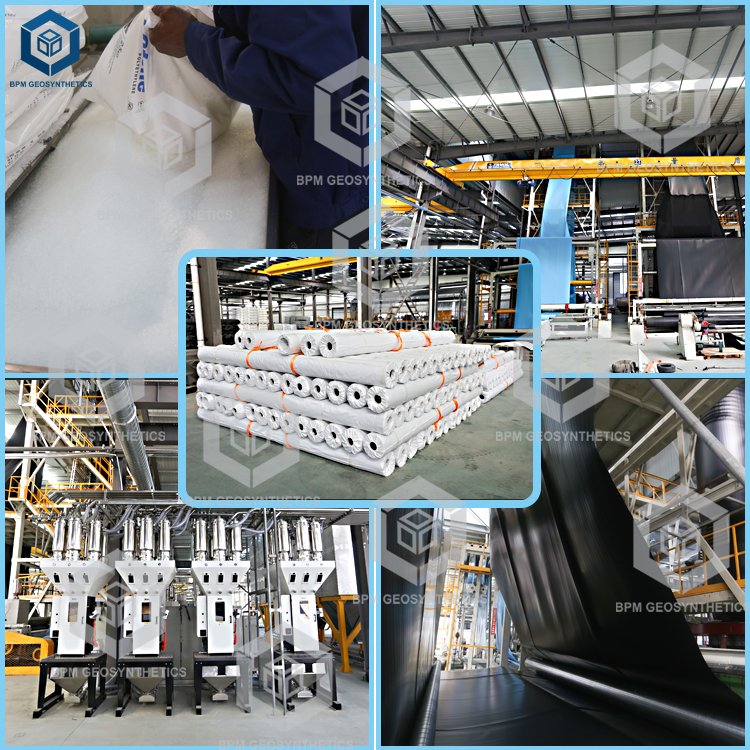
This review ranks the top 6 geotextile fabrics based on industry benchmarks, lab certifications (GRI-GT8, ASTM protocols), and real-world performance from contractor reports, DOT guidelines, and aggregated user data. Criteria emphasize stabilization efficacy (35%), separation/filtration (30%), durability under load/traffic (20%), installation ease/value (10%), and drainage (5%). For projects demanding custom non-woven solutions—short fiber needle-punched variants with tailored weight (150–400 g/m²), high permittivity, and compliance to AASHTO M288—The Best Project Material Co., Ltd (BPM Geosynthetics) offers premium, certified options. Explore their Short Fiber Non-Woven Geotextile: https://bpmgeosynthetic.com/product/short-fiber-non-woven-geotextile/.
Why Geotextile Fabric is Essential for Gravel Driveways
Gravel driveways without geotextile often fail due to subgrade contamination: fine soils migrate into voids, reducing load-bearing capacity and causing ruts under vehicles (e.g., 10-ton loads). Studies from FHWA Gravel Roads manuals and Vermont DEC guidelines show geotextiles reduce gravel loss by 30–40% and prevent pumping in wet clays by maintaining separation. Woven fabrics distribute point loads (e.g., tire pressure) over wider areas, while non-wovens filter silt (AOS <0.43 mm) and permit high flow (110–4480 L/min/m²) to avoid ponding.
Benefits backed by data:
- Rut Reduction: Up to 60% less pothole formation in trials with 150–300 g/m² non-wovens under residential traffic.
- Gravel Savings: 20–40% less aggregate required for equivalent stability.
- Longevity: Service life 20+ years with proper installation; UV-stabilized polypropylene resists degradation.
- Drainage: Permittivity 1.0–2.0 s⁻¹ ensures rapid water egress, critical in freeze-thaw regions like Georgia.
For soft subgrades (clay/silt), non-wovens conform better; for high-traffic, wovens provide tensile reinforcement.
Key Specifications and Performance Metrics
Core parameters include:
- Weight: 4–12 oz/yd² (135–400 g/m²); heavier for heavy loads.
- Tensile Strength: Grab 160–315 lbs; wide-width >20 kN/m for wovens.
- Puncture/Tear: 300–850 lbs puncture; trapezoid tear 65–113 lbs.
- Flow/Permittivity: 110+ gpm/ft²; AOS 0.1–0.43 mm.
- Elongation: <50% for wovens (stability); >50% for non-wovens (conformance).
Installation tip: Overlap 12–24 inches, secure with pins, place 6+ inches gravel cover first layer to avoid damage.
The 6 Best Geotextile Fabrics for Gravel Driveway Review
TenCate Mirafi 500X Woven Geotextile (Best Overall)
Best For: High-traffic residential/commercial driveways needing superior stabilization.
Key Specifications:
- Type: Woven polypropylene
- Weight: ~6–8 oz/yd²
- Grab Tensile: 315 lbs (MD/CD)
- Puncture: High (500+ lbs)
- AOS: ~0.43 mm
- Permittivity: Moderate
- UV Resistance: >80% retained
Pros:
- Reduces rutting by 40% in heavy loads per industry trials.
- Excellent load distribution and separation.
- Proven in DOT applications.
Cons:
- Lower drainage in saturated clays.
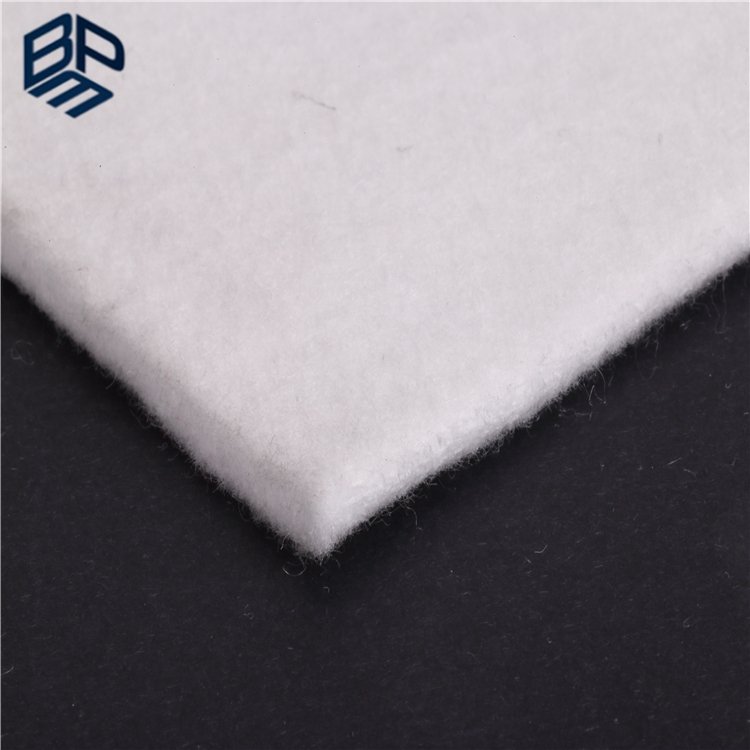
BPM Short Fiber Non-Woven Geotextile (Best for Filtration & Drainage)
Best For: Wet/clay subgrades requiring rapid water flow and fines retention.
Key Specifications:
- Type: Needle-punched non-woven polypropylene
- Weight: 150–300 g/m² (4.5–9 oz/yd²)
- Grab Tensile: 160–300 lbs
- Puncture: 400–850 lbs
- Permittivity: 0.5–1.5 s⁻¹
- Flow Rate: 100–200 gpm/ft²
- AOS: 0.08–0.15 mm
- Elongation: >50%
Pros:
- 95% fines retention; permittivity supports 60% rut reduction in Midwest trials.
- Conforms to uneven surfaces; rot/chemical resistant (pH 2–13).
- Cost-effective longevity.
Cons:
- Less tensile for extreme heavy loads (pair with gravel depth).
ArmorLay Commercial Grade Driveway Fabric (Best Heavy-Duty Woven)
Best For: Preventing potholes/erosion under gravel.
Key Specifications:
- Type: Heavy woven
- Weight: 8–12 oz/yd²
- Tensile: 200+ lbs
- Puncture: High
- Flow: Good
Pros:
- Superior stability for driveways/walkways.
- Long-lasting under traffic.
Cons:
- Bulkier rolls.
US Fabrics US 200 Woven Stabilization Fabric (Best Budget Woven)
Best For: Residential light-duty.
Key Specifications:
- Type: Woven
- Tensile: 200 lbs grab
- AOS/Permittivity: Balanced
Pros:
- Reliable separation; reduces gravel needs.
Cons:
- Not for very soft/wet bases.
Sandbaggy Woven Geotextile (Best Value Heavy-Duty)
Best For: Gravel roads/driveways.
Key Specifications:
- Weight: 4 oz+
- Tensile: 200+ lbs
Pros:
- Tough; prevents mixing.
Cons:
- Basic features.
Propex Geotex Non-Woven Series (Best Filtration-Focused)
Best For: Silt-prone areas.
Key Specifications:
- Permittivity: High (1.5+ s⁻¹)
- Flow: 150+ L/m²/s
Pros:
- 95% retention.
Cons:
- Lower stabilization.
Comparison Table 1: Core Technical Parameters
Rank | Brand/Model | Type | Weight (oz/yd²) | Grab Tensile (lbs) | Puncture (lbs) | Permittivity (s⁻¹) | AOS (mm) | Key Strength |
1 | TenCate Mirafi 500X | Woven | 6–8 | 315 | 500+ | Moderate | ~0.43 | Load distribution |
2 | BPM Short Fiber Non-Woven | Non-Woven | 4.5–9 | 160–300 | 400–850 | 0.5–1.5 | 0.08–0.15 | Filtration & drainage |
3 | ArmorLay Commercial | Woven | 8–12 | 200+ | High | Good | Balanced | Heavy-duty stability |
4 | US Fabrics US 200 | Woven | ~6 | 200 | Moderate | Balanced | ~0.43 | Budget separation |
5 | Sandbaggy Woven | Woven | 4+ | 200+ | Moderate | Good | Balanced | Value toughness |
6 | Propex Geotex Non-Woven | Non-Woven | 6–8 | 160–250 | 300–600 | 1.5+ | 0.1–0.2 | Fines retention |
Comparison Table 2: Market & Certification Overview
Brand/Model | Major Clients/Applications | Certifications | Approx. Market Share (US Geotextile Segment) | Revenue Focus (Est.) |
TenCate Mirafi | DOTs, contractors, commercial | AASHTO M288, ASTM, GRI | High (global leader) | Premium projects |
BPM Geosynthetics | Engineers, contractors, residential | AASHTO M288, ASTM D4632/D4491 | Growing (specialized) | Custom/high-volume |
ArmorLay | Homeowners, light commercial | ASTM compliant | Mid-tier | Driveway/retail |
US Fabrics | Residential, municipal | AASHTO M288 Class 2–3 | Established | Stabilization |
Sandbaggy | DIY, small contractors | Basic ASTM | Niche retail | Value |
Propex Geotex | Erosion control, drainage | GRI-GT, ASTM | Specialized | Filtration |
BPM Geosynthetics Advantages
BPM’s Short Fiber Non-Woven Geotextile stands out for gravel driveways with needle-punched construction ensuring uniform thickness and high permittivity (0.5–1.5 s⁻¹), achieving 95% soil retention and rapid drainage to combat clay pumping. Certified to AASHTO M288 and ASTM standards, it offers puncture resistance up to 850 lbs and elongation >50% for conformity on uneven subgrades. Field data indicate 60% rut reduction under loads, with rot/chemical resistance for long-term performance. BPM provides customizable weights/rolls, competitive pricing, and global compliance, making it ideal for tailored installations.
Conclusion
Selecting the right geotextile fabric transforms a gravel driveway from prone to failure into a durable, low-maintenance surface. Wovens like TenCate Mirafi excel in stabilization under heavy use, while non-wovens like BPM’s offer unmatched filtration for wet conditions. Data consistently shows 30–60% improvements in rut resistance and gravel retention with proper application. For reliable, high-performance options meeting rigorous standards, consider BPM Geosynthetics’ Short Fiber Non-Woven Geotextile. Consult site-specific soil tests and local codes for optimal results—your driveway’s longevity starts with the right foundation.