1. Overview of High Density Polyethylene (HDPE) Geomembrane
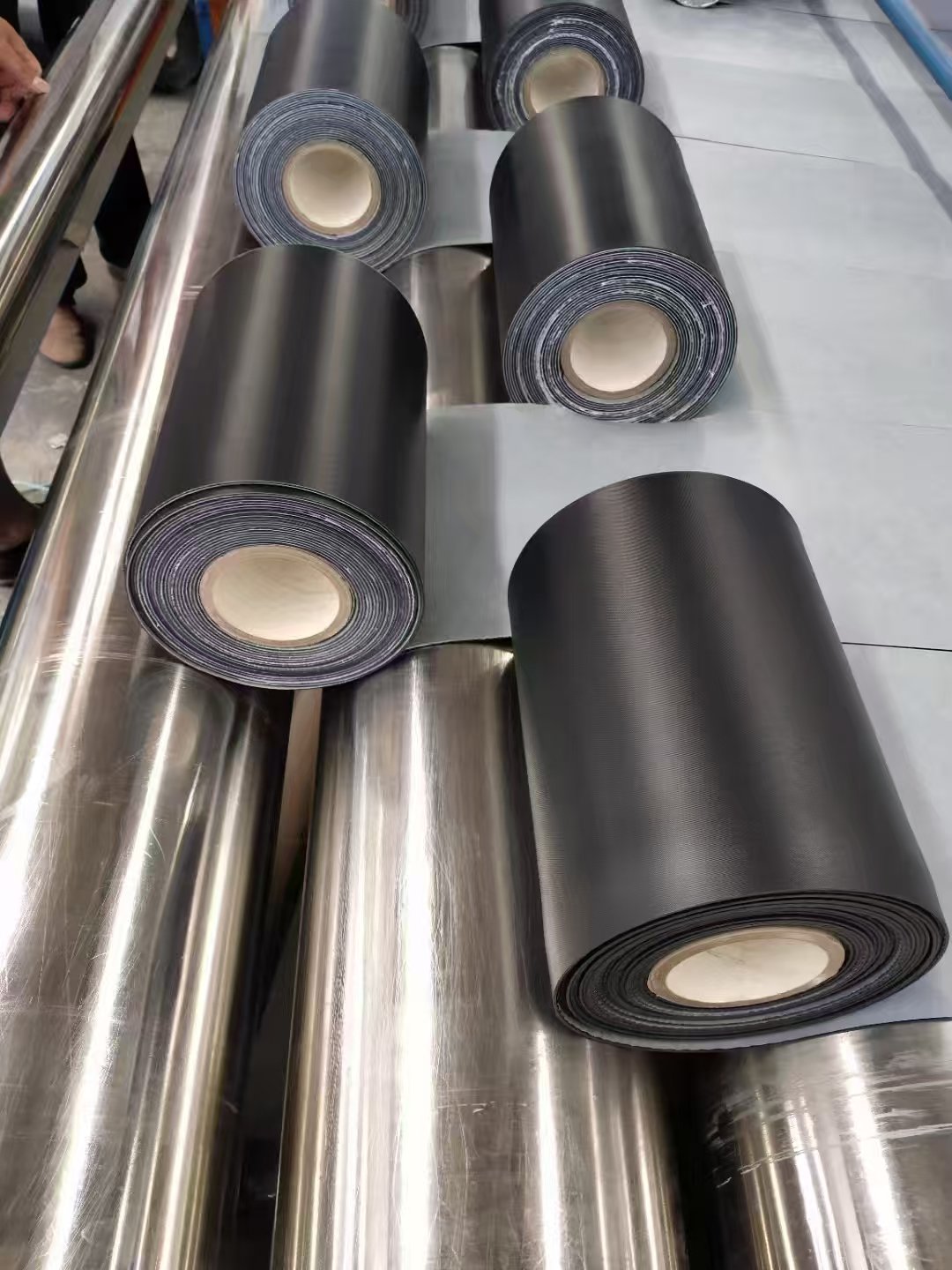
High Density Polyethylene (HDPE) geomembrane is a high-performance thermoplastic geosynthetic material manufactured from pure HDPE resin with a standard density ranging from 0.940 g/cm³ to 0.965 g/cm³. Produced through advanced flat extrusion or co-extrusion blow molding processes, it forms a flexible, smooth, and ultra-low permeability sheet liner. As a core anti-seepage and barrier material in modern geotechnical, environmental, and civil engineering, HDPE geomembrane is specially designed to block the migration of liquids, gases, and harmful contaminants between soil layers and structural facilities. Compared with traditional waterproof and anti-seepage materials, it overcomes the defects of poor durability, weak chemical resistance, and easy aging of ordinary materials, and has become the most widely used geomembrane product in global engineering construction.
2. Core Performance Characteristics of HDPE Geomembrane
The widespread popularity of HDPE geomembrane stems from its excellent comprehensive physical and chemical properties, which enable it to adapt to various harsh engineering environments for long-term stable operation:
- Ultra-low permeability: With a permeability coefficient lower than 1×10⁻¹³ cm/s, it can effectively isolate water, sewage, and landfill gas, achieving nearly zero leakage barrier effect, which is far superior to conventional clay and composite waterproof layers.
- Excellent chemical resistance: It is stable in extreme pH environments (pH 2–12) and can resist corrosion from acids, alkalis, salts, industrial wastewater, heavy metal pollutants, and organic solvents, without chemical decomposition or performance degradation.
- Superior durability and anti-aging performance: Modified with anti-UV and anti-oxidant additives, it can resist ultraviolet radiation, oxidation, and freeze-thaw cycles. Its service life can reach more than 50 years in buried engineering environments and 20–30 years in exposed environments.
- High mechanical strength: It has outstanding tensile strength, tear resistance, and puncture resistance, which can resist soil settlement, external extrusion, and sharp object piercing during and after construction, maintaining structural integrity.
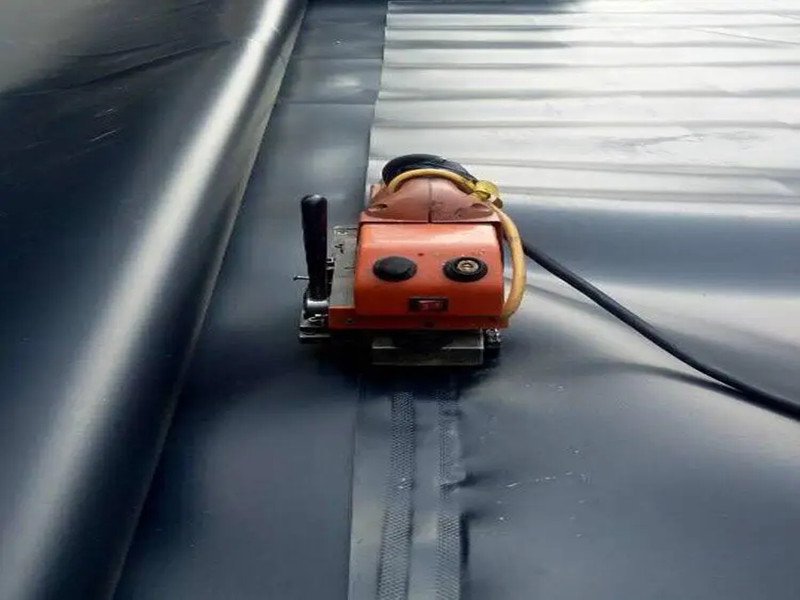
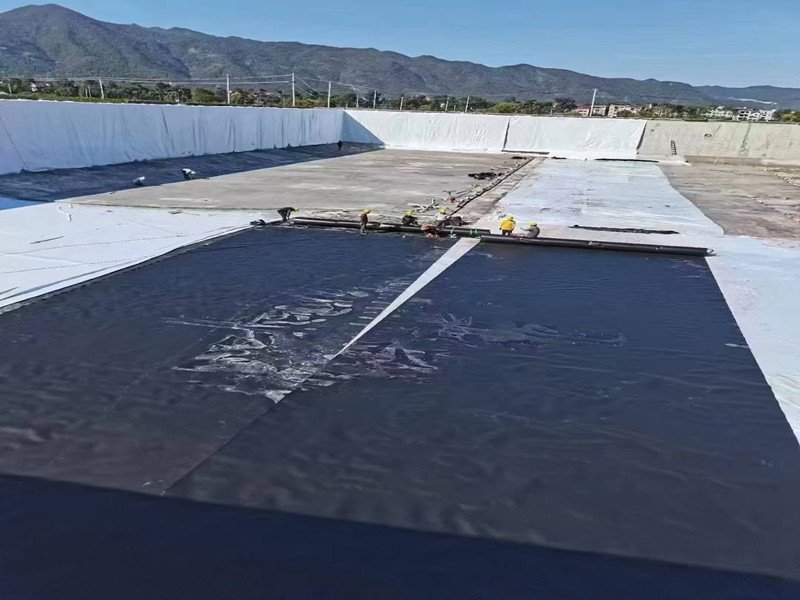
- Good construction adaptability: The material is lightweight, flexible, and easy to cut and splice. It can be tightly welded into an integral seamless barrier layer through hot melting welding, with simple construction process and low engineering comprehensive cost.
- Environmental safety: Made of pure polymer resin without toxic and harmful ingredients, it is non-polluting, non-toxic, and recyclable, meeting international environmental protection engineering standards.
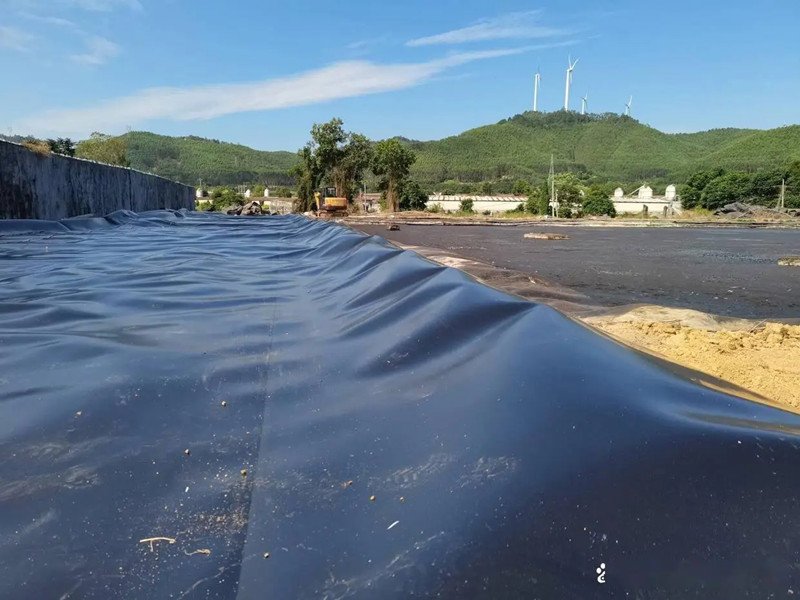
3. Main Engineering Applications of HDPE Geomembrane
With its comprehensive performance advantages, HDPE geomembrane has been widely applied in environmental protection, water conservancy, mining, agriculture, municipal engineering and other fields, covering almost all anti-seepage and barrier engineering scenarios:
3.1 Environmental Protection Sanitary Engineering
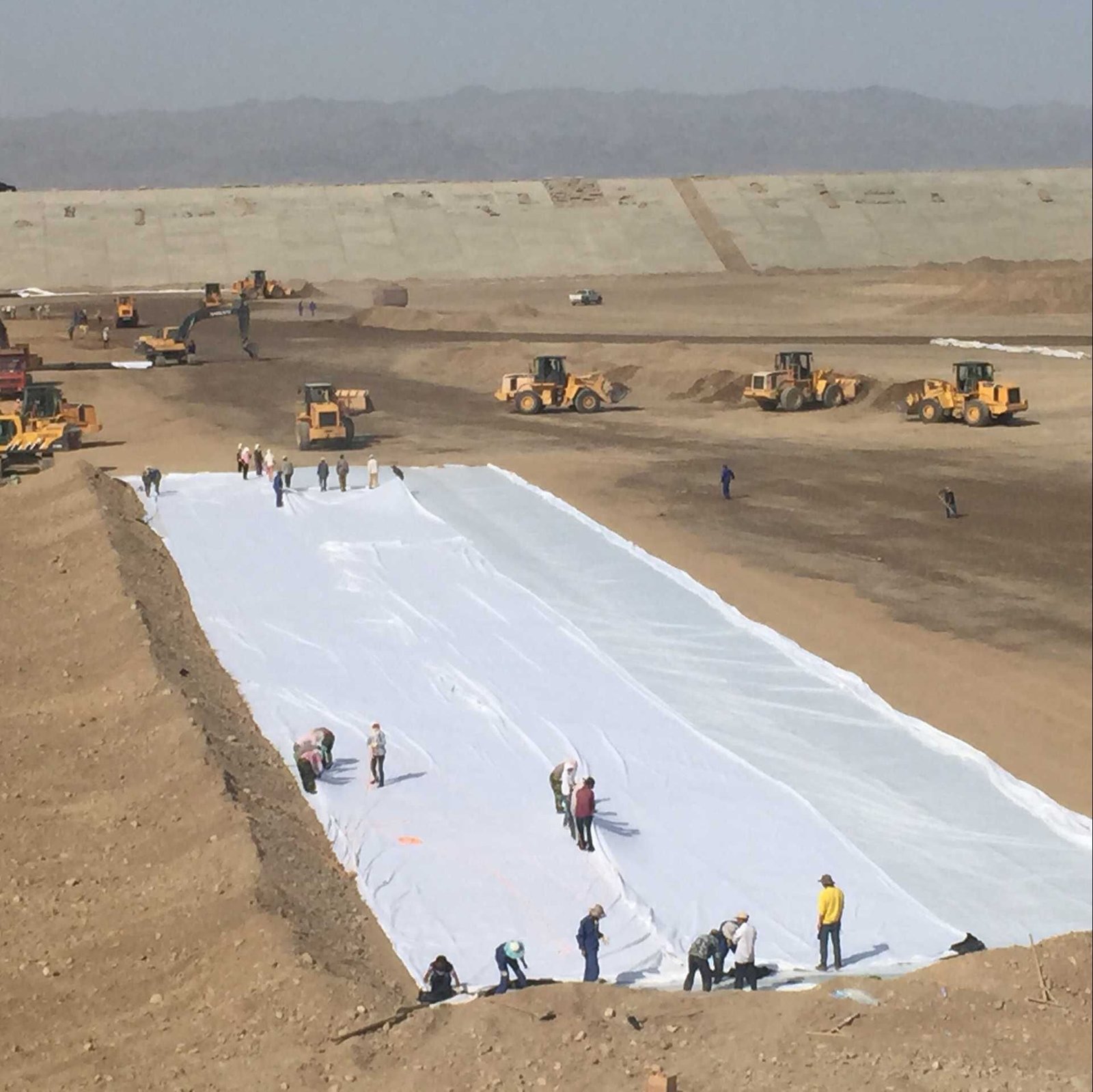
This is the most mainstream application field of HDPE geomembrane. In municipal solid waste landfills, hazardous waste storage yards, and sewage treatment plants, HDPE geomembrane serves as the core anti-seepage barrier system. It is laid on the bottom, slope, and surrounding boundary of the landfill site, which can completely block the infiltration of garbage leachate containing heavy metals and toxic organic substances into soil and groundwater, avoiding regional groundwater and soil pollution. Meanwhile, it can prevent the outward diffusion of landfill methane and other harmful gases, realizing safe and closed disposal of garbage. In sewage regulation tanks and biochemical tanks, it isolates sewage from the foundation to prevent seepage pollution.
3.2 Water Conservancy and Hydropower Engineering
HDPE geomembrane is widely used in anti-seepage treatment of reservoirs, artificial lakes, river channels, irrigation canals, and dam bodies. Traditional water conservancy projects often suffer from water resource loss caused by foundation seepage. Laying HDPE geomembrane lining can effectively reduce water seepage loss, improve water resource utilization efficiency, and stabilize the water storage capacity of reservoirs and channels. In addition, its excellent freeze-thaw resistance and anti-scouring performance can adapt to seasonal temperature changes and water flow scouring, protecting dam and channel structures from erosion damage, and extending the service life of water conservancy facilities.
3.3 Mining Engineering
In mine tailings ponds, ore washing ponds, and heap leaching yards, mining production will produce a large amount of acidic and alkaline tailings wastewater containing mineral residues and heavy metal ions. HDPE geomembrane with strong chemical corrosion resistance is used as the anti-seepage liner of tailings ponds, which can effectively isolate toxic and harmful mining wastewater, prevent it from infiltrating into the surrounding soil and water body, and avoid mining-induced ecological damage. At the same time, it can also prevent the loss of useful mineral leachate, improve resource recovery rate, and ensure the safe operation of mining tailings disposal systems.
3.4 Aquaculture and Agricultural Engineering
In modern ecological aquaculture, HDPE geomembrane is commonly used for lining fish ponds, shrimp ponds, and breeding reservoirs. It can prevent water seepage of the pond body, maintain stable water level and water quality, and avoid the mixing of pond bottom soil and water. The smooth surface of the geomembrane is not easy to breed bacteria and algae, reducing the occurrence of aquaculture diseases and significantly improving breeding yield and economic benefits. In agricultural irrigation and water storage projects, it is used for anti-seepage of farmland reservoirs and water storage ponds, saving precious agricultural water resources and improving irrigation efficiency.
3.5 Municipal and Industrial Engineering
In municipal construction, HDPE geomembrane is applied to anti-seepage of subway foundation, tunnel waterproofing, roadbed moisture-proof, and landscape artificial water system construction. It can prevent groundwater erosion on municipal infrastructure and avoid structural damage caused by water seepage. In industrial fields, it is used for anti-seepage lining of chemical plant storage tanks, industrial wastewater pools, and oil storage yards, isolating chemical pollutants and oil leakage, and ensuring the safety of industrial production and regional ecological environment.
4. Engineering Application Advantages Summary
In practical engineering applications, HDPE geomembrane has irreplaceable advantages over traditional anti-seepage materials such as clay layers, cement waterproof layers, and ordinary plastic films. Its seamless integral welding structure eliminates leakage loopholes, and its long-term stable performance avoids frequent maintenance and replacement of engineering facilities. While ensuring engineering safety and environmental protection effects, it greatly reduces construction period and comprehensive engineering cost. With the continuous improvement of environmental protection and engineering construction standards, HDPE geomembrane has become an indispensable key material in modern geotechnical engineering and ecological environmental protection construction.
5. Conclusion
High Density Polyethylene (HDPE) geomembrane, as a high-efficiency, durable, and environmentally friendly geosynthetic barrier material, relies on its ultra-low permeability, strong chemical stability, excellent mechanical properties and long service life, and has achieved mature applications in environmental protection, water conservancy, mining, aquaculture, municipal and other fields. It not only solves the key technical problems of anti-seepage and pollution isolation in various engineering projects, but also plays an important role in protecting soil and water ecological environment, saving water resources, and ensuring the safe and stable operation of engineering facilities. With the development of green engineering and ecological construction, HDPE geomembrane will have broader application prospects in global infrastructure construction and environmental governance projects.