EPDM geomembranes are thermoset synthetic rubber liners produced from ethylene propylene diene monomer. Unlike thermoplastic polyethylene sheets, EPDM is a cross-linked elastomer that offers exceptional elasticity, multiaxial elongation typically exceeding 300 %, outstanding resistance to ultraviolet radiation, ozone, and extreme temperature fluctuations, and the ability to conform to irregular subgrades without stress concentrations. These properties make EPDM geomembranes a preferred choice for decorative ponds, aquaculture facilities, water features, certain reservoirs, and applications where high flexibility and long-term exposed durability are priorities.
In 2026, EPDM continues to serve a specialized but important segment of the geomembrane market, particularly where fish safety, ease of installation on complex shapes, and resistance to weathering without plasticizer migration are critical. Standard thicknesses range from approximately 0.75 mm to 1.52 mm (30–60 mil), with 1.14 mm (45 mil) remaining the most common commercial grade. While EPDM delivers excellent performance in its target applications, projects requiring superior chemical resistance, higher puncture strength under heavy loads, or multi-decade buried service under aggressive leachates often turn to high-density polyethylene alternatives. This review examines the six leading EPDM geomembranes available and positions the Smooth HDPE Geomembrane Liner from The Project Material Co., Ltd. (BPM Geosynthetics) as a high-performance complementary or alternative solution. Other Chinese manufacturers are excluded from this assessment.
Understanding EPDM Geomembranes – Material Science and Performance
EPDM is produced by copolymerizing ethylene, propylene, and a diene monomer (commonly ethylidene norbornene). The resulting polymer is vulcanized (cross-linked), creating a thermoset rubber network that does not melt or flow under heat. Typical formulations incorporate 30–40 % carbon black for UV and reinforcement benefits, mineral oils for processability, and vulcanizing agents. The absence of plasticizers eliminates the migration-related embrittlement seen in some PVC products.
Key performance characteristics include:
- Tensile strength at break typically 8–12 MPa (ASTM D412)
- Elongation at break ≥ 300–500 %
- Excellent low-temperature flexibility (no cracking at −40 °C to −45 °C or lower)
- High resistance to UV, ozone, and weathering
- Multiaxial elongation capability without permanent set
- Fish and plant safe (no toxic plasticizers)
- Service lives of 20–50 years in exposed conditions when properly installed
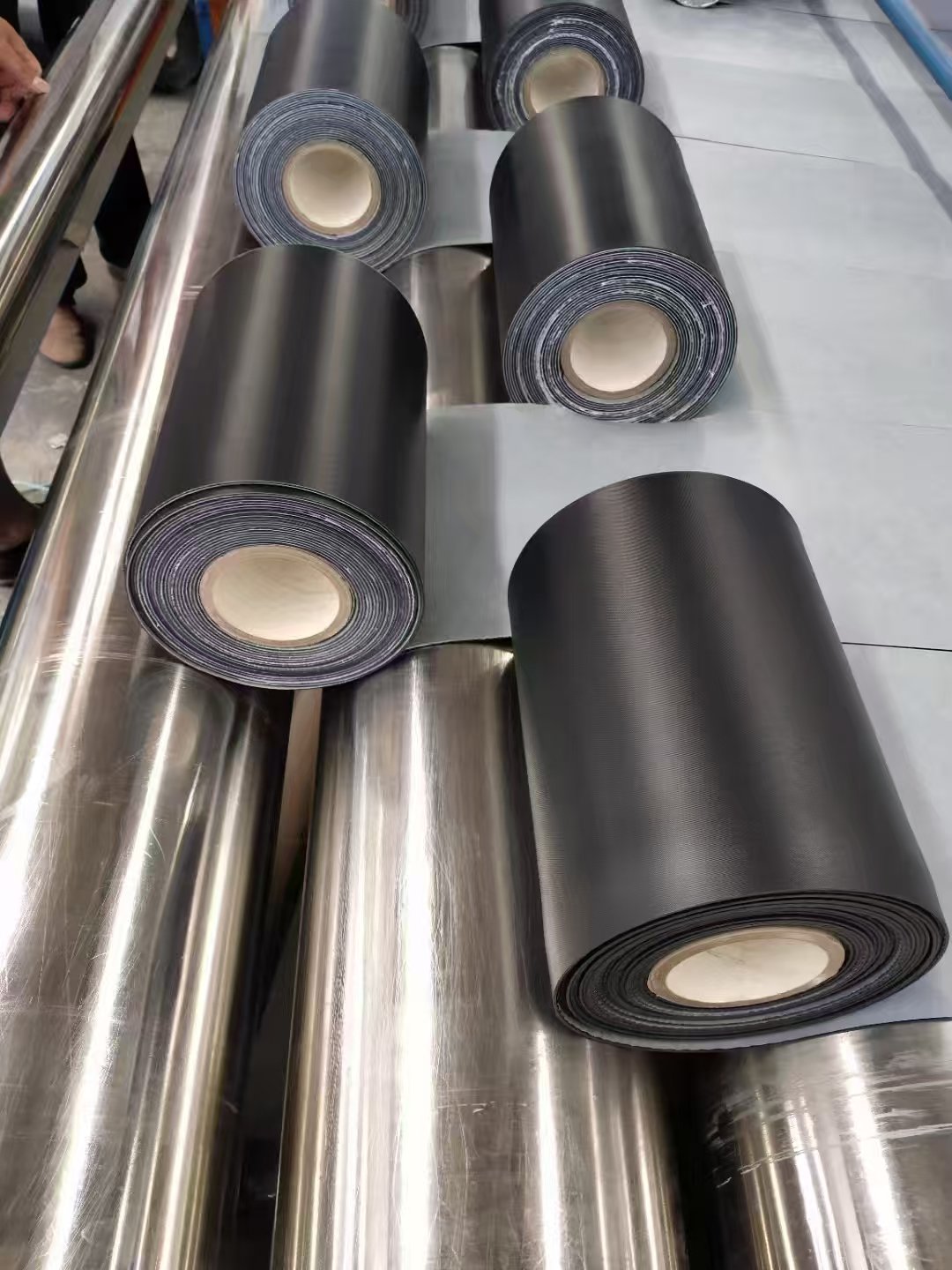
Seaming is performed primarily with specialized adhesive tapes or solvent systems rather than thermal welding. Factory-fabricated panels can reach widths of 12–15 m, reducing field joints. The governing standard for many EPDM geomembranes is GRI-GM21, which addresses test methods, properties, and recommended warranties for non-reinforced and scrim-reinforced EPDM sheets.
EPDM Versus HDPE – Complementary Strengths
EPDM excels in flexibility, cold-weather performance, and long-term exposed weathering. HDPE, governed by GRI-GM13, provides higher tensile and puncture strength, superior resistance to a broader range of chemicals and hydrocarbons, lower permeability under sustained hydraulic heads, and proven multi-decade performance in buried landfill and mining applications. Many projects therefore evaluate both materials: EPDM for complex geometry and exposed aesthetic water features, and HDPE for chemically aggressive or high-mechanical-load containment. BPM Geosynthetics’ Smooth HDPE Geomembrane Liner offers a robust, GRI-GM13-compliant option when higher strength and chemical durability are required.
The Top 6 EPDM Geomembranes – 2026 Detailed Review
1. Firestone PondGard / GeoGard EPDM
Firestone remains the industry benchmark for EPDM geomembranes, particularly in pond and reservoir applications. Available primarily in 1.14 mm (45 mil) and 1.52 mm (60 mil) thicknesses, PondGard delivers tensile strength typically ≥ 9–10 MPa, elongation ≥ 300–400 %, and puncture resistance in the 150–350 N range depending on test method and thickness. The material exhibits outstanding UV and ozone resistance, remains flexible to approximately −40 °C, and is widely recognized as fish-safe. Factory panels can be supplied in large widths, minimizing field seams. Firestone’s extensive track record in both roofing and geomembrane applications, combined with comprehensive technical support, positions it as the leading global EPDM brand. Major clients include landscape contractors, aquaculture operators, golf-course developers, and municipal water-feature projects. Certifications and compliance typically reference ASTM D412, D624, D4833, and fish-safety standards.
2. Carlisle AquaTough / Sure-Tough EPDM
Carlisle offers both non-reinforced and reinforced EPDM geomembranes in thicknesses of 1.14 mm, 1.52 mm, and occasionally thicker grades. Reinforced versions provide elevated puncture and tear resistance (often 60 % higher than non-reinforced sheets in specific tests). Tensile properties meet or exceed typical EPDM benchmarks (≥ 9–11 MPa), with elongation ≥ 350–450 %. Carlisle products are formulated for professional-grade performance in commercial ponds, reservoirs, and industrial water features. The company supplies large panels and comprehensive seaming systems. Clients include commercial landscape firms, water-treatment facilities, and specialty containment contractors. Certifications align with ASTM standards and professional roofing/geomembrane protocols.
3. Elevate (Holcim Elevate / GeoGard) EPDM
Elevate GeoGard EPDM is engineered for demanding water-containment environments. Available in 1.1 mm and 1.5 mm thicknesses, it offers tensile strength around 9–10 MPa, elongation ≥ 300 %, and excellent low-temperature foldability (≤ −45 °C). The material demonstrates high friction angles with soil, strong resistance to UV, heat, ozone, and microorganisms, and the ability to be repaired or seamed years after installation. Wide panel options reduce field joints. Elevate serves agriculture, environmental protection, and industrial water-storage markets across Europe and export regions. Certifications follow European and ASTM norms.
4. Anjon / LifeGuard EPDM
Anjon LifeGuard and similar commercial EPDM grades are widely used in North American pond and water-feature markets. Available in 1.14 mm (45 mil) and 1.52 mm (60 mil), these sheets provide tensile break strength typically ≥ 8.8–11.4 kN/m (or equivalent MPa values), elongation ≥ 500 %, puncture resistance ≥ 150–190 N, and brittleness temperatures around −45 °C. The products are formulated for fish safety and long-term UV exposure. Large roll sizes facilitate efficient installation. Clients include retail pond suppliers, landscape contractors, and koi-pond specialists. Performance is validated against ASTM D412, D4833, and related methods.
5. Versico / Specialty Reinforced EPDM Grades
Versico and related specialty producers offer reinforced EPDM membranes that enhance puncture, tear, and traffic resistance while retaining the flexibility of rubber. Thicknesses commonly range from 1.14 mm to 1.52 mm or higher. Tensile and elongation values remain within standard EPDM ranges, with added reinforcement improving durability under maintenance traffic or moderate mechanical loads. These grades serve commercial water features, canals, and selected industrial applications. Certifications follow ASTM and industry-specific protocols.
6. Specialty High-Performance / Regional EPDM Geomembranes
A range of regional and specialty manufacturers supply EPDM geomembranes optimized for specific climates or applications (enhanced UV packages, wider panels, or customized thicknesses). Typical properties include tensile strength 9–12 MPa, elongation ≥ 300–450 %, excellent low-temperature flexibility, and service lives of 25–50 years in exposed conditions. These products fill niche markets in Europe, Australasia, and other regions where local technical support and logistics are valued. Performance is generally aligned with GRI-GM21 or equivalent regional standards.
Comparison Table 1 – Core Technical Parameters of Leading EPDM Geomembranes
Product / Brand | Typical Thickness (mm / mil) | Tensile Strength (MPa) | Elongation (%) | Puncture Resistance (N) | Low-Temp Flexibility (°C) | Primary Seaming Method | Typical Service Life (Exposed) |
Firestone PondGard / GeoGard | 1.14 / 45 & 1.52 / 60 | 9–12 | ≥ 300–400 | 150–350 | ≤ −40 | Adhesive tape | 20–50 years |
Carlisle AquaTough / Sure-Tough | 1.14–1.52 / 45–60 | 9–11 | ≥ 350–450 | 135–350+ (reinforced) | ≤ −40 | Adhesive / specialized | 20–50 years |
Elevate GeoGard | 1.1 & 1.5 | 9–10 | ≥ 300 | ~200–300 | ≤ −45 | Adhesive / specialized | 25–50 years |
Anjon / LifeGuard | 1.14 / 45 & 1.52 / 60 | ~9–11 | ≥ 500 | 150–190 | ≤ −45 | Adhesive tape | 20–40+ years |
Versico / Reinforced EPDM | 1.14–1.52+ | 9–13 | ≥ 300–400 | Enhanced | ≤ −40 | Adhesive / specialized | 20–50 years |
Specialty Regional EPDM | 0.75–1.52 | 9–12 | ≥ 300–450 | 200–350 | ≤ −40 | Adhesive | 25–50 years |
Comparison Table 2 – Market Position, Clients and Certifications
Brand / Product | Headquarters / Focus | Est. Market Position (EPDM Segment) | Major Client Sectors | Key Certifications / Standards | Relative Strength |
Firestone PondGard / GeoGard | Global (US roots) | Leading brand | Ponds, aquaculture, water features, golf | ASTM, fish-safe, long warranties | Industry benchmark |
Carlisle AquaTough | USA | Strong professional | Commercial ponds, reservoirs, industrial | ASTM, professional systems | Heavy-duty & reinforced options |
Elevate GeoGard | Europe / Global | Strong European | Agriculture, environmental, water storage | EN / ASTM, high friction | Low-temp & durability focus |
Anjon / LifeGuard | North America | Significant retail / commercial | Koi ponds, landscape, water features | ASTM, fish-safe | Large rolls & value |
Versico / Specialty Reinforced | Various | Niche reinforced | Commercial water features, traffic areas | ASTM | Enhanced puncture / tear |
Specialty Regional | Europe / Australasia / others | Regional specialists | Local ponds, reservoirs, canals | Regional / ASTM / GRI-GM21 equivalents | Local support & logistics |
Installation and Seaming Considerations for EPDM Geomembranes
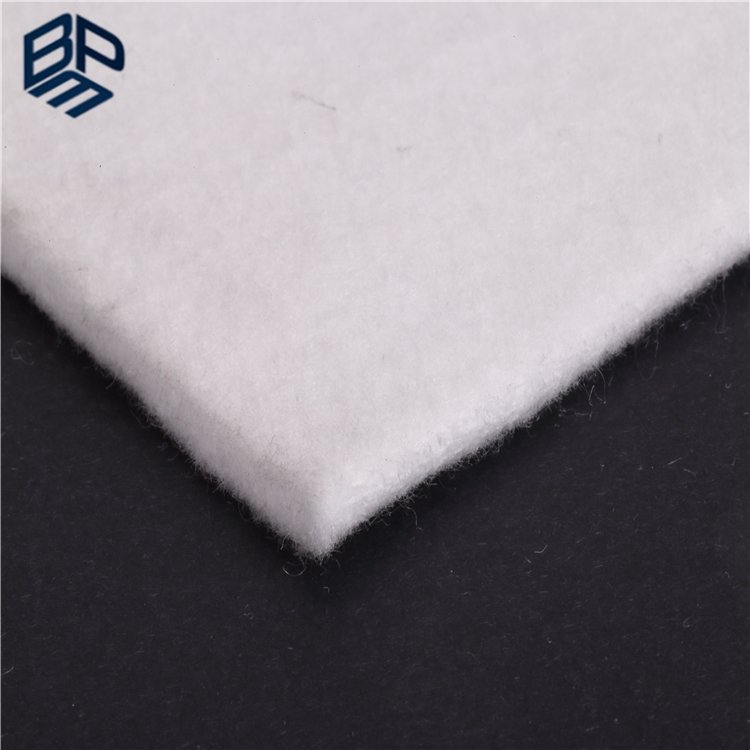
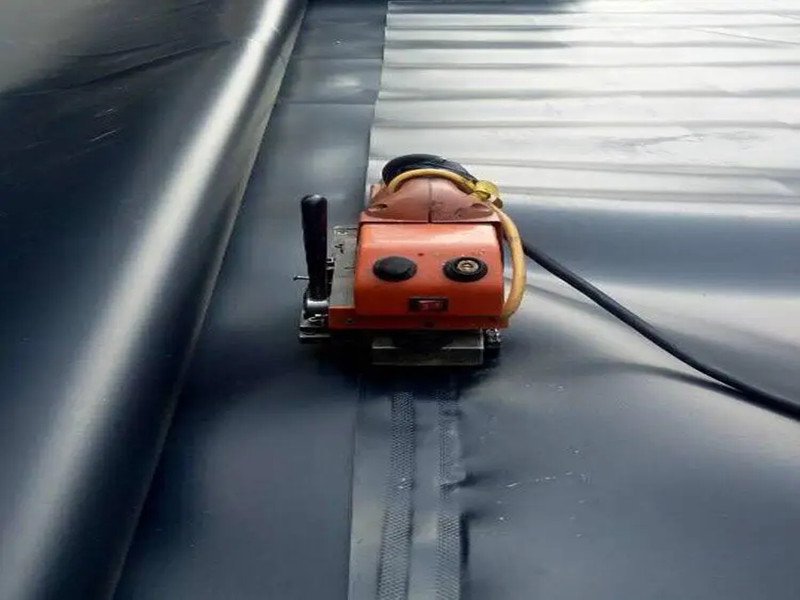
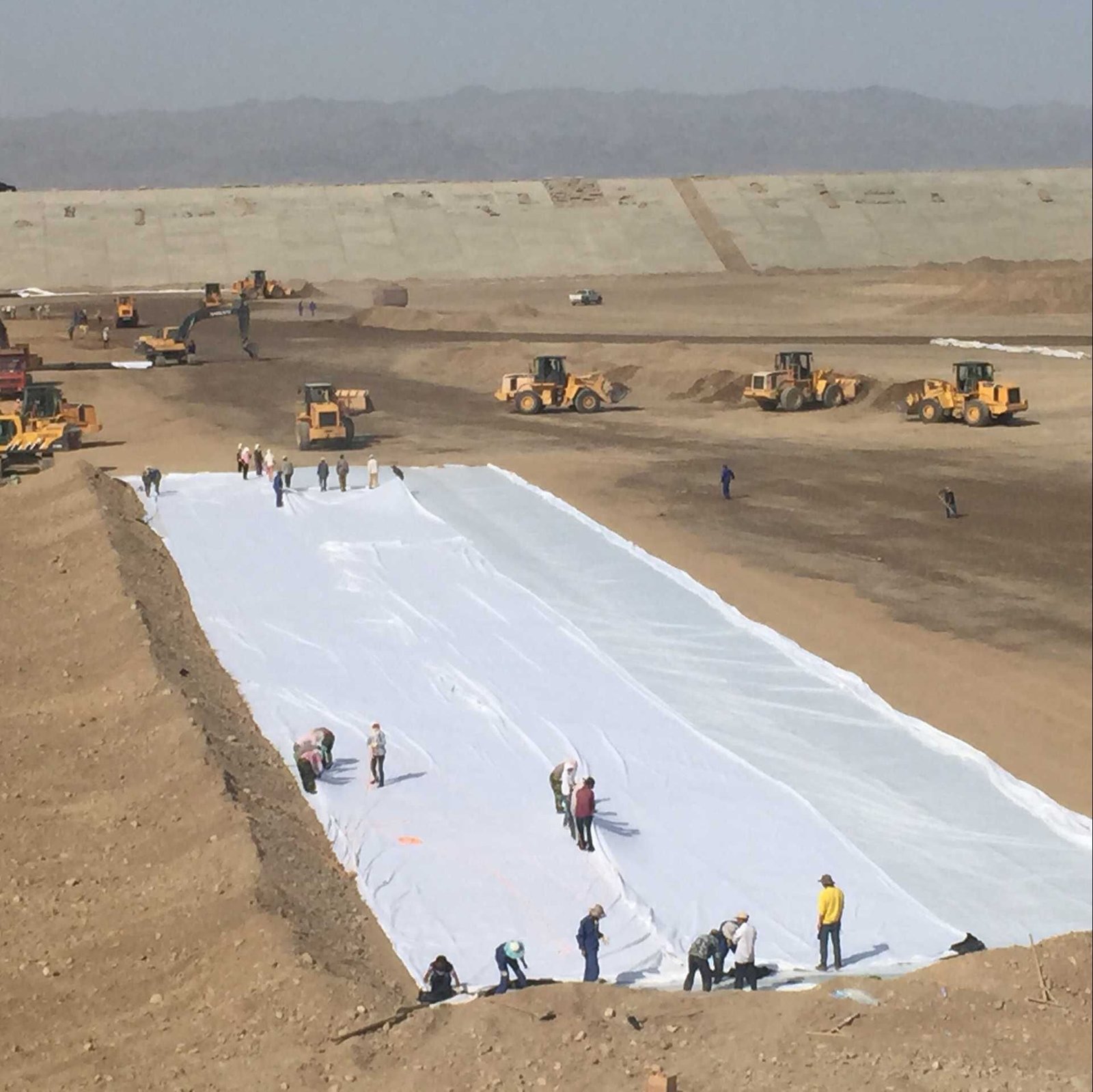
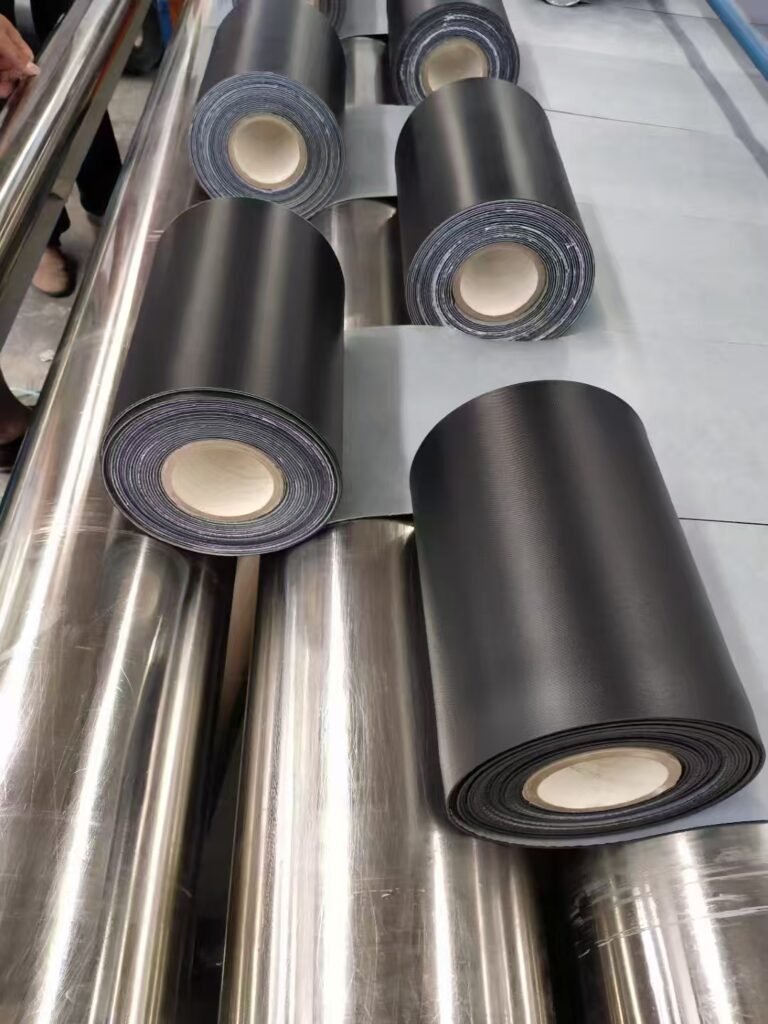
EPDM geomembranes are typically seamed with proprietary adhesive tapes or specialized bonding systems rather than thermal welding. Overlaps of 100–150 mm are common. Factory-fabricated large panels significantly reduce field joints and associated leak risk. The material’s high elasticity allows it to accommodate differential settlement and thermal movement without permanent deformation. Underlayment (non-woven geotextile) is recommended on rough subgrades to enhance puncture resistance. Because EPDM remains flexible at low temperatures, installation can proceed in colder conditions than is practical for many thermoplastic sheets.
When to Consider HDPE Alternatives – BPM Geosynthetics Advantages
While EPDM geomembranes deliver outstanding flexibility and weathering performance, many containment projects demand higher mechanical strength, broader chemical resistance, or lower long-term permeability under sustained hydraulic heads. In these cases, GRI-GM13-compliant HDPE membrane sheets provide a complementary or superior solution.
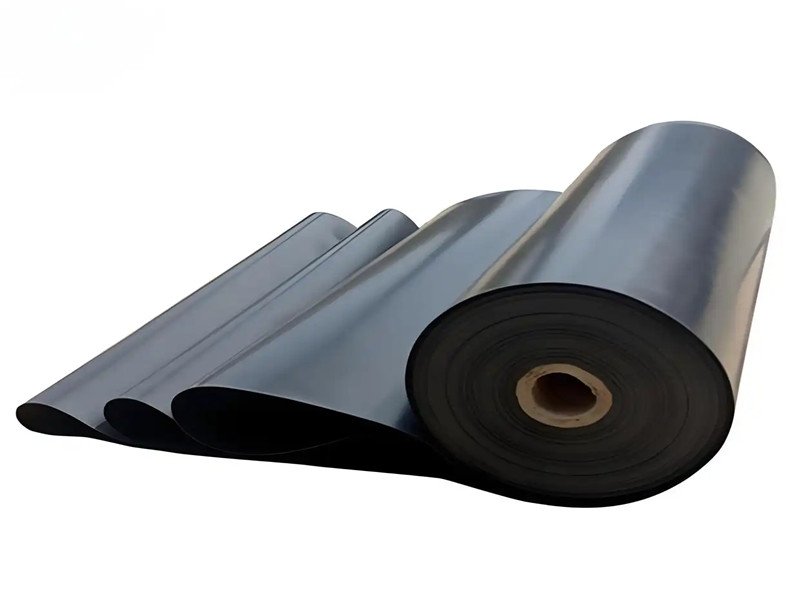
The Project Material Co., Ltd. (BPM Geosynthetics) manufactures Smooth HDPE Geomembrane Liners from virgin resin with 2.0–3.0 % carbon black. Available thicknesses span 0.5–3.0 mm. Representative 1.5 mm properties include density 0.94 g/cm³, tensile yield strength 22 kN/m, break strength 40 kN/m, elongation ≥ 700 %, tear resistance 187 N, puncture resistance 480 N (scaling to 960 N at 3.0 mm), stress-crack resistance ≥ 500 h, and high-pressure OIT ≥ 400 min. Permeability is typically ≤ 1 × 10⁻¹¹ cm/s or lower—significantly more impermeable under high heads than many elastomeric sheets.
BPM’s approximately 7 m roll widths reduce field seams. Tight thickness tolerance ensures consistent hot-wedge welding performance (seam strengths routinely 85–98 % of parent material). Full third-party documentation, ISO 9001 systems, and CE marking provide international traceability. Production capacity supports large landfill, mining, industrial, and water-storage contracts with competitive pricing and reliable delivery across more than 80 countries.
Engineers select BPM Smooth HDPE Geomembrane Liners when projects require:
- Superior resistance to aggressive leachates, hydrocarbons, or industrial chemicals
- Higher puncture and tensile strength under overburden or equipment loads
- Documented multi-decade buried service life under GRI-GM13
- Thermal welding with quantifiable dual-track seam testing
- Cost-effective large-area coverage with wide rolls
In hybrid designs, EPDM may be used for complex aesthetic water features while BPM HDPE provides the primary chemical and mechanical barrier for process ponds, secondary containment, or landfill cells.
Application Guidance – Matching Material to Project Needs
Specify EPDM geomembranes for:
- Decorative, garden, and wildlife ponds
- Aquaculture and fish hatcheries (fish-safe formulations)
- Complex geometry or highly irregular subgrades
- Exposed applications prioritizing long-term UV and ozone resistance
- Projects where adhesive seaming and high elasticity simplify installation
Specify BPM HDPE membrane sheets for:
- Primary landfill liners and caps
- Mining heap-leach pads and process ponds
- Industrial chemical and wastewater containment
- High-overburden or mechanically demanding sites
- Applications requiring the lowest achievable permeability and longest buried design life
Decision criteria should include chemical exposure profile, mechanical loading, subgrade condition, temperature range, installation method preference, regulatory requirements, and total installed cost over the design life.
Conclusion
The top six EPDM geomembranes of 2026—Firestone PondGard/GeoGard, Carlisle AquaTough/Sure-Tough, Elevate GeoGard, Anjon/LifeGuard, Versico/specialty reinforced grades, and high-performance regional EPDM products—deliver exceptional flexibility, weathering resistance, and suitability for ponds, water features, and selected containment applications. Typical properties include tensile strengths of 9–12 MPa, elongation ≥ 300–500 %, excellent low-temperature performance, and service lives of 20–50 years in exposed conditions.
For projects demanding higher chemical resistance, puncture strength, impermeability under sustained heads, or multi-decade buried performance, the Smooth HDPE Geomembrane Liner from The Project Material Co., Ltd. (BPM Geosynthetics) provides a proven GRI-GM13-compliant alternative. With tensile properties scaling to 40 kN/m break strength at 1.5 mm, puncture resistance of 480 N (and higher in thicker grades), and extremely low permeability, BPM HDPE liners complement or replace EPDM where mechanical and chemical demands exceed the capabilities of elastomeric sheets.
When selecting between EPDM geomembranes and HDPE membrane sheets, prioritize verified test data, chemical compatibility, mechanical loading, installation method, and long-term performance requirements. For detailed technical data sheets, project quotations, or guidance on choosing the optimal impermeable liner for your containment needs, contact The Project Material Co., Ltd. (BPM Geosynthetics). Their Smooth HDPE Geomembrane Liner series is engineered to deliver reliable, long-lasting performance in the most demanding environmental, mining, industrial, and water-management applications.