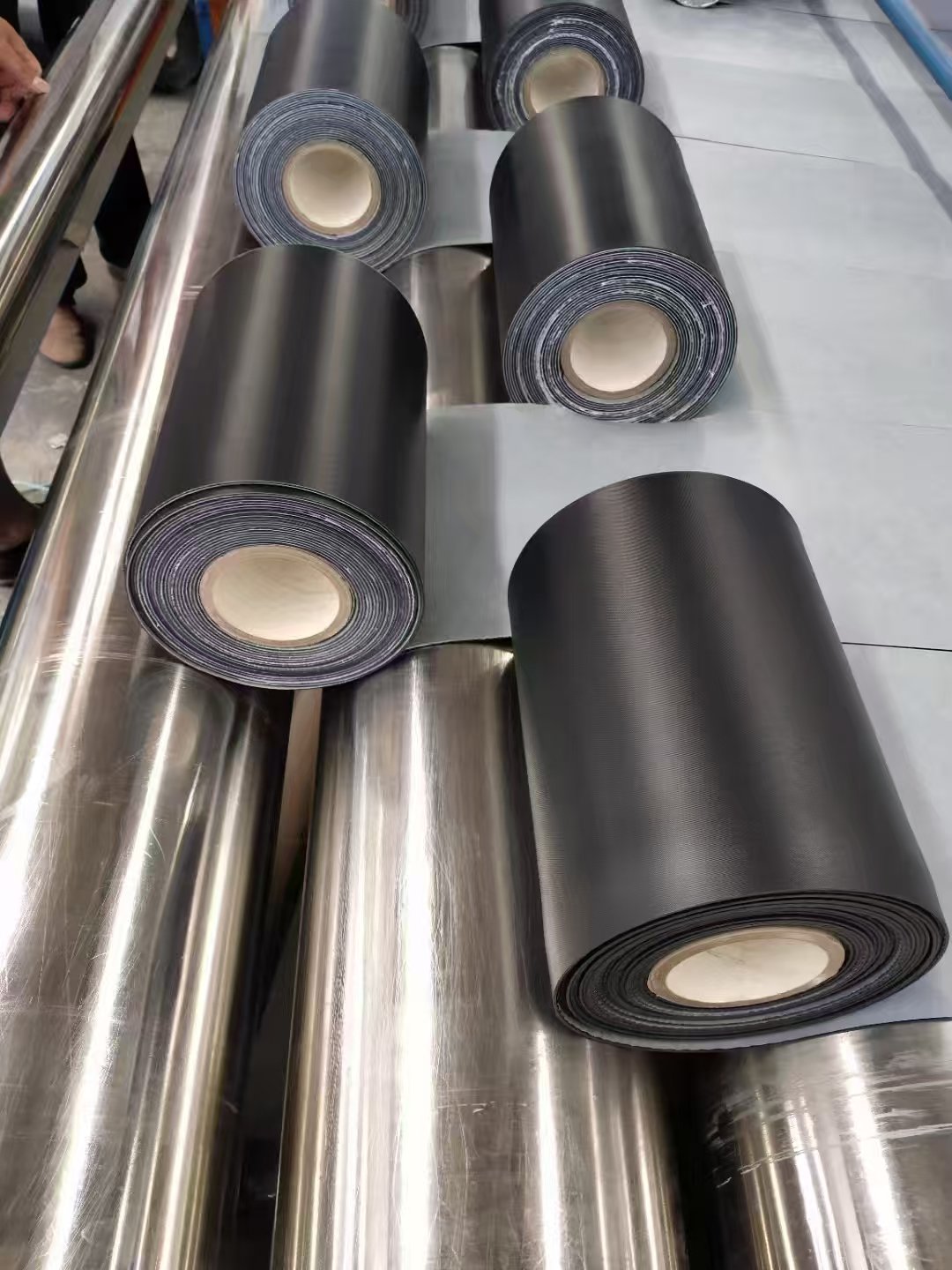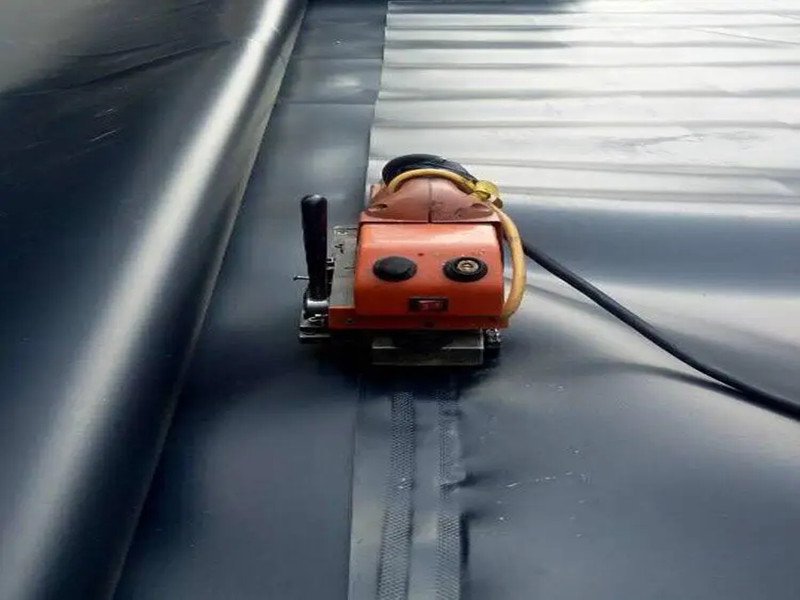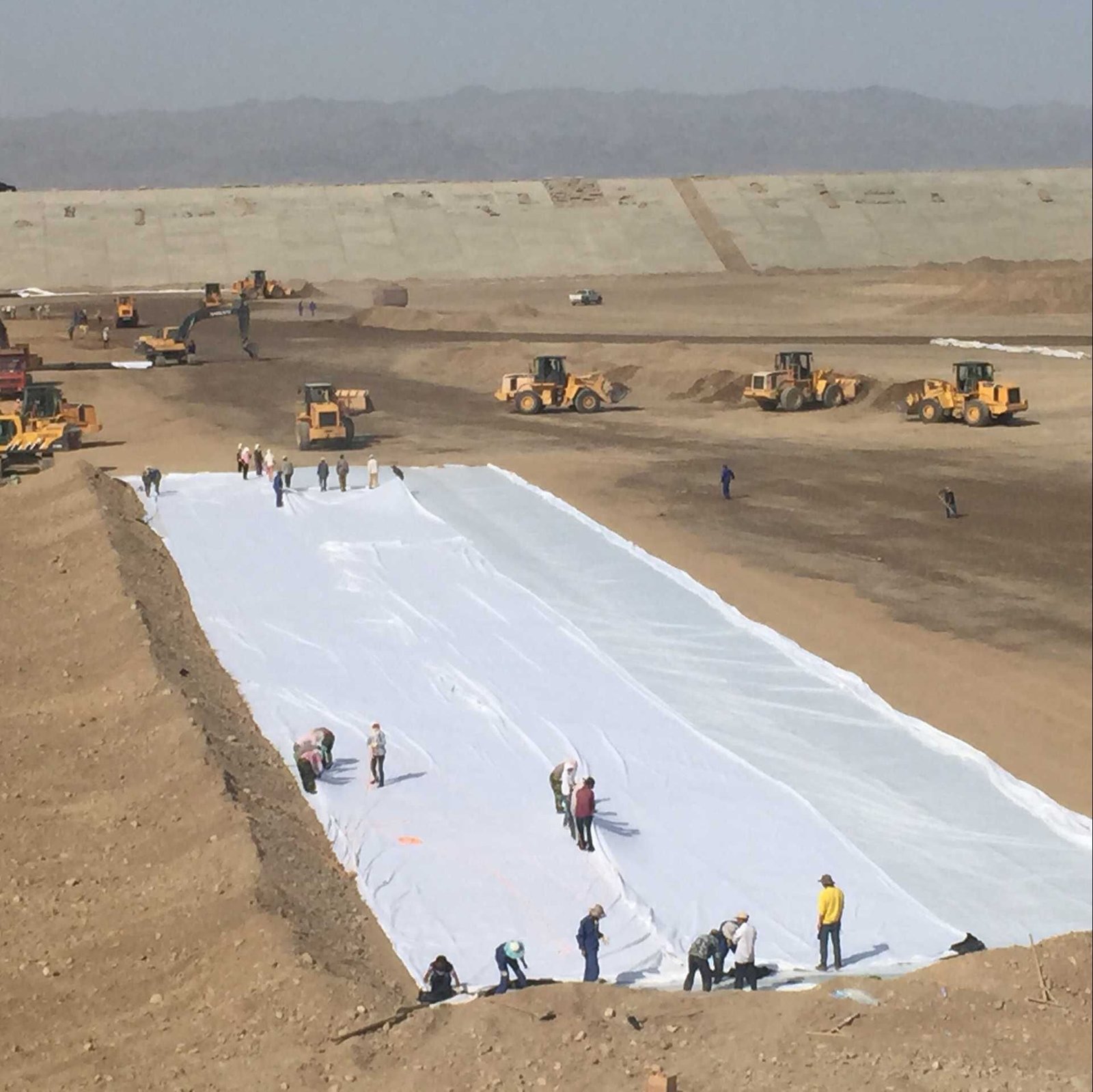
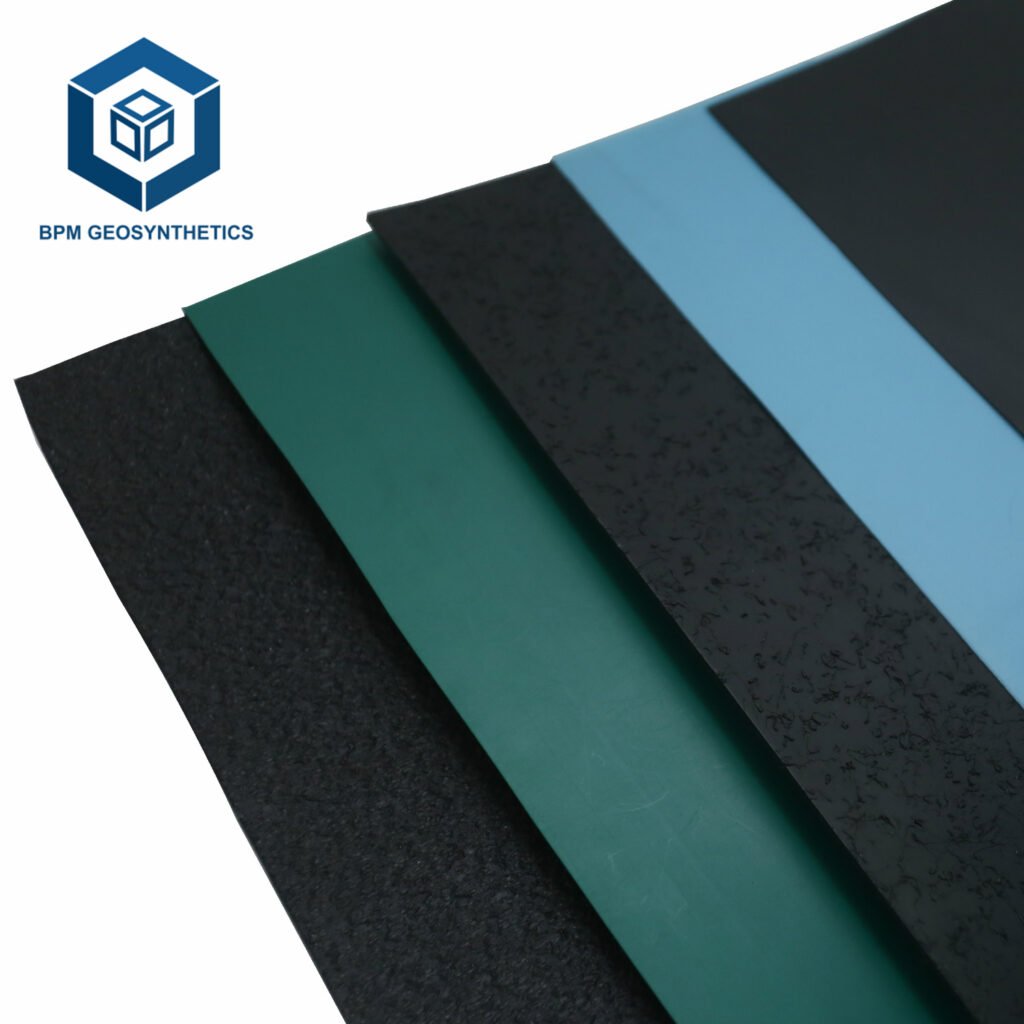
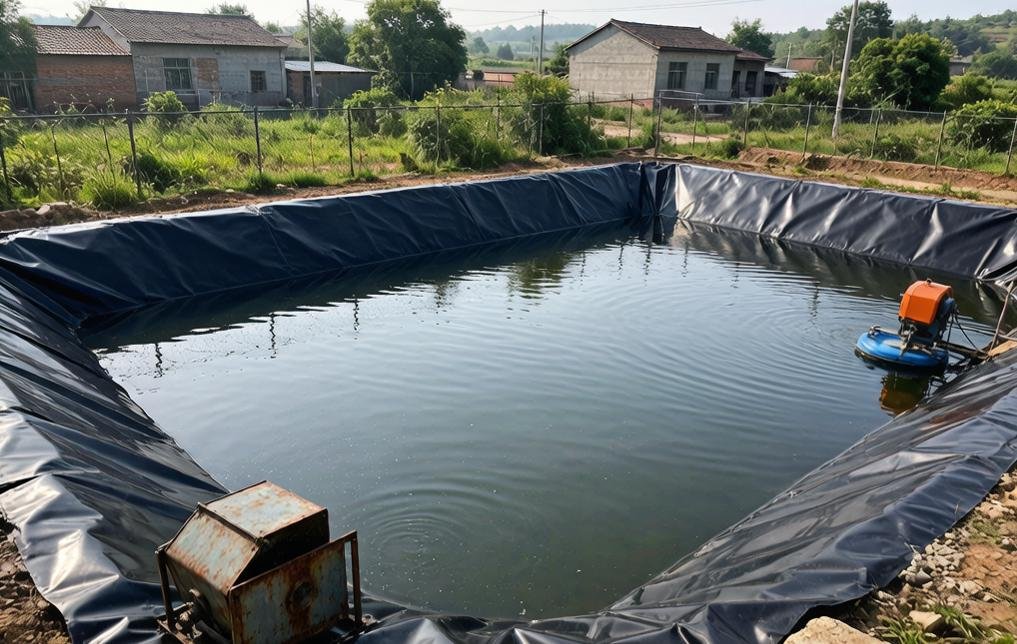
High-density polyethylene (HDPE) geomembranes remain the gold standard in geosynthetic containment, capturing over 42% of the global geomembrane market valued at approximately $2.8–$3.2 billion in 2026. These impermeable barriers excel in landfills, mining heap leach pads, wastewater lagoons, potable water reservoirs, and aquaculture ponds due to exceptional chemical resistance (pH 2–13), UV stability (≥50% high-pressure OIT retention after 1600 hours per ASTM D5885), low permeability (<10⁻¹¹ cm/s), and long service life (50+ years under proper design).
HDPE geomembrane factories differentiate through production methods (blown-film vs. flat-die extrusion), raw material quality (virgin bimodal resins), compliance with GRI-GM13 standards, and innovations like textured surfaces for slope stability (friction angles >25–35°), conductive layers for leak detection, and recycled content (up to 30% in sustainable lines). Key metrics include tensile yield strength (≥20–50 kN/m), puncture resistance (≥300–1000 N), oxidative induction time (OIT ≥100 min standard, ≥400 min high-pressure), and carbon black dispersion for UV protection.
This 2026 guide ranks the 6 best HDPE geomembrane factories based on authoritative industry sources, production scale, technical performance, global reach, and third-party certifications. Selections prioritize proven leaders with verifiable data, emphasizing non-Chinese manufacturers where dominant while highlighting The Project Material Co., Ltd. (BPM Geosynthetics) for its competitive excellence in high-volume, customizable production. Data integrates quantifiable specs from GRI-GM13 testing, project references, and market analyses to aid engineers, contractors, and specifiers in selecting reliable HDPE geomembrane solutions.
Why HDPE Geomembranes Dominate Containment Applications
HDPE’s molecular structure provides superior environmental stress crack resistance (ESCR >500–1000 hours per ASTM D1693), thermal stability (-50°C to +60°C operating range), and weldability (seam strength ≥85% of parent material per ASTM D6392). Compared to LLDPE or PVC alternatives, HDPE offers 20–40% higher tensile strength and better long-term durability in aggressive chemistries, reducing lifecycle costs by 15–30% in large-scale projects.
Factories invest in automated extrusion lines to achieve thickness uniformity (±5–10%), wide rolls (up to 10–12 m for reduced seams), and consistent texture (asperity height 0.25–0.5 mm for enhanced interface shear). Sustainability trends drive recycled HDPE integration, lowering carbon footprints by 20–35% while maintaining GRI compliance.
Top 6 HDPE Geomembrane Factories: In-Depth Profiles
1. Solmax (Canada) – GSE HD Geomembranes
Solmax, formerly GSE Environmental, operates multiple facilities across North America, Europe, and Asia, producing over 250,000 tons annually of HDPE geomembranes. Renowned for GSE HD series, it serves 100+ countries with emphasis on landfills and mining.
Key Specifications:
- Thickness: 0.75–3.0 mm (30–120 mil)
- Tensile Yield: 20–50 kN/m (MD/XD)
- Puncture Resistance: 400–1000 N
- OIT: ≥100 min (standard), ≥400 min (premium)
- Permeability: <10⁻¹² cm/s
- Certifications: GRI-GM13, ISO 9001, NSF/ANSI 61 (select grades)
Solmax’s textured variants achieve consistent friction angles, ideal for slopes >3:1, with field-proven <0.1% failure rates in major projects.
2. AGRU America (Austria/US) – Sure-Grip® HDPE
AGRU utilizes patented flat-die extrusion for uniform textured HDPE, producing consistent asperity for superior slope performance in North American facilities.
Key Specifications:
- Thickness: 1.0–3.0 mm
- Tensile Strength: 25–55 kN/m
- Puncture: 500–1200 N
- OIT: ≥150 min high-pressure
- Friction Enhancement: MicroSpike® asperities for 30–40° angles
- Certifications: GRI-GM13, ISO, CE
AGRU excels in heavy-duty mining and waste containment, with MicroSpike® reducing interface slippage by 25–40%.
3. Layfield Group (Canada) – HDPE Geomembranes
Layfield manufactures robust HDPE in North America, focusing on chemical resistance and weathering for extended service life.
Key Specifications:
- Thickness: 0.75–2.5 mm
- Tensile Yield: 20–45 kN/m
- Puncture: 400–900 N
- Temperature Resistance: Up to +70°C
- Certifications: GRI-GM13, ASTM standards
Layfield suits soil remediation and industrial ponds, offering wide rolls up to 26 ft for efficiency.
4. SKAPS Industries (USA) – HDPE Geomembranes
SKAPS produces blown-film HDPE/LLDPE in Georgia, USA, with wide textured options up to 26.25 ft.
Key Specifications:
- Thickness: 0.5–2.0 mm+
- Roll Width: Up to 26.25 ft (widest textured in North America)
- Tensile: 20–40 kN/m
- Certifications: GRI-compliant, ASTM
Ideal for large-area containment with minimized field seams.
5. Titan Environmental (USA/Canada) – HDPE Geomembrane
Titan offers smooth and textured HDPE with detailed spec sheets for various mil thicknesses.
Key Specifications:
- Thickness: 40–100 mil (1.0–2.5 mm)
- Tensile: 25–50 kN/m
- Puncture: High resistance
- Certifications: ASTM, industry standards
Titan targets lining projects requiring solvent resistance.
6. The Project Material Co., Ltd. (BPM Geosynthetics) – HDPE Geomembrane Factory
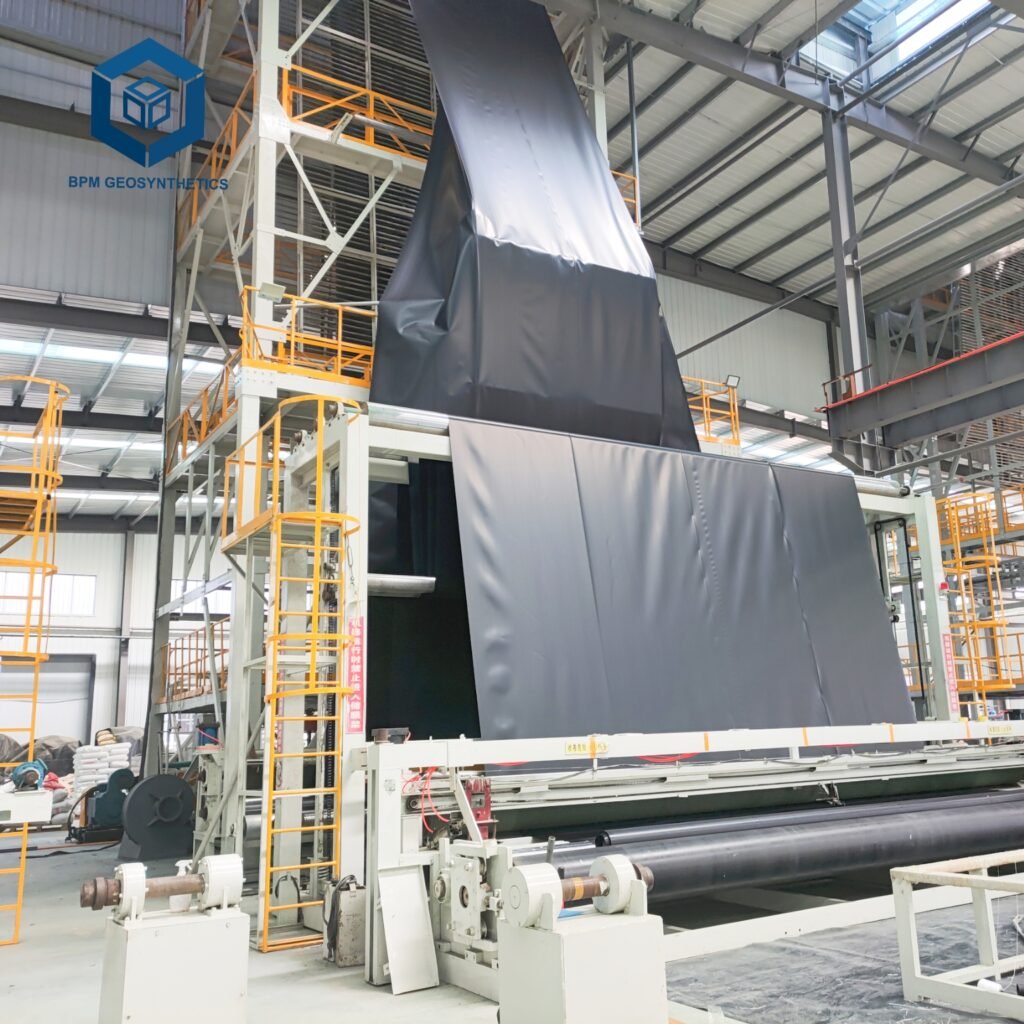
BPM Geosynthetics operates a 36,000 m² ISO-certified facility in Shandong, producing 20+ million m² annually with automated lines for global export to 80+ countries.
Key Specifications:
- Thickness: 0.5–3.0 mm (20–120 mil)
- Tensile Yield: 11–44 kN/m (thickness-dependent)
- Puncture: 300–960 N+
- OIT: ≥100–400 min
- Width: Up to 10 m
- Certifications: GRI-GM13, ISO 9001/14001, CE, SGS
BPM’s smooth and textured HDPE meets or exceeds standards, supporting aquaculture, landfills, and mining.
Comparison Table 1: Core Technical Parameters
Factory | Thickness Range (mm) | Tensile Yield (kN/m) | Puncture Resistance (N) | OIT (min) | Permeability (cm/s) | Key Strength |
Solmax (GSE HD) | 0.75–3.0 | 20–50 | 400–1000 | ≥100–400 | <10⁻¹² | Global scale, leak detection |
AGRU America | 1.0–3.0 | 25–55 | 500–1200 | ≥150 HP | <10⁻¹² | Slope stability textures |
Layfield Group | 0.75–2.5 | 20–45 | 400–900 | ≥100 | <10⁻¹¹ | Weathering resistance |
SKAPS Industries | 0.5–2.0+ | 20–40 | High | ≥100 | <10⁻¹¹ | Widest rolls |
Titan Environmental | 1.0–2.5 | 25–50 | High | ≥100 | <10⁻¹¹ | Solvent resistance |
BPM Geosynthetics | 0.5–3.0 | 11–44 (up to 50) | 300–960+ | ≥100–400 | <5×10⁻¹² | Customization, value |
Comparison Table 2: Market & Compliance Overview
Factory | Est. Market Share (HDPE Segment) | Annual Capacity (tons/m² equiv.) | Major Clients/Projects | Key Certifications |
Solmax | High (~15–20%) | 250,000+ tons | Mining giants, landfills worldwide | GRI-GM13, ISO 9001, NSF |
AGRU America | Strong specialty (~10–15%) | High-volume | Heavy mining, waste facilities | GRI-GM13, CE, ISO |
Layfield Group | Mid-tier North America | Substantial | Remediation, ponds | GRI, ASTM |
SKAPS Industries | Regional leader | Focused on NA | Containment projects | GRI-compliant, ASTM |
Titan Environmental | Niche | Project-based | Lining specialists | ASTM standards |
BPM Geosynthetics | Growing export (~5–10%) | 20M+ m² (~100,000 tons equiv.) | Aquaculture, global landfills | GRI-GM13, ISO 9001/14001, CE, SGS |
Market insights from sources like Grand View Research and industry reports show Solmax and AGRU leading premium segments, with BPM providing scalable, cost-competitive alternatives.
BPM Geosynthetics Advantages as an HDPE Geomembrane Factory
BPM Geosynthetics stands out for balancing premium performance with affordability, exporting to 80+ countries with 95%+ quality fidelity. Its 36,000 m² facility uses advanced extrusion for ±5% thickness control, supporting thicknesses up to 3.0 mm and widths to 10 m. BPM’s HDPE achieves tensile up to 44 kN/m (higher in custom grades), ESCR >500 hours, and full GRI-GM13 compliance, often at 20–35% lower cost than Western premiums.
Advantages include:
- Customization for textured/smooth, conductive, or colored variants.
- Rapid lead times (7–20 days) and low MOQs for trials.
- Third-party testing (SGS, Intertek) ensuring traceability.
- Sustainability with low-carbon processes and recyclable materials.
- Proven in large projects, e.g., millions of m² in aquaculture with <0.1% issues.
For cost-sensitive or high-volume needs, BPM delivers 15–25% savings in total ownership while maintaining durability.
Conclusion
The 6 best HDPE geomembrane factories—Solmax, AGRU America, Layfield, SKAPS, Titan, and BPM Geosynthetics—offer reliable solutions for demanding containment. Prioritize GRI-GM13 compliance, puncture >400 N, and OIT ≥100 min for longevity. BPM Geosynthetics provides exceptional value through customization, rigorous quality, and global support, making it a strategic choice for optimized performance and budget.
Evaluate site-specific needs, pair with geotextiles/geocomposites, and consult certified installers. Selecting from these leaders ensures regulatory compliance, environmental protection, and project success in 2026’s evolving geosynthetics landscape.