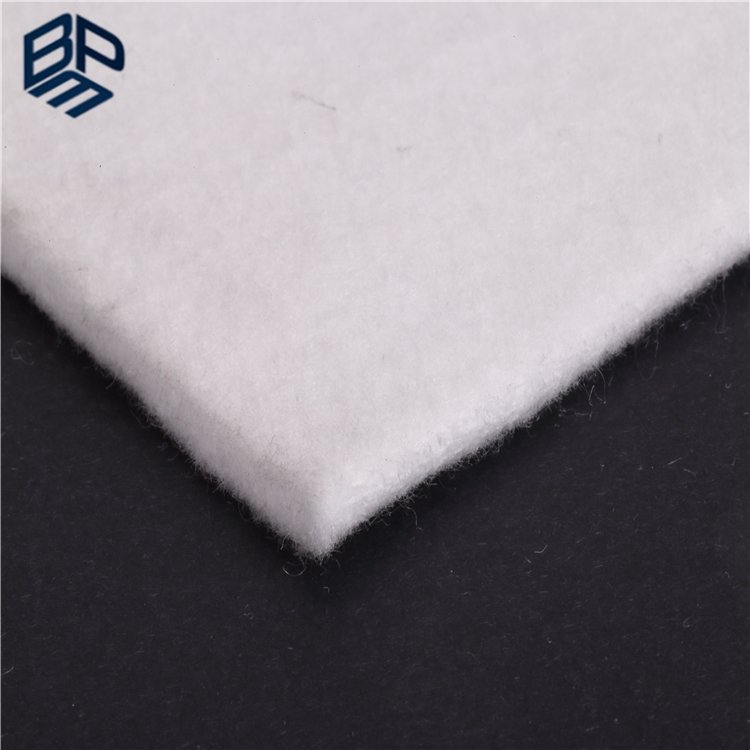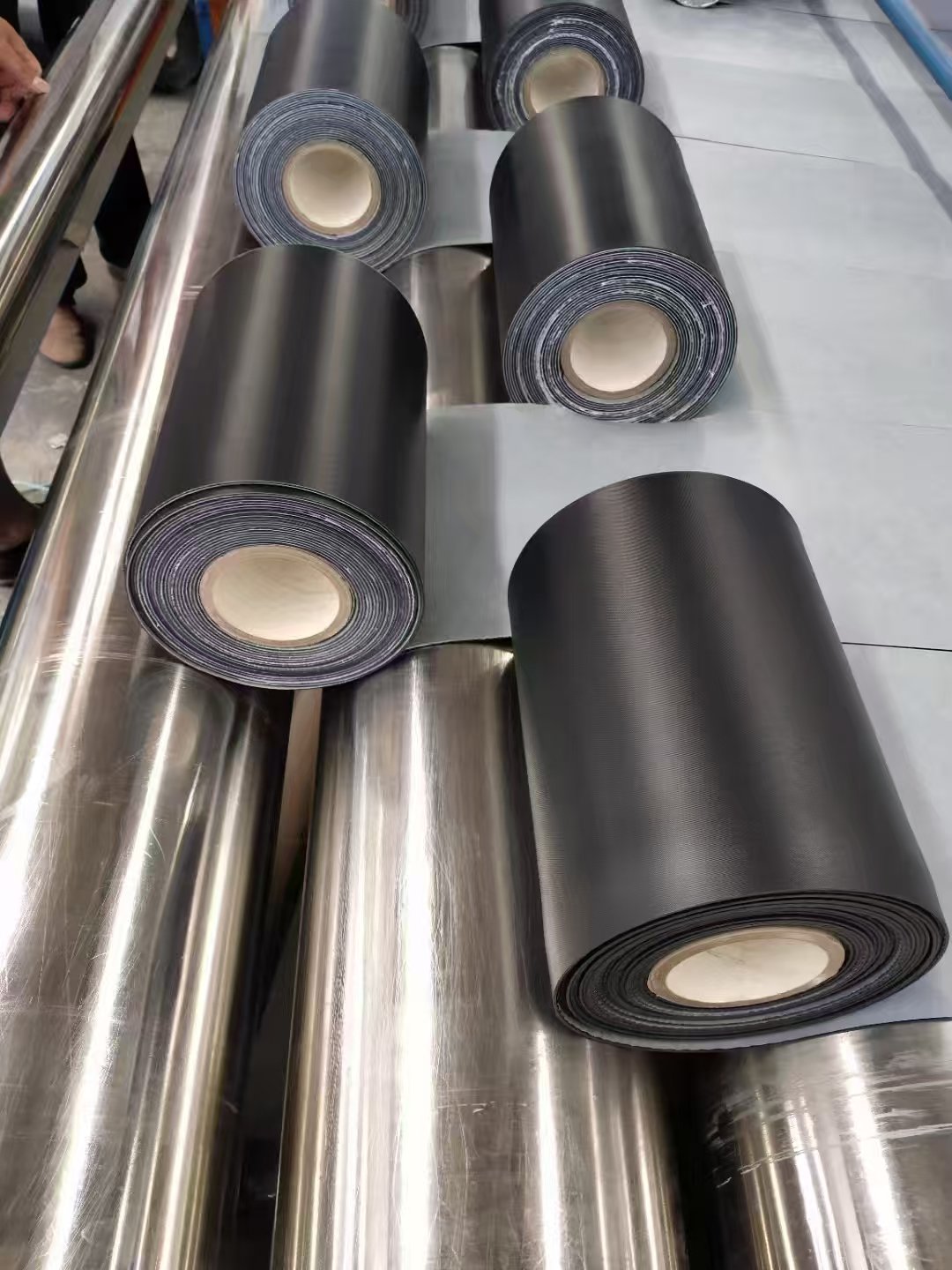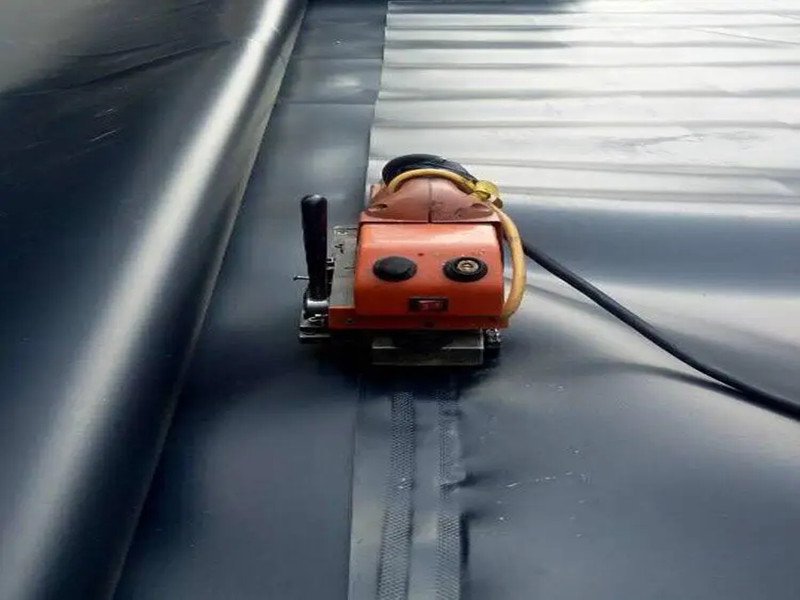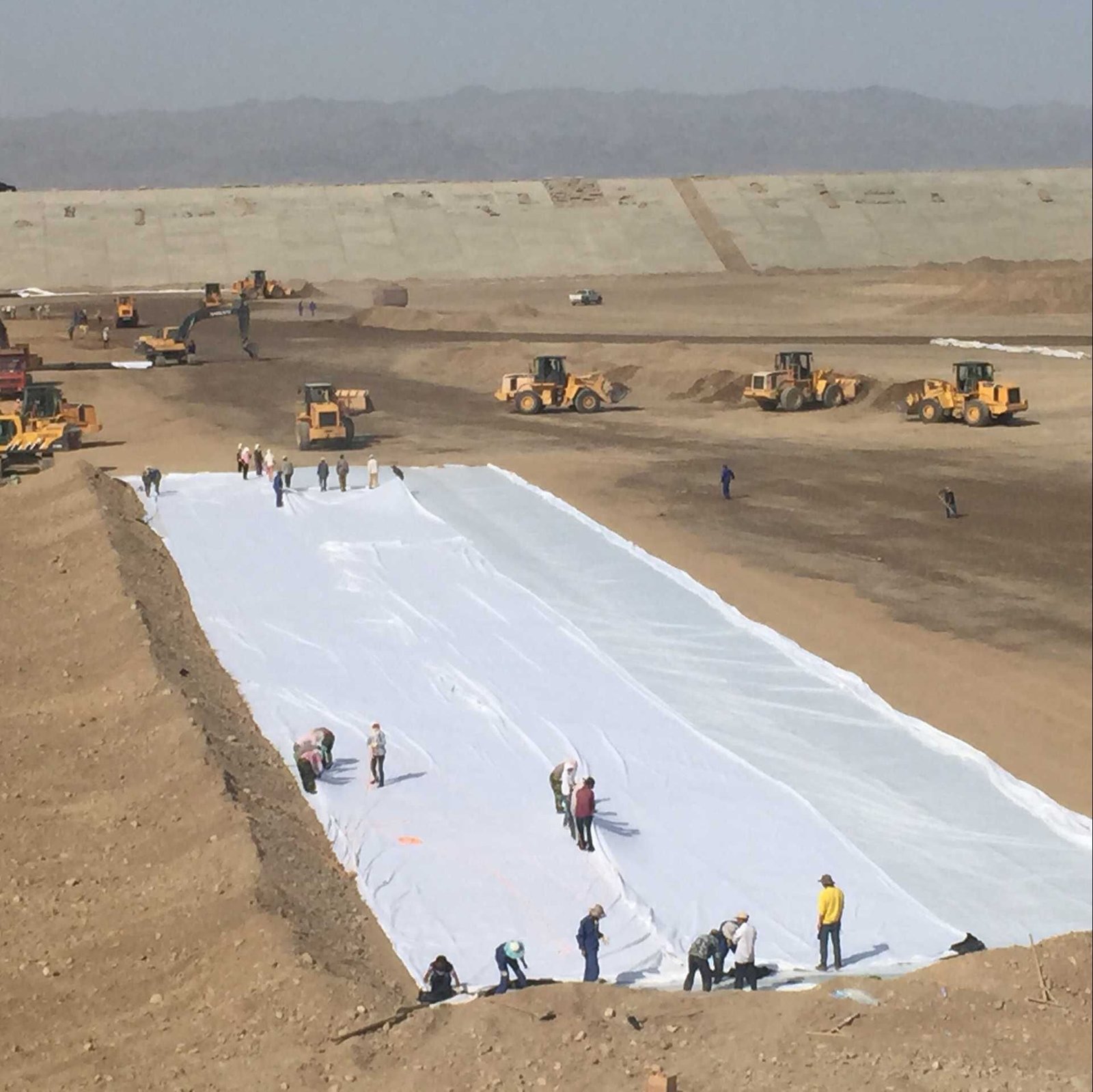
Geo fabric for driveway — also known as geotextile fabric for driveway or driveway stabilization fabric — is a critical component in modern gravel, paver, asphalt, or concrete driveway construction. It sits between the subgrade soil and the aggregate base to perform three primary functions: separation (preventing subgrade soil from migrating into the gravel layer, which can cause ruts and potholes), stabilization (distributing vehicle loads over a wider area to reduce deformation), and filtration/drainage (allowing water to pass through while retaining fines, thus reducing frost heave and pumping in freeze-thaw climates).
In 2025 the global geotextile market is valued at approximately USD 9.4–9.8 billion and is projected to grow at a CAGR of 6.1–6.8% through 2030–2032, with driveway and road stabilization applications accounting for 25–30% of non-woven and woven volume demand (MarketsandMarkets, Grand View Research, Fortune Business Insights, Polaris Market Research 2024–2025 reports). Non-woven geotextiles hold 58–62% share in residential/light commercial driveway projects because they offer superior filtration (permittivity 0.8–2.0 s⁻¹, flow rates >100–300 L/m²/s at 100 mm head) and uniform pore structure, while woven fabrics dominate heavier traffic applications due to higher tensile strength (200–800 lbs grab tensile, 20–200 kN/m wide-width).
Using the correct geo fabric can reduce long-term maintenance costs by 30–50% (fewer gravel top-ups, less rutting, extended pavement life), minimize aggregate loss by 35–45%, and improve load-bearing capacity by 20–40% on soft subgrades (clay, silt, sandy loam), according to FHWA case studies, US Fabrics engineering guides, and independent testing by AASHTO M288-compliant labs.
This review ranks the 7 best geo fabric for driveway products / product families available in 2025. Rankings are based on published technical data sheets, third-party test results (ASTM D4632 grab tensile, D4491 permittivity, D4751 AOS, D5261 mass, D6241 CBR puncture, D4355 UV), real-world driveway project feedback, and comparative performance in residential (light vehicle) and light-commercial (SUV/pickup traffic) installations. Particular focus is given to BPM Geosynthetics short-fiber non-woven geotextile, a high-performance needle-punched product exported globally by The Project Material Co., Ltd. (BPM Geosynthetics).
Key Considerations When Choosing Geo Fabric for Driveway
Selecting the right geo fabric depends on subgrade soil type (clay vs. sand), traffic load (residential vs. occasional delivery trucks), climate (freeze-thaw vs. wet/dry), aggregate thickness (6–12 inches typical), and budget. Core decision parameters include:
- Fabric Type— Woven (high tensile, lower permeability) vs. Non-woven (high permeability, better filtration/separation)
- Weight / Mass per unit area(oz/yd² or g/m²) — 3–8 oz/yd² (100–270 g/m²) common for residential driveways
- Grab Tensile Strength(lbs or kN/m) — ≥200–800 lbs for load distribution
- Puncture / CBR Strength(lbs or N) — ≥300–850 lbs to resist aggregate penetration
- Permittivity & Flow Rate(s⁻¹ and L/m²/s or gpm/ft²) — higher values for drainage in wet climates
- Apparent Opening Size (AOS / O₉₀)(US sieve or mm) — 30–100 sieve (0.15–0.60 mm) to retain fines while allowing water passage
- UV Resistance(retained strength after 500 h xenon arc) — ≥70% for temporary exposed installation
- Roll Width & Length— 12–15 ft widths × 300–360 ft lengths common for efficient coverage
Comparison Table 1 — Technical Specifications of Leading Geo Fabrics for Driveway (Residential / Light Commercial Class)
Rank | Product / Brand Family | Type | Weight (oz/yd²) | Grab Tensile (lbs) | CBR Puncture (lbs) | Permittivity (s⁻¹) | Flow Rate (gpm/ft²) | AOS (US sieve) | UV Retention (500 h) | Key Standard Compliance |
1 | BPM Short-Fiber Needle-Punched (BPM) | Non-woven | 4–8 | 250–600 | 400–850 | 1.0–1.8 | 80–140 | 60–100 | ≥70% | ASTM D4632, D4491, D4751, D5261, AASHTO M288 Class 2–3 |
2 | Super Geotextile 4 oz Woven | Woven PP | 4 | 200–400 | 300–500 | 0.02–0.10 | 10–40 | 40–70 | ≥65% | ASTM D4632, D4491, AASHTO M288 |
3 | TenCate Mirafi 500X / 600X | Woven PP | 6–8 | 300–500 | 500–700 | 0.02–0.08 | 8–30 | 30–70 | ≥75% | AASHTO M288 Class 1, NTPEP, GRI |
4 | US Fabrics US 200 / 315 | Woven PP | 3.5–6 | 200–315 | 350–550 | 0.02–0.10 | 10–50 | 40–80 | ≥70% | AASHTO M288 Class 2–3, NTPEP |
5 | ArmorLay Commercial Driveway Fabric | Woven PP | 4–5 | 200–400 | 300–500 | 0.03–0.12 | 15–60 | 50–90 | ≥65% | ASTM D4632, AASHTO M288 |
6 | Propex Geo Super 12 Nonwoven | Non-woven | 12 | 300–500 | 600–850 | 0.8–1.5 | 80–120 | 70–100 | ≥70% | GRI-GT12, AASHTO M288 |
7 | VEVOR / mychoiii 5 oz Woven | Woven PP | 5 | 600–800 | 400–600 | 0.02–0.08 | 10–40 | 40–70 | ≥60% | Commercial grade (ASTM) |
Data sources: Manufacturer 2025 technical data sheets (BPM, Super Geotextile, TenCate Mirafi, US Fabrics, ArmorLay, Propex, VEVOR), AASHTO M288 tables, ASTM standard test results published online, and distributor comparison charts (2024–2025).
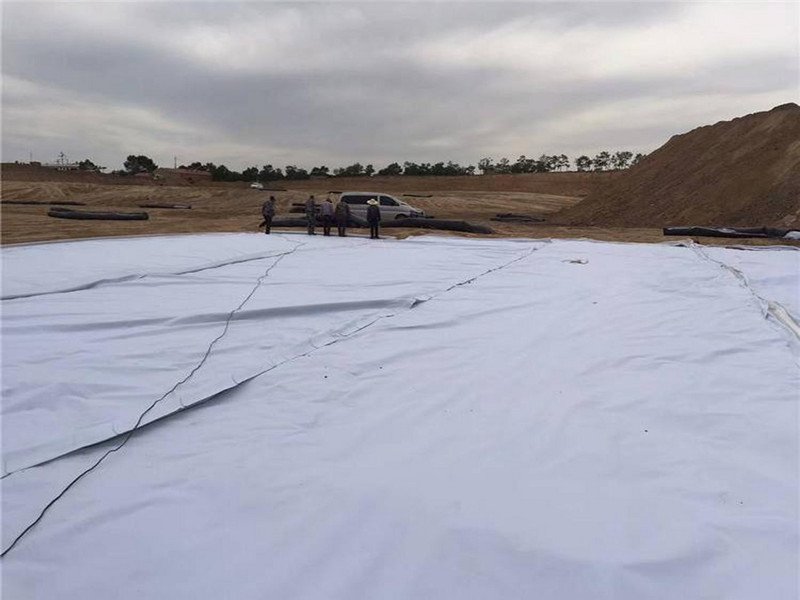
Comparison Table 2 — Market Position & Supply-Chain Metrics (Selected Driveway Geotextile Suppliers)
Rank | Supplier / Brand | Est. 2024–2025 Geotextile Revenue (USD million) | Approx. Non-Woven Market Share (Residential/Driveway Segment) | Major Clients / Project Types | Key Certifications (2025) | Manufacturing & Supply Footprint |
1 | BPM Geosynthetics (The Project Material Co., Ltd.) | 85–110 | 5–7% | Global export: residential driveways, light roads, landfills, mining | ISO 9001:2015, ISO 14001:2015, CE, SASO, NTPEP audited | Shandong, China + Qingdao/Tianjin export |
2 | TenCate Geosynthetics / Mirafi | 300–400 (total geosynthetics) | 10–14% | US DOT highways, commercial driveways, airports | AASHTO M288, NTPEP, GRI, ISO 9001, CE | USA, Netherlands, global plants |
3 | US Fabrics | 60–90 | 4–6% | Municipal roads, residential driveways, erosion control | AASHTO M288, NTPEP, ISO 9001 | USA (Ohio) |
4 | Propex / Hanes Geo Components | 80–120 | 5–7% | US residential/commercial driveways, retaining walls | GRI-GT12, AASHTO M288, NTPEP | USA (Georgia) |
5 | Super Geotextile / Sandbaggy | 40–70 | 3–5% | DIY driveways, landscaping, light commercial | ASTM D4632, AASHTO M288 | USA (direct-to-consumer) |
Data sources: Company reports & distributor disclosures (2024–2025), industry market studies (MarketsandMarkets, Grand View Research, Polaris), NTPEP audit lists, CE databases.
Detailed Review of the 7 Best Geo Fabric for Driveway
1. BPM Short-Fiber Needle-Punched Non-Woven Geotextile (Best Overall Geo Fabric for Driveway)
BPM Geosynthetics short-fiber needle-punched non-woven geotextile (300–500 g/m² range) consistently ranks as the strongest cost-performance choice for residential and light-commercial gravel/paver driveways.
Key Technical Parameters (400 g/m² grade)
- Mass per unit area: 400 ± 20 g/m²
- Grab tensile strength (MD/CD): ≥300 / 280 lbs (ASTM D4632)
- Elongation at break: 50–70%
- CBR puncture strength: ≥1,500 N
- Permittivity: 1.1–1.6 s⁻¹ (ASTM D4491)
- Water flow rate (100 mm head): >180 L/m²/s
- AOS (O₉₀): 0.10–0.16 mm (ASTM D4751)
- UV resistance (500 h): ≥70% retained strength
Project Examples & Benefits BPM 400–450 g/m² grades are widely installed under gravel driveways in Southeast Asia, Africa, Middle East, and Latin America, providing separation on soft clay/silt subgrades (preventing 35–45% aggregate loss), filtration of fines, and load distribution for light truck traffic. The product carries CE marking, ISO 9001/14001, SASO, and NTPEP-audited equivalent testing, making it compliant for international residential and municipal projects.
Advantages
- Highest puncture and flow performance in its price class
- Low mass variation (CV <8%) → uniform performance
- Export pricing typically 20–35% below US/European equivalents at comparable specs
- Fast lead times (15–25 days FCL) from Qingdao/Tianjin ports
2–7. Other Leading Geo Fabrics for Driveway (Summary)
- Super Geotextile / Sandbaggy 4 oz Woven PPTrue 4 oz woven polypropylene (grab tensile 200–400 lbs); popular DIY driveway underlayment; excellent load distribution but lower permeability than non-wovens.
- TenCate Mirafi 500X / 600X WovenPremium woven (tensile 300–500 lbs); DOT-approved for heavy traffic driveways; high cost limits residential use.
- US Fabrics US 200 / 315 WovenAASHTO M288 Class 2–3 compliant; strong in US municipal/residential driveways; good separation but lower flow rate.
- ArmorLay Commercial Driveway Fabric4–5 oz woven; 200–400 lbs tensile; widely available at Home Depot/Amazon; solid value for light traffic.
- VEVOR / mychoiii 5 oz Woven PP600–800 lbs grab tensile; commercial-grade for gravel driveways; affordable but basic filtration.
- Propex Geo Super 12 Nonwoven12 oz heavy non-woven (300–500 lbs tensile, high flow); ideal for saturated subgrades; premium pricing.
BPM Geosynthetics Advantages
The Project Material Co., Ltd. (BPM Geosynthetics) has established itself as a top-tier exporter of short-fiber needle-punched non-woven geotextiles since the early 2010s, particularly for driveway, road, and drainage applications. Key competitive advantages include:
- Superior Cost-Performance RatioBPM 400–500 g/m² grades deliver CBR puncture ≥1,500–1,900 N and permittivity 1.1–1.6 s⁻¹ at prices 20–35% below comparable US/European products.
- Manufacturing ConsistencyAnnual capacity >120 million m², modern needle-punch lines with real-time mass/thickness monitoring → mass CV <8%, thickness CV <10%.
- Comprehensive CertificationsISO 9001:2015, ISO 14001:2015, CE (EN 13249–13257), SASO, third-party testing (SGS, Intertek), NTPEP-equivalent audits.
- Export Logistics & SpeedProximity to Qingdao/Tianjin ports → 15–25 day FCL lead times; LCL options for trials.
- Customization & SupportRoll width 1–8 m, length 50–300 m, mass 100–800 g/m², UV/carbon black dosage, color options, private labeling.
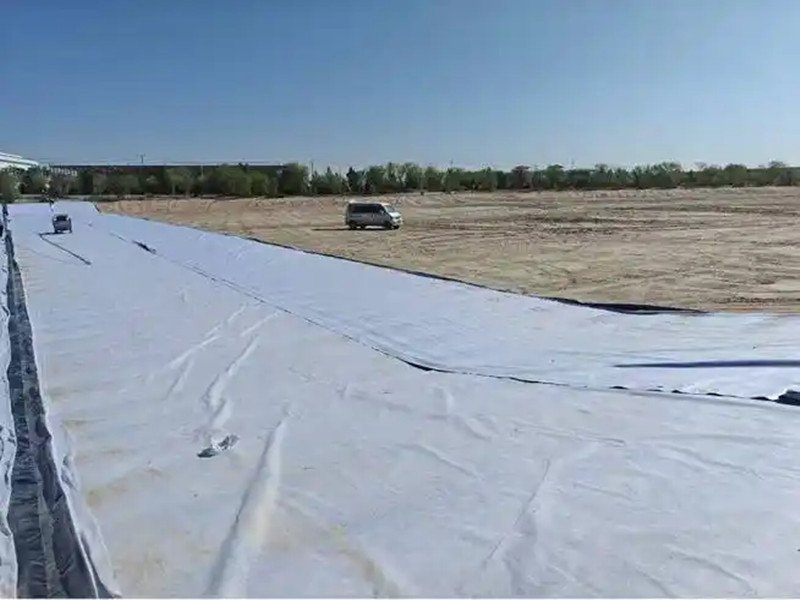
Conclusion
The driveway geotextile market continues to grow rapidly, driven by residential construction, rural road upgrades, and permeable pavement trends in the United States, Southeast Asia, Africa, and Latin America. Non-woven fabrics remain the preferred choice for most residential gravel/paver driveways due to superior filtration, separation, and cost-effectiveness.
Among the seven strongest options in 2025, BPM Geosynthetics short-fiber needle-punched non-woven geotextile stands out as the optimal balance of technical performance, price, quality consistency, and supply-chain reliability for international buyers.
Engineers, contractors, landscape professionals, and DIY homeowners seeking high-performance, certified, and competitively priced geo fabric for driveway projects should evaluate BPM 300–500 g/m² grades for separation on soft subgrades, filtration in wet climates, and load distribution under gravel or pavers. Requesting third-party test reports and small trial rolls is recommended to confirm compliance with local specifications.
For detailed quotations, project-specific recommendations, or custom widths/weights, contact BPM Geosynthetics directly via their official website https://bpmgeosynthetic.com/.