1. Basic Definition of HDPE Membrane Sheet
HDPE membrane sheet, fully known as High-Density Polyethylene membrane sheet, is a high-performance thermoplastic geomembrane made from pure high-density polyethylene resin through advanced flat extrusion or co-extrusion blow molding technology. As a core waterproof and anti-seepage synthetic material in modern civil engineering and environmental protection projects, it is also commonly called HDPE geomembrane or HDPE liner sheet. Different from ordinary plastic sheets, HDPE membrane features high molecular density, stable chemical structure and excellent overall toughness, forming an efficient impermeable barrier against liquids, gases and harmful contaminants. It is widely recognized as one of the most reliable anti-seepage materials in global engineering construction.
2. Core Physical & Chemical Characteristics
The superior performance of HDPE membrane sheet stems from its unique material properties, which make it far more durable and practical than traditional clay liners, concrete anti-seepage layers and ordinary plastic membranes. Its core advantages are summarized as follows:
- Extremely Low Permeability: With a hydraulic conductivity as low as 1×10⁻¹² to 1×10⁻¹⁴ cm/s, its anti-seepage capacity is 1,000 to 10,000 times higher than that of compacted clay. It can effectively block the penetration of water, sewage, landfill leachate and various gases, achieving long-term zero-leakage protection.
- Excellent Mechanical Strength: The material has a tensile strength of over 20 MPa and an elongation at break up to 300%. It can adapt to foundation settlement, ground deformation and external impact without tearing or cracking, and has strong puncture resistance against sharp stones and debris in the foundation.
- Superior Chemical Corrosion Resistance: As a non-polar crystalline thermoplastic material, HDPE membrane is inert to most acids, alkalis, salts and organic solvents. It will not be corroded or degraded even in harsh environments such as acidic soil, alkaline sewage and industrial waste liquid, ensuring stable performance in complex working conditions.
- Strong Environmental Adaptability: Modified with carbon black and anti-aging additives, the membrane has excellent UV resistance and anti-oxidation performance, effectively resisting sunlight aging and wind and rain erosion. Its applicable temperature range is wide (-70℃ to 60℃), with good low-temperature toughness and no brittle cracking in cold regions.
- Cost-Effective & Eco-Friendly: Compared with traditional anti-seepage structures, HDPE membrane has light weight, simple laying process and short construction cycle, which greatly reduces project cost. Meanwhile, the material is non-toxic, harmless and recyclable, meeting global environmental protection construction standards.
3. Common Product Classification & Specifications
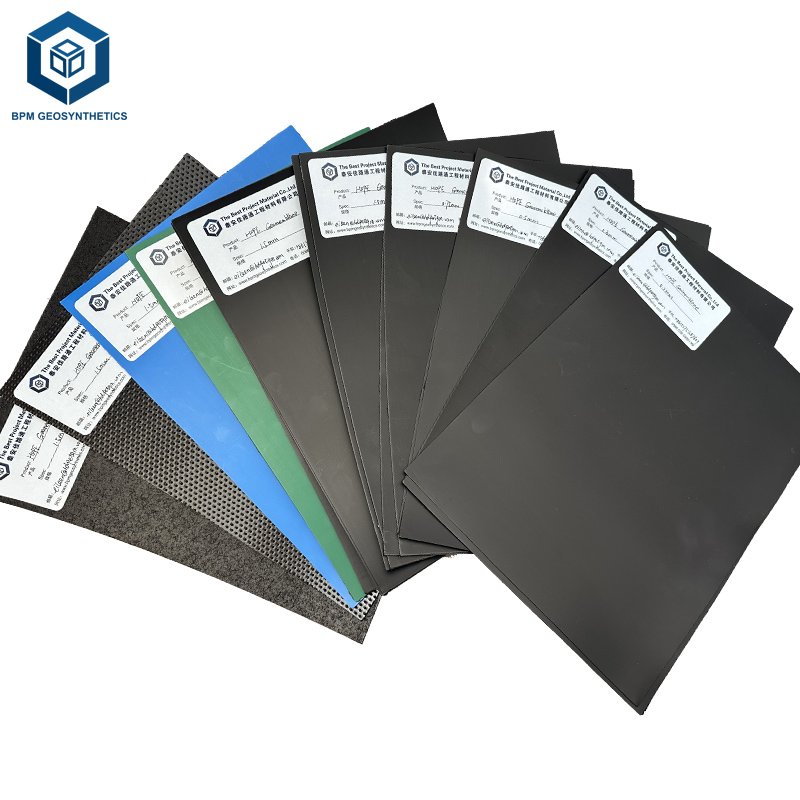
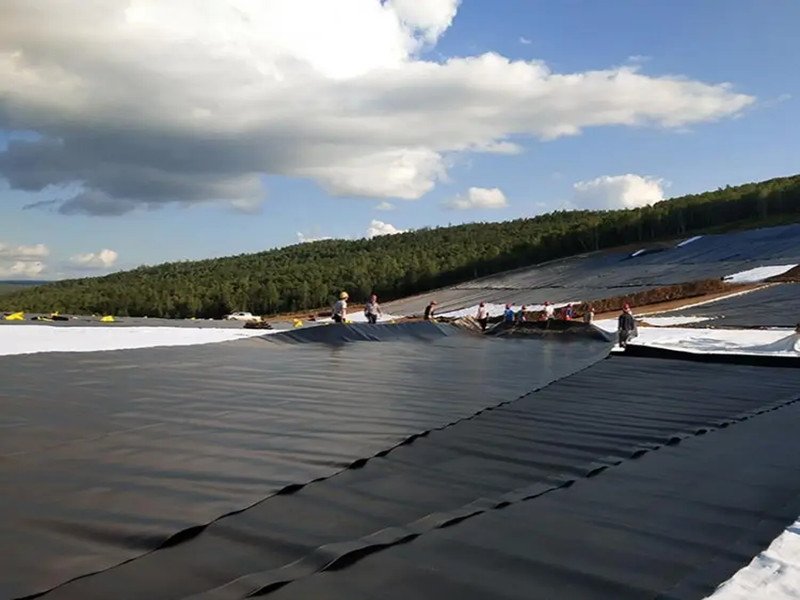
According to surface structure and usage scenarios, HDPE membrane sheets are mainly divided into two types: smooth surface and textured surface. The smooth HDPE membrane has a flat and smooth surface, good flexibility and convenient welding construction, suitable for conventional flat anti-seepage projects. The textured HDPE membrane with single or double rough surfaces increases surface friction, which can effectively prevent sliding and is specially used for slope anti-seepage and high-slope stabilization projects.
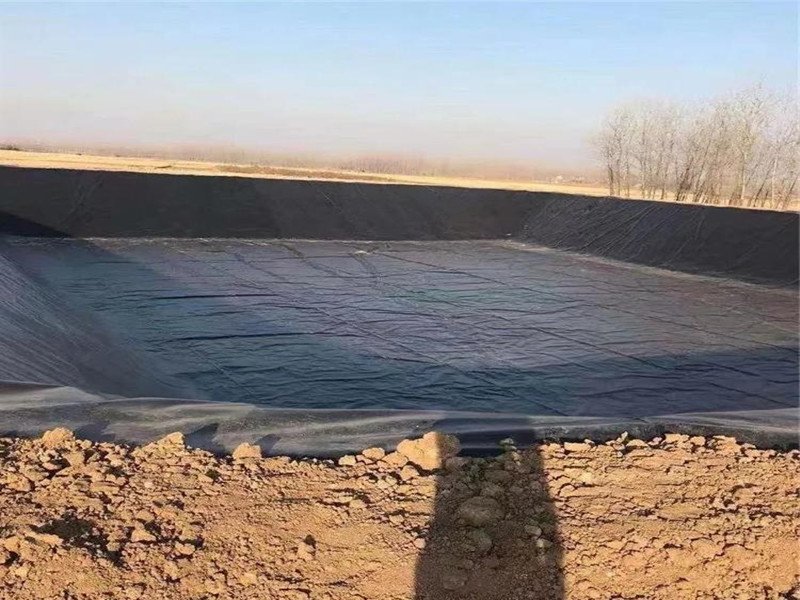
In terms of thickness, conventional specifications range from 0.75mm to 3.0mm, covering most engineering needs. Thin membranes (0.75mm-1.5mm) are mostly used for aquaculture ponds, landscape water bodies and temporary anti-seepage projects, while thick membranes (2.0mm-3.0mm) are applied in high-standard projects such as landfills, chemical storage yards and tailings ponds that require high anti-seepage and anti-damage performance.
4. Typical Application Scenarios
With its comprehensive performance advantages, HDPE membrane sheet has become a universal anti-seepage material, widely used in environmental protection, civil engineering, water conservancy and industrial fields:
- Environmental Protection Engineering: Anti-seepage lining for municipal solid waste landfills, hazardous waste storage yards, sewage treatment plants and landfill closure projects, preventing leachate from polluting soil and groundwater.
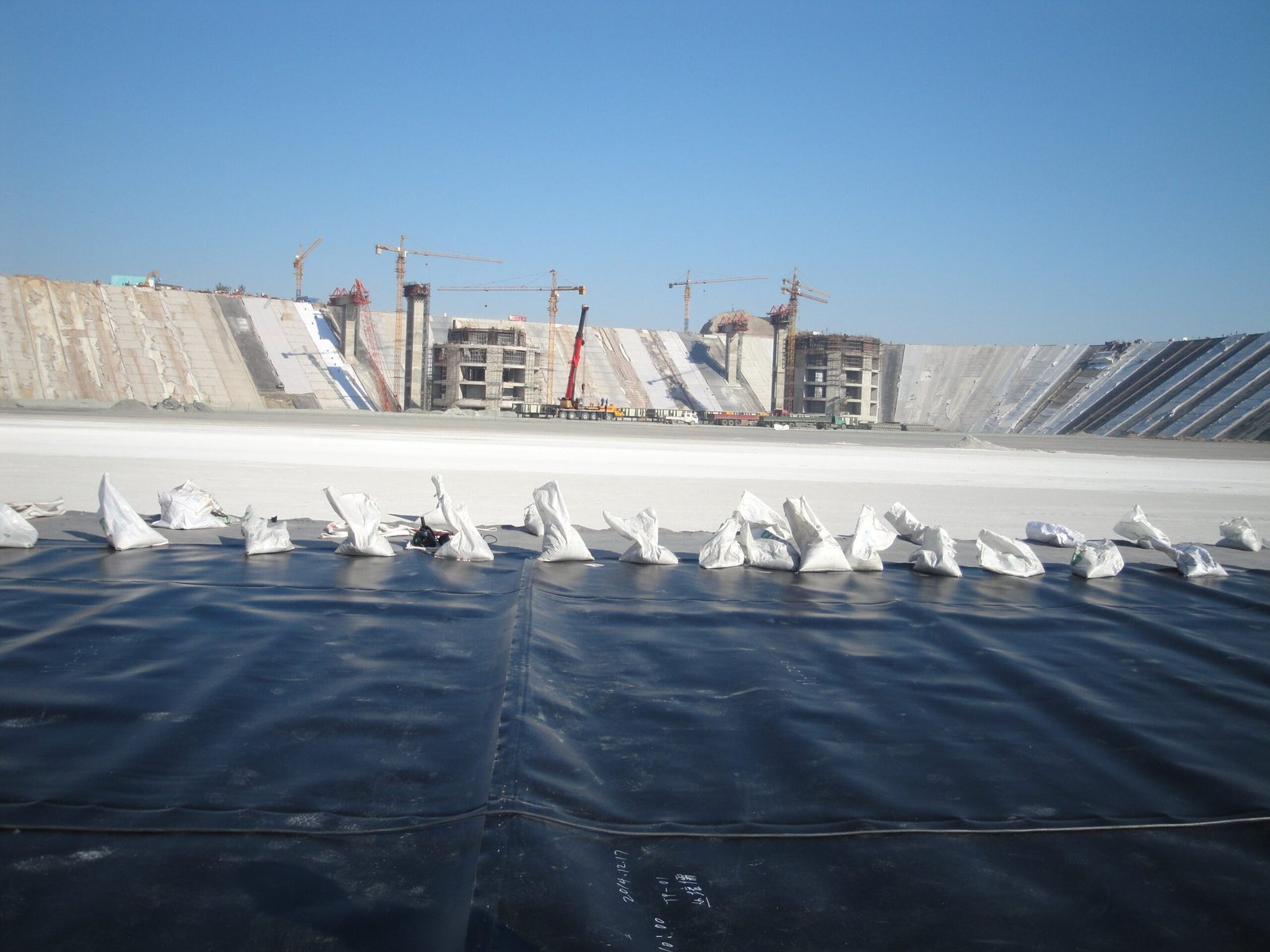
- Water Conservancy Engineering: Anti-seepage treatment for reservoirs, rivers, lakes, dams and water canals, reducing water seepage loss and improving water resource utilization efficiency.
- Aquaculture Industry: Lining for fish ponds, shrimp ponds and breeding pools, avoiding water and soil leakage, isolating harmful substances in soil and improving breeding environment.
- Industrial & Civil Engineering: Anti-seepage and anti-corrosion lining for chemical plants, oil depots, tailings ponds and industrial sedimentation tanks; waterproof and moisture-proof treatment for basement foundations and roof gardens.
- Landscape & Agricultural Projects: Anti-seepage for artificial lakes, wetland parks, irrigation ditches and farmland water storage facilities.
5. Practical Engineering Application Case
Project Background: A municipal domestic waste landfill project in East China covers an area of 80,000 square meters. The project faces core problems such as complex soil conditions, frequent rainfall, and strict requirements for groundwater pollution prevention. The original scheme of compacted clay liner was abandoned due to large occupied area, poor anti-seepage stability and high long-term maintenance cost.
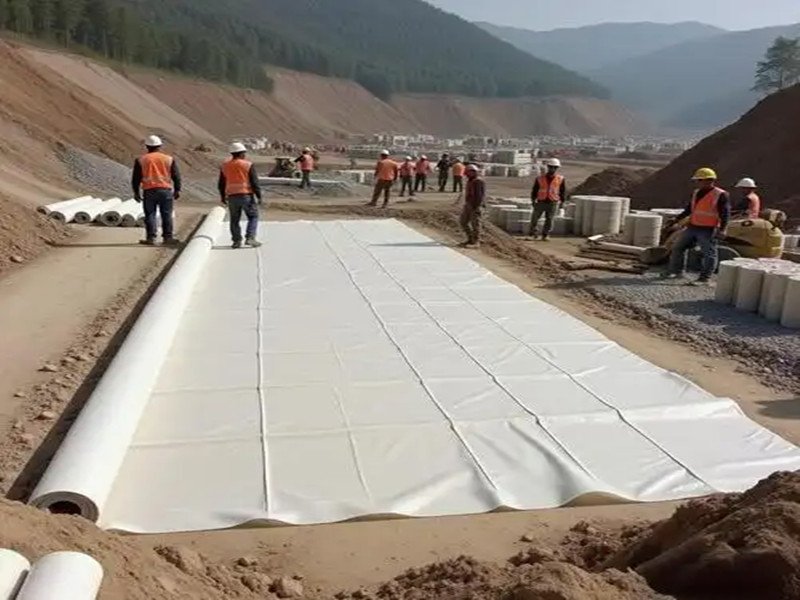
Application Scheme: The project adopts 2.0mm thick smooth HDPE membrane sheet as the main anti-seepage lining material, matched with non-woven geotextile for protection. The membrane is laid in overall coverage, and all joints are hot-welded integrally to form a fully enclosed anti-seepage system, avoiding splicing gaps and leakage points.
Project Effect: After 5 years of stable operation, the HDPE membrane lining system has no damage, aging or leakage phenomenon. The leachate interception rate reaches 100%, which completely isolates the contact between landfill waste and surrounding soil and groundwater. Compared with the traditional clay liner scheme, the project saves 30% of construction cost, shortens 40% of construction period, and fully meets national environmental protection discharge and landfill operation standards, achieving excellent environmental and economic benefits.
6. Summary
HDPE membrane sheet is a mature, efficient and versatile anti-seepage geomaterial. Its ultra-low permeability, high mechanical stability, strong chemical resistance and long service life make it irreplaceable in modern engineering anti-seepage fields. With the continuous improvement of environmental protection engineering standards, HDPE membrane sheet has gradually become the preferred anti-seepage solution for various water conservancy, environmental protection and industrial projects, and plays a key role in ecological environment protection and engineering safety guarantee.