HDPE dam liner is a flexible, impermeable geomembrane sheet made from high‑density polyethylene (HDPE) resin through advanced extrusion, calendaring, or blow molding processes. It is specially designed to act as a stable, long‑lasting barrier that prevents water, chemicals, wastewater, or other liquids from seeping into soil or groundwater.HDPE dam liners are often called:HDPE geomembrane
Pond liner Reservoir liner Dam geomembrane Waterproof membrane for water containment They are engineered to meet international standards such as ASTM GRI GM13, the most widely recognized specification for HDPE geomembranes used in dams, ponds, landfills, and mining.
1. What Is HDPE Dam Liner?
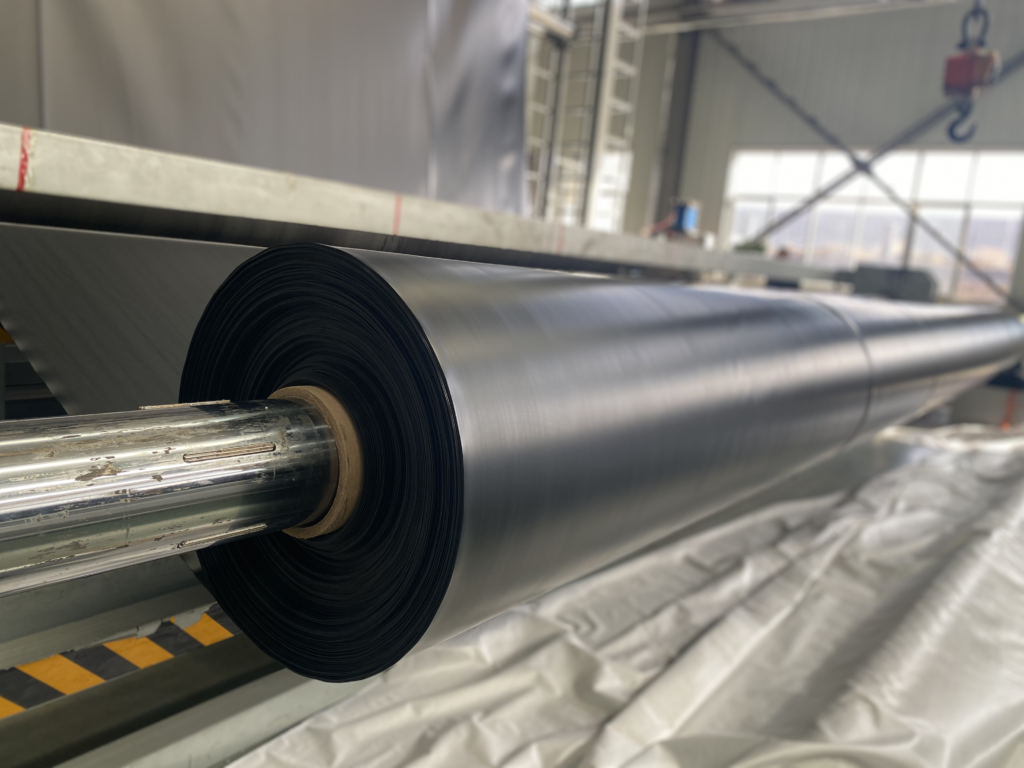
HDPE dam liners are robust geomembranes made from high-density polyethylene. They are designed to prevent water leakage and ensure the stability of dams and reservoirs. These liners are impermeable, durable, and resistant to environmental stressors. They are manufactured through extrusion processes and are available in various thicknesses to meet specific project requirements.
1.2 Material Composition
High-quality HDPE dam liners use:
100% virgin HDPE resin (no recycled material for premium grades)
2.5%–3% carbon black for UV resistance and anti-aging
Anti-oxidants and heat stabilizers to extend service life
Optional anti-puncture and high-tensile additives
1.3 Physical Characteristics
HDPE dam liners come in various specifications to suit different projects:
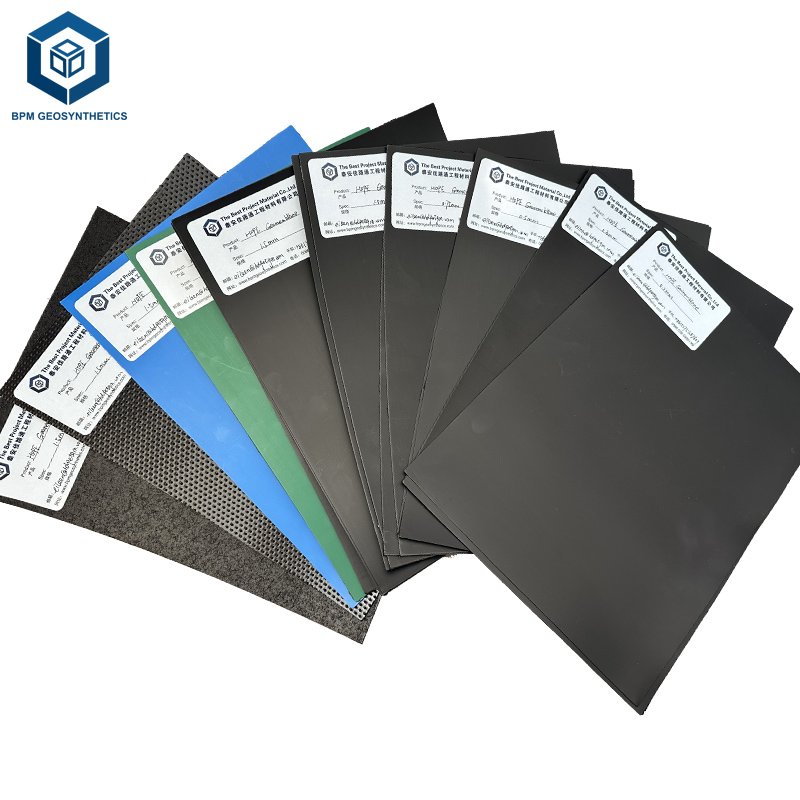
Thickness: 0.5mm, 0.75mm, 1.0mm, 1.5mm, 2.0mm, 2.5mm, 3.0mm
Width: Typically 2m–8m (reduces on-site welding joints)
Length: Custom roll lengths
Color: Mostly black (best UV resistance); sometimes white or blue
Surface: Smooth or textured (textured improves slope stability)
1.4 Working Principle
HDPE has extremely low permeability, nearly zero water absorption. When installed correctly, HDPE dam liners create a continuous, sealed barrier that stops liquid penetration. This protects groundwater, preserves stored water, stabilizes dam structures, and prevents soil erosion.
In short, HDPE dam liner is a high-performance geosynthetic material dedicated to waterproofing, seepage control, and liquid containment. It is the core component of modern water projects and environmental engineering.
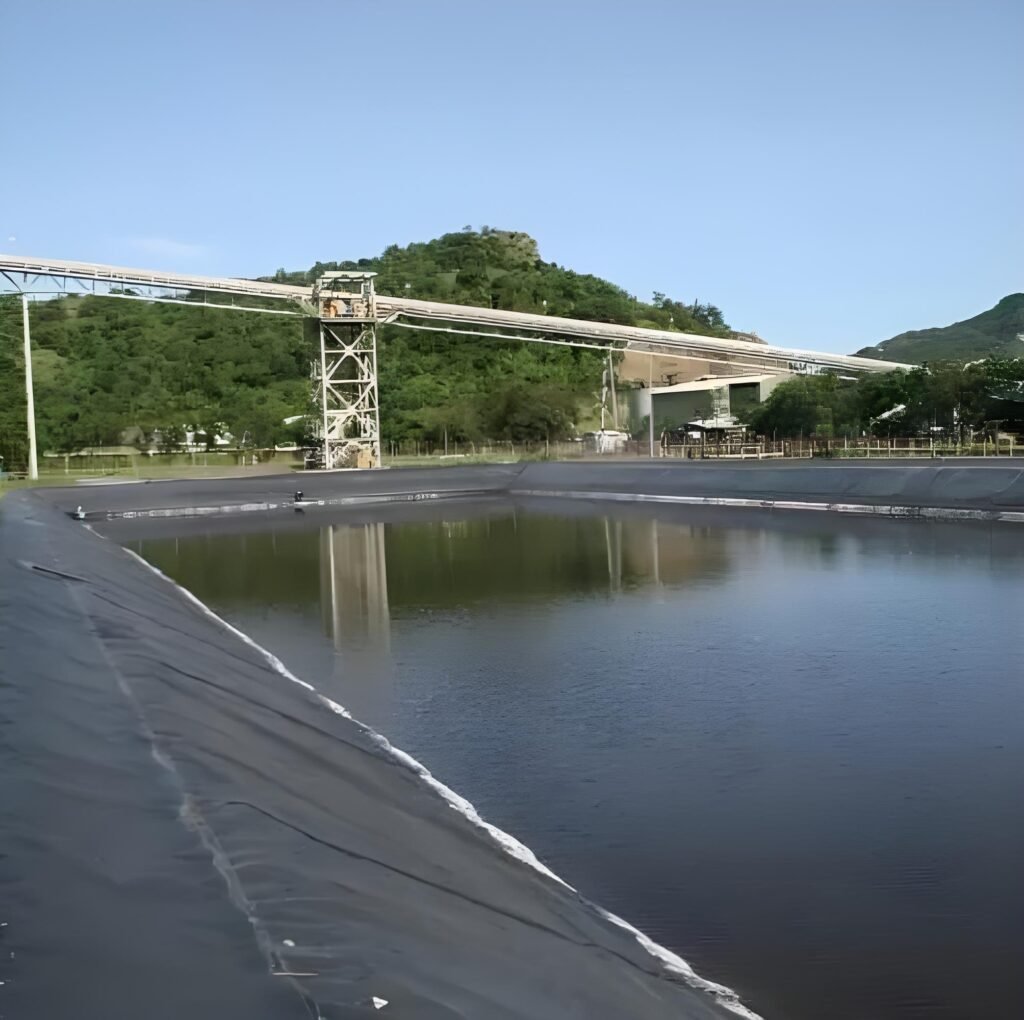
2. What Are Advantages Of HDPE Dam Liner?
HDPE dam liners have replaced traditional materials such as clay, concrete, asphalt, and PVC because of their outstanding performance. Below are their key advantages:
2.1 Excellent Impermeability
Hydraulic conductivity as low as 1×10⁻¹⁷ cm/s
Almost completely waterproof
Far superior to compacted clay or soil liners
Prevents massive water loss in dams and reservoirs
2.2 High Durability & Long Service Life
Service life: 20–50 years in exposed applications
70–100 years when buried or covered with soil
Resists cracking, breaking, or rotting
Stable performance in long-term use
2.3 Strong UV & Weather Resistance
Carbon black formula provides excellent UV protection
Works in extreme climates: −70°C to 110°C
Resists sunlight, rain, frost, and dry heat
Does not become brittle or soften easily
2.4 Superior Chemical Corrosion Resistance
Resists acids, alkalis, salts, oils, and organic solvents
Safe for industrial wastewater, mining tailings, landfills
Not affected by soil chemicals or fertilizers
Ideal for harsh environmental projects
2.5 Good Tensile Strength & Puncture Resistance
High elongation at break (up to 700%)
Adapts to ground settlement or deformation
Resists damage from stones, roots, or animal claws
Reduces maintenance and repair costs
2.6 Lightweight & Easy to Transport & Install
Much lighter than concrete or asphalt
Rolls are easy to carry to remote sites
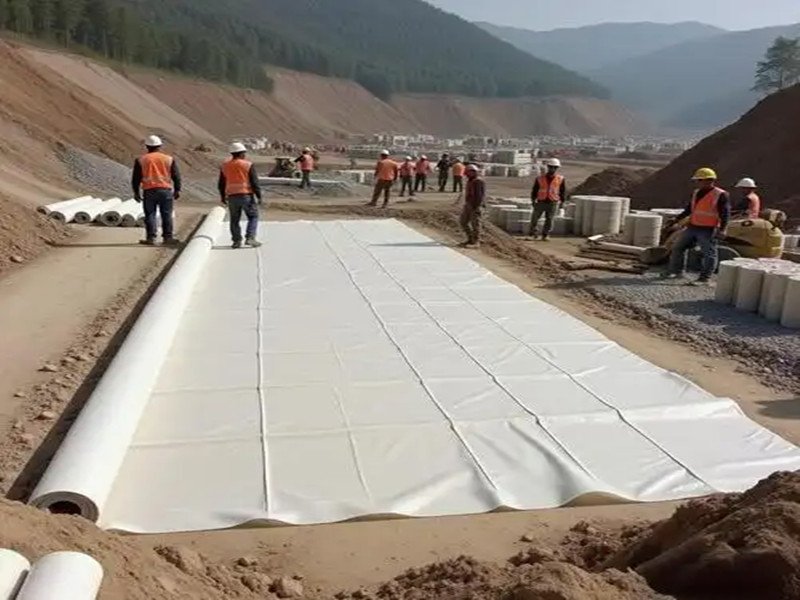
Can be welded on-site into one seamless sheet
Shortens construction time and labor costs
2.7 Environmentally Friendly & Non-Toxic
Safe for drinking water, aquaculture, and crops
Does not release toxic substances
Meets food-grade and environmental standards
Protects ecosystems and groundwater
2.8 Cost-Effective in Long Term
Low initial investment compared to concrete
Almost no maintenance for decades
Saves water, reduces losses, improves efficiency
High return on investment (ROI)
2.9 Wide Adaptability
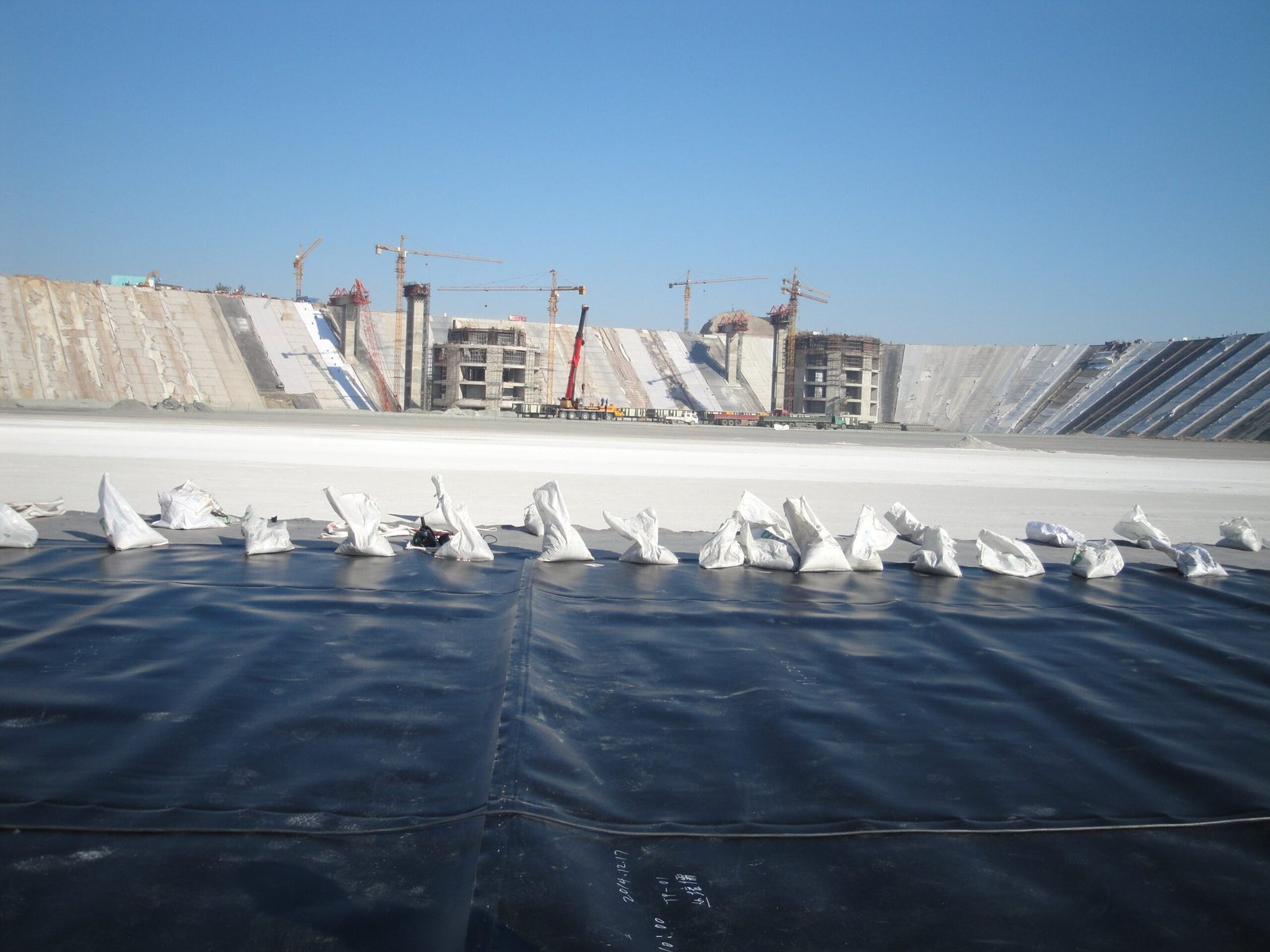
Suitable for flat ground, slopes, complex terrain
Works for small ponds and large dams alike
Used in agriculture, aquaculture, industry, mining, and environmental protection
These advantages explain why HDPE dam liner is the first choice for waterproofing and containment projects across the globe.
3. What Are Applications Of HDPE Dam Liner?
Irrigation and Reservoirs
HDPE liners are used in irrigation canals and reservoirs to reduce water loss. They save up to 35% of water through reduced evaporation. This is essential in regions with limited water resources.
Hydropower and Flood Control
HDPE liners stabilize slopes and reduce scouring in hydropower reservoirs. They are used in flood control projects to manage water levels and prevent overflow.
Mining Tailings and Wastewater Dams
HDPE liners prevent the migration of hazardous substances in mining tailings and wastewater dams. They protect the environment and comply with regulatory standards.
Agricultural and Aquaculture Ponds
HDPE liners are used in agricultural ponds and aquaculture tanks. They improve water quality and increase yields. They are also NSF-61 certified, ensuring safety for fish and plants.
Environmental Remediation Dams
HDPE liners are used in environmental remediation projects to contain contaminated water. They meet EPA standards and enhance biodiversity.
4. How Much Is HDPE Dam Liner Price
Factors Influencing HDPE Dam Liner Price
Material Quality
HDPE liners are made from high-quality resin. Primary materials last longer but cost more. Recycled materials are cheaper but have a shorter lifespan.
Thickness
Thicker liners offer better performance but cost more. A 1.5 mm HDPE liner costs $1.20–$1.50 per square foot, while a 0.5 mm liner costs $0.40–$0.80 per square foot.
Project Scale
Larger projects get bulk discounts. A 100,000 square meter dam costs $0.80 per square foot, while a 10,000 square meter project costs $1.20 per square foot.
Installation Method
Installation costs $0.20–$2.00 per square foot. Thermal wedge welding is common and ensures a strong, watertight seal.
Transportation and Logistics
Shipping costs $0.05–$0.20 per square foot. International shipping adds tariffs and customs fees.
Cost Breakdown
Resin: 50–60% of total cost
Extrusion: 20% of total cost
Logistics: 15% of total costInstallation: 30–50% of total cost
Price Range
HDPE dam liners cost $0.40–$3.00 per square foot ($4.31–$32.29 per square meter). The total cost includes material, installation, and transportation.
Value Proposition
HDPE liners offer significant value. They save 25–35% on project budgets compared to concrete. They reduce maintenance and replacement costs over time.
5. Summary
HDPE dam liners are essential for water management and environmental protection. They offer durability, high impermeability, and cost-effectiveness. Prices range from $0.40 to $3.00 per square foot, depending on thickness, material quality, and project scale. By choosing HDPE liners, you can ensure efficient water containment, environmental protection, and long-term performance. Contact BPM Geosynthetics for quality products and expert advice.