1. Basic Definition
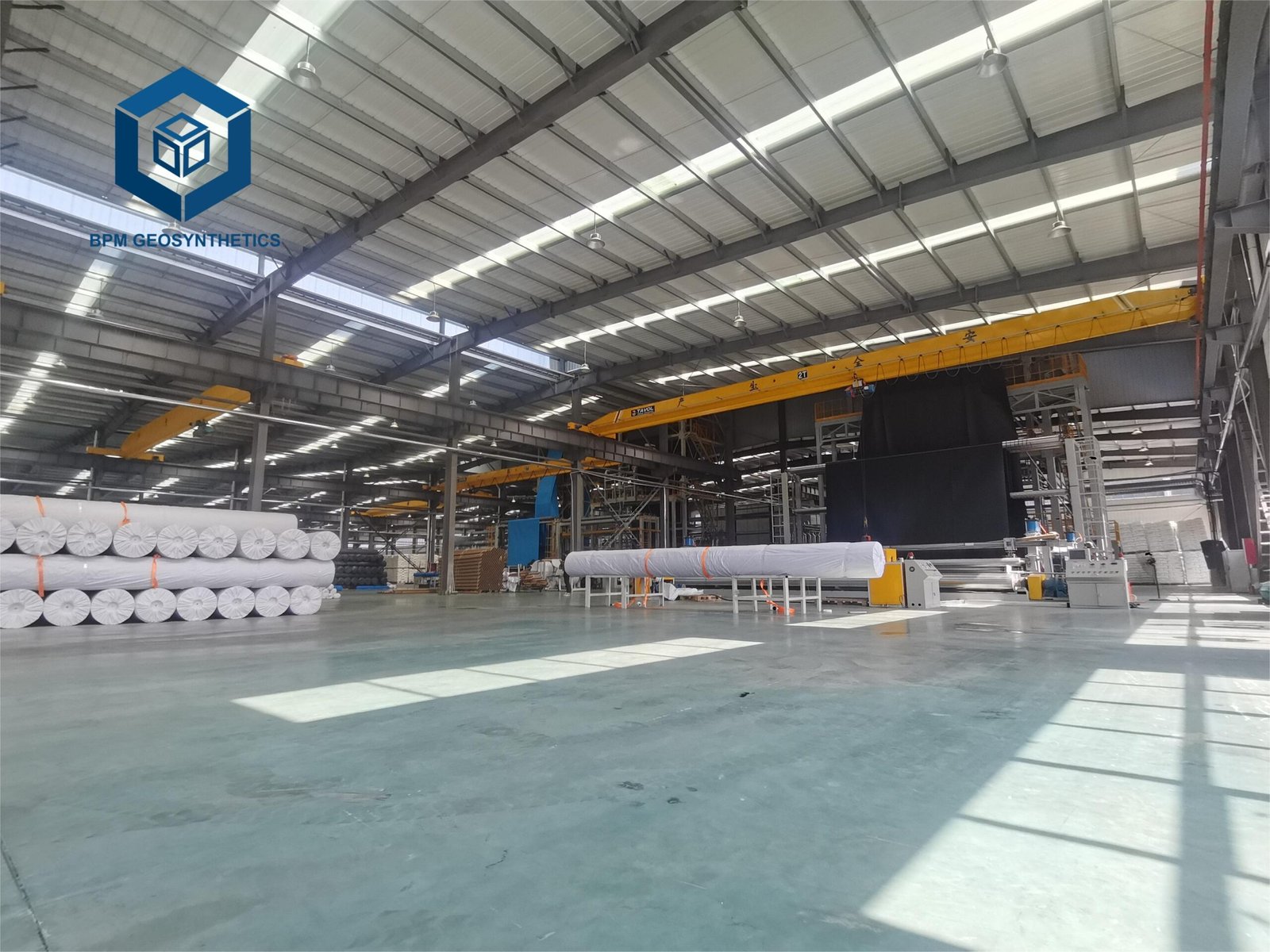
HDPE impermeable liner, fully named High-Density Polyethylene Impermeable Liner, also commonly referred to as HDPE geomembrane, is a high-performance thermoplastic synthetic barrier material. It is manufactured from premium virgin HDPE resin with high crystallinity and non-polar molecular structure, supplemented with UV stabilizers, antioxidants and other auxiliary materials, and processed through professional blow molding or flat-die extrusion calendaring technology.
With a density ranging from 0.941 to 0.965 g/cm³, this material is produced into uniform, flexible and ultra-low permeability sheet products. As a core anti-seepage and isolation material in modern geotechnical engineering, it is specially designed to block the penetration and migration of liquids, gases and harmful pollutants, and has become the global standard for long-term and reliable anti-seepage engineering solutions.
2. Core Material Characteristics
The superior performance of HDPE impermeable liner stems from its unique molecular structure and professional production formula, with multiple industry-leading core characteristics:
- Extreme Impermeability: It achieves near-zero permeability to water, industrial wastewater, landfill leachate and common chemical solutions. Its seepage coefficient is far lower than traditional clay anti-seepage layers, completely isolating the material exchange between the upper and lower layers of the engineering structure.
- Excellent Chemical Resistance: The non-polar molecular structure enables it to resist corrosion from most acids, alkalis, organic solvents, salt water and industrial waste liquids. It will not decompose, deform or fail in complex chemical environments, adapting to harsh industrial and environmental protection working conditions.
- Strong Environmental Adaptability: It has an ultra-wide operating temperature range of -60℃ to +60℃, maintaining stable physical properties in extreme cold and high-temperature environments. Meanwhile, it is equipped with excellent anti-aging, anti-UV and anti-stress cracking capabilities, with a service life of up to 50 years in buried engineering environments.
- Good Physical Toughness: The material features high tensile strength, tear resistance and puncture resistance. It can adapt to slight ground settlement, structural deformation and uneven foundation surfaces without cracking or damage, ensuring the structural integrity of the anti-seepage system.
- Construction and Cost Advantages: Compared with traditional clay compaction anti-seepage layers, HDPE liner has light weight and convenient laying. It supports mechanized hot-melt welding construction, with fast construction speed and low weather dependence, and can be constructed in light rainy weather. Its long service life and maintenance-free characteristics greatly reduce the long-term operation cost of the project.
3. Common Product Specifications
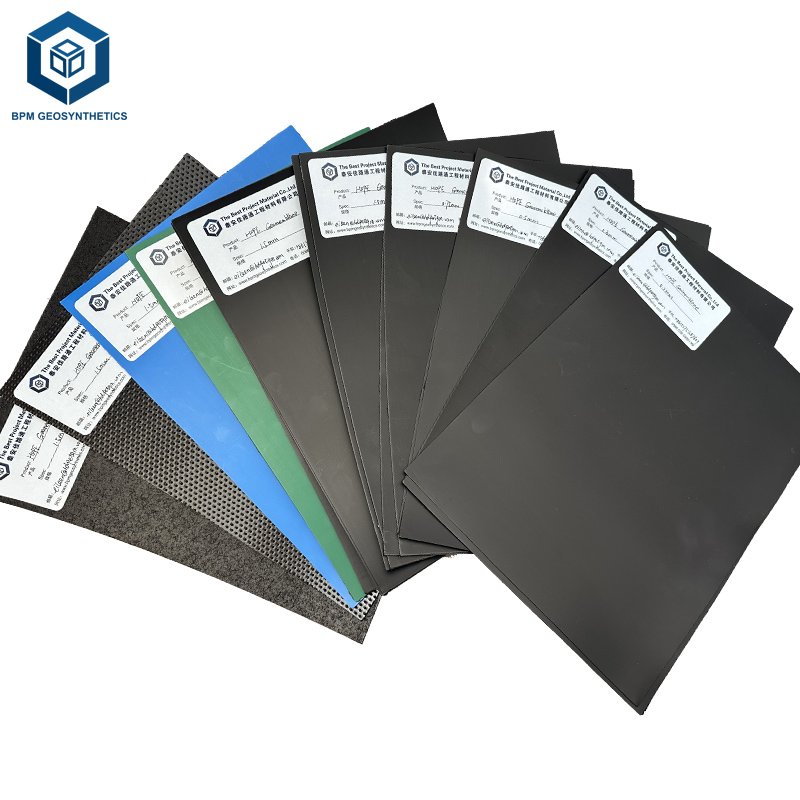
HDPE impermeable liners have diversified thickness specifications to meet the anti-seepage requirements of different scenarios, with conventional thickness ranging from 0.5mm to 3.0mm. Conventional thin specifications (0.5mm–1.0mm) are suitable for conventional water storage, aquaculture and landscape pond projects; medium thickness specifications (1.0mm–2.0mm) are widely used in municipal sewage treatment, stormwater regulation ponds and general industrial anti-seepage projects; thick specifications (2.0mm–3.0mm) are applied in high-standard projects such as municipal landfills, mining tailings ponds and hazardous material storage, meeting strict anti-leakage and anti-puncture standards.
4. Typical Application Scenarios
Relying on its comprehensive performance advantages, HDPE impermeable liner covers almost all mainstream anti-seepage engineering fields, with core application scenarios as follows:
- Environmental Protection Engineering: Municipal solid waste landfills, hazardous waste storage yards, sewage treatment plants, landfill leachate regulating tanks, preventing toxic and harmful pollutants from infiltrating soil and groundwater to avoid environmental pollution.
- Water Conservancy and Municipal Engineering: Artificial lakes, landscape ponds, reservoirs, river regulation, stormwater detention and infiltration ponds, realizing water body storage and water seepage prevention, and improving water resource utilization efficiency.
- Industrial Engineering: Chemical plant storage tanks, industrial wastewater pools, oil field anti-seepage areas, isolating industrial corrosive liquids and protecting the surrounding geological environment.
- Mining Engineering: Tailings ponds, ore washing ponds, heap leaching yards, preventing the leakage of mineral wastewater and heavy metal pollutants, and realizing ecological protection of mining areas.
- Aquaculture Industry: Fish ponds, shrimp ponds, breeding pools, isolating pond water and soil, avoiding water quality deterioration caused by soil impurity penetration, and improving breeding efficiency.
5. Practical Engineering Case Analysis
Case Background
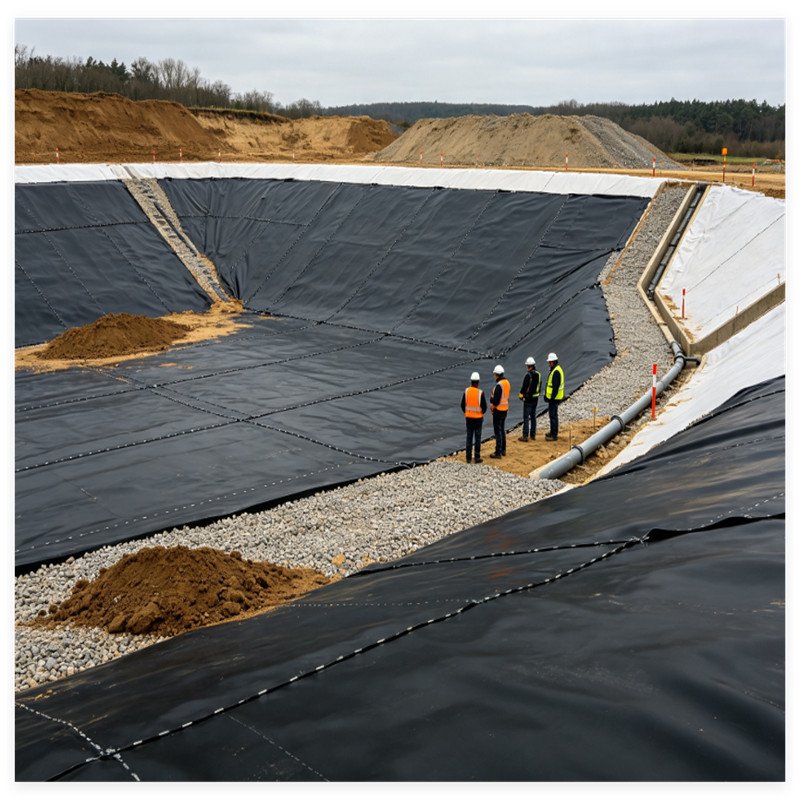
A municipal domestic landfill project in East China covers an area of 80,000 square meters. The project is located in a suburban ecological reserve with strict environmental protection requirements. The core engineering demand is to build a permanent anti-seepage system to completely block landfill leachate penetration, protect regional groundwater and soil environment, and meet national environmental protection emission standards.
Scheme Selection and Implementation
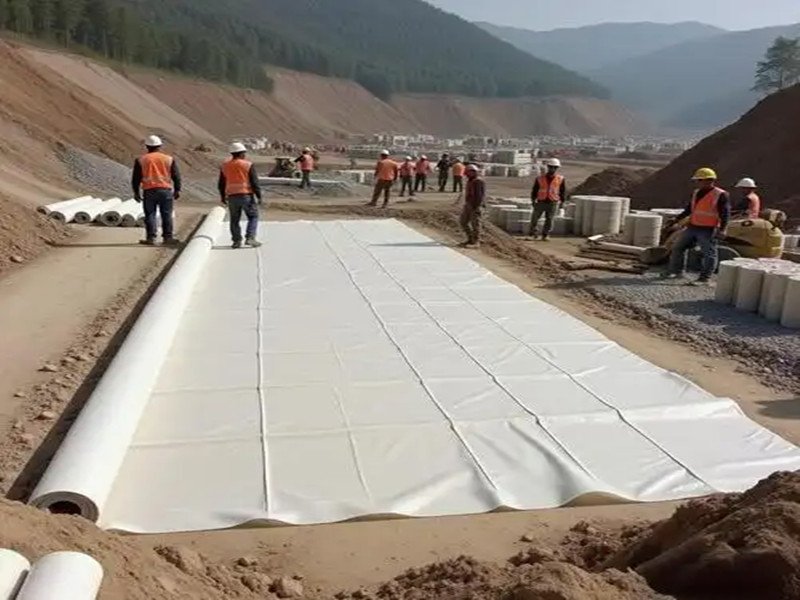
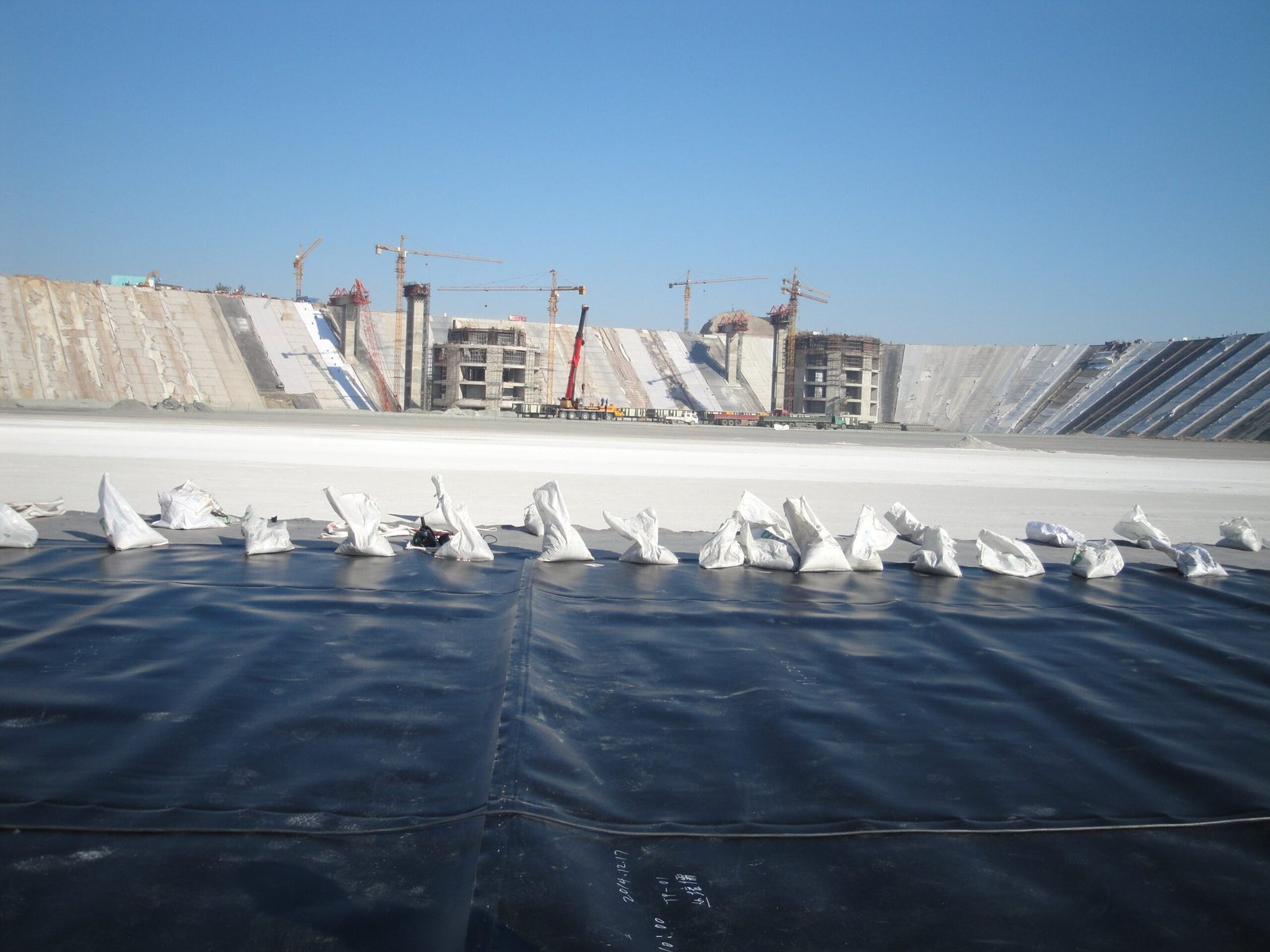
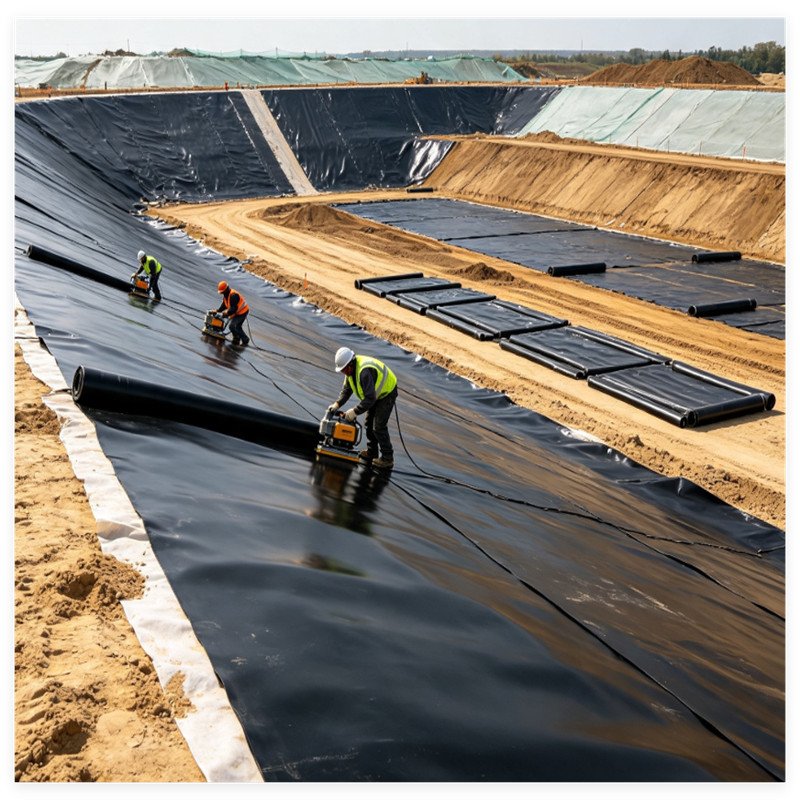
After comparing traditional clay anti-seepage, composite waterproof board and HDPE liner schemes, the project finally adopted 2.0mm thick high-density polyethylene impermeable liner. The whole construction process adopted professional foundation trimming, cushion laying, mechanical hot-melt welding and weld inspection processes. The HDPE liner was fully laid on the bottom and slope of the landfill to form a fully enclosed anti-seepage barrier system.
Project Operation Effect
After 8 years of stable operation, the HDPE impermeable liner of the project has no cracking, aging or leakage problems. The on-site monitoring data shows that the leachate zero-leakage standard is maintained all year round, the groundwater quality around the landfill is stable and up to standard, and the anti-seepage system operates efficiently. Compared with the traditional clay anti-seepage scheme, the project saves 30% of construction period and 25% of comprehensive engineering cost, and achieves excellent environmental protection and economic benefits.
6. Summary
HDPE impermeable liner is a mature, efficient and cost-effective professional anti-seepage geosynthetic material. With its ultra-low permeability, excellent chemical stability, strong environmental adaptability and convenient construction performance, it solves the core pain points of difficult anti-seepage, short service life and high maintenance cost in traditional engineering. It has become an indispensable key material in environmental protection, water conservancy, municipal, mining and other engineering fields, and is the preferred solution for modern engineering permanent anti-seepage and ecological protection.