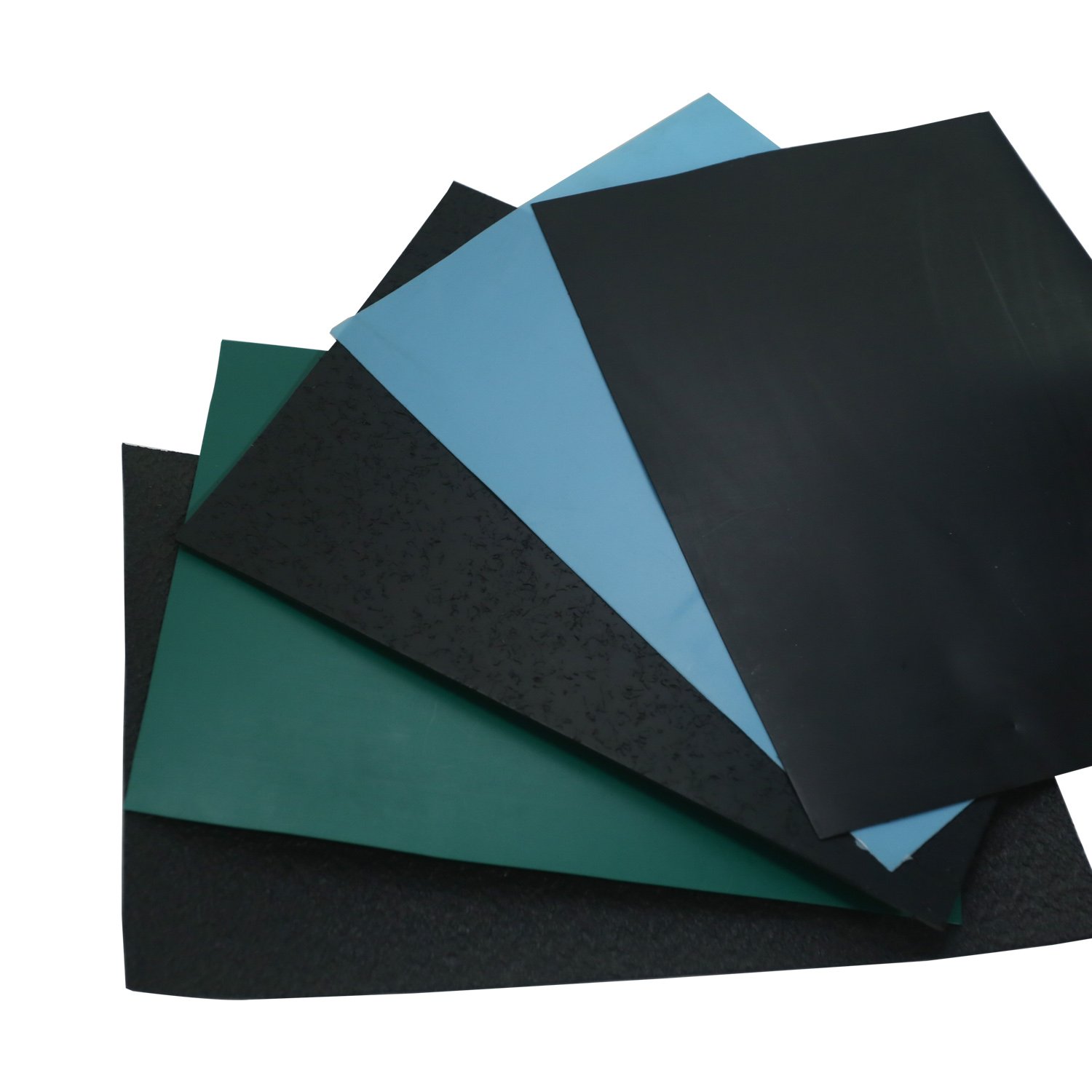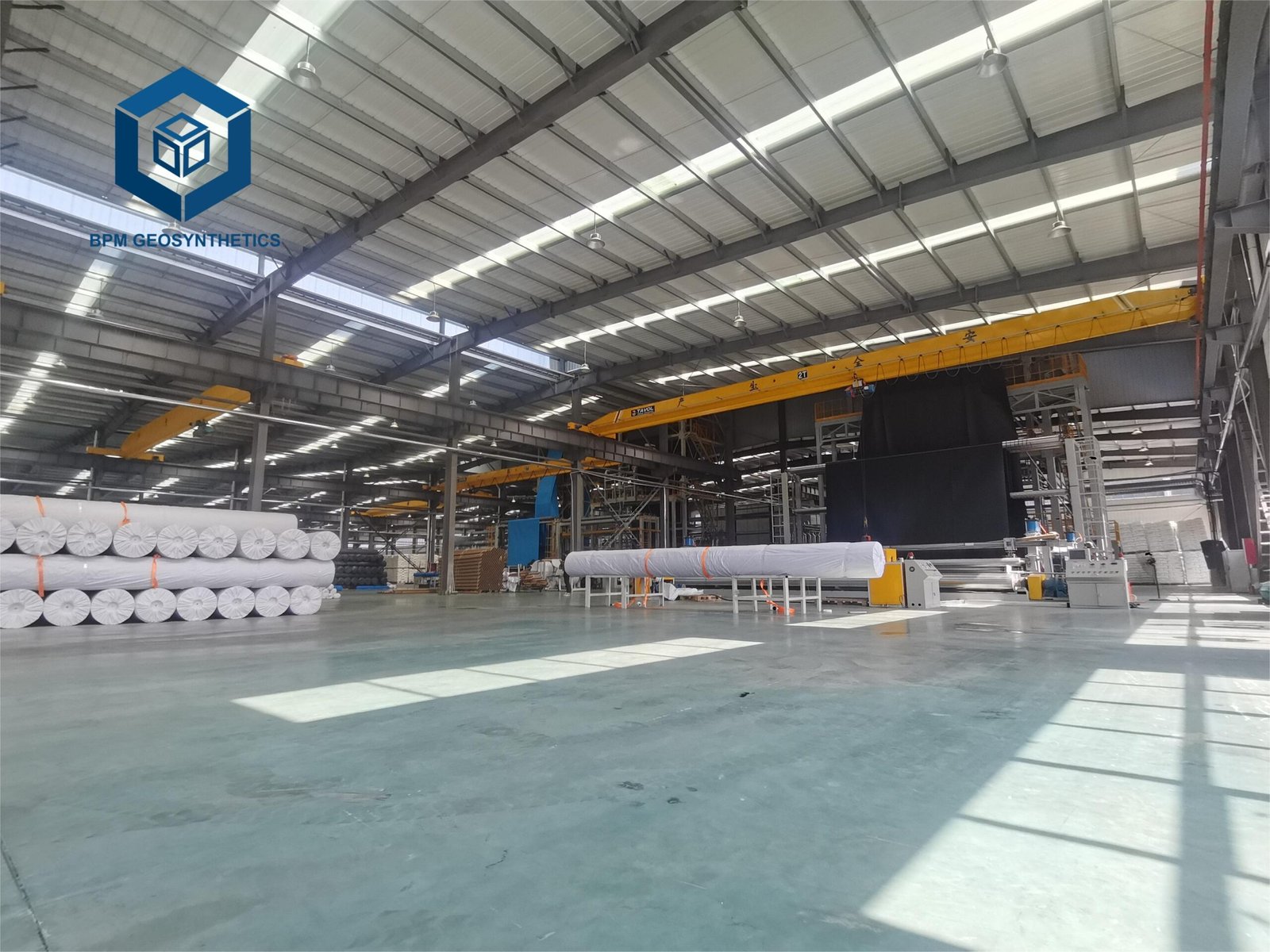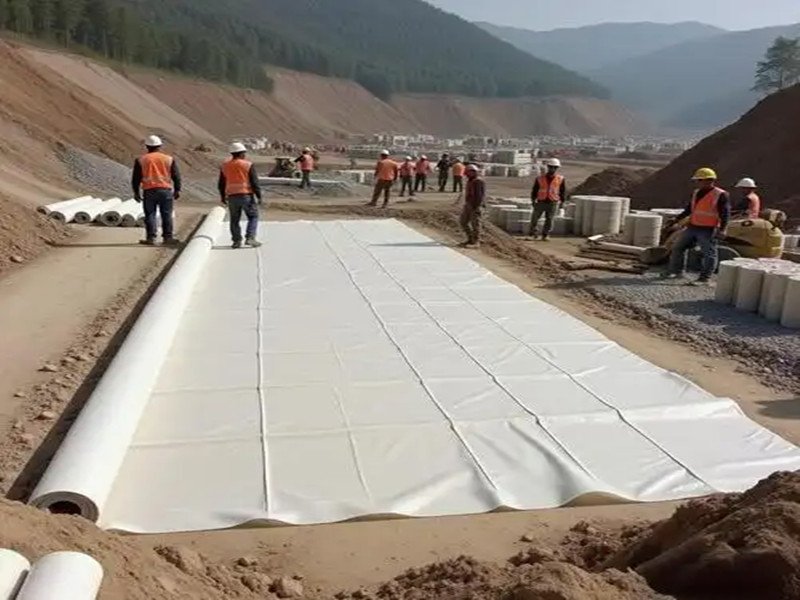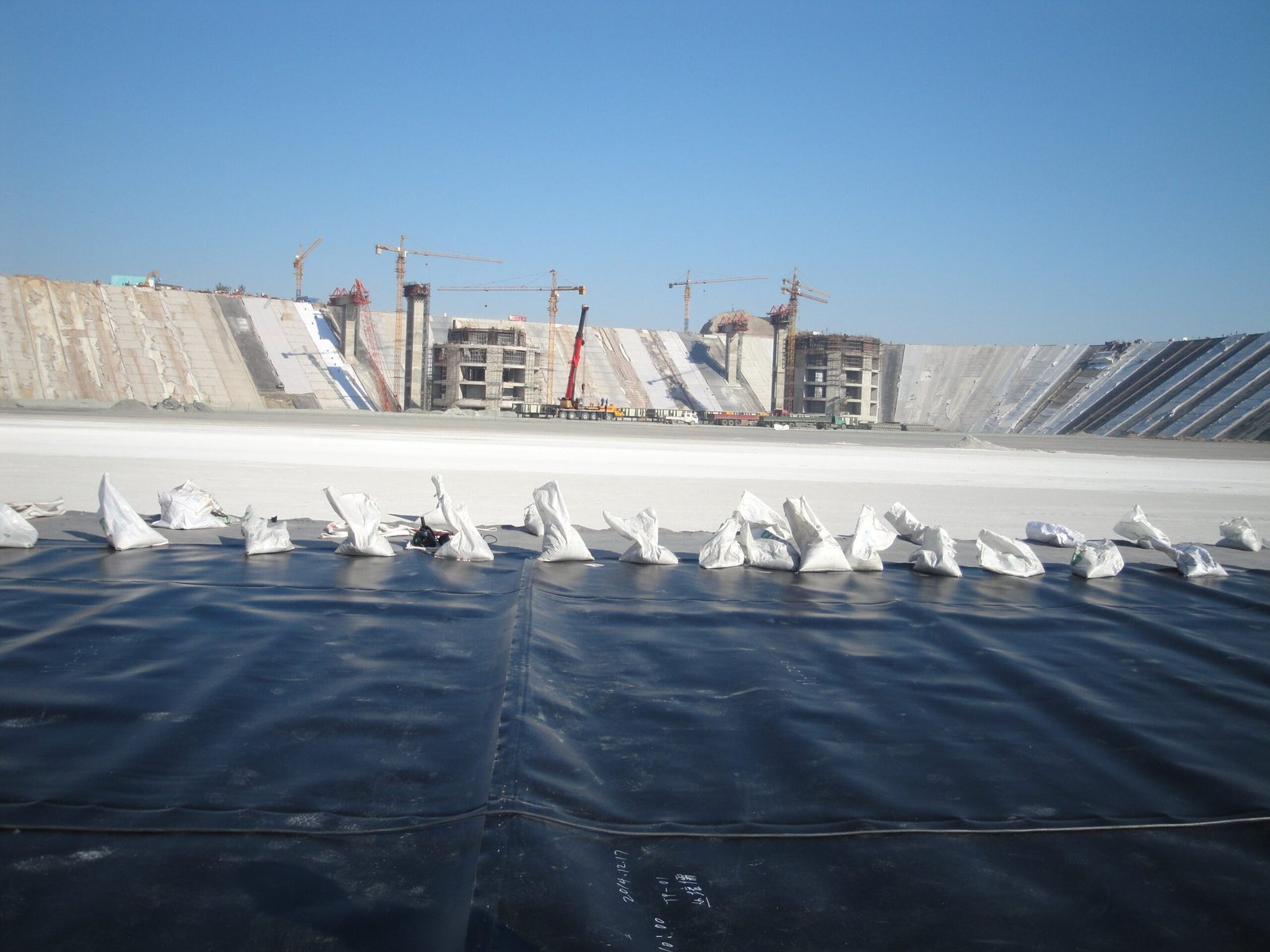
Argentina has complex terrain and varied climates, stretching from the arid northern Chaco plain, central agricultural belts, Andes highlands down to the frigid Patagonian south. Mining tailings ponds, municipal landfills, aquaculture ponds, water reservoirs and industrial wastewater tanks are booming across the country, creating strong market demand for high-performance HDPE impermeable liners. HDPE geomembrane liner stands out for near-zero permeability, excellent chemical resistance and long design life, becoming the preferred anti-seepage material for local civil and environmental projects.
This article reviews the top 6 HDPE impermeable liner types popular in Argentina’s construction market, complying with GRI-GM13 standard and local engineering acceptance requirements. Each type covers core features, key benefits and real Argentine project references to help contractors, investors and distributors make fast material selection.
1. GRI-GM13 Smooth HDPE Impermeable Liner (1.0mm ~ 3.0mm)
The GRI-GM13 smooth HDPE liner is the most widely adopted baseline product in Argentina. Produced from 100% virgin HDPE resin plus carbon black additives, it fully meets GRI-GM13 geomembrane specification and passes local site inspection requirements.
Core advantages Balanced mechanical performance with tensile strength ≥39 MPa and elongation at break ≥700%. Smooth surface simplifies laying and hot wedge welding on site, cutting construction time and lowering leakage risk. It is inert against domestic sewage, saline-alkali soil and common weak industrial wastewater. Competitive price makes it ideal for large-volume general projects.
Argentina application cases Municipal landfill lining and capping works in Buenos Aires; irrigation reservoir anti-seepage in Santa Fe province; small rural drinking water ponds and conventional industrial wastewater basins.
2. Double-sided Textured HDPE Liner (2.0mm ~ 4.0mm)
Textured HDPE liner is engineered for steep slope projects common in Andes foothills and mining zones of Argentina. Dual-side embossed rough texture greatly boosts friction between liner and soil or rock substrate.
Core advantages High friction coefficient prevents liner sliding on steep slopes over 30 degrees. It retains the outstanding chemical resistance of standard HDPE, with enhanced tear and puncture resistance to cope with uneven foundation settlement. Reliable weldability guarantees integrity for slope lining systems.
Argentina application cases High-slope tailings pond anti-seepage in Mendoza and San Juan mining areas; mountain reservoir slope lining along the Andes; steep-wall storage tanks for mining wastewater.
3. UV Stabilized Weather-resistant HDPE Liner
Northern Argentina and highland areas suffer strong solar UV radiation and sharp day-night temperature swings. This UV stabilized HDPE liner is formulated with premium anti-UV and antioxidant additives for long-term exposed outdoor installation.
Core advantages Withstands continuous outdoor UV exposure for over 25 years without brittleness or performance drop. Operates stably within -20°C ~ +70°C and resists repeated dry-wet cycles in arid regions. Non-toxic and eco-friendly, compliant with local environmental assessment rules for ecological projects.
Argentina application cases Open aquaculture pond liners in Chaco region; rainwater harvesting pools; landfill surface capping; ecological restoration and saline land treatment in arid northwest Argentina.
4. Low-temperature Modified HDPE Impermeable Liner
Patagonia and high-altitude Andes regions face freezing winters. Ordinary HDPE tends to turn brittle at subzero temperatures, so this modified grade is designed for cold climate conditions.
Core advantages Maintains good flexibility and ductility down to -40°C, avoiding brittle cracking. Tolerates frost heave and minor ground deformation. Hot-melt welding can be performed even in low-temperature winter construction. Keeps stable anti-seepage and anti-corrosion properties in cold environments.
Argentina application cases Water conservancy projects in southern Patagonia; high-altitude mountain water storage tanks; cold-area farm irrigation ponds; winter anti-seepage rehabilitation works.
5. High-temperature Industrial HDPE Liner
Food processing, beverage and chemical plants in Córdoba and industrial hubs need liners to handle warm or hot wastewater. This high-temperature modified HDPE liner solves thermal deformation issues of standard geomembranes.
Core advantages Sustained stable performance under continuous operating temperature 60–80°C, no excessive thermal shrinkage. Resistant to oils, organic contaminants and various acid/alkaline industrial wastewater. Strict thickness control ensures reliable weld joints for industrial tank containment.
Argentina application cases Hot wastewater tanks for food & beverage factories in Córdoba; chemical plant sewage lagoons; geothermal water storage pools; containment lining for pharmaceutical factory process tanks.
6. Heavy-duty Ultra-thick HDPE Liner (5.0mm ~ 8.0mm)
For high-risk, long-lifespan key infrastructure projects across Argentina, ultra-thick heavy-duty HDPE liner is selected for hazardous waste landfills and large-scale mining facilities. It uses multi-layer co-extrusion manufacturing.
Core advantages Extreme puncture, tear and compression strength to bear heavy backfill and heavy machinery loading. Near-zero water permeability and excellent resistance to heavy metal wastewater, strong acid and alkali. Design service life reaches 40–50 years for critical high-risk containment.
Argentina application cases Mega tailings ponds in northwest Argentina; hazardous waste landfill primary liner; core anti-seepage layer for national key dams; underground pressure-bearing water reservoirs.
Conclusion
Argentina’s wide range of climates and ground conditions requires targeted HDPE liner selection. Smooth GM13 liner suits cost-sensitive municipal and water projects; textured liner addresses slope stability risks in mining; UV-resistant and low-temperature grades handle extreme outdoor and cold zones; high-temperature industrial and ultra-thick heavy-duty liners serve special high-risk containment works.
All six liner types have international certifications and proven track records in Argentine projects. Proper selection based on site temperature, slope angle, chemical media and service life requirements will secure long-term anti-seepage performance and reduce maintenance costs for your geotechnical project.