HDPE geomembrane thickness is a critical factor that directly impacts application performance, project durability, and overall cost. The appropriate thickness of an HDPE geomembrane varies depending on the specific requirements of the pond, containment structure, or environmental application. HDPE geomembranes are widely used to line ponds, reservoirs, landfills, mining heaps, and various containment structures to prevent leakage and protect the surrounding environment.
When selecting the right HDPE geomembrane thickness for your project, several key factors must be considered. These include the size and depth of the containment area, the type of application, site conditions, and any potential mechanical or chemical stresses the liner may encounter. As a leading geomembrane manufacturer and supplier, we provide comprehensive guidance to help you make an informed decision.
1. What is HDPE Geomembrane?
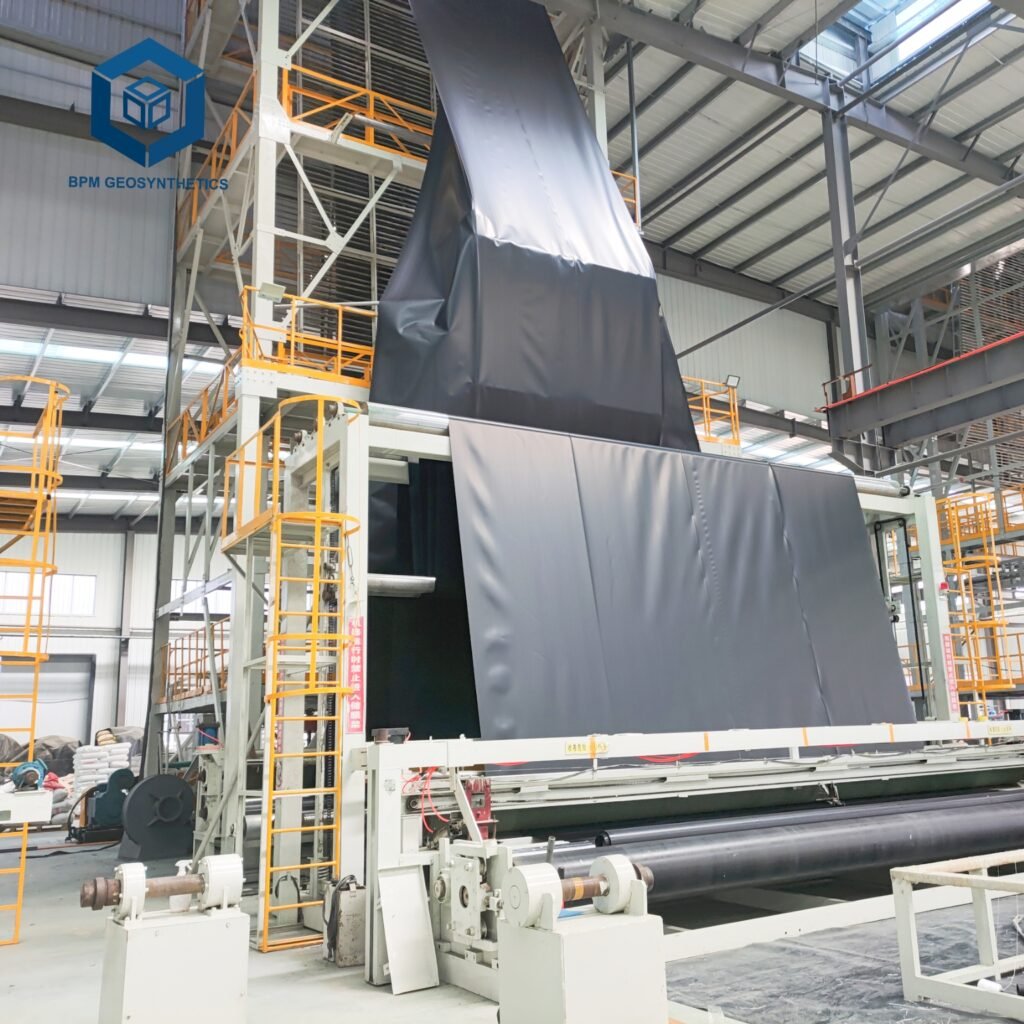
The primary function of an HDPE geomembrane is to create an impermeable barrier between the contained material and the underlying soil, preventing contamination and seepage. HDPE geomembranes prevent waste accumulation in the soil and block harmful chemicals such as ammonia, hydrogen sulfide, acids, and heavy metals from migrating into groundwater or adjacent ecosystems. This significantly reduces environmental risks and protects aquatic life in pond applications.
Manufactured from high-density polyethylene resin, HDPE geomembranes are highly flexible, waterproof, and chemically resistant. They exhibit an exceptionally low permeability coefficient of 1×10⁻¹⁷ cm/s and can operate effectively across a wide temperature range from -70°C to 110°C. Their strong anti-aging properties ensure long-term performance even under harsh geological and climatic conditions.
2. What Features Does a High-Quality HDPE Geomembrane Have?
A premium HDPE geomembrane possesses excellent anti-aging, anti-UV, anti-tear, and anti-puncture properties. It also features a high friction coefficient, low brittleness, minimal thermal deformation, and outstanding chemical stability. Additionally, it adapts to a broad range of ambient temperatures and resists degradation from asphalt, petroleum, tar, acids, alkalis, salts, and various other chemicals. These characteristics ensure superior anti-seepage performance, shorter construction periods, lower installation costs, plant root resistance, and excellent chemical corrosion resistance.
3. Selecting the Appropriate HDPE Geomembrane Thickness by Application
3.1 Aquaculture Ponds (Shrimp and Fish)
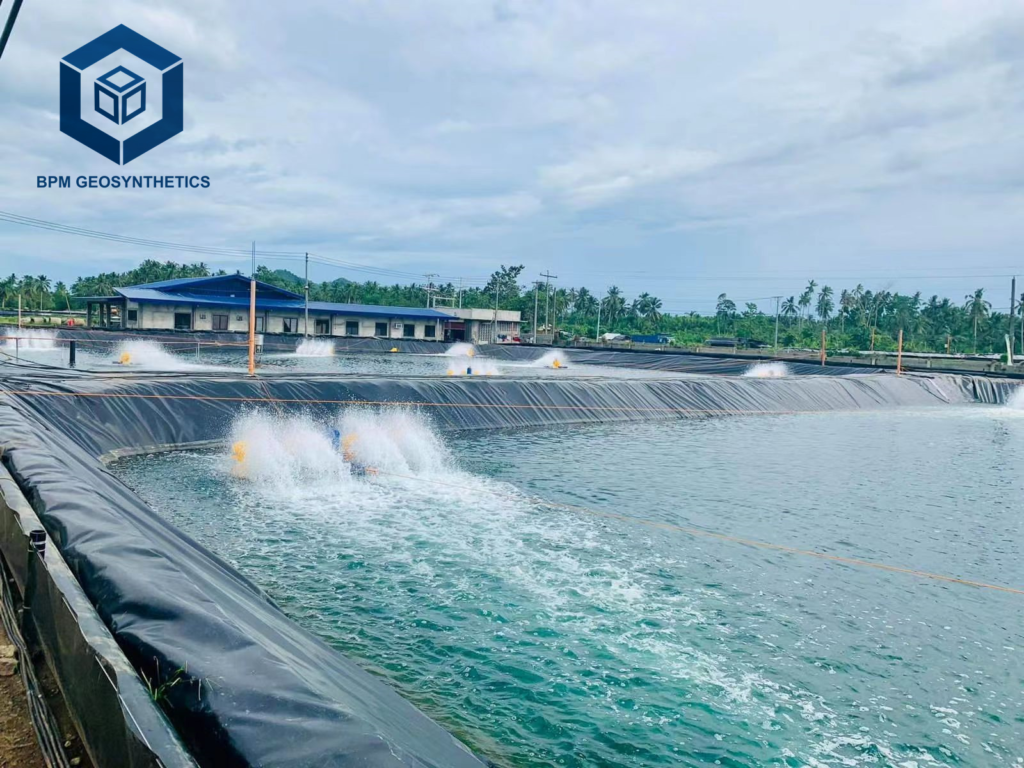
Aquaculture operations have become increasingly large-scale and intensive, requiring industrial feed systems, fertilization, aeration, and water exchange management. Geomembranes are now standard in major aquaculture projects worldwide.
Shrimp Ponds: We typically recommend a 0.5mm geomembrane for shrimp pond applications. The liner must withstand mechanical stress from harvesting equipment and resist the aggressive chemical environment associated with intensive shrimp farming.
Fish Ponds: Fish ponds generally use geomembranes ranging from 0.5mm to 0.75mm. In some Southeast Asian markets, 0.3mm liners are occasionally selected for cost-sensitive projects, though this may compromise long-term durability.
Key advantages of aquaculture geomembranes:
Durable and mechanically strong
Prevents weeds, grass, mud, and other contaminants from entering the pond
Creates a less hospitable environment for harmful bacteria, reducing the need for antibiotics
Protects slopes and banks from erosion
Allows for easy detection and quick removal of sediment and waste
Provides a smooth harvesting surface
Offers long-term UV protection in tropical facilities
Critical selection factors for aquaculture:
Stress cracking resistance
Tensile strength and elongation properties
Tear and puncture resistance
Project duration
UV exposure levels
3.2 Water Conservancy, Mining, Landfill, and Reservoir Projects
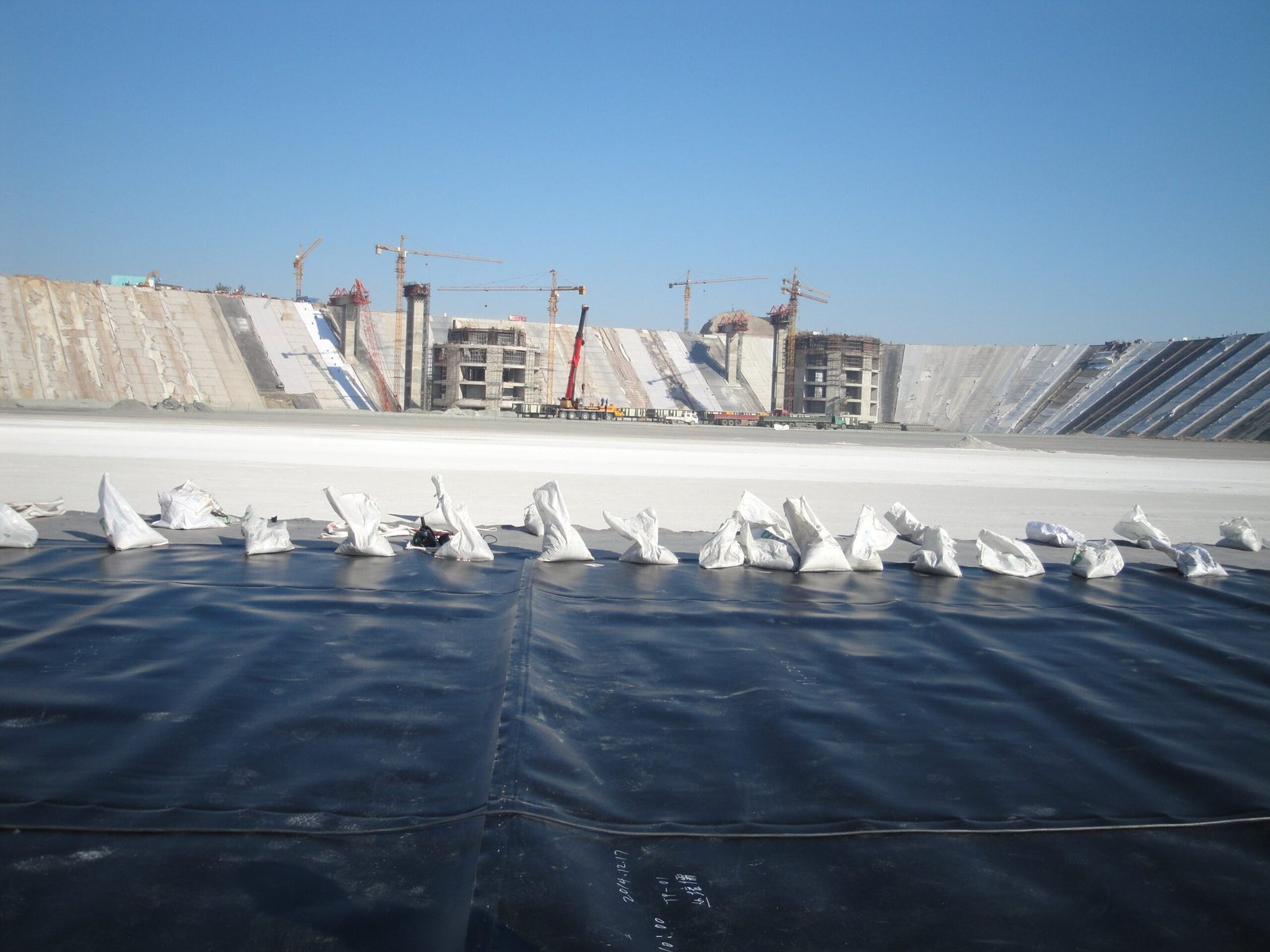
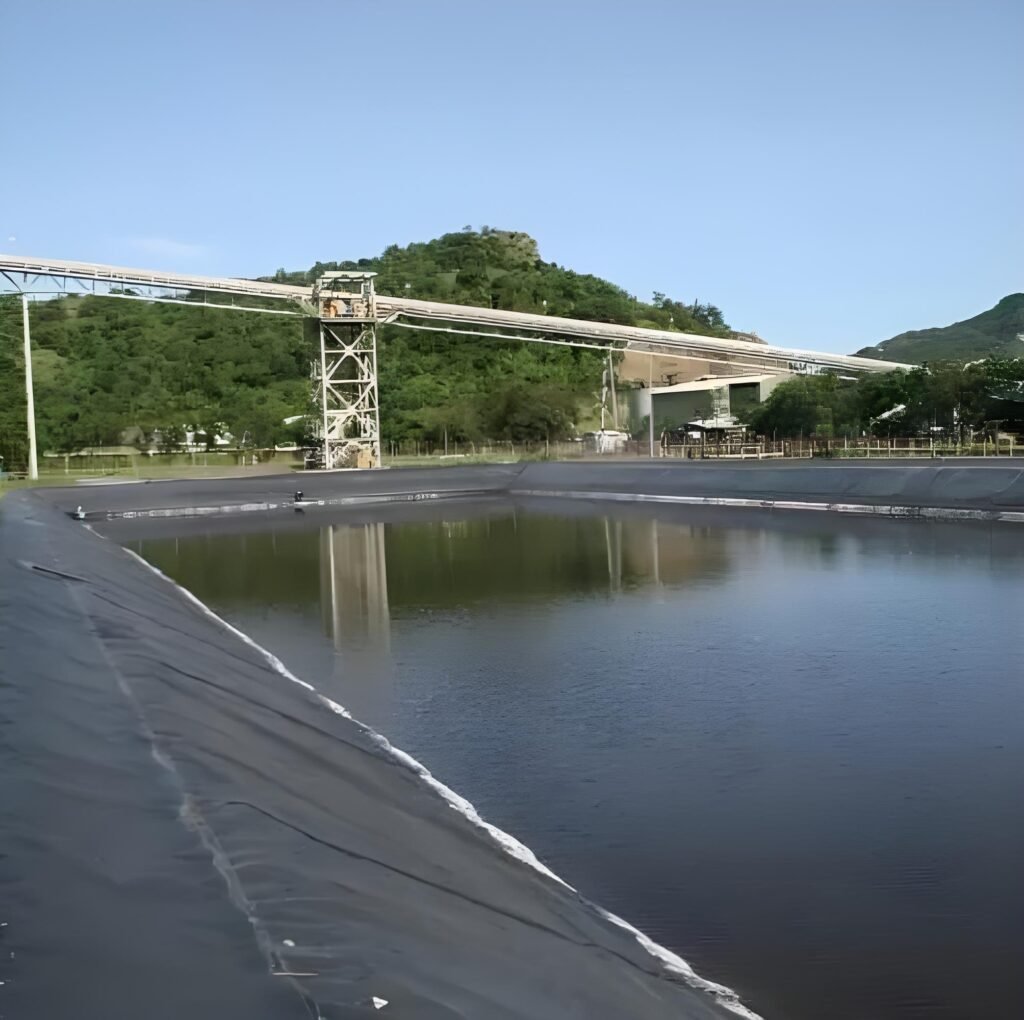
Hydropower and water storage facilities are expanding globally as demand for renewable energy increases. Geomembranes outperform traditional concrete or asphalt linings in both cost-effectiveness and impermeability. These demanding applications require geomembranes with high elasticity, superior water resistance, and exceptional mechanical strength. Consequently, thicker geomembranes—typically 1.2mm to 1.5mm—are specified.
Critical selection factors for heavy-duty applications:
Stress cracking resistance
Temperature range compatibility
UV exposure
Tensile and elongation properties
Project design life
Hydrostatic pressure
Interface friction (slope stability)
3.3 Evaporation Ponds
Evaporation ponds are engineered containment systems with large surface areas designed to use solar energy for efficient water evaporation. Customers typically select 1.0mm geomembranes for these installations.
Common evaporation pond applications:
Removing water from hazardous waste
Separating ores from process water
Producing salt from seawater
Treating brine from desalination plants
Selection considerations: Low permeability, chemical resistance, temperature range, project duration, and UV exposure.
4. What Factors Affect the Selection of HDPE Geomembrane Thickness?
4.1 Pond or Containment Size and Depth
Larger containment areas or those with greater liquid depth require thicker geomembranes to withstand increased hydrostatic pressure and mechanical stress. The depth of the pond is particularly important, as it determines the liner’s ability to resist water pressure. For shallow applications (less than 2 meters), 0.50mm–0.75mm is typically sufficient. For deeper containment (2–5 meters or more), 0.75mm–1.5mm is recommended.
4.2 Site Conditions
Soil conditions at the project site—including the presence of sharp rocks, tree roots, or construction debris—must be carefully evaluated. Thicker geomembranes offer superior puncture resistance. If the subgrade is highly permeable or contains abrasive materials, a thicker liner or additional protective geotextile layer should be considered.
4.3 Chemical Exposure
If the contained liquid includes aggressive chemicals, hydrocarbons, or industrial effluents that may gradually degrade the liner material, a thicker geomembrane will provide increased chemical resistance and extended service life.
4.4 UV Exposure
Geomembranes exposed to direct sunlight will experience gradual UV degradation. Thicker liners inherently contain more stabilizing material and generally offer better long-term UV resistance. For fully exposed applications, consider geomembranes with enhanced carbon black content and UV stabilizers.
4.5 Installation Method
Installation techniques can influence thickness selection. Proper installation—including the use of cushioning layers, protective geotextiles, and qualified welding procedures—can optimize liner performance regardless of thickness. However, in situations where installation conditions are challenging, a thicker liner provides an additional safety margin.
4.6 Design Life and Longevity
The expected service life of the geomembrane is a primary consideration. Thicker liners typically last longer and deliver better lifecycle cost efficiency.
Expected Service Life | Recommended Thickness |
3–5 years | 0.50mm–0.75mm |
5–10 years | 0.75mm–1.0mm |
10–20+ years | 1.0mm–1.5mm or greater |
4.7 Manufacturer and Engineering Recommendations
Always follow the manufacturer’s technical guidelines and engineering specifications to ensure performance compliance and warranty validity. Reputable manufacturers provide detailed thickness recommendations based on project-specific conditions.
4.8 Application-Specific Requirements
Different end uses demand different geomembrane thicknesses:
Standard fish farming: 0.50mm–0.75mm
Intensive shrimp or crab farming: 0.75mm–1.5mm (to address higher mechanical and biological stress)
Mining heap leach pads: 1.5mm–2.0mm
Municipal solid waste landfills: 1.5mm–2.5mm
Hazardous waste containment: 2.0mm or greater
5. Summary
HDPE geomembrane is an ideal, cost-effective solution for a wide range of containment applications. The correct thickness selection depends on pond size, soil conditions, intended use, presence of sharp objects, chemical exposure, and environmental factors. High-density polyethylene remains the material of choice due to its exceptional chemical resistance, puncture resistance, flexibility, and long-term durability.
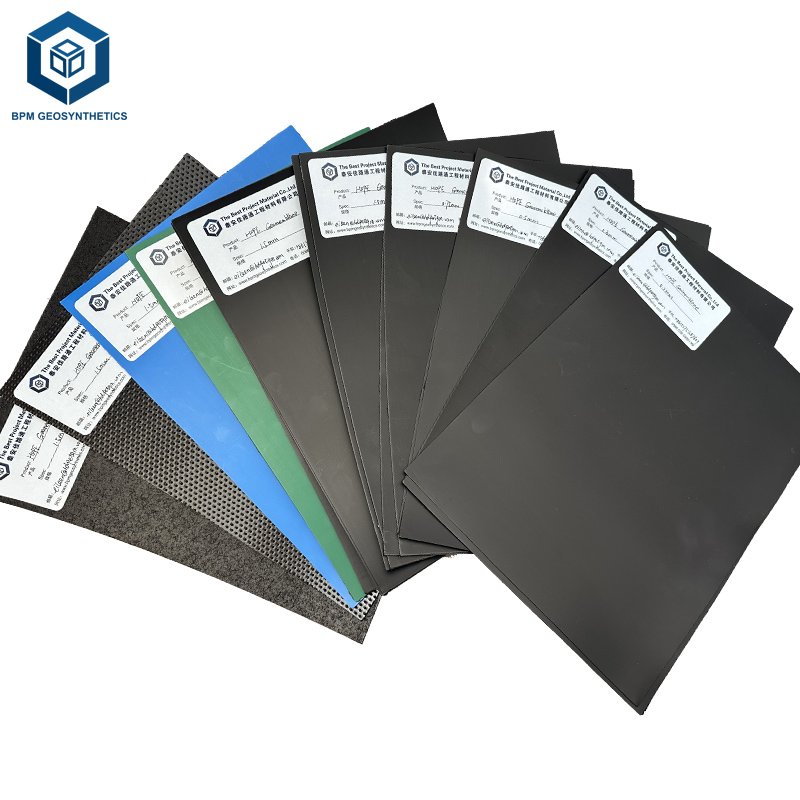
If you are planning a pond lining, landfill, mining, or water containment project, our technical team is available to assist you. With over 20 years of manufacturing experience, we provide comprehensive geomembrane solutions tailored to your specific project requirements. For questions regarding HDPE geomembrane specifications, thickness selection, or to request free samples, please contact our engineering team today.