Dam liners serve as impermeable barriers that prevent water seepage, protect the surrounding environment, and help in efficient water storage. They are essential components in various water management projects, including reservoirs, irrigation systems, and environmental protection initiatives. The selection of an appropriate dam liner is crucial for ensuring the longevity and effectiveness of the structure, making cost considerations a vital aspect of project planning.This article guide delves into the intricate details of dam liner costs, exploring the factors influencing pricing, cost-effective solutions, and tips for optimizing expenses without compromising on quality and performance.
1.What Exactly Is a Dam Liner?
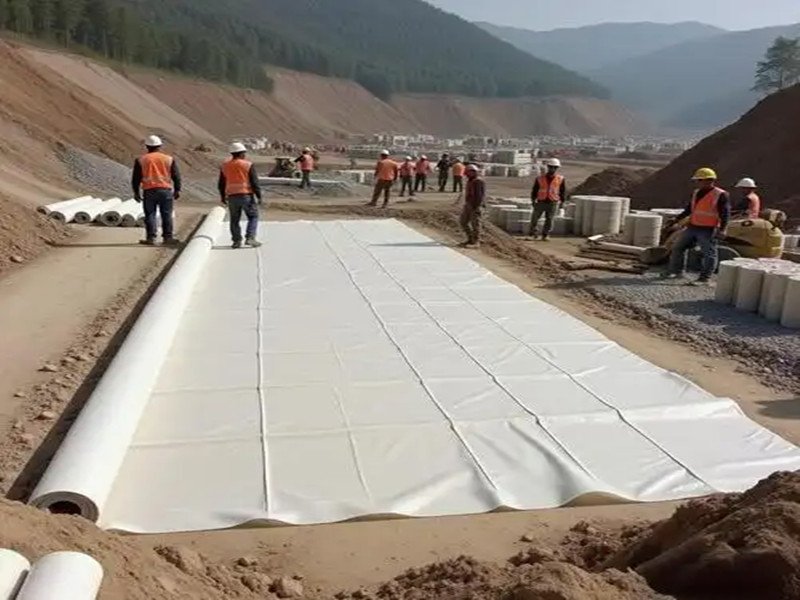
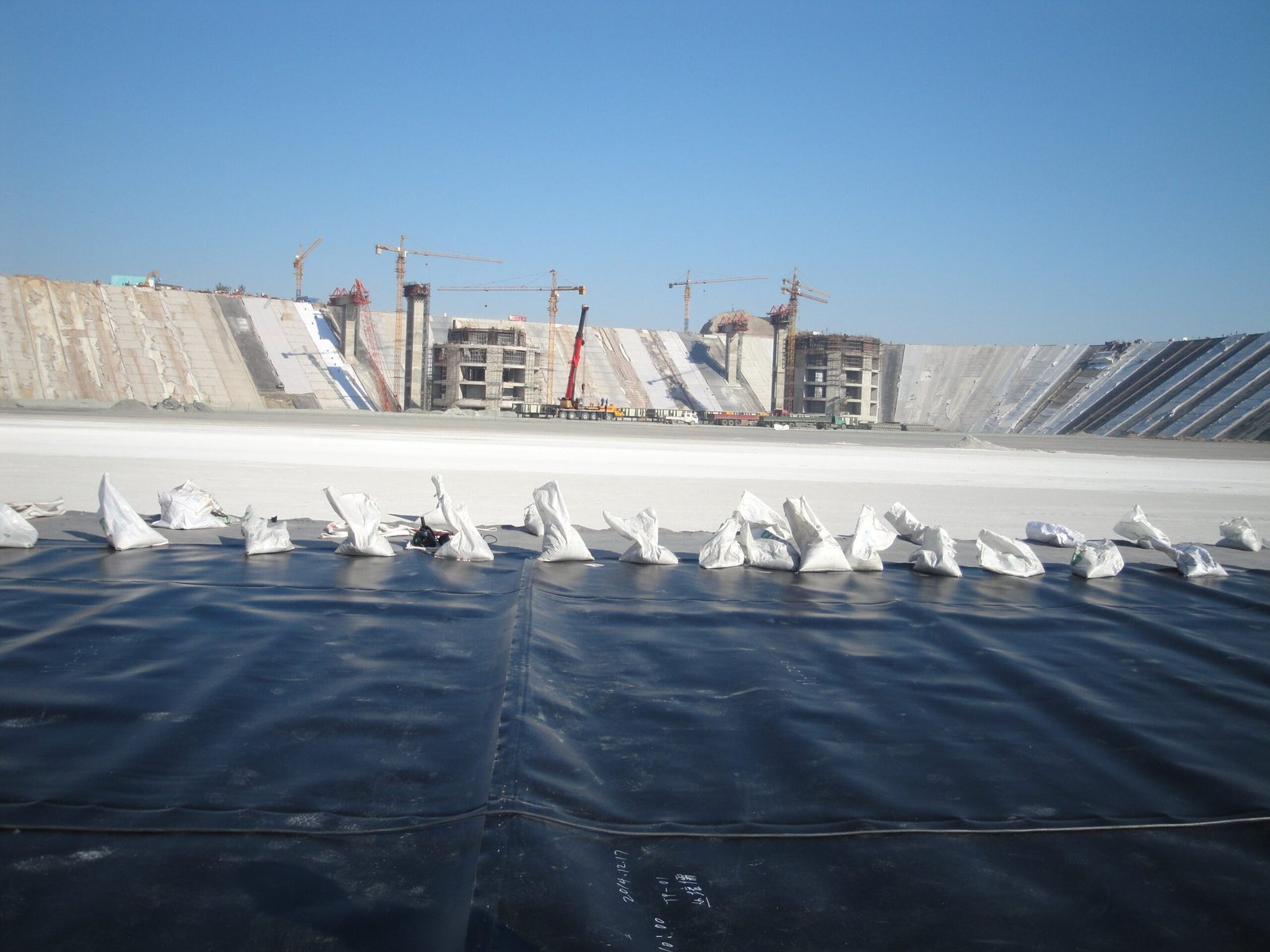
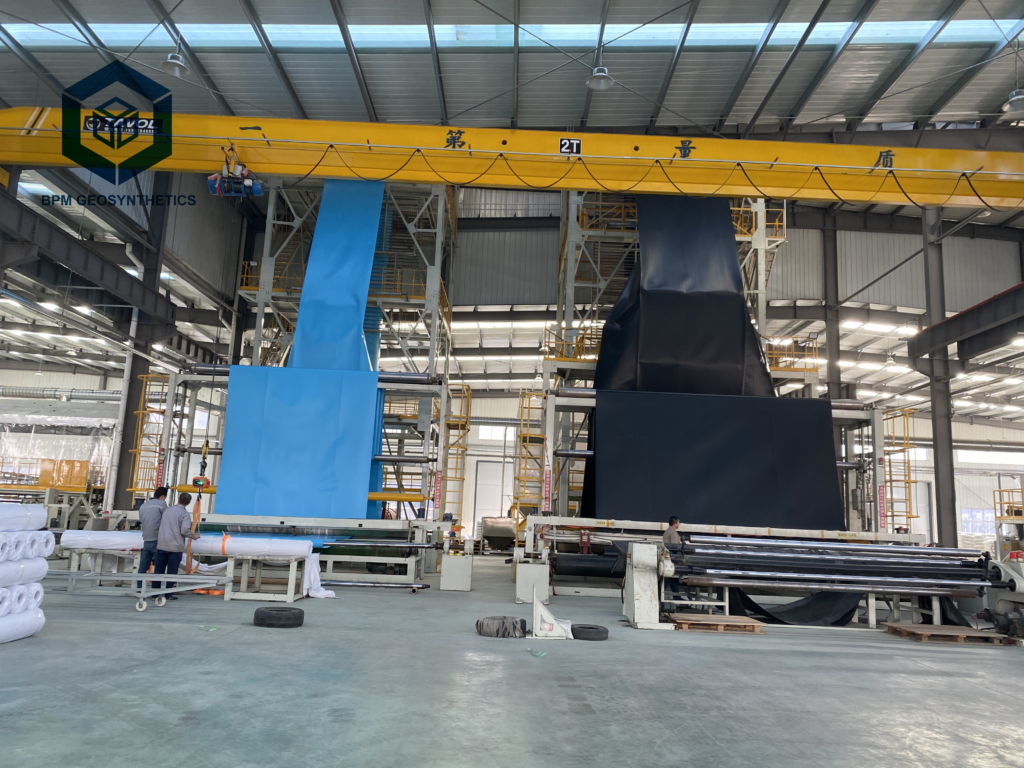
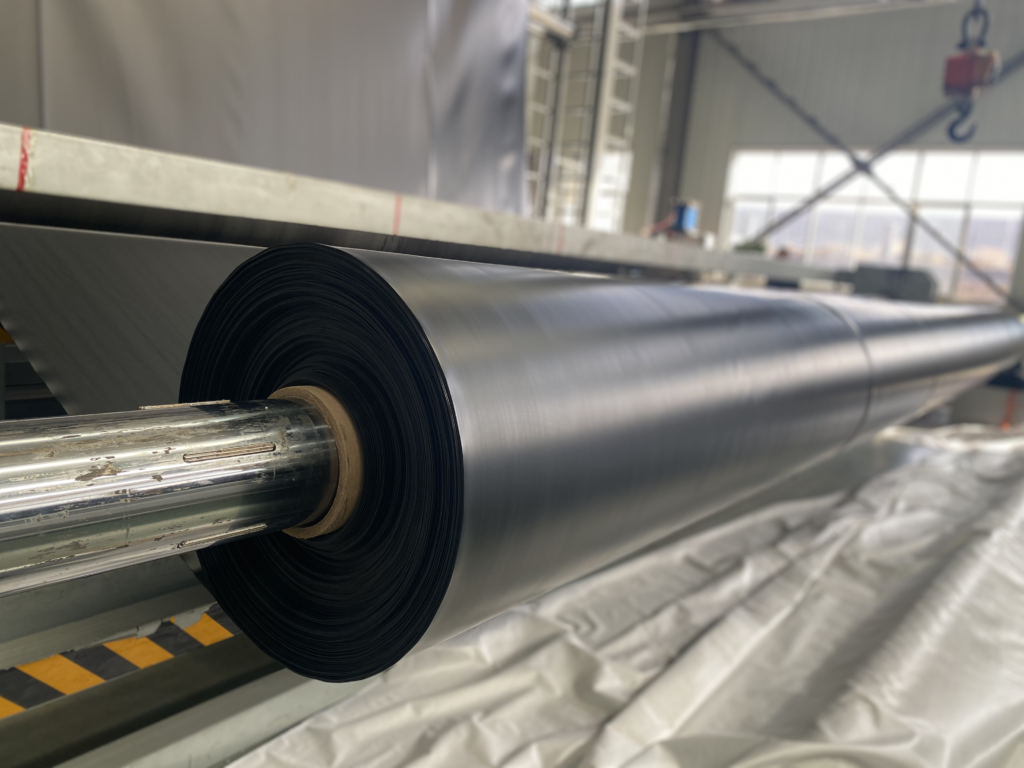
A dam liner is known as geomembrane, an engineered, impermeable membrane that is placed on the upstream face, floor or entire wetted perimeter of a dam, reservoir, pond or tailings facility to stop water, leachate or gas from escaping into the ground. Although the word “liner” sounds simple, modern products are multi-layer, high-tech geosynthetics that can last half a century if they are chosen and installed correctly.Unlike the clay or concrete linings of the past, today’s liners are flexible sheets, BPM Geoosynthetics Produce 0.2 mm to 3 mm thick—that arrive on site in rolls up to 8 m wide and 200 m long. They are welded or bonded on site to create a continuous “bathtub” that can adapt to settlement, temperature cycles and even moderate seismic movement without losing watertightness .
2.Characteristics of Dam Liners
The characteristics of dam liners play a crucial role in determining their effectiveness, durability, and overall performance. Here are some key characteristics of dam liners:
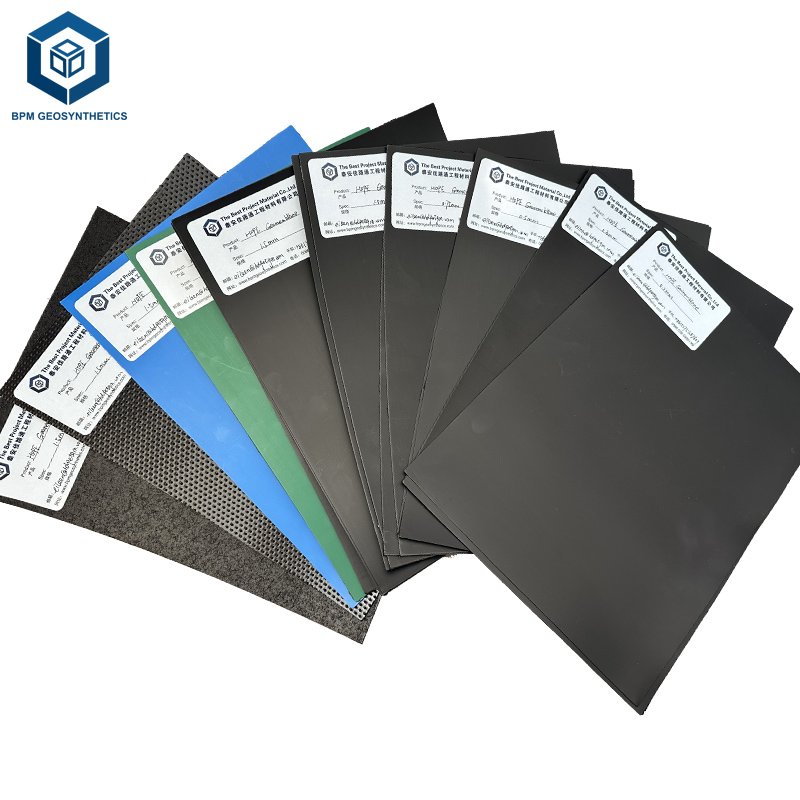
Material Composition: Dam liners are typically made from materials such as high-density polyethylene (HDPE), polyvinyl chloride (PVC), ethylene propylene diene monomer (EPDM), or reinforced polypropylene. The choice of material influences the liner’s flexibility, durability, chemical resistance, and longevity.
Impermeability: impermeable nature of dam liners prevents water from seeping through and ensures efficient water containment. Impermeability is essential for maintaining water levels and preventing leakage in dams.
Durability: Dam liners are designed to withstand harsh environmental conditions, UV exposure, temperature fluctuations, and mechanical stress.
Flexibility: Flexibility allowing liners to conform to the shape of the dam structure and accommodate movements or settling of the foundation. Flexible liners are easier to install and provide a seamless barrier against water seepage.
Chemical Resistance: Dam liners may be exposed to various chemicals, including water treatment chemicals, fertilizers, and industrial effluents. Chemical resistance is essential to ensure that the liner remains intact and unaffected by potentially corrosive substances.
UV Stability: Exposure to ultraviolet (UV) radiation can degrade the material of dam liners over time. UV-stable liners are equipped with additives that protect against UV damage, extending the lifespan of the liner and maintaining its integrity in outdoor applications.
Tear and Puncture Resistance: Dam liners should possess high tear and puncture resistance to withstand potential damage from sharp objects, rocks, or debris. A liner with excellent tear strength and puncture resistance can prevent leaks and maintain the integrity of the containment system.
Seam Strength: In cases where dam liners are installed using welding or seaming techniques, the strength of the seams is crucial. Strong seams ensure that the liner remains watertight and secure, minimizing the risk of leaks or failures along the joins.
Installation Method: The characteristics of dam liners also include considerations such as ease of installation, compatibility with different installation methods (e.g., welding, seaming), and the expertise required for proper installation. The installation method can impact the overall performance and longevity of the liner.
Regulatory Compliance: Some dam liners need to meet specific regulatory standards and certifications to ensure compliance with environmental regulations and safety requirements. Characteristics related to regulatory compliance may include certifications for water quality, environmental impact, or safety standards.
3.Where Are Dam Liners Used?
Agricultural water storage – irrigation reservoirs, fish ponds, shrimp farms.
Potable water reservoirs – municipal storage, emergency fire water.
Mining & industry – heap-leach pads, tailings dams, process ponds.
Energy – coal-ash ponds, fracking impoundments, solar farm evaporation ponds.
Waste management – landfill caps & cells, biogas lagoons.
Construction dewatering – temporary settlement ponds, tunneling.
Recreation – golf-course lakes, koi ponds, artificial ski lagoons.
Each use-case has a different regulatory hurdle and therefore a different cost multiplier. For example, a liner for a copper leach pad must pass ASTM 5514 chemical immersion tests, while a simple irrigation dam only needs to hold water .
4.Factors Influencing Dam Liner Costs
4.1 Material Quality
Dam liners are available in various materials, with high-density polyethylene (HDPE), polyvinyl chloride (PVC), and ethylene propylene diene monomer (EPDM) being common choices. The quality of the material significantly impacts the cost of the dam liner. HDPE liners, known for their durability and flexibility, are often preferred for their cost-effectiveness and long-term performance.
4.2 Size and Complexity
The size and complexity of the dam play a crucial role in determining the cost of the liner. Larger dams with intricate designs require more material and labor for installation, leading to higher expenses. Factors such as depth, surface area, and design intricacies influence the overall cost of the dam liner.
4.3 Installation Methods
The method of installation also affects the cost of dam liners. Prefabricated liners may offer cost savings compared to onsite welding methods, which require welding machines, skilled labor, and specialized installation techniques. The choice of installation method should be based on cost-effectiveness and project requirements.
4.4 Geographical Location
Local factors such as labor costs, transportation expenses, and regulatory requirements vary based on the project location. Geographical considerations can impact the total cost of dam liner installation. It is essential to factor in these local costs when budgeting for the project.
4.5 Long-Term Maintenance and Durability
Investing in a high-quality dam liner that requires minimal maintenance and has a longer lifespan can result in cost savings over time. While initial costs may be higher for premium liners, their durability and longevity often outweigh the expenses associated with frequent maintenance and repairs.
5.Cost-Effective Solutions and Budgeting Strategies
Cost-effective solutions and budgeting strategies are crucial aspects of project planning, ensuring that resources are allocated efficiently while maintaining quality and performance standards. When it comes to dam liner installations, optimizing costs without compromising on effectiveness is paramount. Here are some key cost-effective solutions and budgeting strategies to consider
5.1 Comparative Analysis
Conduct a thorough comparative analysis of different dam liner materials, suppliers, and installation methods to identify the most cost-effective option for your project.
Consider factors such as material quality, durability, installation complexity, and long-term maintenance requirements in your analysis.
5.2 Budget Allocation
Allocate your budget effectively by prioritizing essential aspects such as high-quality materials, professional installation, and long-term durability.
Set aside contingency funds for unforeseen expenses or adjustments during the project to avoid budget overruns.
5.3 Negotiation and Bulk Purchases
Negotiate with suppliers for favorable pricing and explore bulk purchase options to benefit from volume discounts.
Seek quotes from multiple suppliers and leverage competitive pricing to secure cost-effective deals. BPM Geosynthetic will supply you best price for dam liners.
5.4 Regular Maintenance
Implement a proactive maintenance plan to extend the lifespan of the dam liner and prevent costly repairs or replacements in the future.
Regular inspections, timely repairs, and adherence to maintenance schedules can significantly reduce long-term maintenance costs.
5.5 Optimize Installation Methods
Choose installation methods that offer cost savings without compromising on quality. Consider prefabricated liners or efficient welding techniques that minimize labor and material costs.
Invest in training for installation crews to ensure proper installation practices and avoid costly rework.
5.6 Professional Consultation
Seek advice from experienced engineers, contractors, and suppliers to gain insights into cost-effective solutions and efficient budget management strategies. Like BPM Geosythetic Team.
Professionals can provide recommendations on material selection, installation techniques, and maintenance practices that align with your budget constraints.
5.7 Long-Term Cost Considerations
Evaluate the long-term costs associated with different dam liner options, considering factors such as durability, maintenance requirements, and lifespan.
Prioritize quality and longevity to avoid frequent replacements or repairs, which can incur higher costs over time.
5.8 Sustainability and Environmental Impact
Consider the sustainability and environmental impact of dam liner materials and installation methods. Opt for eco-friendly options that align with sustainability goals and regulatory requirements.
Factor in potential cost savings from sustainable practices, such as reduced energy consumption or environmental compliance benefits
Conclusion
In conclusion, understanding the intricacies of dam liner costs is essential for successful project planning, budgeting, and execution in water management and environmental conservation initiatives. By considering factors such as material quality, size, installation methods, and maintenance requirements, project stakeholders can make informed decisions to optimize costs while ensuring the effectiveness and longevity of dam liner installations. With careful planning, cost-effective solutions, and a focus on quality, dam liner projects can be completed within budget constraints while meeting the desired performance and sustainability standards.More info, please contact BPM Geosynthetics Team.