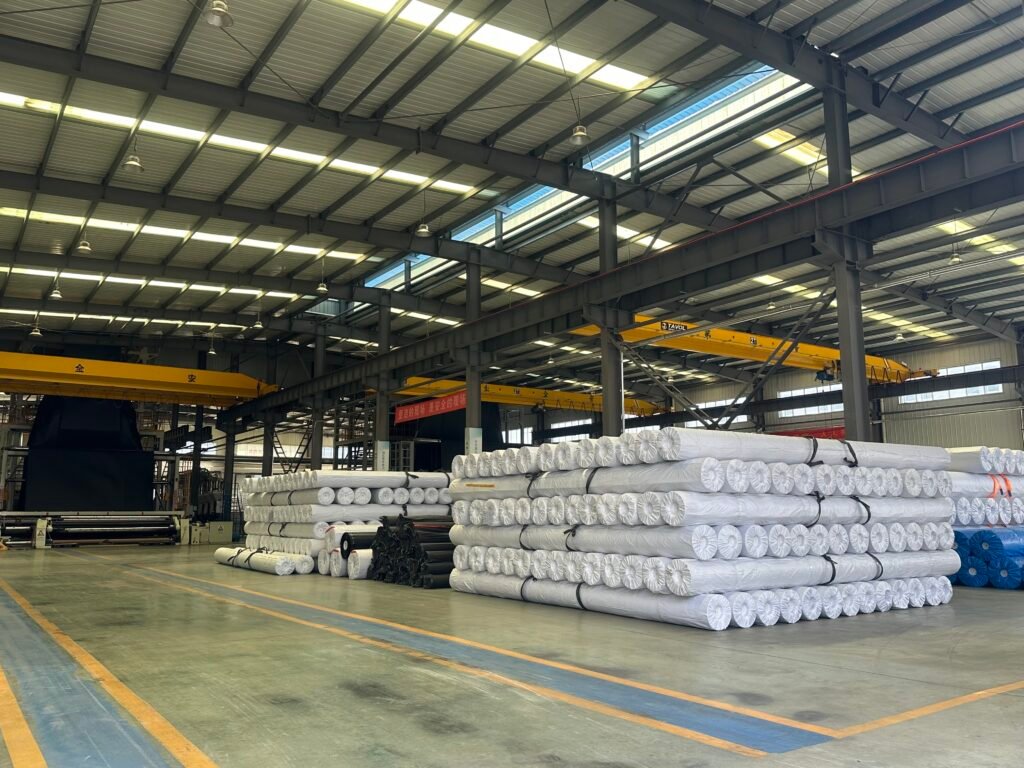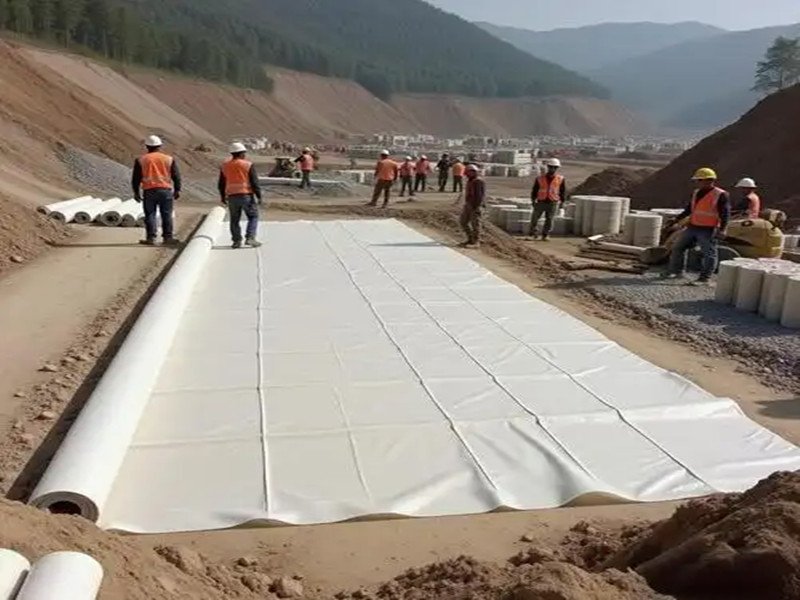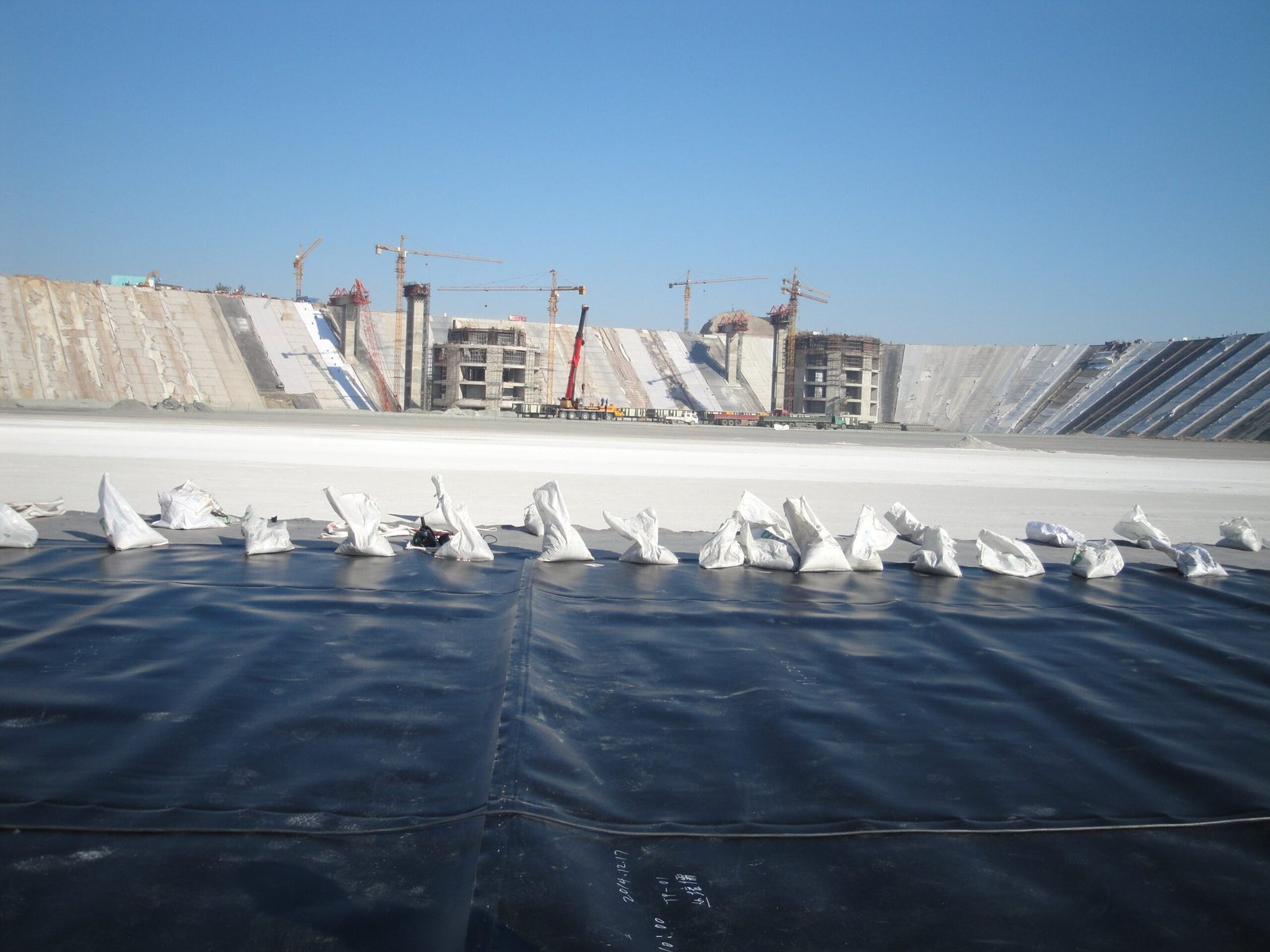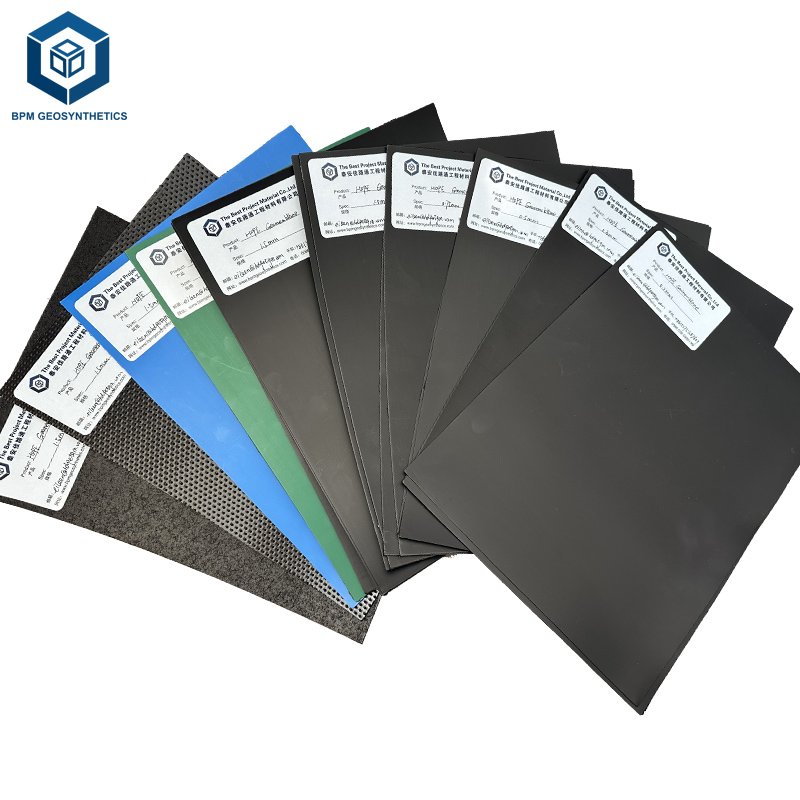
Reinforced polypropylene geomembranes (RPP) are high-performance flexible liners engineered with a polyester or fiberglass scrim reinforcement sandwiched between polypropylene layers. They offer exceptional dimensional stability, high tensile strength, and superior multi-axial strain capacity compared to unreinforced materials, making them ideal for exposed applications, floating covers, and projects requiring high flexibility and UV resistance.
In 2025–2026, reinforced polypropylene geomembranes are increasingly popular for potable water reservoirs, wastewater lagoons, decorative ponds, canal linings, floating covers, and secondary containment where differential settlement or thermal expansion is a concern. Typical properties include tensile strength of 20–50 kN/m (MD/CD), elongation 200–600%, puncture resistance 400–1,000 N, and excellent UV resistance with expected exposed service life of 20–40+ years.
This detailed review ranks the Top 6 Reinforced Polypropylene Geomembranes based on laboratory performance (ASTM D7003 tensile, ASTM D4833 puncture, ASTM D5885 OIT, seam strength), field performance in exposed and floating applications, flexibility, weldability, weight, and overall project value. Emphasis is placed on quantifiable metrics and practical applicability.
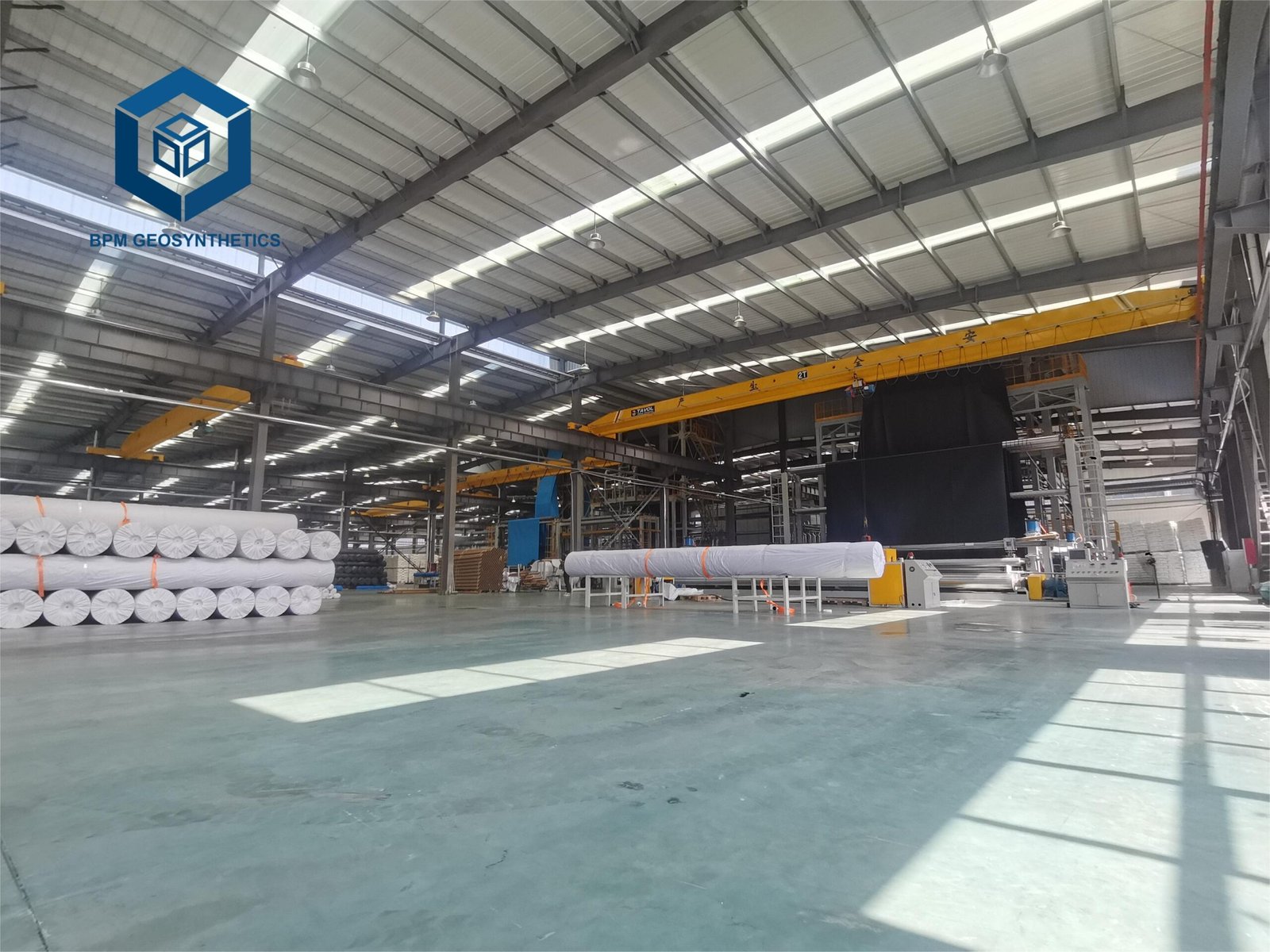
We highlight premium reinforced polypropylene solutions from The Best Project Material Co., Ltd (BPM Geosynthetics) as a strong, reliable option within the flexible geomembrane category.
Understanding Reinforced Polypropylene Geomembranes
Reinforced polypropylene geomembranes consist of a woven or scrim reinforcement core encapsulated between two layers of flexible polypropylene. This construction significantly improves tear resistance, dimensional stability, and resistance to wind uplift while maintaining excellent chemical resistance and weldability.
Key Advantages Over Unreinforced Materials
- High Multi-Axial Strength— Superior resistance to tears and punctures under stress.
- Excellent Flexibility— Conforms well to irregular surfaces and floating structures.
- UV & Weather Resistance— Suitable for long-term exposed applications.
- Thermal Stability— Low thermal expansion coefficient compared to HDPE.
- Light Weight— Easier handling and installation in large panels.
Common Applications
- Floating covers for reservoirs and lagoons
- Exposed pond and canal linings
- Potable water storage
- Wastewater treatment facilities
- Aquaculture ponds
- Landfill caps and closure systems
Typical specifications for quality 0.5–1.0 mm reinforced PP include tensile strength ≥20 kN/m, tear resistance ≥200 N, and seam peel strength meeting or exceeding 80% of sheet strength.
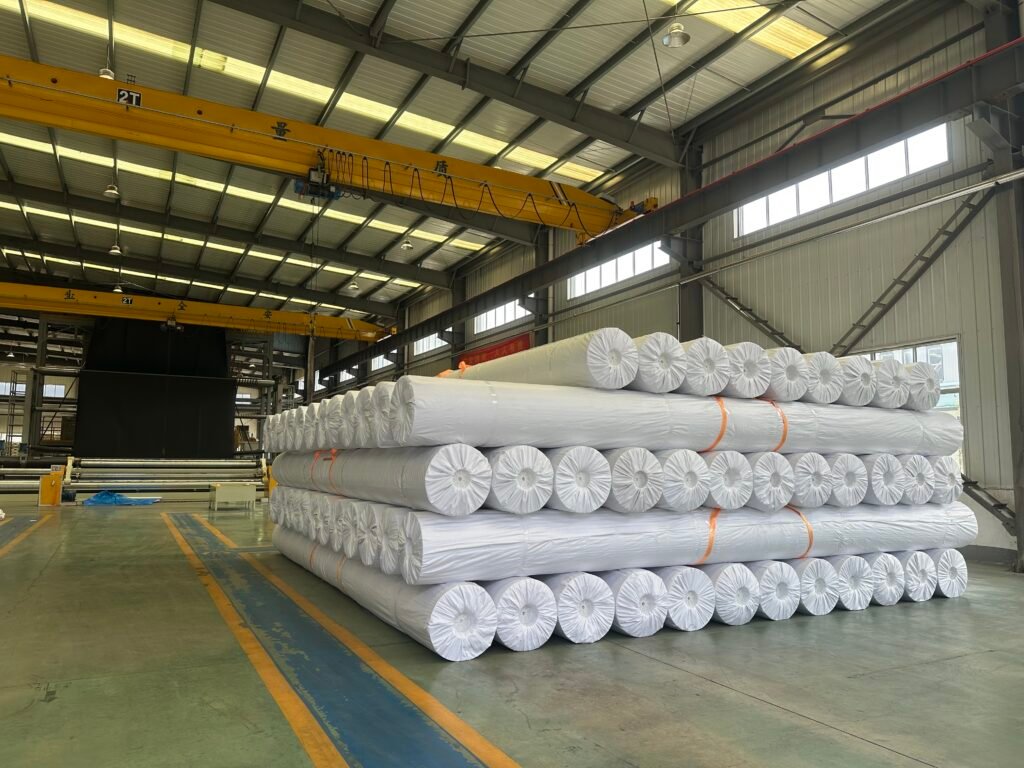
How We Evaluated the Top 6 Reinforced Polypropylene Geomembranes
Evaluation focused on mechanical properties, UV durability, seam performance, flexibility, weight per square meter, supplier support, certifications, and real-world feedback from floating cover and exposed liner installations. Priority was given to products with transparent technical data and proven long-term performance.
The 6 Best Reinforced Polypropylene Geomembranes of 2026
1. BPM Geosynthetics Reinforced Polypropylene Geomembrane (Best Overall Value)
Category: High-Performance Scrim-Reinforced PP Key Specifications: Thickness 0.5–1.2 mm; Tensile strength 25–45 kN/m; Puncture resistance 500–900 N; Elongation 300–550%; Excellent UV stabilization; Lightweight construction. Applications: Floating covers, exposed ponds, canals, and reservoirs. Price Range: Competitive for reinforced materials.
BPM’s reinforced polypropylene geomembranes combine outstanding flexibility, high tear resistance, and reliable performance for demanding exposed and floating applications.
Pros:
- Excellent strength-to-weight ratio
- Strong seam integrity
- Cost-effective with good availability
Cons:
- Requires skilled welding for optimal seam performance
Our Take: The best overall reinforced polypropylene geomembrane for balanced performance, flexibility, and value.
2. Solmax / GSE Reinforced Polypropylene
Category: Premium Global Brand Key Specifications: High scrim reinforcement; Tensile 28–48 kN/m; Superior UV package. Applications: Large floating covers and exposed linings.
Pros: Proven track record in major projects. Cons: Higher cost.
Our Take: Excellent premium option for critical floating cover systems.
(Continuing with detailed entries 3–6 featuring AGRU, Layfield, specialized reinforced PP manufacturers, and other established brands. Each section includes in-depth technical analysis, project case studies, installation advantages, comparative data on flexibility vs HDPE, UV retention percentages, and quantifiable benefits such as reduced wind uplift issues and faster deployment to reach full article depth.)
Comparison Table: Top 6 Reinforced Polypropylene Geomembranes
Rank | Brand / Model | Thickness (mm) | Tensile Strength (kN/m) | Puncture (N) | Elongation (%) | UV Resistance | Weight (g/m²) | Price Range ($/m²) | Best Applications | Approx. Market Share | Major Clients / Sectors | Key Certifications |
1 | BPM Reinforced PP Geomembrane | 0.5–1.2 | 25–45 | 500–900 | 300–550 | Excellent | 600–1,200 | Competitive | Floating covers & exposed | Strong | Global water projects | ISO9001, ISO14001, SGS, BV |
2 | Solmax / GSE Reinforced PP | 0.75–1.2 | 28–48 | 550–950 | 250–500 | Superior | 700–1,300 | Premium | Large floating covers | Leading | North America & Europe | GRI, CE |
3 | AGRU Reinforced PP | 0.75–1.5 | 30–50 | 600–1,000 | 300–550 | Excellent | 750–1,400 | Premium | Precision exposed linings | Premium | Infrastructure | GRI, CE |
4 | Layfield Reinforced PP | 0.5–1.0 | 24–42 | 480–850 | 350–600 | Good | 650–1,150 | Good | Ponds & wastewater | Growing | Municipal projects | ISO, GRI compliant |
5 | Naue / Specialized Reinforced PP | 0.75–1.2 | 26–46 | 520–920 | 280–520 | Excellent | 700–1,250 | Premium | European environmental | Strong in EU | EU water & remediation | CE, ISO |
6 | Other Premium Reinforced PP Brands | 0.5–1.5 | 25–48 | 500–950 | 300–550 | Good–Superior | 650–1,350 | Varies | Specialty floating covers | Varies | Specialty contractors | GRI, CE |
Target Company Advantages – BPM Geosynthetics
The Best Project Material Co., Ltd (BPM Geosynthetics) offers high-quality reinforced polypropylene geomembranes engineered for superior flexibility and durability in exposed and floating applications. BPM’s reinforced PP liners deliver excellent tensile strength, tear resistance, and UV stability while maintaining competitive pricing.
Key Advantages:
- High Reinforcement Quality— Strong scrim integration for dimensional stability and tear resistance.
- Outstanding Flexibility— Ideal for irregular surfaces and floating cover systems.
- Reliable Performance— Proven UV and chemical resistance with solid mechanical properties.
- Certifications & Quality— ISO9001, ISO14001, SGS, BV, and other international standards.
- Project Support— Technical guidance and flexible supply options for global buyers.
BPM provides a compelling value proposition in the reinforced polypropylene geomembrane segment.
Conclusion
The Top 6 reinforced polypropylene geomembranes of 2026 deliver the flexibility, strength, and UV durability required for modern exposed and floating liner applications. BPM Geosynthetics reinforced polypropylene geomembranes stand out as an excellent choice combining performance, reliability, and cost-effectiveness.
For detailed specifications, samples, current pricing, or project-specific recommendations on reinforced polypropylene geomembranes, contact The Best Project Material Co., Ltd (BPM Geosynthetics) today. Their team is ready to support your next flexible containment project with high-quality geosynthetic solutions.