The 8 Best Geomembrana in HDPE Review
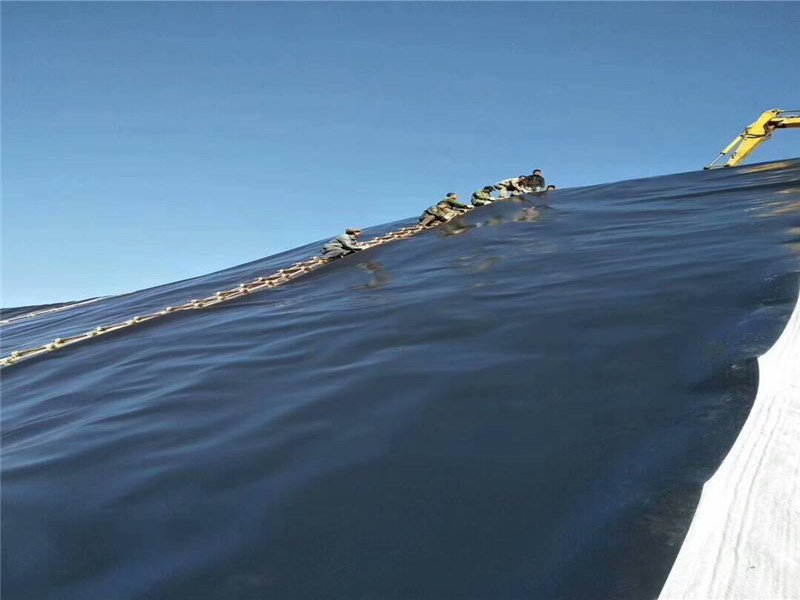
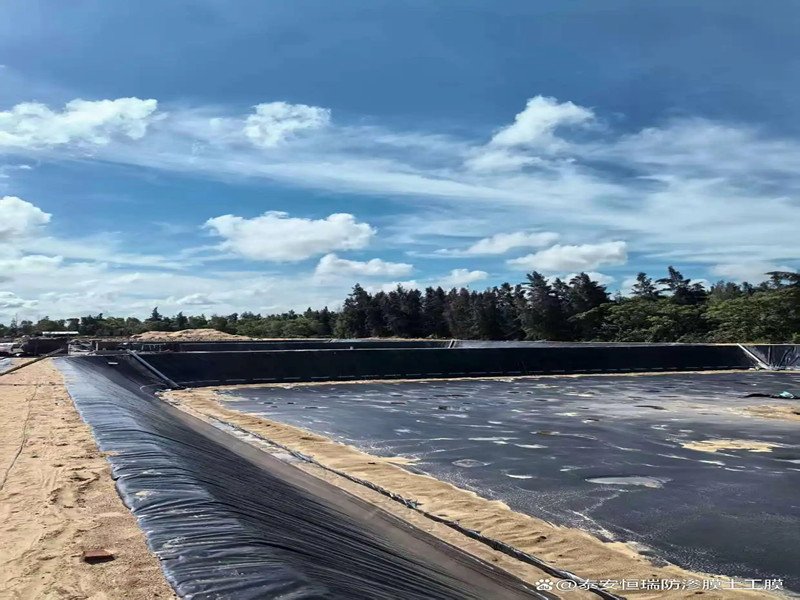
Geomembrana in HDPE, or high-density polyethylene geomembrane, stands as the most widely adopted impermeable liner in geosynthetics, delivering exceptional barrier performance against fluid and gas migration in demanding environmental and civil engineering applications. These robust synthetic sheets, manufactured from virgin HDPE resin with densities typically ≥0.940 g/cm³ (ASTM D1505), excel in chemical resistance across pH 2-13 ranges, UV stability (via 2-3% carbon black and stabilizers), puncture resilience, and long-term durability, often exceeding 50-100 years in covered installations or 30+ years exposed.
The global geomembrane market continues its upward trajectory in 2026, surpassing USD 3.2 billion with a CAGR of approximately 5-6%, propelled by stricter environmental regulations (EPA Subtitle D, EU directives), mining heap leach expansions, landfill modernizations, water infrastructure projects, and aquaculture growth. HDPE geomembrana dominates this segment with 42-48% share, outperforming PVC (more flexible but shorter lifespan in aggressive chemicals) and LLDPE (higher elongation but lower rigidity) in high-stakes containment scenarios.
Geomembrana in HDPE achieves near-zero permeability (<10⁻¹¹ cm/s), enabling 98%+ seepage prevention in landfills, mining pads, wastewater lagoons, reservoirs, secondary containment, and stormwater ponds. Compliance with GRI-GM13 remains the gold standard for smooth and textured HDPE, mandating minimums such as tensile yield strength ≥22 kN/m (1.5 mm thickness, ASTM D6693), puncture resistance ≥480 N (ASTM D4833), HP-OIT ≥400 min (ASTM D5885), ESCR >500 hours (ASTM D5397), and carbon black dispersion category 1-3.
This detailed review ranks the 8 best geomembrana in HDPE drawing from 2026 industry insights, third-party lab data (GRI, TRI Environmental), field performance in global projects, and key metrics including mechanical properties, oxidative durability, seam weld efficiency (>80% parent material strength), and overall project value. Emphasis is placed on established non-Chinese manufacturers, with BPM Geosynthetics’ HDPE geomembrana highlighted for its competitive performance, customization, and reliability in international applications.
Data-driven advantages include reduced environmental risks (leakage probability <1% with proper installation), 20-40% material/labor savings via wide rolls (up to 10 m), and enhanced slope stability in textured variants (interface friction angles 25-35°).
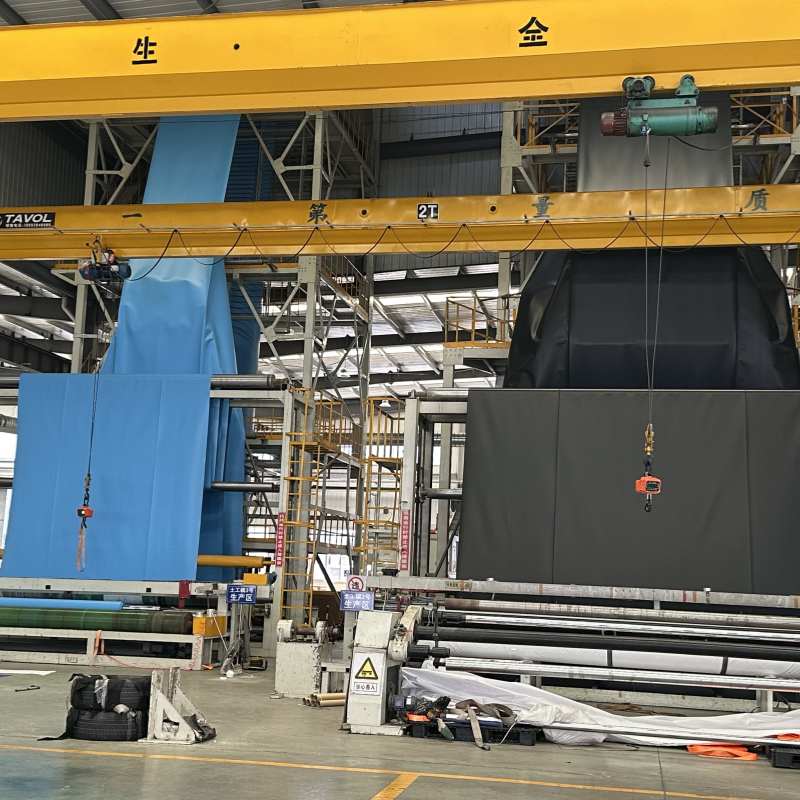
Understanding Geomembrana in HDPE: Types, Standards, and Essential Metrics
Geomembrana in HDPE is extruded or calendared from high-molecular-weight polyethylene, available in smooth (flat containment) or textured (slope reinforcement with asperity heights ≥0.25 mm) configurations. Thicknesses span 0.5-3.0 mm (20-120 mil), with 1.0-2.0 mm prevalent for mining/landfills.
GRI-GM13 and supporting ASTM standards define performance:
- Density— ≥0.940 g/cm³ for structural integrity.
- Tensile Properties(ASTM D6693) — Yield 15-50 kN/m, break 25-80 kN/m, elongation ≥700%.
- Puncture Resistance(ASTM D4833/D1004) — 300-1000 N to resist aggregate/installation damage.
- Oxidative Induction Time— Standard OIT ≥100 min; HP-OIT ≥400 min (premium often >800 min) for antioxidant longevity.
- Stress Crack Resistance(NCTL, ASTM D5397) — >500 hours, up to >3000 in advanced formulations.
- UV/Oven Aging— Retention ≥55-80% properties post-exposure.
- Weld Integrity— Shear/peel strength ≥80% via hot wedge/extrusion methods.
- Temperature Range— Operational -60°C to +60°C+.
These ensure geomembrana in HDPE withstands mechanical stresses, thermal fluctuations, and chemical attacks while maintaining barrier function.
Top 8 Geomembrana in HDPE Ranked
1. Solmax HDPE Geomembrana (Best Overall for Global Scale and Proven Reliability)
Solmax delivers premium HDPE geomembrana with high production volumes and extensive project history.
Key Specs:
- Thickness: 0.75-3.0 mm
- Tensile Yield: 25-50 kN/m
- Puncture: 500-1000 N
- HP-OIT: ≥400-800 min
- Certifications: ISO 9001, CE, NTPEP, GRI-GM13
Ideal for large landfills and mining; textured variants boost slope performance.
2. GSE Environmental HDPE Geomembrana (Best for Hazardous and Leachate Applications)
Specialized in robust containment for aggressive environments.
Key Specs:
- Thickness: 0.75-3.0 mm
- Tensile Yield: 25-50 kN/m
- Puncture: 500-900 N
- ESCR: >1000 hours
Superior chemical resistance and shear strength.
3. AGRU America HDPE Geomembrana (Best for Precision Extrusion and Water Containment)
Uniform thickness via advanced flat-die processes.
Key Specs:
- Thickness: 1.0-3.0 mm
- Tensile Yield: 22-40 kN/m
- Puncture: 480-800 N
- HP-OIT: ≥400 min
Wide rolls minimize seams; excellent for reservoirs.
4. Atarfil HDPE Geomembrana (Best for Superior Long-Term Durability)
Exceeds GRI-GM13 with enhanced antioxidants and SCR.
Key Specs:
- Thickness: 0.75-3.0 mm
- Tensile Yield: 25-45 kN/m
- Puncture: 500-850 N
- ESCR: >3000 hours
High retention after aging; suited for exposed conditions.
5. NAUE GmbH HDPE Geomembrana (Best for Slope Stability and European Standards)
Engineered for steep inclines and compliance.
Key Specs:
- Thickness: 0.75-2.5 mm
- Tensile Yield: 25-40 kN/m
- Puncture: 450-800 N
Strong in infrastructure and mining slopes.
6. Layfield Environmental HDPE Geomembrana (Best for Municipal and Pond Projects)
Versatile with reliable support.
Key Specs:
- Thickness: 0.75-2.5 mm
- Tensile Yield: 20-35 kN/m
- Puncture: 400-700 N
Popular in North American water applications.
7. Poly-Flex / Poly-America HDPE Geomembrana (Reliable for Standard Containment)
Consistent performance in everyday uses.
Key Specs:
- Thickness: 0.5-2.5 mm
- Tensile Yield: 15-37 kN/m
- Puncture: 320-800 N
Proven in ponds and basic landfills.
8. BPM HDPE Geomembrana by The Best Project Material Co., Ltd (BPM Geosynthetics) (Best Value and Customizable Performance)
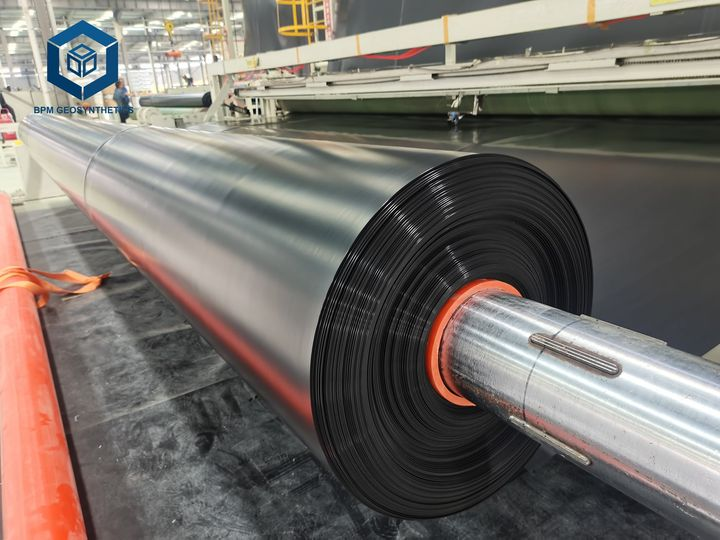
BPM’s geomembrana in HDPE meets GRI-GM13 equivalents with virgin resin and flexible options.
Key Specs:
- Thickness: 0.5-3.0 mm
- Tensile Yield: 11-44 kN/m
- Break Strength: 20-80 kN/m
- Puncture: 240-960 N
- Elongation: ≥700%
- Density: ≥0.940 g/cm³
- HP-OIT: ≥400 min
- Permeability: ≤10⁻¹¹ cm/s
- Roll Width: Up to 10 m
Delivers 50-100 year designs with strong weldability.
Comparison Tables
Table 1: Core Technical Parameters Comparison (Typical 1.5 mm Thickness, GRI-GM13 Aligned)
|
Rank |
Manufacturer/Geomembrana |
Thickness Range (mm) |
Tensile Yield (kN/m) |
Puncture Resistance (N) |
HP-OIT (min) |
ESCR (hours) |
Permeability (cm/s) |
Best Application |
|
1 |
Solmax HDPE |
0.75-3.0 |
25-50 |
500-1000 |
≥400-800 |
>500 |
≤10⁻¹¹ |
Landfills, Mining |
|
2 |
GSE HDPE |
0.75-3.0 |
25-50 |
500-900 |
≥400 |
>1000 |
≤10⁻¹¹ |
Hazardous Waste |
|
3 |
AGRU HDPE |
1.0-3.0 |
22-40 |
480-800 |
≥400 |
300-500 |
≤10⁻¹¹ |
Reservoirs, Wastewater |
|
4 |
Atarfil HDPE |
0.75-3.0 |
25-45 |
500-850 |
≥400 (high) |
>3000 |
≤10⁻¹¹ |
Exposed/High-Stress |
|
5 |
NAUE HDPE |
0.75-2.5 |
25-40 |
450-800 |
≥400 |
>500 |
≤10⁻¹¹ |
Slopes, Infrastructure |
|
6 |
Layfield HDPE |
0.75-2.5 |
20-35 |
400-700 |
≥400 |
300+ |
≤10⁻¹¹ |
Ponds, Municipal |
|
7 |
Poly-Flex HDPE |
0.5-2.5 |
15-37 |
320-800 |
≥400 |
300+ |
≤10⁻¹¹ |
Standard Containment |
|
8 |
BPM HDPE Geomembrana |
0.5-3.0 |
11-44 |
240-960 |
≥400 |
300+ |
≤10⁻¹¹ |
Versatile, Cost-Effective |
(Values represent typical minima/averages from manufacturer specs, GRI-GM13, and independent testing.)
Table 2: Market Position, Estimated Share, Major Clients, and Certifications
|
Manufacturer |
Est. Global HDPE Share (Approx.) |
Est. Production Focus |
Major Clients/Sectors |
Key Certifications |
|
Solmax |
15-20% |
High (large-scale) |
Mining conglomerates, Landfills |
ISO 9001, CE, NTPEP, GRI-GM13 |
|
GSE Environmental |
10-15% |
High |
Hazardous waste, EPA projects |
ISO 9001, Verifications |
|
AGRU America |
8-12% |
Medium-High |
Water utilities, Industrial |
ISO 9001, CE |
|
Atarfil |
5-8% |
Medium |
Exposed projects, Europe/US |
ISO 9001, CE |
|
NAUE GmbH |
5-10% |
Medium |
European infrastructure, Mining |
ISO 9001, DIN, CE |
|
Layfield |
4-7% |
Medium |
North American ponds/containment |
ISO 9001 |
|
Poly-Flex/Poly-America |
5-8% |
Medium |
Tanks, Ponds |
GRI-compliant |
|
BPM Geosynthetics |
Competitive global supplier |
Value/export-focused |
International contractors, Aquaculture |
ISO 9001, CE, SGS, GRI equivalents |
(Estimates derived from industry reports, capacities, and market analyses.)
BPM HDPE Geomembrana Advantages
BPM Geosynthetics’ geomembrana in HDPE distinguishes itself through virgin resin sourcing, stringent quality controls, and extensive customization (smooth/textured, conductive, wide rolls). Achieving GRI-GM13-aligned performance—tensile yield up to 44 kN/m, puncture up to 960 N, HP-OIT ≥400 min—it provides premium-level durability at 15-30% lower cost than many Western premiums.
Key advantages include:
- Competitive Value— Pricing typically $1.50-3.50/m²; bulk options enhance ROI.
- Proven Longevity— ≥700% elongation accommodates differential settlement; 50-100 year service in covered applications.
- Application Versatility— Effective in landfills, mining heaps, ponds, aquaculture, and secondary containment with broad chemical compatibility.
- Installation and Support— Fast lead times (7-20 days), technical engineering assistance, and up to 10-year warranties.
- Quality Assurance— High seam integrity reduces failure risks; certifications ensure compliance for global projects.
BPM suits cost-conscious yet performance-driven initiatives without compromising reliability.
Conclusion
Selecting the right geomembrana in HDPE hinges on project scale and demands: Solmax or GSE for expansive, high-reliability needs, Atarfil for extreme durability, and BPM for balanced, value-oriented excellence. Prioritizing GRI-GM13 compliance, independent verification, qualified installation, and site-specific testing guarantees leak-proof barriers, regulatory adherence, and sustainable outcomes.
For comprehensive specifications on BPM HDPE geomembrana, visit: https://bpmgeosynthetic.com/product/hdpe-geomembrane-liner/.
Always engage qualified geotechnical engineers for design and implementation.