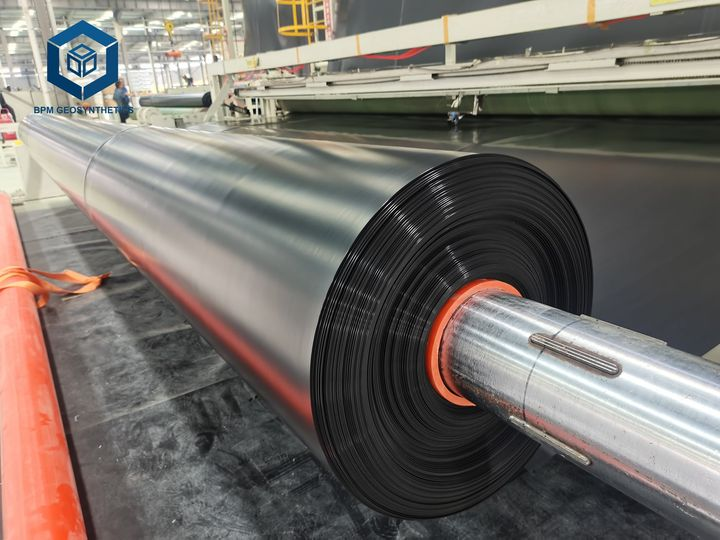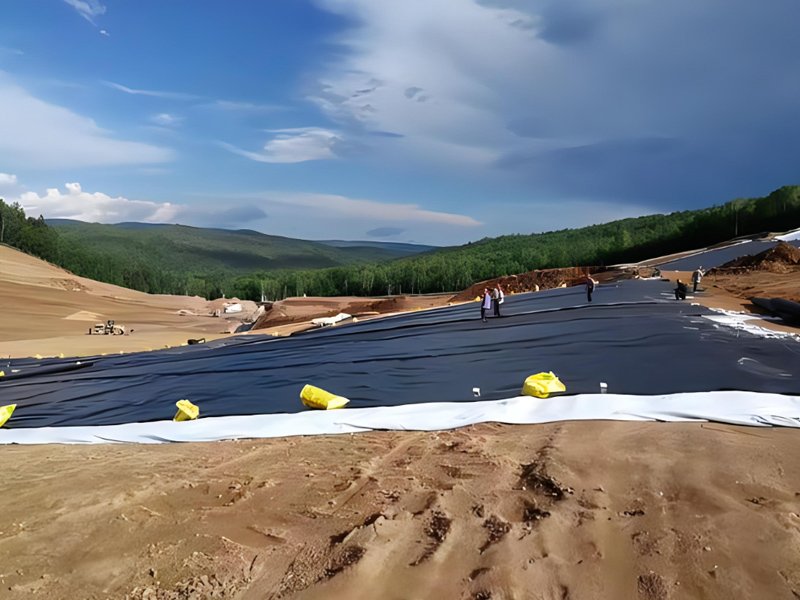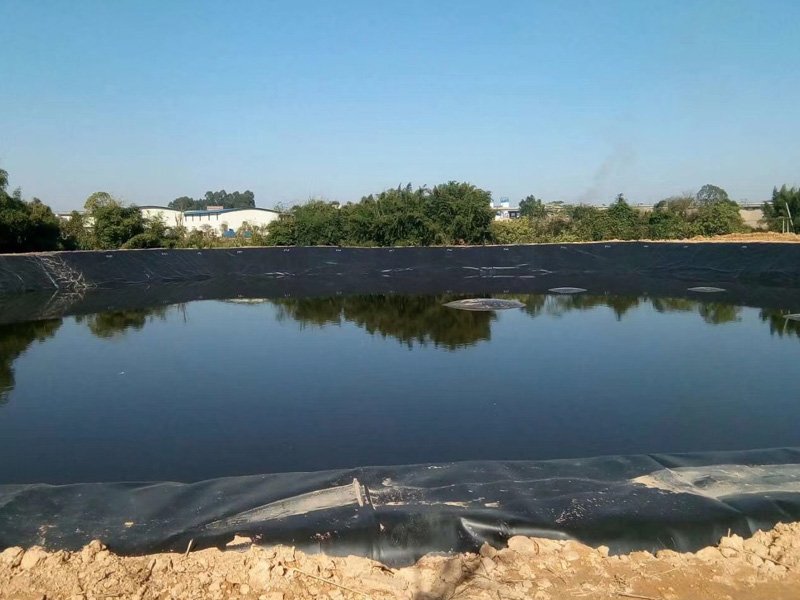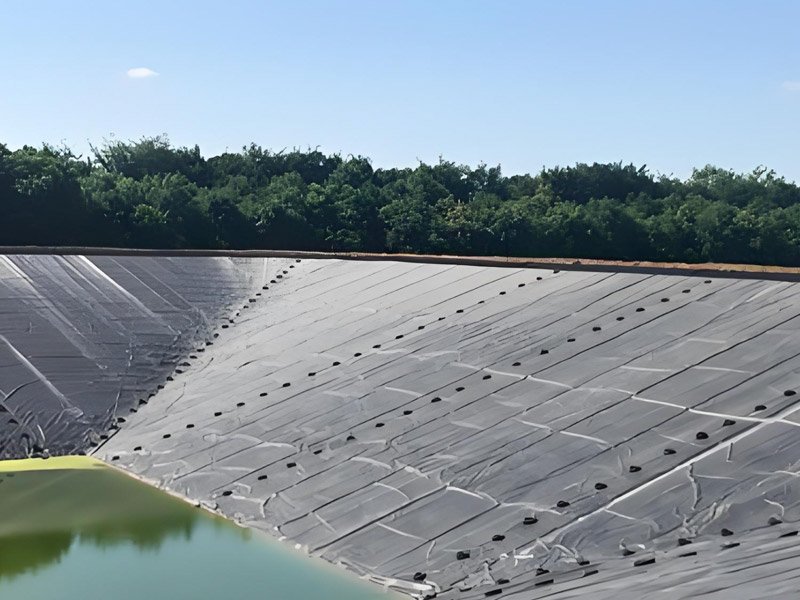
Geotextile membranes — commonly known as nonwoven or woven geotextile fabrics — are essential permeable geosynthetic materials used for separation, filtration, drainage, protection, reinforcement and erosion control in civil engineering, infrastructure, landscaping and environmental projects. The global geotextile market was valued at approximately USD 7.5–8.2 billion in 2025 and is projected to reach USD 11.9–15.0 billion by 2032, growing at a CAGR of 6.5–8.1% (Statista 2024, MarketsandMarkets 2025, Grand View Research 2025). This expansion is fueled by massive infrastructure investments exceeding USD 9.5 trillion globally by 2030, urbanization in emerging economies, stricter environmental regulations for stormwater management and landfills, and increasing adoption of sustainable ground stabilization solutions.
Geotextile membrane prices in 2025–2026 typically range from $0.15 to $5.40 per square meter (excluding installation and accessories), with non-woven variants generally priced at $0.15–$3.00/m² and woven types at $0.30–$7.50/m² depending on specifications (BPM Geosynthetics 2025 market data, Geosynthetics Magazine indices, supplier catalogs). Lightweight non-woven fabrics (100–200 g/m²) start as low as $0.15–$0.50/m², while heavy-duty grades (400–800 g/m²) can reach $1.50–$5.40/m². Bulk purchases (>10,000 m²) often secure 15–30% discounts, and delivered costs can rise 20–50% with freight, taxes and customs duties depending on location.
This comprehensive BPM Geosynthtic team guide examines geotextile membrane pricing in detail, breaking down cost drivers, technical specifications, application-based selection, real-world examples and budgeting strategies. Whether you are an engineer designing road subgrades, a contractor installing drainage systems, a landscaper preparing synthetic turf bases or a developer planning sustainable site works, understanding these factors can help you optimize budgets, avoid over-specification and achieve 15–30% savings while ensuring 95%+ project reliability in 2026.

1. What Are Geotextile Membranes?
Geotextile membranes (also called geotextile fabrics or geo fabrics) are flexible, permeable synthetic textiles manufactured from polypropylene (PP) or polyester (PET) fibers. They are classified into two main types:
- Non-woven geotextiles— produced by needle-punching or thermal bonding staple/continuous fibers into a felt-like structure (porosity 85–94%). They excel in filtration, drainage and protection due to high permittivity (4–2.0 s⁻¹) and excellent conformability.
- Woven geotextiles— interlaced PP or PET yarns forming a structured grid. They provide higher tensile strength (20–400 kN/m) and are preferred for reinforcement and stabilization.
Common functions include:
- Separation— preventing mixing of subgrade soil and granular fill (reduces contamination by 85–95%)
- Filtration— retaining fines while allowing water passage (90–98% retention of 0.075–0.425 mm particles)
- Drainage— conveying fluids in-plane or through-plane (40–65% faster pore-pressure dissipation)
- Protection— cushioning geomembranes or concrete from puncture (20–40% reduction in damage)
- Reinforcement— improving load distribution on soft soils (25–50% factor-of-safety uplift)
- Erosion control— stabilizing slopes and channels (35–60% soil loss reduction)
Geotextile membranes are deployed in roads (subgrade separation), railways (ballast stabilization), landfills (leachate collection/protection), retaining walls (backfill drainage), coastal protection (revetments), agriculture (irrigation channels), landscaping (weed barriers, artificial turf bases) and environmental remediation (containment liners).
2. How Much Is a Geotextile Membrane Price?
Geotextile membrane price in 2025–2026 range from $0.15 to $5.40 per square meter (bulk ex-works, excluding freight/taxes/installation), with most common grades falling between $0.20 and $2.50/m². Prices vary significantly based on material, type, weight (gsm), manufacturing process, roll width/length, UV/chemical stabilization, certifications and order volume.
2.1 Geotextile Membrane Price– Material Type
- Polypropylene (PP)— dominates 80% of the market due to excellent chemical resistance, low cost and UV stability (20–50 years service life).
- Non-woven PP: $0.15–$2.50/m²
- Woven PP: $0.30–$3.00/m²
- Polyester (PET)— preferred for high-tensile applications and alkaline environments.
- Non-woven PET: $0.20–$3.00/m²
- Woven PET: $0.50–$7.50/m²(high-strength grades)
- Natural/recycled fibers— niche sustainable options (5% market share).
- $0.09–$0.40/m²(lower durability, 5–15 years life)
2.2 Geotextile Membrane Price– Type (Woven vs Non-Woven)
- Non-Woven Geotextiles— needle-punched or thermally bonded; ideal for filtration/drainage/protection.
- Lightweight (100–200 g/m²): $0.15–$0.50/m²— drainage, weed barriers, light separation
- Medium (200–400 g/m²): $0.50–$1.50/m²— road subgrade, foundation protection
- Heavyweight (400–800 g/m²): $1.50–$5.40/m²— high-load protection, landfill cushions
- Woven Geotextiles— interlaced yarns; superior tensile strength for reinforcement/stabilization.
- Slit-film/monofilament: $0.30–$1.50/m²
- High-tenacity multifilament: $1.00–$7.50/m²
Non-wovens hold 65% market share for hydraulic applications; woven fabrics 35% for strength-critical uses.
2.3 Geotextile Membrane Price– Weight (GSM)
Weight (grams per square meter) is the single largest price driver:
- 100–150 g/m²— lightweight filtration/drainage: $0.15–$0.50/m²
- 200 g/m²— medium-duty separation/stabilization: $0.50–$1.20/m²
- 300 g/m²— heavy filtration/protection: $0.80–$2.00/m²
- 400–600 g/m²— robust cushioning/reinforcement: $1.50–$4.00/m²
- 800+ g/m²— specialty high-strength: $3.00–$5.40/m²
Higher GSM increases raw material usage (30–50% of cost), manufacturing time and freight weight.
2.4 Geotextile Membrane Price– Manufacturing Process
- Needle-punched— mechanical entanglement; most common non-woven method; $0.15–$2.50/m²
- Thermally bonded— heat fusion; smoother surface, lower permeability; $0.20–$1.80/m²
- Spunbond— continuous filaments extruded and bonded; high strength/uniformity; $0.40–$3.00/m²
- Woven (slit-film/multifilament)— interlaced yarns; highest tensile; $0.30–$7.50/m²
Needle-punched remains 70% of non-woven production due to cost-effectiveness and filtration performance.
2.5 Geotextile Membrane Price– Project Size & Volume
Order quantity significantly impacts unit price:
- Small orders (<5,000 m²) — $0.80–$2.50/m²(retail pricing)
- Medium (5,000–20,000 m²) — $0.50–$1.50/m²(10–20% discount)
- Large (>50,000 m²) — $0.30–$1.00/m²(20–35% discount)
- Mega projects (>200,000 m²) — $0.20–$0.70/m²(30–45% discount + negotiated freight)
Bulk buyers can achieve 15–30% savings through economies of scale.
2.6 Geotextile Membrane Price– Add-Ons & Customization
- UV stabilization— adds 5–15% ($0.03–$0.20/m²) for exposed applications
- Flame retardant/chemical resistant— adds 20–50%
- Custom roll widths (1–8 m)— wider rolls reduce joints but increase freight
- Color (black/white/green)— black most common; custom colors add 5–10%
- Lamination/composite— geotextile + geomembrane adds $1.00–$4.00/m²
2.7 Geotextile Membrane Price– Geographic & Market Factors
- North America/Europe— $0.50–$2.50/m² (high labor/regulatory costs)
- Asia-Pacific (excl. China)— $0.25–$1.20/m² (competitive manufacturing)
- Middle East/Africa— $0.40–$1.80/m² (import duties + freight)
- Freight & logistics— adds $0.05–$0.30/m² depending on distance
- Currency fluctuations & tariffs— can swing prices 10–20% year-to-year
3. How to Choose the Right Geotextile Membrane
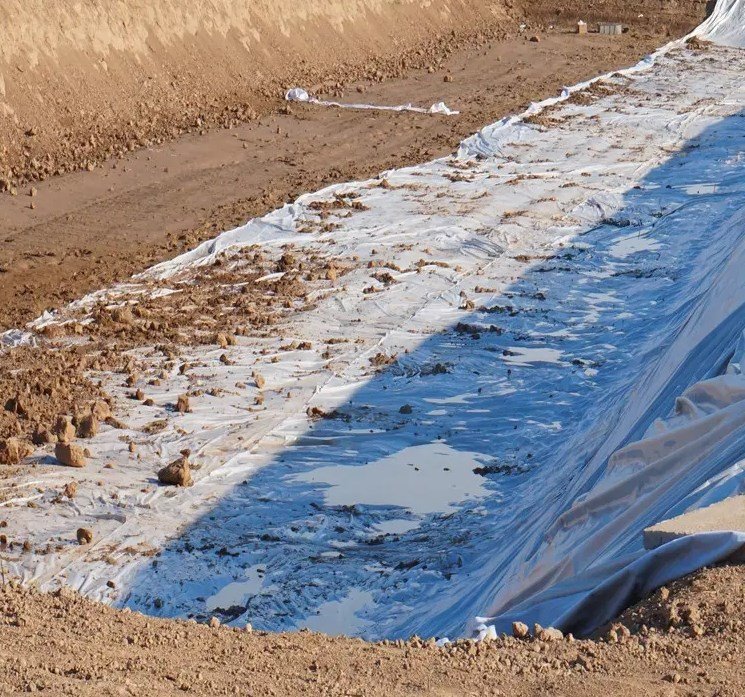
Selecting the appropriate geotextile membrane requires matching specifications to project demands:
- Define primary function— filtration/drainage (high permittivity, small AOS), separation/stabilization (higher tensile/CBR), protection (high puncture/tear)
- Analyze soil conditions— fine-grained soils need smaller AOS (<0.20 mm); soft subgrades require higher puncture resistance
- Assess hydraulic requirements— permittivity ≥0.7 s⁻¹ for rapid drainage; flow rate ≥150 L/m²/s
- Determine load & traffic— residential driveways (Class 3, 500–800 N grab); highways (Class 1–2, >1,000 N)
- Evaluate exposure— UV-stabilized for exposed edges; chemical-resistant for landfills
- Calculate quantity— add 10–15% overlap allowance; wider rolls (4–6 m) reduce joints
- Request samples & test reports— verify MARV (minimum average roll value) compliance
- Compare total cost— material + freight + installation + lifecycle maintenance
BPM Geosynthetics recommends short-fiber non-woven geotextile (150–300 g/m²) for most medium-duty filtration/separation projects due to its excellent fines retention (92–97%), balanced permittivity (0.5–1.2 s⁻¹) and competitive pricing ($0.50–$1.00/m²).
4. Industry Trends Affecting Geotextile Membrane Prices
Several macro and micro trends influence geotextile pricing:
- Raw material costs— polypropylene resin prices fluctuate with crude oil; 2025–2026 increases of 5–12% expected
- Sustainability mandates— recycled-content geotextiles (20–50% PCR) command 5–15% premium but gain traction in green public projects
- Infrastructure spending— U.S. IIJA, EU Green Deal and Asian Belt & Road drive demand, supporting volume discounts
- Supply chain resilience— near-shoring and diversified sourcing stabilize prices vs. 2021–2023 volatility
- Certification & compliance— GRI, NTPEP, CE marking add 5–10% but ensure long-term performance
- Digital procurement— online platforms and bulk tenders reduce prices 10–20% for large buyers
These trends favor manufacturers like BPM Geosynthetics, which combine scale, customization and recycled-content options to deliver competitive pricing.
5. Real-World Examples & Case Studies
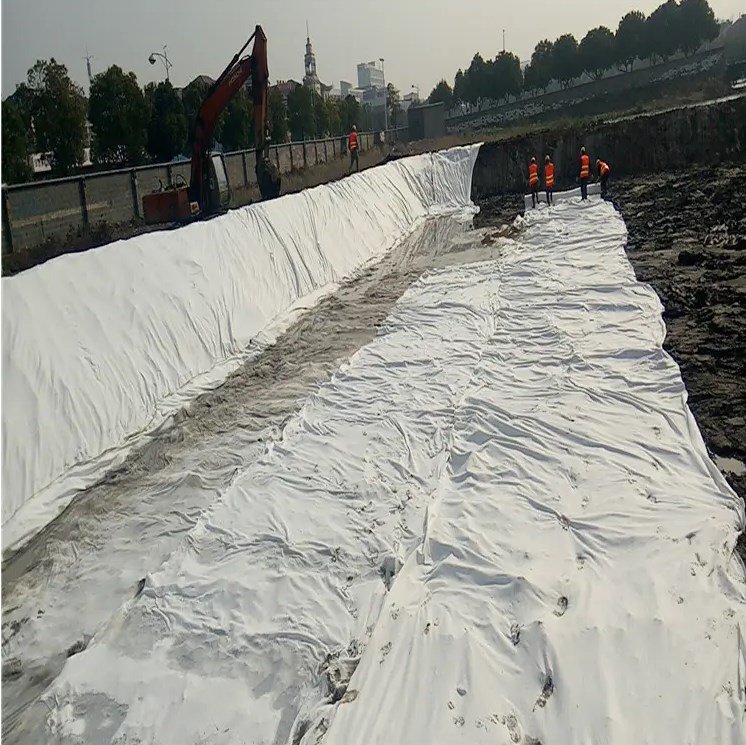
- Residential Gravel Driveway (California, 2025)— 2,000 m² project using BPM 200 g/m² short-fiber non-woven at $0.75/m² Saved 28% on gravel thickness (6″ vs. 8–10″); reduced rutting by 45% after first winter. Total material cost $1,500 vs. $2,100 without fabric.
- Highway Shoulder Drain (Texas DOT, 2025)— 15,000 m² TenCate Mirafi N-Series equivalent at $1.10/m². Achieved 65% faster drainage; reduced maintenance calls 30% in first year. Bulk discount 18%.
- Landfill Leachate Collection (Europe, 2025)— 50,000 m² Propex Geotex equivalent at $1.20/m². 96% fines retention; prevented pipe clogging over 18 months. Volume rebate 25%.
- Green Roof Drainage (UK, 2026)— 8,000 m² Terram 1000 series at $0.95/m². 55% faster water evacuation; extended roof membrane life estimate 8–12 years.
These cases demonstrate that selecting the right geotextile membrane (matching GSM, permittivity and puncture resistance to site conditions) typically yields 20–40% lifecycle savings.
6. How to Save Money on Geotextile Membranes
- Buy in bulk— orders >10,000 m² secure 15–30% discounts
- Choose optimal weight— avoid over-specifying; 200 g/m² suffices for most medium-duty uses
- Select non-woven PP— 20–40% cheaper than PET or woven for filtration/drainage
- Negotiate freight— wider rolls (4–6 m) reduce joints but increase shipping; balance logistics
- Request samples & test reports— verify compliance to avoid costly re-work
- Compare total installed cost— factor overlap allowances (10–15%), labor and waste
- Leverage recycled-content grades— qualify for green incentives/tax credits
- Work with reliable suppliers— BPM Geosynthetics offers consistent quality, fast delivery and technical support
7. Conclusion & Next Steps
Geotextile membrane prices in 2026 range from $0.15 to $5.40 per square meter, with most practical non-woven grades falling between $0.40 and $1.50/m². The largest cost drivers are material type (PP vs PET), weight (gsm), manufacturing process, order volume and geographic factors. For most drainage, filtration, separation and light stabilization projects, 150–300 g/m² non-woven PP geotextiles provide the best balance of performance and value.
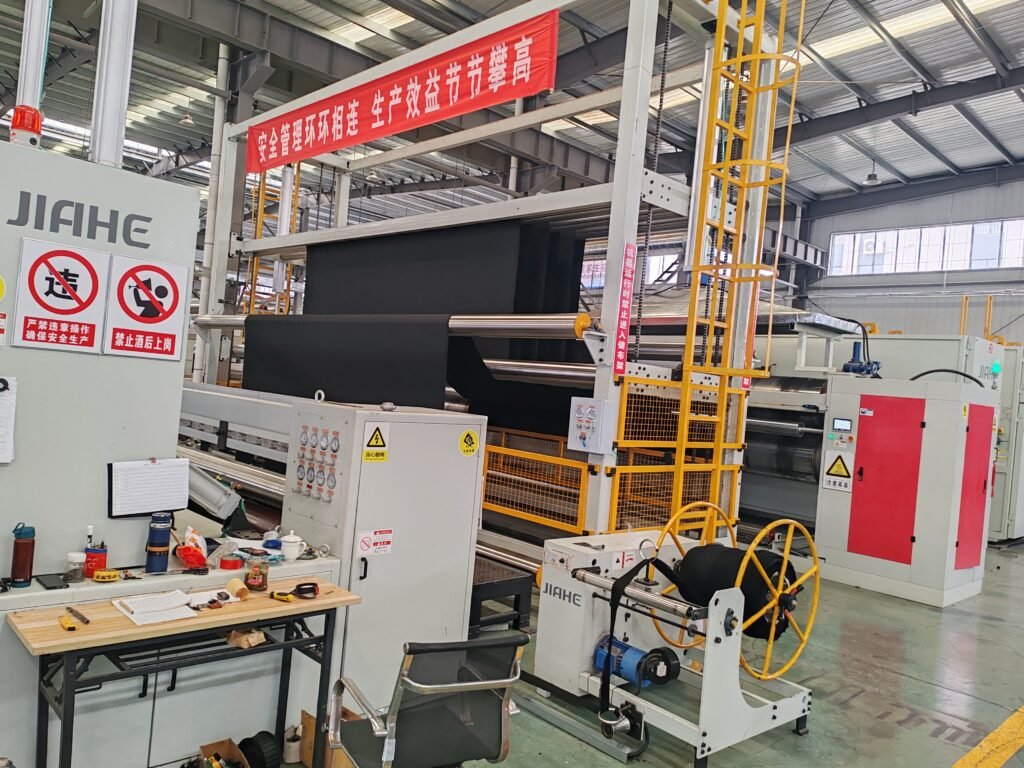
BPM Geosynthetics short-fiber non-woven geotextile stands out for its excellent fines retention (92–97%), balanced permittivity (0.5–1.2 s⁻¹), robust survivability and competitive pricing ($0.50–$1.00/m² bulk). With 80,000 tons annual capacity, global supply reliability and optional recycled content, BPM delivers superior ROI for residential driveways, commercial pads, road subgrades, retaining walls and drainage systems.
To receive a tailored quotation, project-specific samples or technical recommendations for your project, contact The Best Project Material Co., Ltd (BPM Geosynthetics) today.