HDPE membrane waterproofing has become a cornerstone of modern civil engineering, environmental containment, and building protection projects. High-density polyethylene membranes provide impermeable barriers that prevent water ingress, chemical seepage, and structural damage in applications ranging from basements and foundations to landfills, reservoirs, and industrial facilities. Understanding the true HDPE membrane waterproofing cost is essential for project managers, engineers, contractors, and owners seeking reliable long-term performance at optimized budgets.
In 2026, the material cost of HDPE membrane waterproofing typically ranges from $0.50 to $3.50 per square meter ($0.05–$0.33 per square foot), depending primarily on thickness, resin quality, surface finish, and order volume. Fully installed systems commonly range from $2.00 to $7.50 per square meter or higher when labor, welding, subgrade preparation, and quality assurance are included. This comprehensive guide consolidates current market data, technical specifications aligned with GRI-GM13 standards, quantifiable performance metrics, and practical cost-optimization strategies. It also highlights high-quality, competitively priced HDPE solutions available from The Best Project Material Co., Ltd (BPM Geosynthetics).
1. What Is HDPE Membrane Waterproofing?
HDPE membrane waterproofing refers to the use of high-density polyethylene geomembrane sheets as continuous impermeable barriers to control the migration of water, leachate, chemicals, or gases. These membranes are manufactured from virgin polyethylene resin (typically 97–98% HDPE) combined with 2.0–3.0% carbon black for UV resistance and small percentages of antioxidants and stabilizers.
Key measurable properties include:
Density ≥ 0.940 g/cm³ (ASTM D1505/D792)
Thickness options from 0.5 mm to 3.0 mm (20–120 mil)
Tensile strength at break typically 20–40+ kN/m depending on thickness (ASTM D6693)
Puncture resistance scaling from approximately 200 N for thinner grades to 480–960 N for thicker sheets (ASTM D4833)
Extremely low permeability (≤ 10⁻¹¹ to 10⁻¹³ cm/s)
Service life of 20–100 years when properly installed and protected
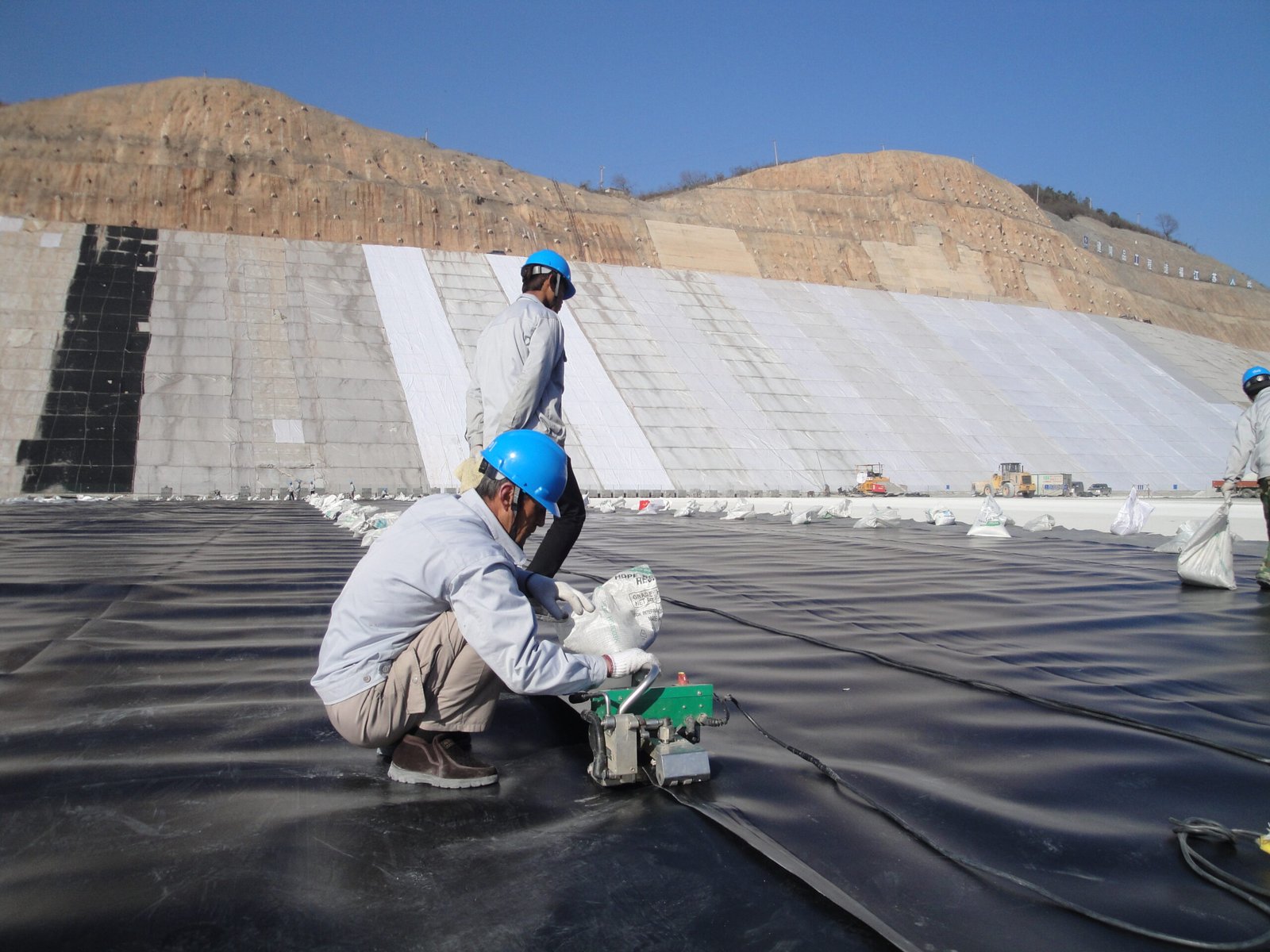
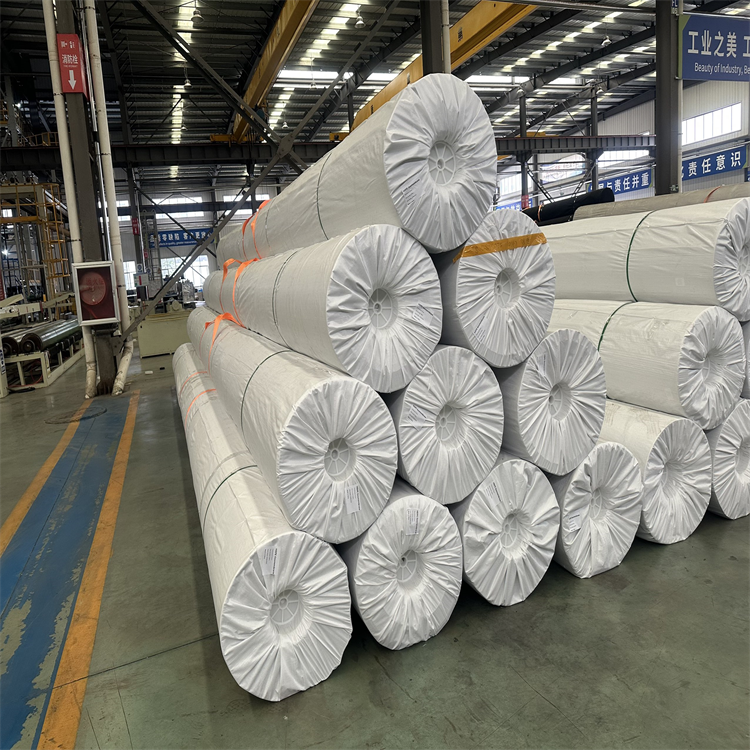
HDPE membranes are supplied in wide rolls (commonly 5–8 m or wider) and installed by heat welding (hot wedge or extrusion) to create continuous, high-strength seams. They outperform traditional materials such as clay or concrete in many applications by offering higher impermeability, chemical resistance, and lower lifecycle costs.
2. Types of HDPE Membranes Used in Waterproofing
2.1 Smooth HDPE Membranes
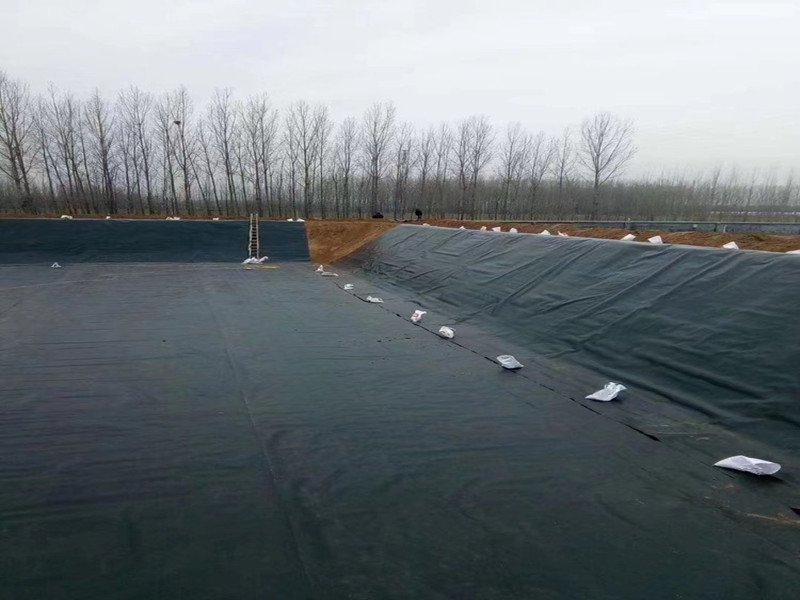
Smooth surfaces are the most economical and widely used for flat or gently sloping applications such as pond liners, basement waterproofing, and landfill base liners. They offer excellent weldability and lower material cost.
2.2 Textured HDPE Membranes
Textured (single- or double-sided) surfaces increase interface friction angles (often 25–35°), improving stability on slopes greater than 3:1. Texturing typically adds 10–35% to the material price but reduces the risk of slippage.
2.3 Thickness Categories and Typical Applications
0.5–0.75 mm: Light-duty ponds, aquaculture, temporary covers
1.0 mm: Reservoirs, canals, secondary containment
1.5 mm (60 mil): Standard for landfills, wastewater lagoons, and many foundation applications
2.0–3.0 mm: High-risk mining, hazardous waste, and heavy-duty industrial waterproofing
3. Key Specifications and Parameters Influencing HDPE Membrane Waterproofing Cost
Performance and price are directly linked to quantifiable technical parameters. GRI-GM13 sets minimum average roll values (MARV) that many project specifications require:
Density: ≥ 0.940 g/cm³
Carbon black content: 2.0–3.0%
Standard Oxidative Induction Time (OIT): ≥ 100 minutes
High-pressure OIT: ≥ 400 minutes (preferred for long-term durability)
Tensile yield/break strength and elongation at break ≥ 700% for smooth sheet
Puncture and tear resistance scaling linearly with thickness
Stress-crack resistance (NCTL): ≥ 200–500 hours depending on grade
Thicker membranes and those meeting full GRI-GM13 or equivalent third-party certification command higher prices but deliver measurably longer service life and lower failure risk.
4. Factors Influencing HDPE Membrane Waterproofing Cost
4.1 Material Type and Resin Quality
Virgin HDPE resin costs more than recycled content but provides superior long-term oxidative stability, chemical resistance, and stress-crack performance. Virgin formulations typically add 20–30% to material cost while often doubling or tripling expected service life.
4.2 Thickness
Thickness is the single largest cost driver. Each 0.5 mm increase raises resin consumption proportionally and increases material price by roughly 20–50%. A 1.5 mm membrane costs significantly more than a 1.0 mm sheet but offers substantially higher puncture resistance (approximately 480 N vs. 320 N under GRI-GM13).
4.3 Surface Finish
Smooth HDPE is the baseline. Textured surfaces add 10–35% due to additional processing.
4.4 Manufacturing Process and Certifications
Extrusion (flat-die or blown-film) is the dominant method for HDPE. Products supported by ISO 9001/14001 systems and third-party testing (SGS, Intertek, etc.) carry a 10–20% premium but reduce project risk. GRI-GM13 compliance is frequently specified for critical waterproofing applications.
4.5 Project Scale and Order Volume
Orders exceeding 10,000 m² commonly receive 10–25% volume discounts. Small residential or pilot projects incur higher unit costs due to fixed setup and logistics charges.
4.6 Installation, Logistics, and Site Conditions
Material typically represents 45–60% of total installed cost. Welding labor, subgrade preparation, geotextile underlayment, and quality-assurance testing (air-channel, vacuum, or spark testing) add 25–50% or more. Remote sites, steep slopes, cold weather, or complex geometries further increase labor and equipment costs. Ocean freight for a 40-ft container of 1.5 mm HDPE can add approximately $0.10/m² depending on destination.
4.7 Regional Variations
Asia-Pacific factory pricing remains the most competitive globally. North American and European delivered prices are higher due to logistics, duties, and stricter regulatory requirements.
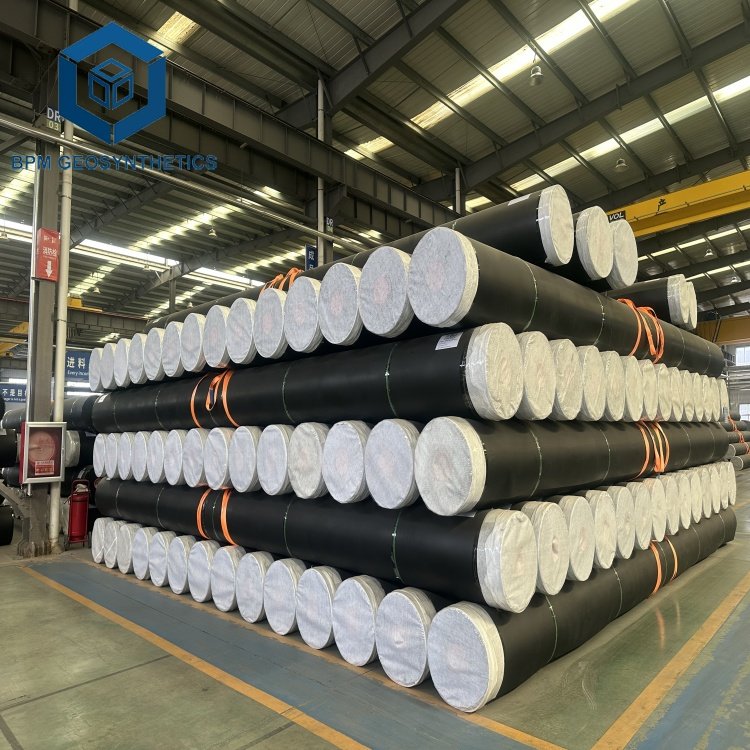
5. HDPE Membrane Waterproofing Cost Ranges in 2026
Consolidated market data produce the following realistic ranges (material only, FOB or similar factory-gate basis):
By Thickness (approximate USD/m²):
- 5 mm: $0.50–$1.50
- 75–1.0 mm: $0.90–$2.50
- 5 mm: $1.50–$3.50
- 0 mm: $2.50–$5.00+
- 5–3.0 mm: $3.00–$7.50+
Installed costs typically range from $2.00–$7.50/m² for standard projects and can exceed $10–$18/m² for complex, certified, or remote installations. A 10,000 m² project using 1.5 mm smooth HDPE may see material costs of $15,000–$35,000 with total installed costs significantly higher once labor and testing are included.
6. Market Trends Impacting HDPE Membrane Waterproofing Cost
Petroleum-derived resin prices remain the primary volatility factor; fluctuations of 5–20% in crude oil can translate into corresponding shifts in finished membrane pricing. Sustainability pressures are increasing demand for high-quality virgin formulations and recycled-content options where performance allows. Infrastructure growth in Asia-Pacific continues to support competitive manufacturing capacity. Technological advances such as wider rolls (reducing seam quantity) and improved welding equipment help control installed costs. Sensor-embedded or conductive liners for real-time leak detection add 10–20% but can reduce long-term monitoring expenses.
7. Applications and Cost Benefits of HDPE Membrane Waterproofing
HDPE membranes deliver quantifiable savings compared with concrete, clay, or multi-layer bituminous systems:
- Landfills and hazardous waste: 1.5–2.0 mm HDPE provides ≥ 95–99% leachate containment, avoiding remediation costs that can reach hundreds of thousands of dollars.
- Water reservoirs and aquaculture: 0.5–1.5 mm liners reduce seepage losses by 85–95%, conserving water and lowering operational costs.
- Basement and foundation waterproofing: Continuous HDPE sheets offer long-term protection against hydrostatic pressure with service lives measured in decades.
- Mining heap leach pads and tailings: Textured HDPE improves slope stability while providing chemical resistance.
- Canals and secondary containment: Lower material and installation costs versus traditional linings, with reduced maintenance over 30–50 years.
Lifecycle analyses consistently show that properly specified HDPE membranes recover their higher initial investment through reduced leakage, lower maintenance, and extended service intervals.
8. How to Optimize HDPE Membrane Waterproofing Cost
- Select the minimum thickness that meets project performance and regulatory requirements rather than over-specifying.
- Maximize order volume to secure factory discounts of 10–25%.
- Source factory-direct from high-volume manufacturers to eliminate intermediate mark-ups.
- Specify smooth sheet where slope stability allows; reserve textured only for necessary applications.
- Coordinate installation with other site works to minimize mobilization costs.
- Require full technical data sheets, thickness verification, and seam testing protocols to avoid costly failures.
- Perform a lifecycle cost analysis that accounts for expected service life rather than focusing solely on first cost.
- Engage suppliers early for design assistance, roll-layout optimization, and accurate quotations based on actual project geometry.
9. Advantages of The Best Project Material Co., Ltd (BPM Geosynthetics)
The Best Project Material Co., Ltd (BPM Geosynthetics) manufactures high-performance HDPE geomembrane sheets specifically engineered for waterproofing and containment applications. Produced from virgin polyethylene resin with controlled carbon-black content and antioxidant packages, these membranes meet the durability, impermeability, and longevity requirements of professional projects worldwide.
Key advantages include:
- Competitive factory-direct HDPE membrane waterproofing cost typically in the $0.50–$3.50 per square meter range for standard thicknesses, translating into excellent value for both material-only and installed projects.
- Full thickness range from 0.5 mm to 3.0 mm (20–120 mil), covering light residential waterproofing through heavy-duty industrial and landfill applications.
- Consistent quality supported by ISO 9001 and ISO 14001 management systems and third-party testing capability aligned with GRI-GM13 performance expectations.
- Wide roll widths that minimize seams and material waste on site.
- Proven track record in global waterproofing, landfill, mining, aquaculture, and civil infrastructure projects.
- Technical support for thickness selection, joint detailing, welding parameters, and project-specific recommendations.
- Reliable international supply chain capable of serving both small and large-volume orders with transparent lead times.
BPM Geosynthetics HDPE membranes combine proven geomembrane technology with cost-effective manufacturing, delivering an outstanding balance of quality and value for waterproofing applications.
For accurate, project-specific HDPE membrane waterproofing cost quotations based on required thickness, surface finish, total area, and delivery details, contact The Best Project Material Co., Ltd (BPM Geosynthetics). Their sales and technical teams provide transparent pricing, samples, and supporting documentation to ensure successful project outcomes.
10. Conclusion
The HDPE membrane waterproofing cost in 2026 ranges from approximately $0.50–$3.50 per square meter for material and $2.00–$7.50+ per square meter when fully installed, with thickness, resin quality, order volume, and site conditions serving as the primary cost drivers. HDPE remains the preferred material for permanent waterproofing and containment because of its impermeability, mechanical strength, chemical resistance, and multi-decade service life. By matching specifications precisely to project needs, leveraging factory-direct pricing, and ensuring proper installation with tested seams, owners and contractors can achieve reliable long-term protection at optimized cost.
This guide has presented current market data, technical parameters aligned with industry standards, comparison tables, and practical optimization strategies to support informed decision-making. For competitive quotations on high-quality HDPE membrane waterproofing materials tailored to your exact requirements, request a detailed proposal from The Best Project Material Co., Ltd (BPM Geosynthetics). Their manufacturing expertise and global supply capability make them a trusted partner for cost-effective, durable waterproofing solutions.