500 micron HDPE sheet (equivalent to 0.5 mm or 20 mil) is one of the most widely used light-to-medium duty geomembrane thicknesses in agricultural, aquaculture, irrigation, and temporary or low-stress containment applications. Understanding 500 micron HDPE sheet price is essential for farmers, pond contractors, irrigation engineers, and project managers who need accurate budgeting without over- or under-specifying the liner.
This ultimate guide provides a detailed, data-driven analysis of 500 micron HDPE sheet price in 2026. It covers typical cost ranges per square metre and per square foot, the technical properties of 0.5 mm HDPE, key factors that influence pricing, performance comparisons with thicker gauges, recommended applications, and practical purchasing advice. All quotations for quality 500 micron HDPE geomembrane should be directed to The Best Project Material Co., Ltd. (BPM Geosynthetics).
What Is 500 micron HDPE Sheet?
500 micron is a metric thickness measurement:
500 micron = 0.5 mm = 20 mil (approximately)
In geomembrane terminology, this is a relatively thin but still robust HDPE sheet commonly manufactured from virgin high-density polyethylene resin with carbon black for UV stability. When produced to appropriate standards, 0.5 mm HDPE offers:
Density ≥ 0.940 g/cm³
Good flexibility for conforming to moderate subgrade irregularities
Adequate tensile and puncture resistance for low-to-moderate mechanical stress
Excellent chemical resistance to water, many fertilizers, and common agricultural chemicals
Reliable thermal weldability
Service life of 15–30+ years in buried or properly protected applications (shorter if continuously exposed without adequate stabilization)
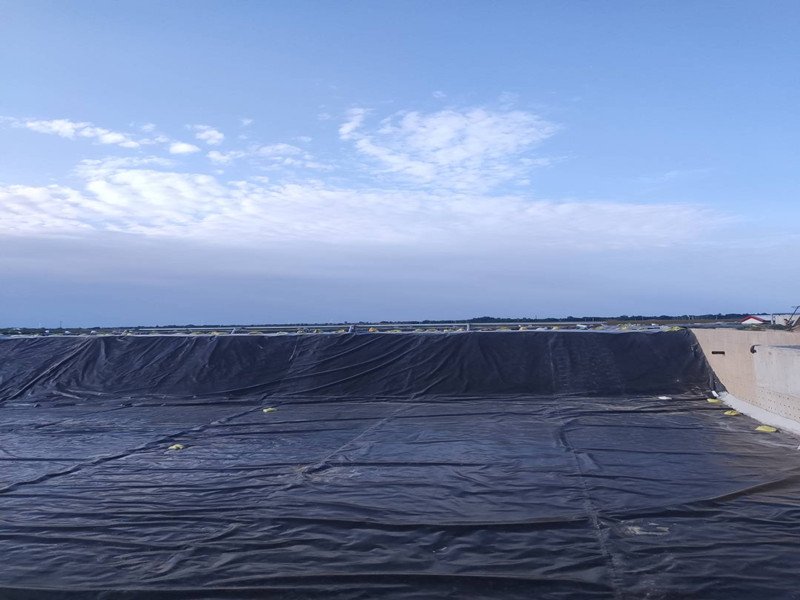
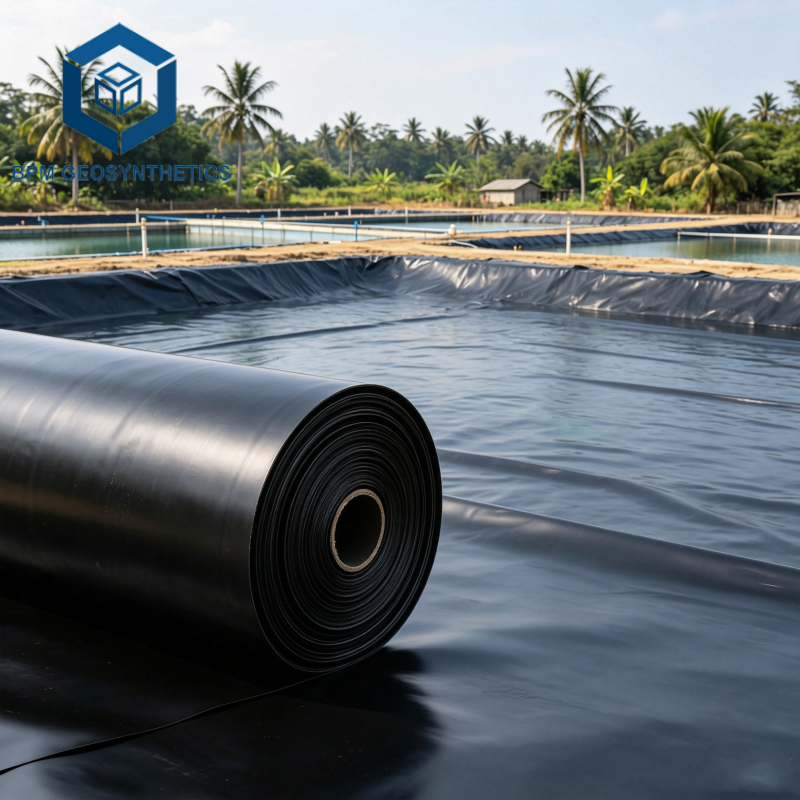
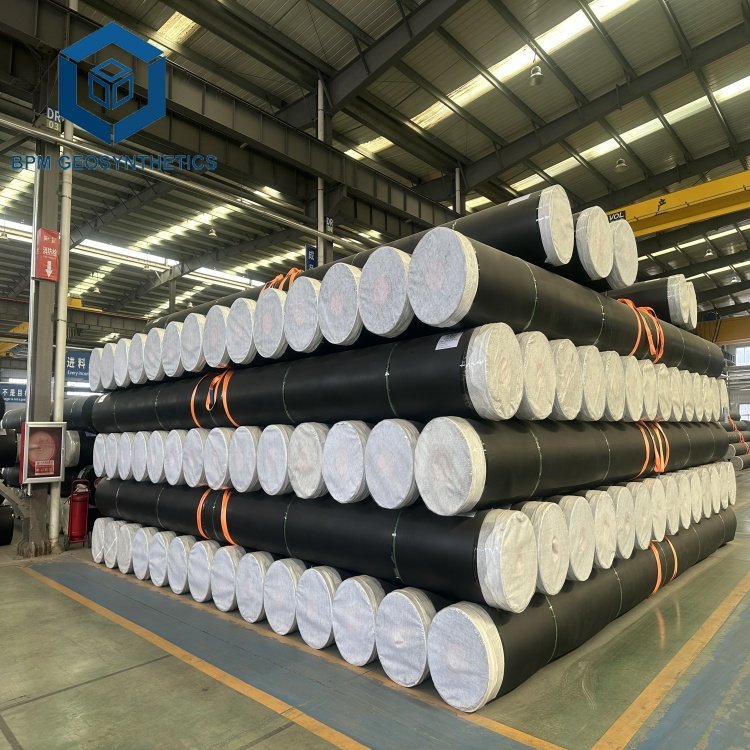
It is frequently specified for fish and shrimp ponds, irrigation reservoirs, canal linings, agricultural lagoons, and temporary or secondary containment where extreme puncture resistance or very high hydraulic heads are not required.
Typical 500 micron HDPE Sheet Price in 2026
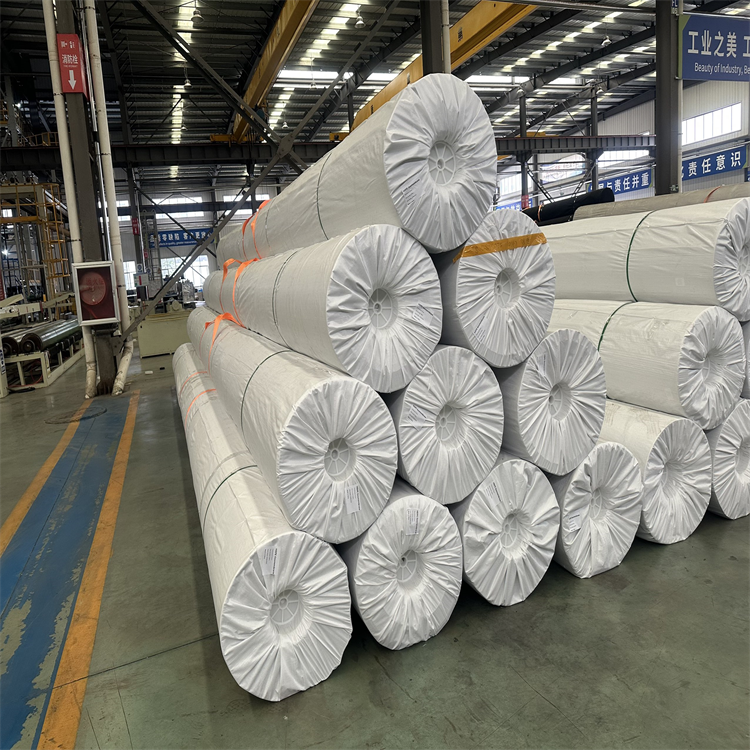
Material-only prices for quality virgin-resin 500 micron (0.5 mm) HDPE geomembrane typically fall in the following ranges:
Pricing Basis Approximate Range (2026) Notes
Per square metre $0.50 – $1.50 Bulk/ex-factory pricing
Per square foot $0.05 – $0.14 Converted equivalent
Small retail / cut-to-size Higher end or above Includes handling and smaller volume
Large project volumes Lower end of range Volume discounts apply
Textured 500 micron product, when available, usually carries a 10–25 % premium over smooth. Prices vary with resin market conditions, order quantity, destination, and whether the material is supplied with full test documentation.
Installed costs are substantially higher. Adding a non-woven geotextile underlayment, professional welding, testing, and labor commonly multiplies the material price by 1.5–3 times depending on site access, pond size, and local labor rates.
Key Factors Influencing 500 micron HDPE Sheet Price
1. Resin Quality (Virgin vs. Recycled)
Virgin HDPE resin produces consistent mechanical properties, better long-term durability, and reliable welding behavior. Recycled or mixed-resin sheet is cheaper but carries higher risk of premature failure, variable thickness, and reduced chemical resistance. For any project expected to last more than a few years, virgin resin is strongly preferred and is the basis of the price ranges quoted above.
2. Order Quantity and Project Scale
Small orders (a few hundred square metres) attract higher unit prices because of setup, handling, and packaging costs. Projects of several thousand square metres or more routinely achieve 10–25 % lower unit pricing through volume discounts.
3. Surface Finish
Smooth 500 micron HDPE is the standard and most economical option. Textured surfaces improve interface friction on slopes but increase manufacturing cost and therefore unit price.
4. Roll Width and Length
Wider rolls reduce the number of field seams, which can lower installation cost and improve overall system reliability. However, very wide rolls may affect shipping economics and handling requirements.
5. Transportation and Logistics
Freight can add a noticeable percentage to the delivered cost, especially for lighter gauges where volume rather than weight drives shipping expense. Proximity to manufacturing facilities and efficient packaging help control logistics costs.
6. Certifications and Documentation
Material supplied with thickness tolerance data, density, carbon black content, and basic mechanical test results commands a modest premium over uncertified sheet. For critical or regulated projects this documentation is essential.
7. Installation and Ancillary Materials
A quality non-woven geotextile underlayment (typically 200–400 g/m²) is recommended to protect the relatively thin 0.5 mm sheet from puncture. The cost of the geotextile, welding consumables, and skilled labor must be included in any realistic project budget.
Recommended Applications for 500 micron HDPE Sheet
- Fish, shrimp, and other aquaculture ponds
- Agricultural irrigation reservoirs and lagoons
- Canal and ditch lining (with proper protection)
- Temporary or secondary containment
- Small-to-medium decorative or recreational ponds
- Projects where budget constraints are significant and extreme durability is not required
For landfills, mining heap-leach pads, hazardous-waste facilities, or sites with coarse subgrades and heavy construction traffic, thicker HDPE (1.5 mm or greater) is almost always the more appropriate and economical long-term choice.
How to Calculate and Control 500 micron HDPE Sheet Cost
- Accurately measure the area to be lined and add 10–15 % for overlaps, anchoring, and waste.
- Decide whether smooth or textured material is required.
- Specify virgin resin and request basic quality documentation.
- Obtain quotations that clearly separate material, freight, and any cutting or fabrication charges.
- Include a non-woven geotextile underlayment in the budget.
- Compare total installed cost rather than material unit price alone.
- For larger projects, negotiate volume pricing and confirm roll dimensions that minimize field seams.
BPM Geosynthetics Advantages (The Best Project Material Co., Ltd.)
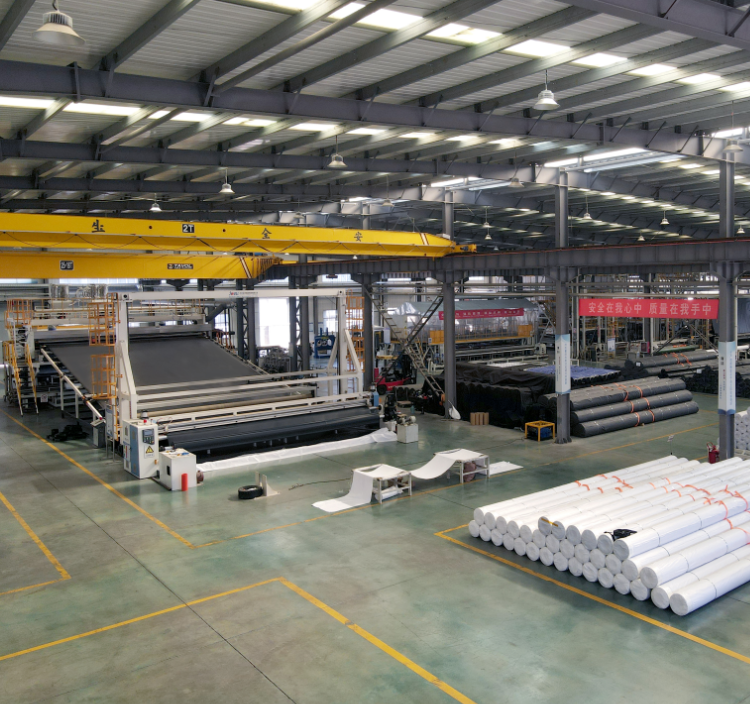
The Best Project Material Co., Ltd. (BPM Geosynthetics) manufactures high-quality 500 micron (0.5 mm) smooth and, where required, textured HDPE geomembranes suitable for agricultural, aquaculture, and light containment applications. Key advantages include:
- Consistent thickness control and virgin-resin formulations.
- Competitive pricing across common light-to-medium duty gauges.
- Wide roll options that help reduce seaming on medium-sized ponds and reservoirs.
- Ability to supply matching non-woven geotextile protection layers.
- Technical support for material selection and basic installation guidance.
- Quality management systems supporting reliable production.
For accurate, project-specific quotations on 500 micron HDPE sheet price, contact The Best Project Material Co., Ltd. (BPM Geosynthetics). Provide the required area, surface finish preference, and destination to receive a tailored proposal.
Conclusion
500 micron HDPE sheet price in 2026 typically ranges from $0.50–$1.50 per square metre ($0.05–$0.14 per square foot) for quality virgin-resin material in bulk quantities. This thickness delivers a practical balance of flexibility, chemical resistance, and cost for aquaculture ponds, agricultural reservoirs, canals, and other low-to-moderate stress applications.
While thinner than the 1.5 mm (60 mil) standard used in landfills and mining, 0.5 mm HDPE remains a durable and economical solution when the subgrade is properly prepared and a geotextile cushion is installed. For higher mechanical loads or longer design lives, thicker HDPE grades should be evaluated.
For detailed quotations, technical data, or assistance in confirming that 500 micron HDPE is the right choice for your project, contact The Best Project Material Co., Ltd. (BPM Geosynthetics). Their team can supply high-quality material and practical guidance to help achieve reliable, cost-effective containment performance.