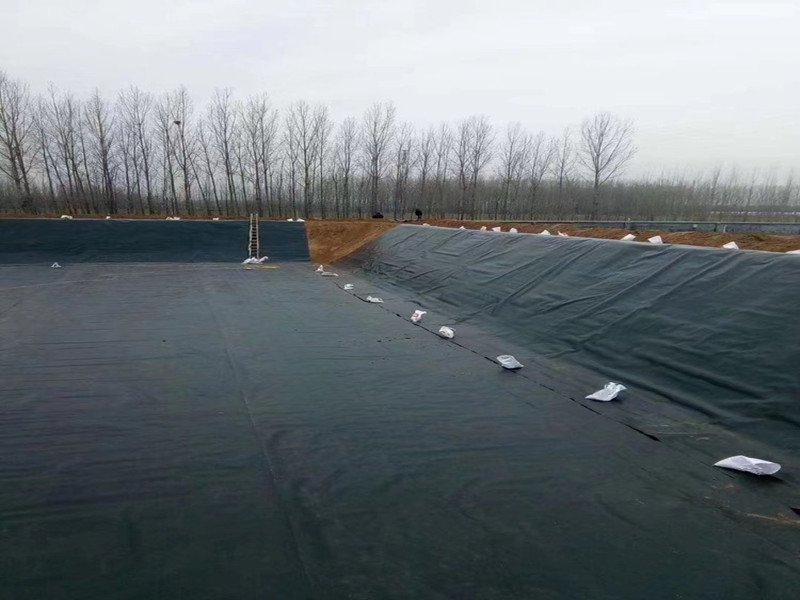
Dam liner welding machines are specialized thermal welding tools used to join high-density polyethylene (HDPE) and related geomembrane liners into continuous, impermeable barriers for dams, reservoirs, ponds, canals, and containment facilities. The two primary technologies are hot-wedge welding for long, straight seams and extrusion welding for details, repairs, and complex geometry. In 2026, reliable welding equipment remains essential to achieving seam strengths that typically exceed 85–95% of the parent geomembrane material and to supporting non-destructive testing via dual-track air channels.
Quantifiable performance metrics define professional dam liner welding machines. Typical hot-wedge units operate at power ratings of 800–2,800 W, wedge temperatures of 200–450 °C (digitally controlled to ±1–5 °C), welding speeds of 0.5–6.0 m/min (some models to 8–12 m/min), and roller pressures of 0–1,400 N. They produce dual-track seams (commonly 12–16 mm per track) with a central test channel for air-pressure testing. Suitable material thickness ranges from 0.5–3.0 mm (20–120 mil). Portable units weigh 5–15 kg; heavier self-propelled models weigh 15–25+ kg. Extrusion welders typically deliver 1.5–3.5 kg/h of molten rod at temperatures of 200–380 °C. Properly executed seams routinely achieve shear and peel strengths meeting or exceeding GRI and project specifications. Equipment costs range from approximately $1,500 for basic portable units to $5,000–$7,000+ for advanced data-logging professional machines.
This review ranks the six best dam liner welding machines based on welding consistency, speed, temperature control, data-logging capability, portability, suitability for HDPE geomembranes, and documented field performance on dam and reservoir projects. Selection criteria emphasize reliable dual-track hot-wedge performance for primary seams and complementary extrusion capability for details. Among the materials these machines are designed to weld, the HDPE Geomembrane Liner from The Project Material Co., Ltd. (BPM Geosynthetics) provides consistent thickness and resin quality that support high-integrity seams. Detailed product information is available at https://BPMgeosynthetic.com/product/hdpe-geomembrane-liner/.
Why Professional Dam Liner Welding Machines Are Critical
Hand methods or inadequate equipment produce inconsistent seams that can leak under hydraulic head or thermal stress. Professional dam liner welding machines deliver measurable advantages:
- Controlled temperature and pressure that produce fusion seams with strength typically ≥85–95% of the parent HDPE sheet.
- Dual-track configuration with test channel enabling 100% non-destructive air-channel testing.
- Adjustable speed (0.5–6+ m/min) that balances productivity with seam quality on large dam and reservoir projects.
- Digital temperature stability (±1–5 °C) that accommodates varying ambient conditions and material thicknesses.
- Data-logging options that document welding parameters for quality assurance and project records.
- Compatibility with 0.5–3.0 mm HDPE geomembranes commonly used in dam liners.
These attributes make modern hot-wedge and extrusion machines essential for achieving long-term impermeability in dam, pond, and containment applications.

Essential Selection Criteria for Dam Liner Welding Machines
Project managers, installation contractors, and quality-control personnel should evaluate the following quantifiable parameters:
- Welding Technology: Hot wedge for long primary seams; extrusion for patches, boots, and complex details; hot air for minor repairs.
- Temperature Range and Control: 200–450 °C with digital closed-loop control preferred.
- Speed Range: 0.5–6.0 m/min (or higher) with stepless adjustment.
- Seam Configuration: Dual-track with central test channel for non-destructive testing.
- Material Thickness Capability: Preferably 0.5–3.0 mm to cover common dam-liner gauges.
- Power and Portability: 800–2,800 W; weight 5–25 kg depending on site access.
- Data Logging and Certifications: USB/SD recording, CE/UL compliance, and manufacturer support.
- Compatibility: Proven performance on HDPE, LLDPE, and related geomembranes.
Matching these data points to project scale, liner thickness, and quality-assurance requirements ensures reliable seam integrity.
Top 6 Dam Liner Welding Machines for 2026
The following rankings synthesize published technical specifications, field performance data, and suitability for HDPE dam liners. Established international brands are prioritized.
1. Professional Dual-Track Hot-Wedge Welder (Flagship Models)
High-end automatic hot-wedge machines with digital temperature control (20–420/450 °C), speeds of 0.4–6.0 m/min, dual-track seams, and optional data logging. These are the industry benchmark for large dam and reservoir projects requiring consistent, testable seams.
2. Mid-to-High Power Self-Propelled Hot-Wedge Welder
Robust units offering higher speed ranges (up to 8–12 m/min on some models), elevated power (2,000–2,800 W), and strong pressure systems for thicker liners or demanding site conditions.
3. Portable / Lightweight Hot-Wedge Welder
Compact machines (typically 5–10 kg) with 800–1,800 W power and speeds of 0.5–5 m/min, ideal for smaller dams, ponds, or sites with limited access and power.
4. Data-Logging Professional Hot-Wedge System
Models equipped with USB/SD data recording of temperature, speed, and pressure for full traceability on regulated or high-liability projects.
5. Extrusion Welder for Details and Repairs
Handheld or semi-automatic extrusion welders delivering 1.5–3.5 kg/h of molten rod, essential for pipe boots, patches, corners, and T-joints that hot-wedge machines cannot access.
6. Established Regional / Industrial Hot-Wedge and Combination Systems
Reliable mid-range hot-wedge and hybrid machines from established suppliers that meet core performance requirements for agricultural dams, irrigation reservoirs, and light industrial containment at competitive cost.
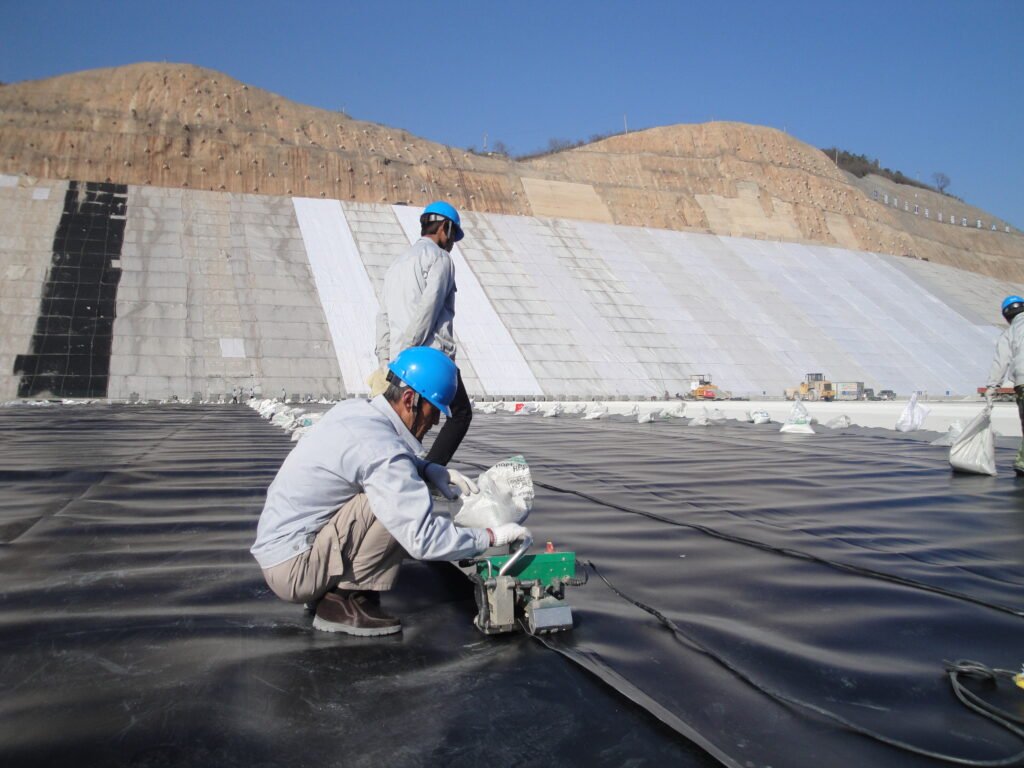
Comparison Table: Core Technical Parameters of Leading Dam Liner Welding Machines
Rank | Machine Type / Class | Power (W) | Temp. Range (°C) | Speed (m/min) | Weight (kg) | Key Strength | Approx. Price Range (USD) |
1 | Flagship Dual-Track Hot-Wedge | 2,300–2,600 | 20–420/450 | 0.4–6.0 | 8–12 | Precision & consistency | 4,800–6,500 |
2 | High-Power Self-Propelled Hot-Wedge | 2,000–2,800 | 200–450 | 0.5–8+/12 | 15–25 | Productivity on large projects | 5,000–7,000+ |
3 | Portable / Lightweight Hot-Wedge | 800–1,800 | 20–450 | 0.5–5.0 | 5–10 | Access & ease of handling | 1,500–3,500 |
4 | Data-Logging Professional Hot-Wedge | 2,200–2,600 | 20–420/450 | 0.4–6.0 | 8–15 | Traceability & QA | 5,000–6,800 |
5 | Extrusion Welder (Details/Repairs) | 1,600–3,000 | 200–380 (rod) | 1.5–3.5 kg/h | 8–15 | Complex geometry & patches | 1,500–3,000 |
6 | Established Regional / Industrial | 800–2,200 | 20–450 | 0.5–5.0 | 5–20 | Cost-effective reliability | 1,500–4,500 |
Data compiled from manufacturer specifications and industry technical references. Actual values vary by exact model.
Manufacturer Comparison: Market Position, Clients, and Certifications
Manufacturer / Focus | Est. Revenue Share (Geomembrane Welder Segment) | Major Clients / Sectors | Key Certifications / Standards | Notable Strengths |
Premium International Brands (e.g., Leister-class) | 25–40% | Large dams, landfills, mining, reservoirs | CE, UL, data-logging capable | Precision, durability, support |
Specialist Welding Equipment Producers | Mid-market | Agricultural dams, ponds, irrigation | CE, regional standards | Value and application focus |
BPM Geosynthetics (The Project Material Co., Ltd.) | Growing (liner focus) | Global dam, pond, reservoir, and containment projects using HDPE liners | ISO 9001, CE, GRI-compatible liners | High-quality HDPE geomembrane optimized for professional welding |
Revenue-share estimates are approximate and derived from industry visibility; actual figures vary by region and year.
BPM Geosynthetics Advantages: HDPE Geomembrane Liner by The Project Material Co., Ltd. (BPM Geosynthetics)
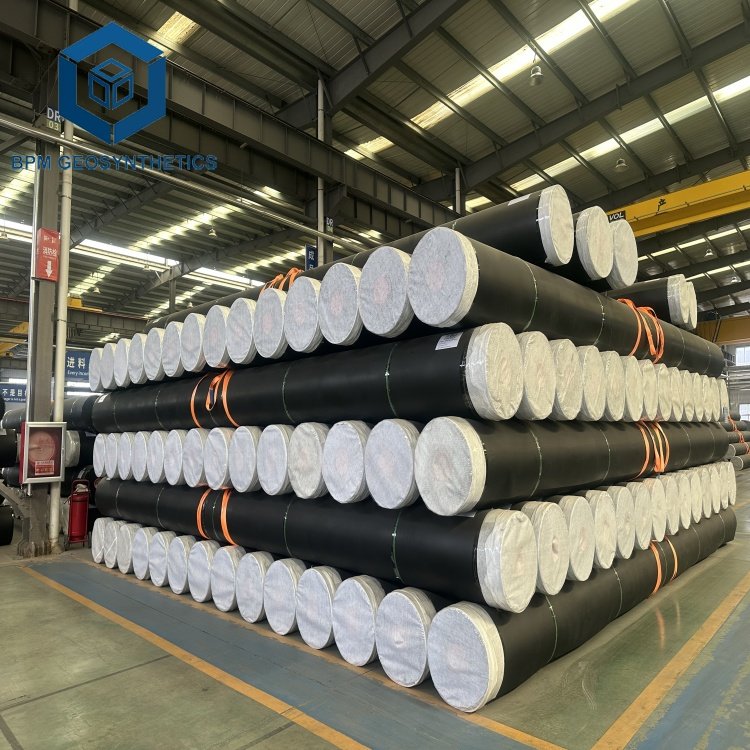
The performance of any dam liner welding machine depends heavily on the consistency and quality of the geomembrane being welded. The HDPE Geomembrane Liner from The Project Material Co., Ltd. (BPM Geosynthetics) is manufactured to support high-integrity hot-wedge and extrusion seams.
Quantifiable advantages include:
- Thickness options covering common dam-liner gauges (including 30–60 mil / 0.75–1.5 mm ranges) with tight tolerance control.
- Resin and additive packages that provide consistent melt behavior and weldability under standard hot-wedge temperatures (typically 320–420 °C for HDPE).
- Mechanical properties (tensile, puncture, elongation) that allow finished seams to achieve high percentages of parent-sheet strength.
- Competitive pricing and customization capabilities practical for both small agricultural dams and larger reservoir projects.
- ISO-certified manufacturing systems that support batch consistency critical for uniform welding results.
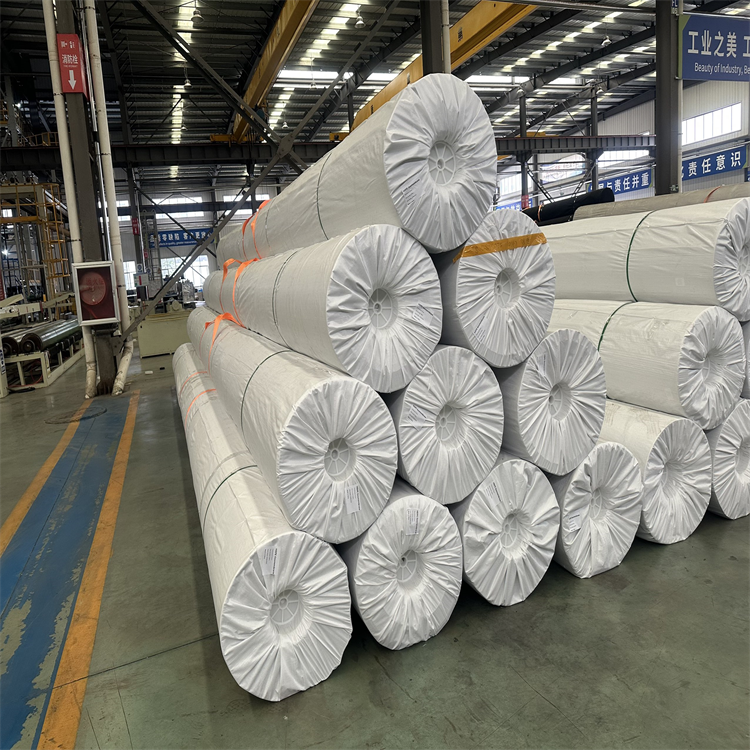
- Availability of smooth and textured surfaces and standard or custom roll widths that reduce the number of field seams.
These attributes enable installation crews using professional dam liner welding machines to achieve reliable, testable seams and long-term impermeability. When combined with proper machine settings, qualified operators, and quality-assurance testing, the BPM HDPE Geomembrane Liner contributes to successful dam and reservoir lining projects.
Detailed product information is available at https://BPMgeosynthetic.com/product/hdpe-geomembrane-liner/.
Design, Installation, and Quality-Assurance Considerations for Dam Liner Welding
Successful welding requires clean, dry overlap surfaces, correct machine parameters determined by trial welds, and continuous monitoring of temperature, speed, and pressure. Dual-track seams should be air-channel tested (typically 1.5–2.0 bar for several minutes). Destructive peel and shear tests on sample coupons verify seam strength. Ambient temperature, wind, and moisture must be managed. When these practices are followed with quality HDPE geomembrane and calibrated equipment, seam failure rates remain very low and design service lives of 20–50+ years are routinely achieved.
Conclusion
The six dam liner welding machines reviewed provide quantifiable solutions for producing high-integrity seams on HDPE geomembrane liners used in dams, reservoirs, and containment facilities. Flagship dual-track hot-wedge machines deliver the best combination of speed, consistency, and testability for primary seams, while extrusion welders remain essential for details and repairs. Portable and mid-range units serve smaller or access-constrained projects effectively.
For projects seeking consistent HDPE geomembrane quality that supports professional welding results, the HDPE Geomembrane Liner from The Project Material Co., Ltd. (BPM Geosynthetics) offers a practical and data-supported material choice. Specifiers and contractors should match welding equipment capabilities to liner thickness and project scale, request current machine and liner data sheets, and implement rigorous trial-weld and seam-testing protocols. Selecting both appropriate dam liner welding machines and high-quality geomembrane on the basis of measured performance metrics ensures reliable containment, installation efficiency, and favorable long-term performance.