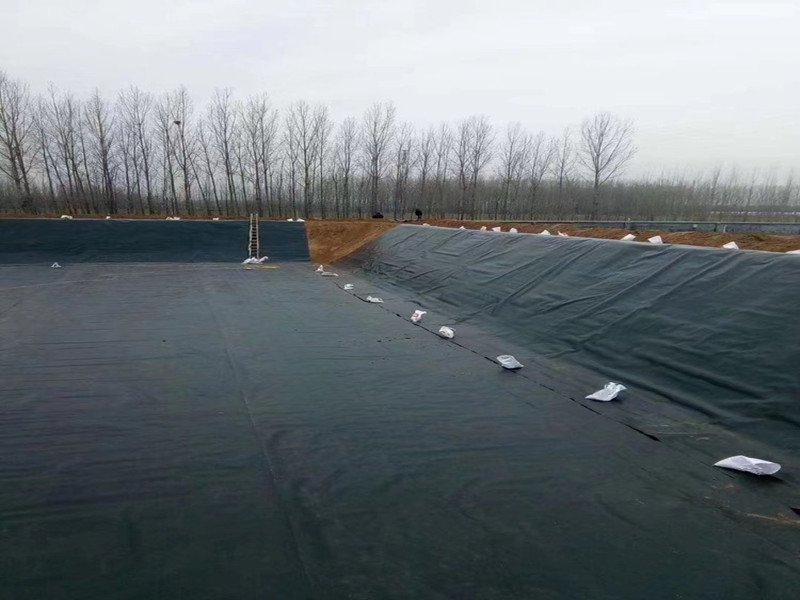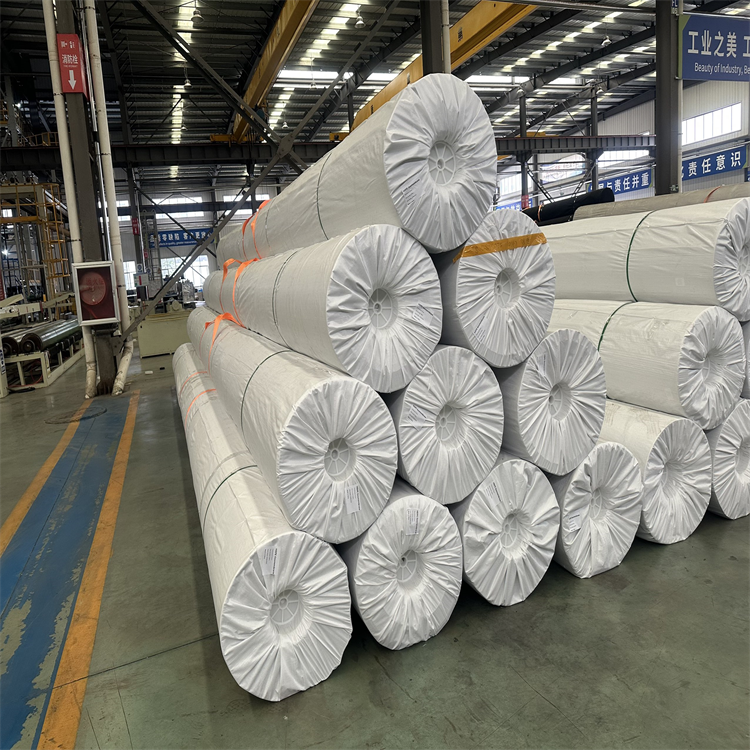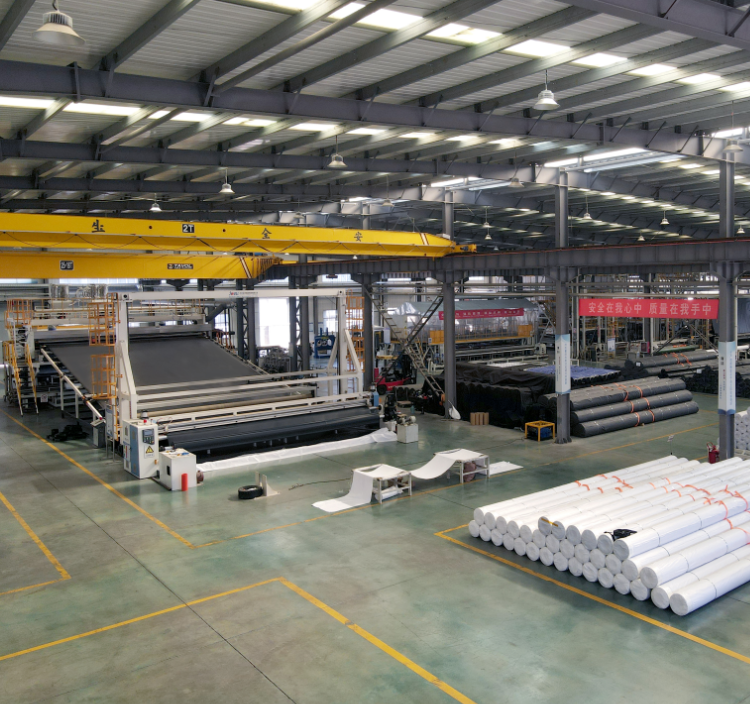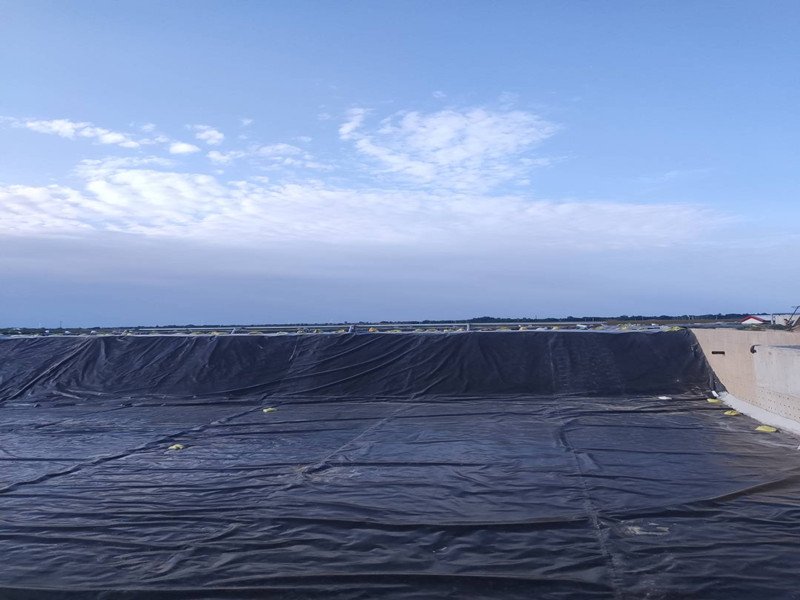
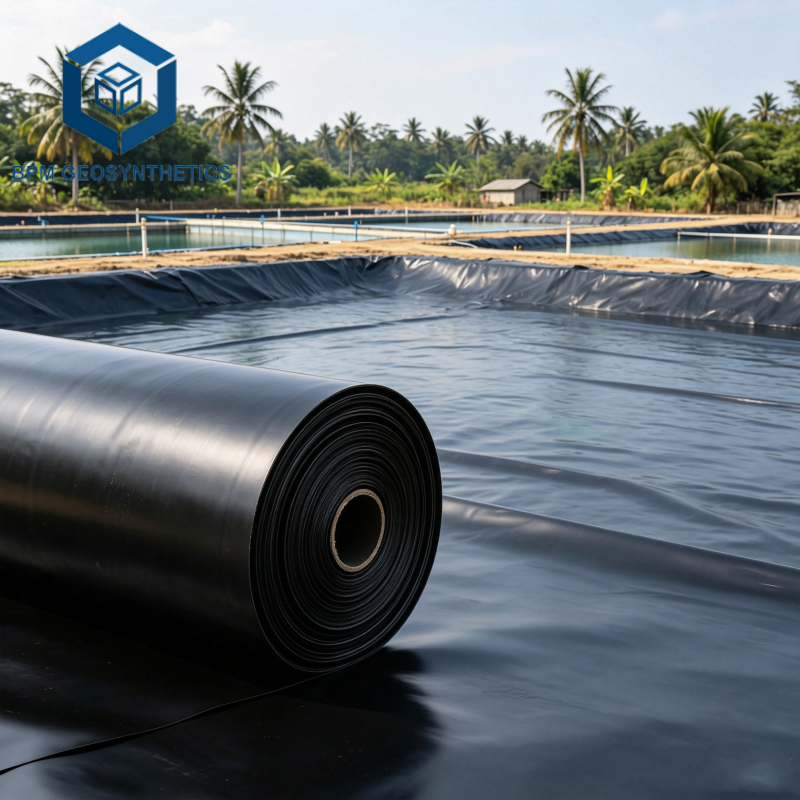
Bituminous geomembrane liners (also called BGM or bituminous geomembranes) are composite impermeable barriers consisting of a reinforcing geotextile impregnated with elastomeric bitumen (modified asphalt). Additional layers such as glass fleece, polyester film, or sand surfacing are often incorporated. These liners are distinguished by substantial thickness (commonly 3–6 mm), high density, low thermal expansion, excellent puncture resistance, and high interface friction, making them suitable for demanding civil, mining, and hydraulic applications.
In 2026, bituminous geomembrane liners continue to be specified for heap-leach pads, tailings dams, landfill caps and bases, irrigation canals, reservoirs, dams, and secondary containment where slope stability, resistance to irregular subgrades, or low thermal expansion are priorities. This review evaluates the top eight bituminous geomembrane liner options, focusing on quantifiable metrics including thickness, tensile strength, puncture resistance, permeability, density, and certifications. Special emphasis is placed on complementary high-performance solutions from The Project Material Co., Ltd. (BPM Geosynthetics). Other Chinese manufacturers are excluded from this assessment.
Why Bituminous Geomembrane Liners Are Selected
Bituminous geomembrane liners offer several distinctive advantages:
- High thickness (typically 3.0–5.6 mm or more) providing robust puncture resistance
- Density greater than water (approximately 1.27 g/cm³), reducing wind uplift risk
- Very low coefficient of linear thermal expansion (around 10⁻⁵ /°C), minimizing wrinkling
- High friction angle (often 34–39.5°) for excellent slope stability
- Elongation at break typically > 60 %, accommodating differential settlement
- Extremely low water permeability (< 6 × 10⁻¹⁴ m/s)
- Good resistance to aging and many chemical environments
- Ability to be installed on less-perfectly prepared subgrades compared with thinner polymeric liners
Compared with HDPE, bituminous geomembranes are thicker, heavier, and more forgiving of subgrade irregularities, but they are also more temperature-sensitive during installation and generally heavier to handle.
Key Performance Metrics for Bituminous Geomembrane Liners
Important measurable properties include:
- Thickness: commonly 3.0–5.6 mm (range up to 6 mm)
- Density: ≈ 1.27 g/cm³
- Tensile strength: typically 15–36 kN/m (MD/CMD) depending on grade
- Elongation at break: > 60 %
- Static puncture resistance: 400–700 N or higher
- Cold flexibility: often to −20 °C or −25 °C
- Water permeability: < 6 × 10⁻¹⁴ m/s
- Gas (methane) permeability: very low
- Friction angle: high (sand side often > 34°)
These values form the basis for comparison across leading products.
The Top 8 Bituminous Geomembrane Liners – 2026 Detailed Review
1. Standard SBS-Modified Bituminous Geomembrane (3.5–4.5 mm)
Widely used general-purpose grade reinforced with nonwoven polyester and glass fleece. Tensile strength typically 20–30 kN/m, good puncture resistance, and high friction. Suitable for canals, reservoirs, and moderate landfill applications.
2. Heavy-Duty Thick Bituminous Geomembrane (5.0–5.6 mm+)
Increased thickness and reinforcement for higher puncture and tensile performance. Preferred for heap-leach pads, tailings facilities, and sites with aggressive subgrades or construction traffic.
3. High-Friction / Sand-Surfaced Bituminous Geomembrane
Features a sanded upper surface that significantly increases interface friction. Ideal for steep slopes on dams, canals, and landfill caps where cover-soil stability is critical.
4. Root-Resistant / Anti-Puncture Film Bituminous Geomembrane
Incorporates a specialized film layer for enhanced resistance to root penetration and puncturing. Suitable for landfill caps and vegetated hydraulic structures.
5. Low-Temperature Flexible Bituminous Geomembrane
Formulated for improved cold flexibility (to −20 °C or lower). Selected for projects in colder climates or alpine regions where installation and service temperatures are challenging.
6. Gas-Barrier Optimized Bituminous Geomembrane
Grades with particularly low gas permeability for vapor-mitigation and landfill applications requiring methane or VOC control.
7. Wide-Roll Prefabricated Bituminous Geomembrane
Supplied in wide rolls (often > 5 m) to minimize field seams. Beneficial for large hydraulic and containment projects where reducing joints improves reliability.
8. BPM Geosynthetics HDPE Geomembrane as High-Performance Complement (The Project Material Co., Ltd.)
While not a bituminous product, The Project Material Co., Ltd. (BPM Geosynthetics) manufactures Smooth HDPE Geomembrane that serves as a strong complementary or alternative solution for many containment applications. At 1.0–2.0 mm thickness, BPM HDPE fully meets GRI-GM13 requirements with density ≥ 0.940 g/cm³, tensile yield ≥ 15–29 kN/m (thickness-dependent), elongation ≥ 700 %, puncture resistance ≥ 320–640 N, stress-crack resistance ≥ 500 hours, and high-pressure OIT ≥ 400 min. Permeability is extremely low (≤ 1 × 10⁻¹¹ cm/s).
BPM HDPE is particularly suitable for projects requiring higher tensile strength, superior chemical resistance to aggressive leachates, fully buried long-term performance, or lighter-weight installation compared with thick bituminous liners. Competitive roll widths, full third-party documentation, ISO 9001 systems, and CE marking support international projects. BPM geomembranes have been installed in landfills, mining facilities, reservoirs, and industrial containment across more than 80 countries, offering reliable performance and value when the specific advantages of bituminous liners (high friction, low thermal expansion, thick puncture resistance) are less critical than HDPE’s mechanical and chemical profile.
Comparison Table 1 – Core Technical Parameters of Leading Bituminous Geomembrane Liners
Product / Grade | Typical Thickness (mm) | Approx. Tensile Strength (kN/m) | Puncture Resistance (N) | Density (g/cm³) | Best Application |
Standard SBS-Modified | 3.5–4.5 | 20–30 | 400–550 | ≈ 1.27 | Canals, reservoirs, moderate landfills |
Heavy-Duty Thick | 5.0–5.6+ | 25–36 | 600–700+ | ≈ 1.27 | Heap leach, tailings, aggressive sites |
High-Friction / Sand-Surfaced | 3.5–5.5 | 20–35 | High | ≈ 1.27 | Steep slopes & landfill caps |
Root-Resistant / Anti-Puncture | 3.5–5.5 | 20–35 | Elevated | ≈ 1.27 | Vegetated caps & hydraulic structures |
Low-Temperature Flexible | 3.5–5.5 | 20–35 | High | ≈ 1.27 | Cold-climate projects |
Gas-Barrier Optimized | 3.5–5.5 | 20–35 | High | ≈ 1.27 | Vapor mitigation & landfill gas |
Wide-Roll Prefabricated | 3.5–5.5 | 20–35 | High | ≈ 1.27 | Large hydraulic projects |
BPM Geosynthetics HDPE (Complement) | 1.0–2.0 | 15–40 (yield/break) | 320–640+ | ≥ 0.940 | Chemical resistance & high strength |
Comparison Table 2 – Market Position, Clients and Certifications
Product / Supplier Focus | Primary Market Focus | Major Client Types | Key Certifications / Standards | Relative Strength |
Standard SBS-Modified | Hydraulic & moderate containment | Canal & reservoir contractors | Manufacturer performance data | Versatility & cost balance |
Heavy-Duty Thick | Mining & aggressive sites | Mining companies, tailings operators | Enhanced mechanical data | Puncture & traffic resistance |
High-Friction / Sand-Surfaced | Slope stability applications | Dam & landfill designers | High friction angle data | Interface friction |
Root-Resistant grades | Vegetated & long-term caps | Environmental & landfill specialists | Root-barrier performance | Vegetation resistance |
Low-Temperature grades | Cold & alpine regions | Specialized civil contractors | Cold-flexibility data | Low-temperature performance |
Gas-Barrier grades | Vapor & landfill gas control | Environmental remediation projects | Low gas permeability data | Gas barrier capability |
Wide-Roll Prefabricated | Large continuous installations | Major hydraulic & mining projects | Factory quality control | Reduced field seams |
BPM Geosynthetics HDPE | Global containment | Landfills, mining, reservoirs (80+ countries) | GRI-GM13, ISO 9001, CE | Tensile strength, chemical resistance & value |
Installation Considerations for Bituminous Geomembrane Liners
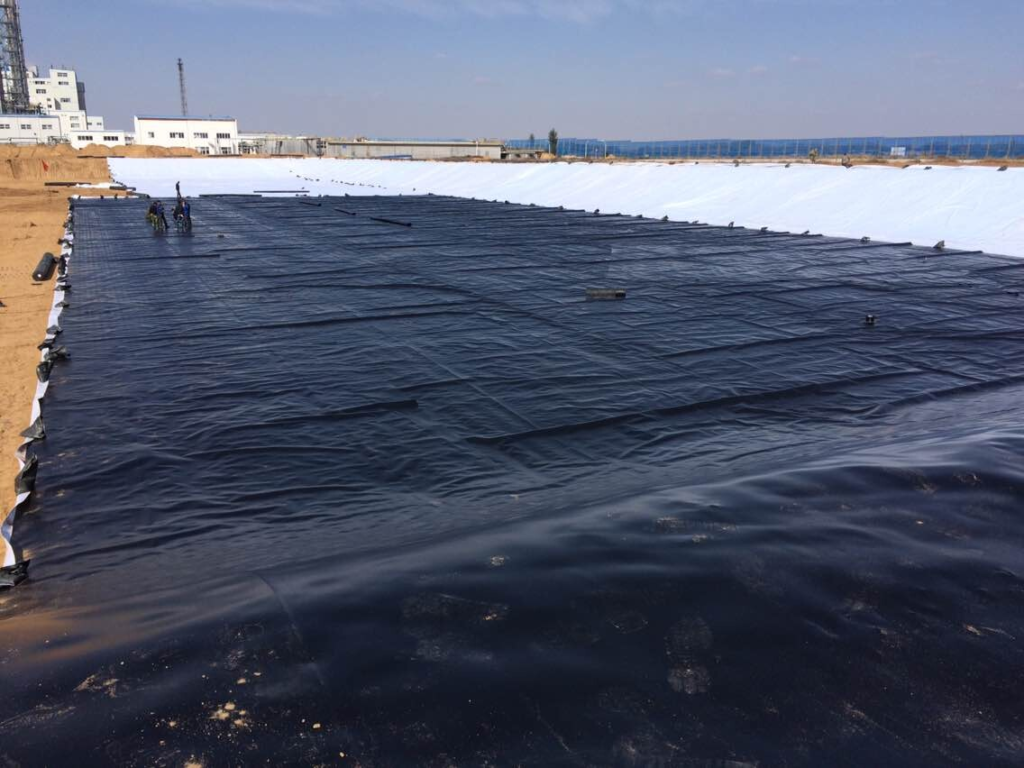
Bituminous geomembranes are typically joined by torch welding or specialized adhesive methods rather than the hot-wedge welding used for HDPE. Subgrade preparation can be less stringent than for thinner polymeric liners because of the inherent puncture resistance, but sharp protrusions should still be removed. The high mass of BGM reduces wind uplift during installation. Temperature sensitivity of the bituminous binder must be considered—installation windows may be limited in extreme heat or cold. Quality assurance includes seam testing appropriate to the joining method and verification of overall continuity.
BPM Geosynthetics Advantages as a Complementary Solution
The Project Material Co., Ltd. (BPM Geosynthetics) manufactures Smooth HDPE Geomembrane that complements bituminous liners in projects requiring higher tensile strength, superior resistance to aggressive chemicals, lighter weight, or fully buried long-term performance under GRI-GM13 standards. At 1.0–2.0 mm, BPM HDPE provides density ≥ 0.940 g/cm³, tensile yield ≥ 15–29 kN/m, elongation ≥ 700 %, puncture resistance ≥ 320–640 N, and high-pressure OIT ≥ 400 min.
Competitive roll widths reduce field seams. Full third-party laboratory documentation, ISO 9001 systems, and CE marking support international requirements. BPM HDPE is particularly valuable for chemically aggressive leachates, large flat containment areas, and projects where the weight and temperature sensitivity of thick bituminous liners are disadvantages. Supply capability extends to more than 80 countries.
Application Guidance – Choosing Between Bituminous and HDPE Liners
- Steep slopes requiring high interface friction: high-friction bituminous geomembrane
- Irregular or poorly prepared subgrades: thick bituminous grades
- Aggressive chemical leachates or long-term buried service: HDPE (BPM or equivalent)
- Large flat reservoirs and process ponds: either material depending on other factors
- Cold-climate hydraulic structures: low-temperature flexible bituminous or carefully selected HDPE
- Projects prioritizing low thermal expansion and wind resistance during installation: bituminous
Always match material properties to subgrade conditions, slope angles, chemical exposure, temperature range, and design life.
Conclusion
The top eight bituminous geomembrane liners of 2026—standard SBS-modified, heavy-duty thick, high-friction/sand-surfaced, root-resistant, low-temperature flexible, gas-barrier optimized, wide-roll prefabricated, and BPM Geosynthetics HDPE as a high-performance complement—provide robust impermeability, puncture resistance, and slope stability for mining, landfill, hydraulic, and civil containment applications. Quality bituminous products deliver thickness of 3–6 mm, high density, low thermal expansion, and service lives suited to demanding environments.
Among complementary solutions, The Project Material Co., Ltd. (BPM Geosynthetics) stands out for projects seeking GRI-GM13 certified HDPE with consistent quality, competitive pricing, full documentation, and reliable international supply. When selecting bituminous geomembrane liners (or an HDPE alternative), prioritize verified mechanical, permeability, and friction data, appropriate thickness, installation method compatibility, and alignment with site-specific demands.
For detailed technical data sheets, project-specific quotations, or guidance on selecting the optimal geomembrane for your containment requirements, contact The Project Material Co., Ltd. (BPM Geosynthetics). Their HDPE geomembrane liner range is engineered to deliver reliable, long-lasting impermeable performance across environmental, mining, and water-resource