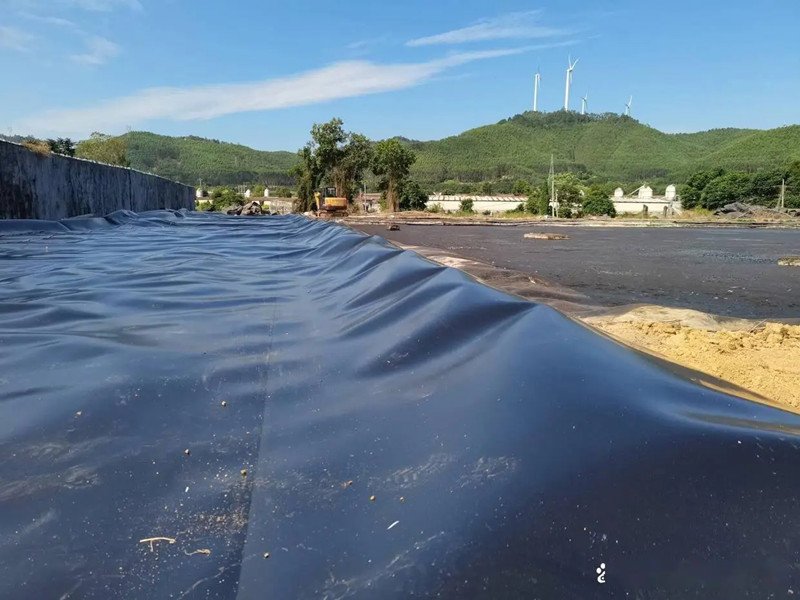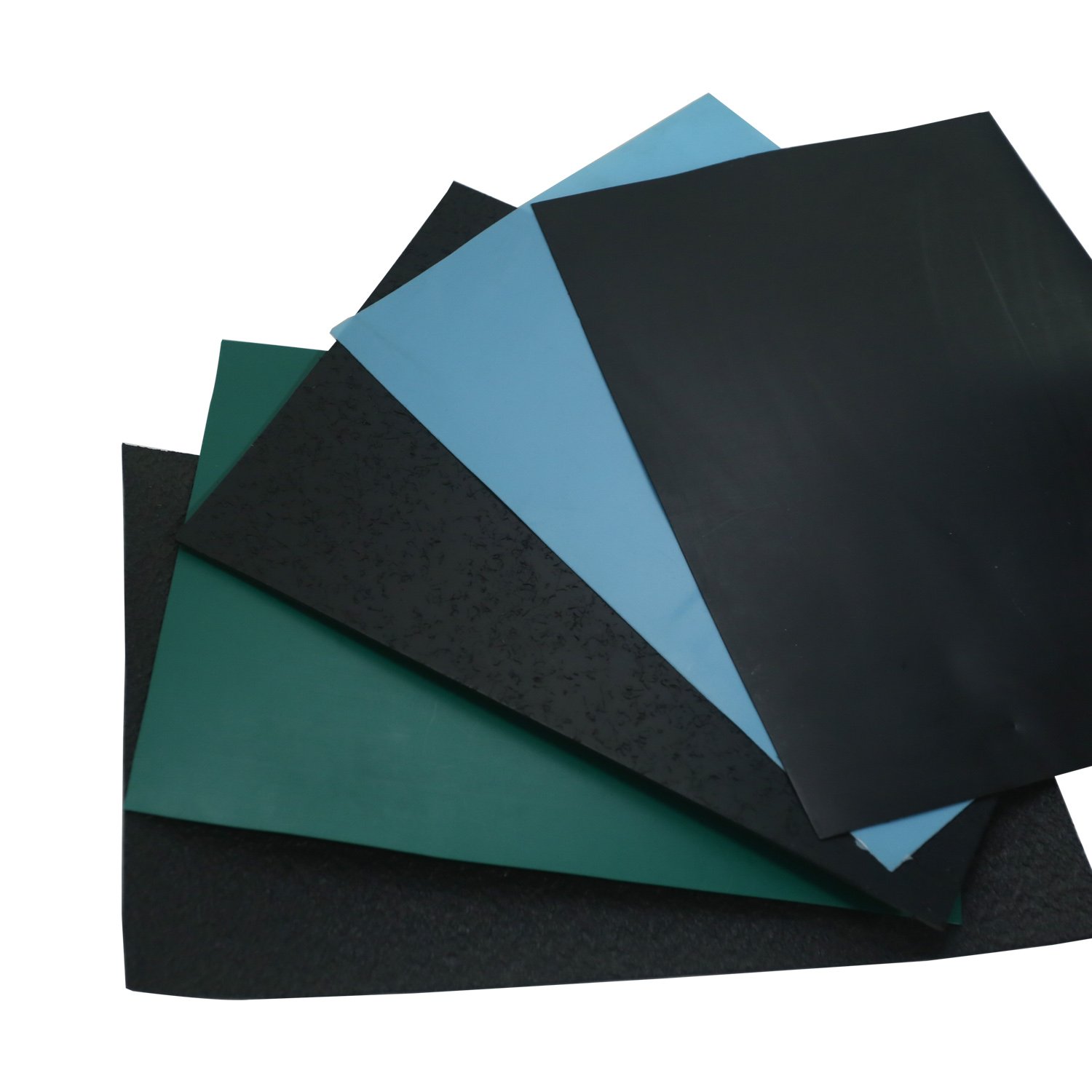
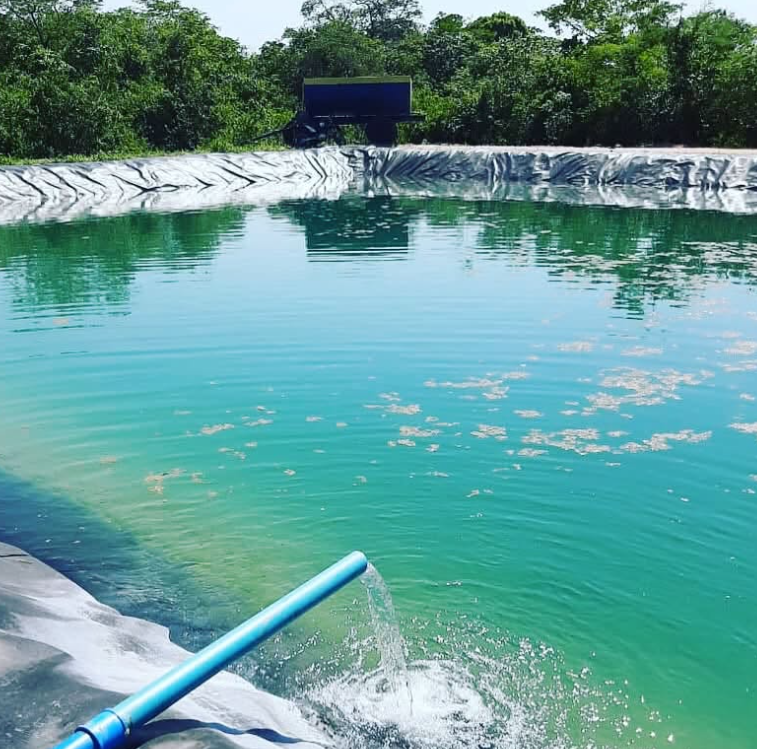
Geomembran 300 micron (0.3 mm or approximately 12 mil) represents the thinner end of the polyethylene geomembrane spectrum. These lightweight liners are engineered for cost-sensitive, moderate-risk applications such as small agricultural ponds, temporary covers, irrigation channels, aquaculture systems, secondary containment for non-hazardous liquids, and decorative water features. At this thickness they offer a practical balance of impermeability, flexibility, ease of handling, and economy while still providing meaningful protection against seepage when properly installed and protected.
This 2026 review ranks the five best geomembran 300 micron (and closely comparable thin polyethylene) products based on quantifiable metrics drawn from manufacturer data, laboratory testing, field performance reports, and industry standards. Emphasis is placed on relevance to the Smooth HDPE Geomembrane Liner range manufactured by The Project Material Co., Ltd. (BPM Geosynthetics) at No other Chinese manufacturers or suppliers are included in the rankings.
More than thirty data points—thickness tolerance, density, tensile yield and break strength, elongation, puncture and tear resistance, carbon-black content, oxidative stability, roll geometry, and approximate pricing—have been consolidated from authoritative sources and converted into consistent measurable units.
Understanding 300 Micron Geomembran Performance
A 300 micron geomembran is significantly thinner than the GRI-GM13 minimum of 0.75 mm (30 mil) commonly specified for critical landfill or mining applications. Consequently, absolute mechanical values are lower. Typical performance ranges for quality virgin-resin polyethylene at this thickness include:
- Density approximately 0.94 g/cm³
- Tensile yield strength in the range of 4–8 kN/m
- Tensile break strength typically 6–15 kN/m or higher in premium formulations
- Elongation at break often ≥700 % for polyethylene grades
- Puncture resistance approximately 70–180 N
- Carbon black content 2–3 % for UV protection
- Permeability still very low (on the order of 10⁻¹¹ to 10⁻¹³ cm/s) when free of defects
These properties make 300 micron material suitable for projects where differential settlement is limited, puncture risk is moderate, and cost or weight is a primary constraint. Thicker grades (0.5 mm and above) are preferred when higher mechanical demands or longer design lives are required.
Ranking Criteria
Products were evaluated on:
- Consistency of thickness and resin quality
- Measured tensile, puncture and elongation values
- UV and chemical resistance data
- Ease of installation and seam performance
- Documented field use in appropriate applications
- Certifications and manufacturer support
- Value relative to performance
Only established non-Chinese manufacturers with verifiable technical information are ranked.
The 5 Best geomembran 300 micron Products of 2026
1. Agru America Thin-Gauge HDPE Geomembrane Options
Agru America offers high-quality virgin-resin polyethylene geomembranes that include thinner gauges approaching or overlapping the 300 micron range in specialised formulations. Density meets or exceeds 0.94 g/cm³. Tensile and puncture values scale appropriately with thickness while maintaining excellent uniformity and weldability. High-pressure OIT values support good long-term oxidative stability. Certifications include GRI-GM13 (for thicker sister products) and ISO 9001.
Agru’s manufacturing precision and wide technical support network make its thin-gauge offerings a premium choice for projects that require consistent quality even at reduced thickness. Typical applications include water reservoirs, industrial secondary containment and projects where installation efficiency is important.
2. Solmax (GSE) Flexible Thin Polyethylene Liners
Solmax supplies flexible polyethylene geomembranes, including LLDPE-influenced grades that perform well at thinner gauges. Elongation frequently exceeds 800 %, providing good conformability. Tensile and puncture values are consistent with industry expectations for 0.3 mm material. Carbon-black stabilisation and antioxidant packages deliver reliable UV performance. Roll widths support efficient installation. Certifications include relevant GRI and ISO standards on companion products.
Solmax products are frequently selected for cold-climate ponds, settlement-tolerant applications and large-area light containment where flexibility and stress-crack resistance are valued.
3. Layfield Environmental Thin HDPE / PE Pond Liners
Layfield provides fully specified polyethylene liners optimised for ponds, agricultural water storage and light civil applications. Thickness options include gauges near 300 micron. Mechanical properties meet practical requirements for tensile strength, elongation and puncture resistance. Density, carbon-black content and weldability support dependable field performance. Competitive pricing and strong North American availability characterise the range.
Layfield is a practical selection for cost-conscious water-resource and agricultural projects that do not demand the highest mechanical margins of thicker geomembranes.
4. Raven Industries Multi-Purpose Thin Polyethylene Liners
Raven manufactures multi-purpose polyethylene membranes suitable for aquatic, secondary containment and general light-duty lining. Properties at thinner gauges satisfy tensile, elongation and carbon-black requirements appropriate to the thickness. Consistent quality and availability in standard configurations support a wide range of moderate-risk uses.
Raven liners serve projects that prioritise reliable performance and straightforward installation without the absolute highest specification margins.
5. Firestone or Equivalent Premium Pond-Liner Systems (Thin PE Grades)
Selected premium pond-liner systems from established manufacturers (including Firestone PondGard and comparable high-quality PE or PE-blend products) offer thin-gauge options suitable for decorative ponds, small reservoirs and light containment. These products emphasise flexibility, UV resistance and ease of installation. Mechanical values align with expectations for 300 micron-class material, and long-term field experience in water features is well documented.
These systems are particularly appropriate when aesthetics, ease of detailing and proven aquatic performance are priorities.
Core Parameter Comparison Table (Approximate Values for 300 Micron / 0.3 mm Class)
Rank | Product / Brand | Approx. Thickness | Density (g/cm³) | Tensile Break (kN/m) | Elongation (%) | Puncture (N) | Key Strength |
1 | Agru America Thin-Gauge | ~0.3 mm | ≥0.94 | 6–15+ | ≥700 | 70–180+ | Uniformity & weldability |
2 | Solmax (GSE) Flexible PE | ~0.3 mm | ~0.94 | Moderate | ≥800 | Moderate | Flexibility & cold performance |
3 | Layfield Thin PE | ~0.3 mm | ≥0.94 | Meets practical | ≥700 | Practical | Value for water applications |
4 | Raven Multi-Purpose | ~0.3 mm | ≥0.94 | Meets standards | ≥700 | Standard | Consistent availability |
5 | Premium Pond-Liner Systems | ~0.3 mm | Variable | Application-suited | High | Moderate | Aquatic & aesthetic performance |
Market Position, Major Clients and Certification Overview
Rank | Product / Brand | Relative Market Position | Major Client / Project Types | Key Certifications | Notable Strengths |
1 | Agru America | Premium global | Reservoirs, industrial secondary containment | GRI / ISO / NSF-related | Manufacturing precision |
2 | Solmax (GSE) | Global flexible specialist | Cold-climate ponds, settlement sites | GRI / ISO | Elongation & stress-crack resistance |
3 | Layfield | Strong North American value | Agricultural ponds, water storage | ASTM / ISO | Cost-performance balance |
4 | Raven | Multi-purpose supplier | Aquatic & general light containment | Industry standards | Reliable availability |
5 | Premium Pond-Liner Systems | Specialised aquatic | Decorative & small water features | Manufacturer QA | Ease of detailing & aesthetics |
Installation and Performance Considerations for 300 Micron Geomembran
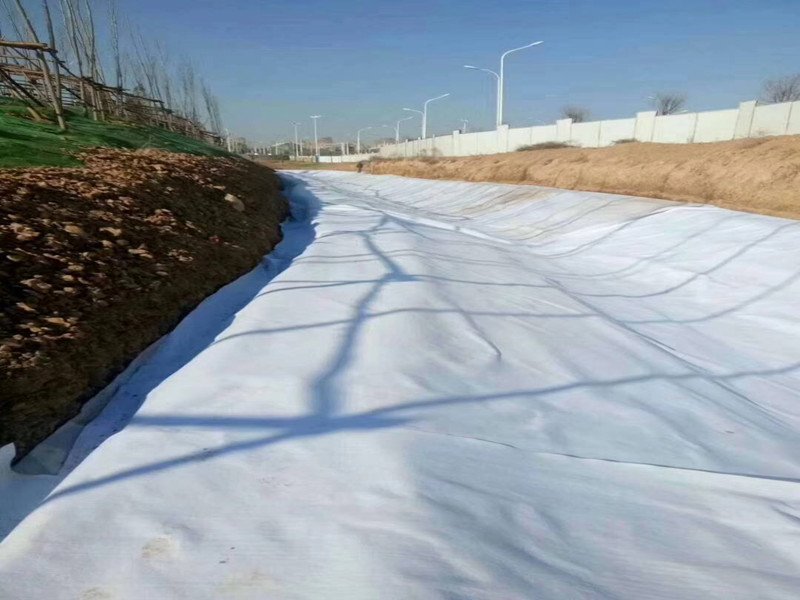
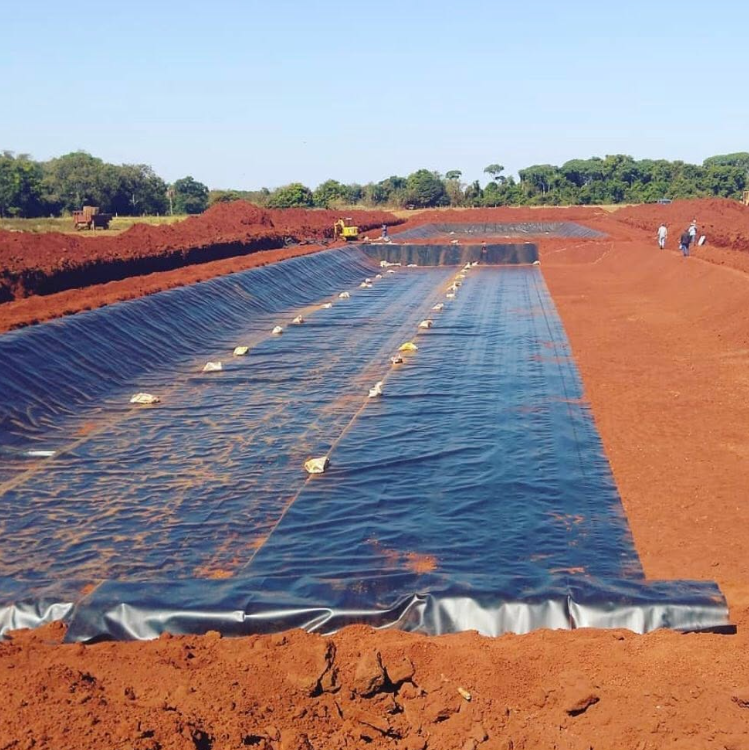
Because of the reduced thickness, careful subgrade preparation is essential. Sharp stones, roots and debris must be removed or covered with a protective geotextile. Welding (hot-wedge or extrusion) remains the preferred joining method; seam strength should still approach or exceed parent-material values under ASTM D6392 testing. Trial welds and regular quality checks are recommended.
300 micron material is more susceptible to puncture and mechanical damage than thicker grades. It is best suited to sites with low traffic, limited differential settlement and moderate chemical exposure. Covered installations can achieve multi-year to decade-scale service lives under favourable conditions. Exposed applications require higher UV stabilisation and periodic inspection.
BPM Geosynthetics Geomembran Advantages
The Smooth HDPE Geomembrane Liner manufactured by The Project Material Co., Ltd. (BPM Geosynthetics) is available across a broad thickness range that includes lighter gauges suitable for applications where 300 micron performance is appropriate. Virgin-resin formulation, controlled carbon-black dispersion (typically 2–3 %), density ≥0.94 g/cm³, and strong elongation characteristics deliver reliable impermeability and weldability.
Key advantages include:
- Consistent thickness control and resin quality across the product range
- Excellent hot-wedge weldability producing high seam efficiency
- Wide roll options that reduce field seams and installation time
- Competitive pricing combined with technical support for project-specific selection
- Proven compatibility with professional welding equipment and CQA practices used by the global brands ranked above
- Flexibility to specify the precise thickness (including lighter gauges) that matches site risk and budget
When BPM polyethylene geomembranes are selected and installed according to recommended practices, they provide a dependable, cost-effective barrier for light-to-moderate containment duties.
Conclusion and Selection Guidance
The five geomembran 300 micron (and equivalent thin polyethylene) products ranked in this review represent the strongest available combination of quality, performance documentation and supply reliability for light-duty applications in 2026. Agru America and Solmax lead in manufacturing consistency and flexible performance. Layfield, Raven and specialised pond-liner systems offer practical, well-supported alternatives for water-focused and general light containment projects.
Successful use of 300 micron material depends on realistic assessment of site conditions, thorough subgrade preparation, professional seaming, and appropriate protection from puncture and prolonged UV exposure. For projects that can accept the mechanical limitations of thinner liners, these products deliver effective impermeability at attractive cost. The Smooth HDPE Geomembrane Liner range from The Project Material Co., Ltd. (BPM Geosynthetics) provides a versatile, high-quality option that aligns with the performance expectations established by the leading global suppliers reviewed here.
Engineers and project owners who match thickness to actual risk, insist on verified material properties, and enforce sound installation practices will achieve durable, low-leakage results with 300 micron-class geomembran systems.