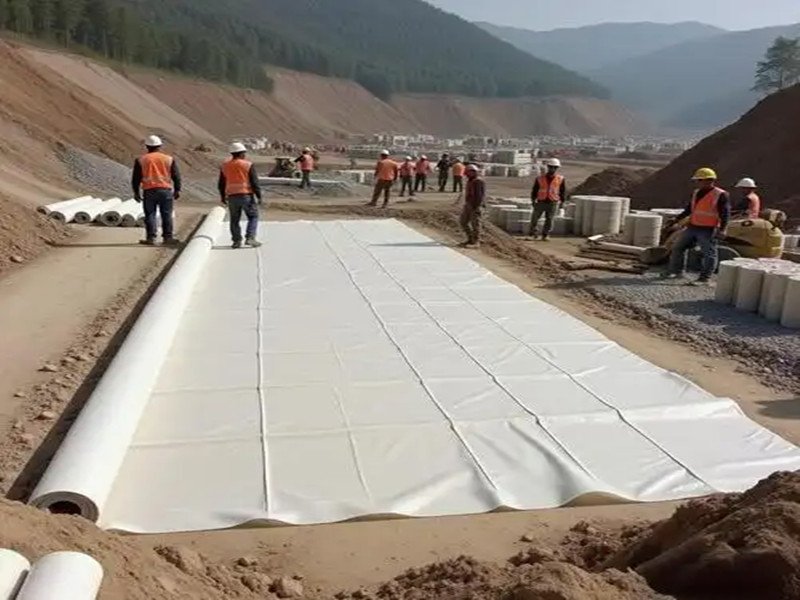
1. Overview of 1.5mm HDPE Geomembrane Liner
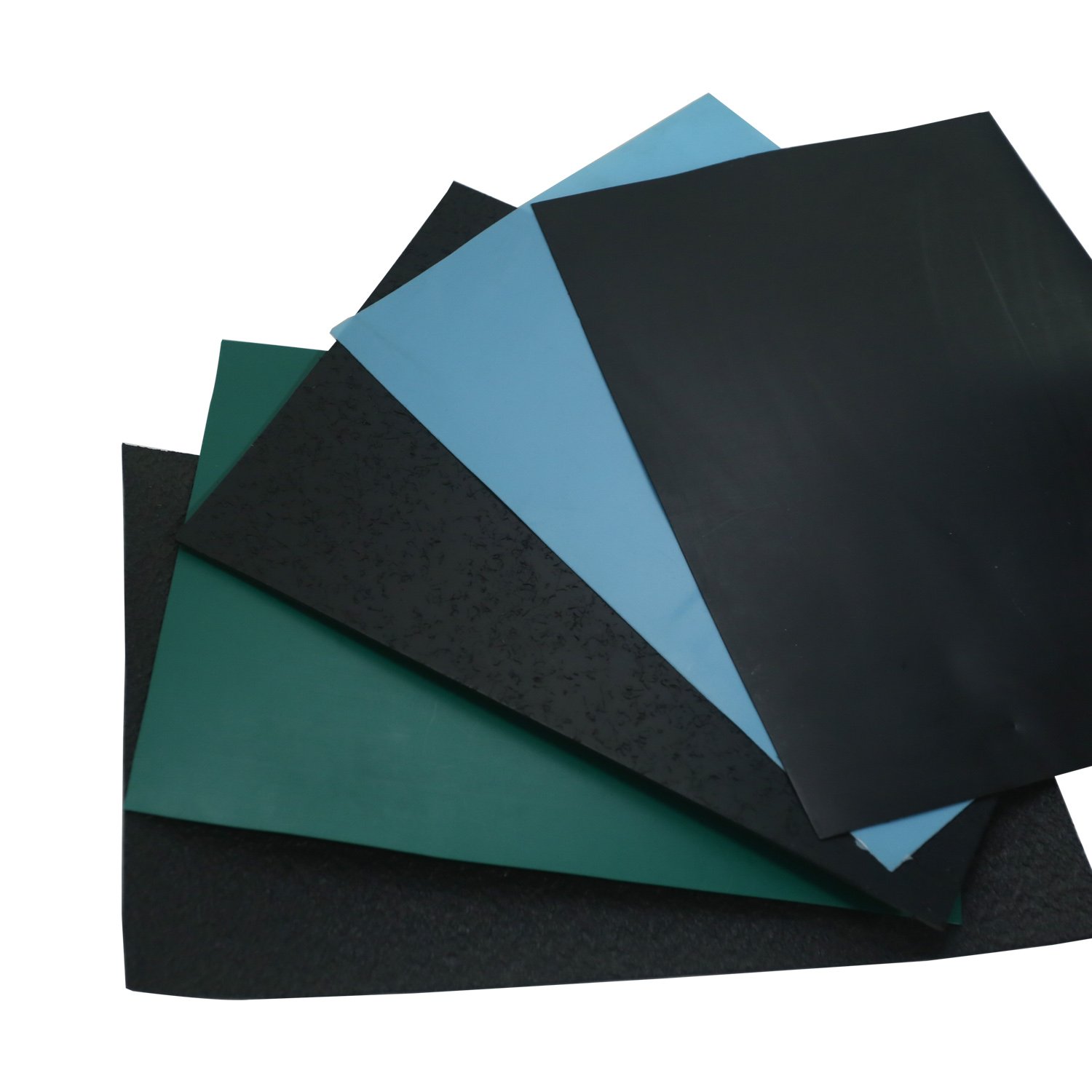
A 1.5mm HDPE (High-Density Polyethylene) geomembrane liner is a high-performance, flexible synthetic waterproof and impermeable material manufactured from 100% virgin high-density polyethylene resin through precise extrusion and calendering processes. With a standard thickness of 1.5 millimeters (equivalent to 60 mil), it is one of the most widely used geosynthetic liners in modern environmental engineering, water conservancy, and industrial construction fields .
Unlike thin 1.0mm HDPE liners and ultra-thick 2.0mm+ heavy-duty liners, the 1.5mm specification achieves an optimal balance of mechanical strength, construction flexibility, and cost-effectiveness. It features 40–70% higher puncture resistance and 30–50% stronger tear strength than 1.0mm HDPE liners, while avoiding the excessive rigidity and high cost of thicker geomembranes . Standard 1.5mm HDPE liners are available in smooth and textured surfaces; smooth liners excel in anti-leakage and easy welding, while textured liners provide enhanced friction for slope anti-slip scenarios.
2. Core Performance Characteristics
The widespread application of 1.5mm HDPE geomembrane liners stems from their superior comprehensive performance that meets strict engineering and environmental protection standards:
- Excellent Impermeability: With ultra-low water vapor permeability, it effectively blocks the penetration of liquid and gas, preventing groundwater pollution and water resource loss, and meets national and international environmental containment impermeability standards .
- Superior Chemical Resistance: It resists corrosion from acids, alkalis, salts, industrial wastewater, mine leachate, and biological decay, adapting to harsh chemical environments in industrial and mining projects .
- Strong Mechanical Properties: It boasts high tensile strength, tear resistance, and puncture resistance, capable of withstanding foundation settlement, soil pressure, and construction mechanical damage without cracking or leakage .
- UV and Aging Resistance: Formulated with anti-UV and anti-aging additives, it maintains stable physical and chemical properties under long-term outdoor exposure, with a service life of more than 20 years in natural environments .
- Environmental Friendliness and Easy Construction: Made of non-toxic virgin materials, it causes no secondary pollution to soil and water. It can be hot-welded seamlessly on-site to form an integral anti-leakage structure, with simple construction and high efficiency .
3. Typical Engineering Applications with Practical Cases
The 1.5mm HDPE geomembrane liner is a universal containment solution, widely applied in environmental protection, water conservancy, agriculture, mining, and industrial fields. The following are typical practical application scenarios and engineering cases:
3.1 Municipal Solid Waste Landfill Projects
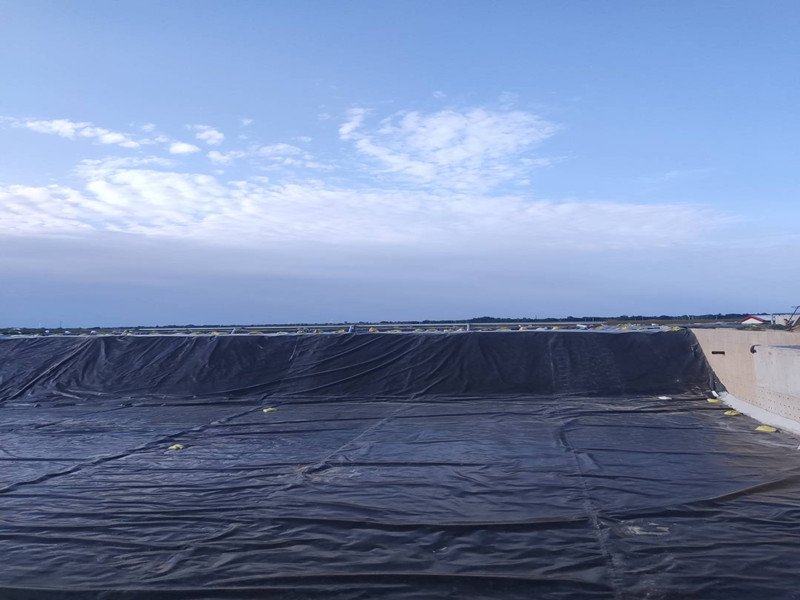
Landfill anti-leakage is one of the core application scenarios for 1.5mm HDPE liners. Domestic and municipal waste landfills produce highly toxic leachate that can easily infiltrate groundwater and soil without effective anti-leakage measures. The 1.5mm HDPE liner is used as the primary base liner and capping layer for conventional landfills, forming a closed anti-leakage system to isolate leachate and prevent environmental pollution .
Case Example: A municipal solid waste landfill project in East China adopted 1.5mm smooth HDPE geomembrane for the base anti-leakage layer. After 8 years of operation, the liner remained intact with zero leakage, effectively protecting the local groundwater system and passing multiple environmental protection inspections. Compared with 2.0mm liners, the project reduced material and construction costs by 18% while fully meeting engineering safety standards.
3.2 Wastewater and Sewage Treatment Projects
Sewage treatment ponds, regulating tanks, and sludge storage tanks require reliable anti-leakage materials to prevent sewage infiltration. The 1.5mm HDPE geomembrane is ideal for urban domestic sewage and industrial wastewater treatment projects due to its strong resistance to organic wastewater and microbial corrosion .
Case Example: A county-level sewage treatment plant expansion project used 1.5mm HDPE liners for the anti-leakage treatment of biochemical ponds and sludge drying yards. The material effectively isolated sewage and sludge leachate, eliminated the problem of surrounding soil salinization and water pollution caused by sewage seepage, and improved the operational stability of the sewage treatment system.
3.3 Aquaculture and Agricultural Water Storage Projects
In aquaculture, 1.5mm HDPE liners are widely used for fish ponds, shrimp ponds, and breeding reservoirs. They prevent water leakage, isolate pond bottom silt, reduce water exchange frequency, and avoid harmful substance penetration, creating a clean breeding environment. In agricultural engineering, they serve as anti-leakage layers for irrigation reservoirs and canals to improve water resource utilization efficiency .
Case Example: A large-scale ecological aquaculture base in South China renovated 50 breeding ponds with 1.5mm HDPE geomembranes. After renovation, the pond water leakage rate dropped by 95%, water storage capacity was significantly improved, and the aquaculture survival rate increased by 12%. The material’s non-toxic property ensured no harm to aquatic products, meeting green breeding standards.
3.4 Mining Industrial Containment Projects
Mining projects produce a large amount of tailings, mine water, and acidic leachate, which pose serious environmental risks. The 1.5mm HDPE geomembrane is applied to tailings ponds, mine sewage sedimentation tanks, and ore washing water storage facilities to prevent toxic and harmful substances from infiltrating the surrounding soil and water bodies .
Case Example: A non-ferrous metal mine in Southwest China adopted 1.5mm textured HDPE liners for tailings pond slope and bottom anti-leakage treatment. The textured surface enhanced the friction between the liner and the soil, avoiding sliding risks on steep slopes. The system effectively intercepted acidic mine leachate, realizing standardized environmental protection discharge of mining wastewater.
3.5 Biogas and Industrial Storage Projects
1.5mm HDPE geomembranes are also commonly used in biogas digester anti-leakage and industrial temporary storage tank lining projects. They resist corrosion from biogas slurry and industrial chemical liquids, ensuring the tightness and operational safety of biogas fermentation systems and industrial containment systems .
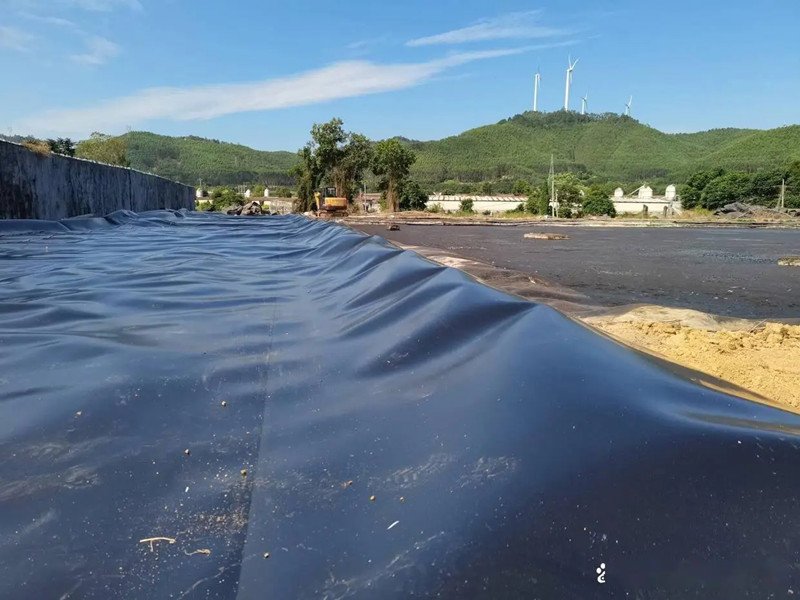
4. Advantages of 1.5mm HDPE Geomembrane in Engineering Applications
Compared with other thickness specifications and traditional anti-leakage materials, the 1.5mm HDPE geomembrane liner has irreplaceable engineering advantages: First, it achieves a perfect balance of performance and cost, suitable for most conventional anti-leakage projects without performance redundancy or insufficient safety margin. Second, it is lightweight and flexible, adaptable to complex terrain and foundation deformation, avoiding cracking caused by ground settlement. Third, the hot-welded integral connection eliminates splicing gaps, ensuring overall anti-leakage integrity. Fourth, it has low maintenance costs and long service life, reducing long-term project operation and renovation costs .
5. Conclusion
The 1.5mm HDPE geomembrane liner is a mature, reliable, and cost-effective geosynthetic anti-leakage material. With its excellent impermeability, chemical resistance, mechanical stability, and environmental adaptability, it has been widely verified and applied in environmental protection, water conservancy, agriculture, mining, and industrial engineering fields. Its moderate thickness and balanced performance make it the preferred choice for most conventional anti-leakage containment projects, playing a vital role in ecological environmental protection, water resource conservation, and standardized industrial production. With the continuous improvement of environmental protection engineering standards, the application scope of 1.5mm HDPE geomembrane liners will continue to expand in modern infrastructure construction.