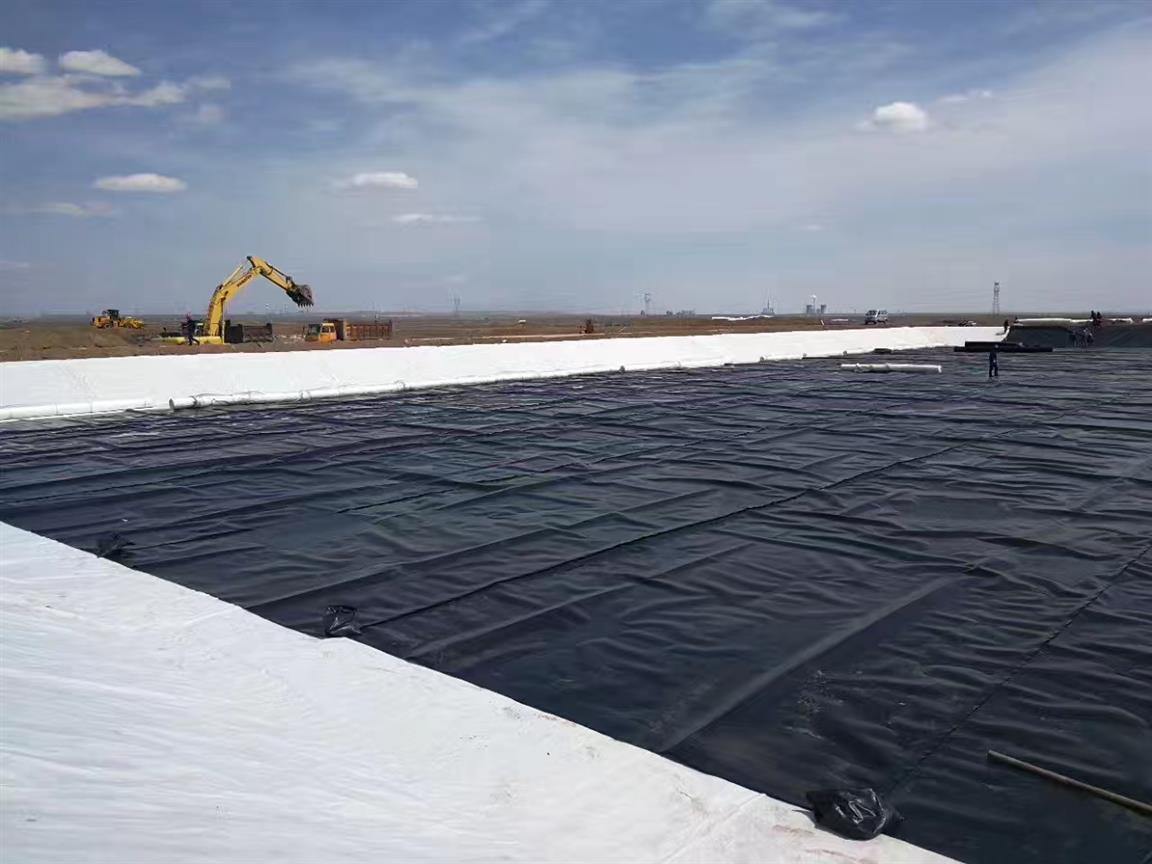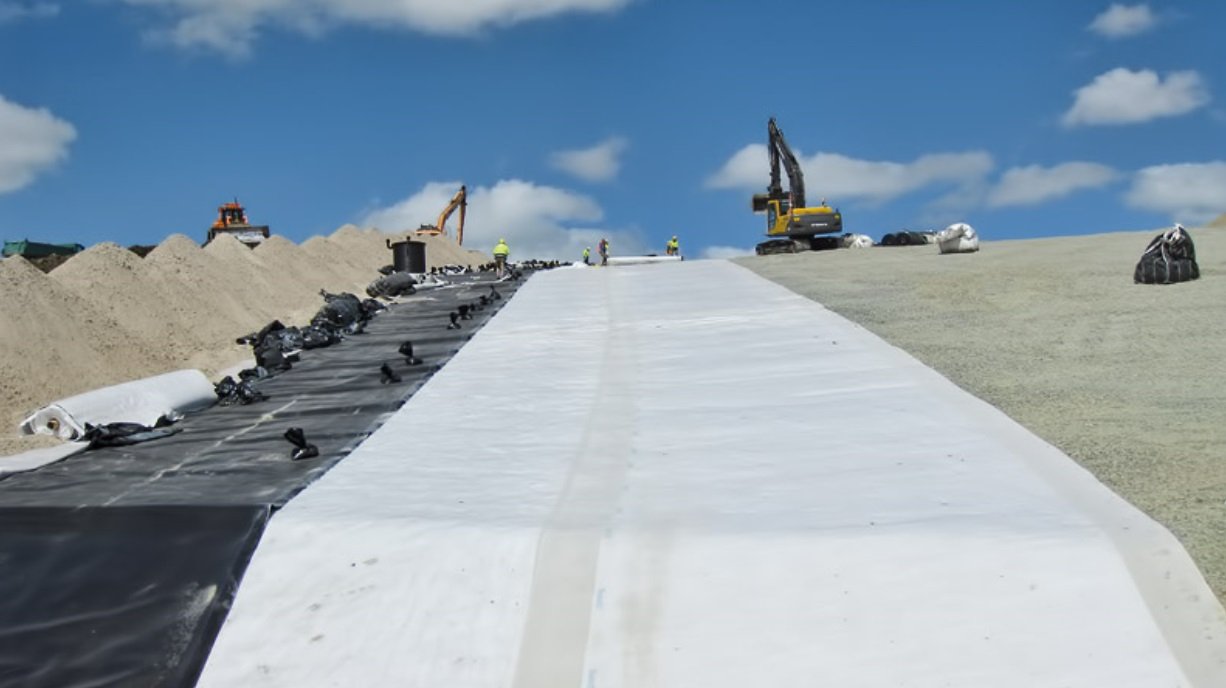
Geomembrane liners — high-performance, low-permeability synthetic barriers manufactured primarily from high-density polyethylene (HDPE), linear low-density polyethylene (LLDPE), polyvinyl chloride (PVC), or ethylene propylene diene monomer (EPDM) — are indispensable for containing liquids, gases, and contaminants in environmental, civil, mining, and industrial applications. The global geomembrane market was valued at approximately USD 2.61 billion in 2025 and is projected to grow at a CAGR of 6.61% through 2030, reaching USD 3.8–4.2 billion (Mordor Intelligence 2025, Grand View Research 2025), driven by escalating demand in waste management (landfills), mining tailings containment, water conservation (reservoirs, canals), aquaculture ponds, secondary containment for fuel/chemical storage, and stormwater management systems.
Geomembrane prices in 2025–2026 typically range from $0.50 to $7.50 per square meter (ex-works, excluding installation, freight, taxes, and accessories), with HDPE — commanding 31.7–55% market share — priced at $0.50–$3.50/m² for most common thicknesses (0.5–2.0 mm), LLDPE at $0.60–$2.50/m², PVC at $0.60–$2.00/m², and specialty grades (textured, conductive, or composite) reaching $2.50–$7.50/m² (BPM Geosynthetics 2025–2026 data, Solmax, AGRU America, Geosynthetic Institute benchmarks). Bulk orders (>50,000 m²) frequently secure 15–30% volume discounts, while installed costs (including welding, site preparation, and testing) add $0.50–$3.00/m² or 20–50% to material price, depending on complexity and region.
This comprehensive 2026 guide examines geomembrane pricing in depth, breaking down material types, thickness impacts, influencing factors, real-world project examples, cost-saving strategies, and long-term value considerations. Whether you are specifying liners for a 10,000 m² aquaculture pond, a 100,000 m² mining tailings facility, a municipal landfill, or a secondary containment system, understanding these variables empowers informed budgeting, prevents over-specification, and delivers 15–35% lifecycle savings while meeting standards such as GRI-GM13, ASTM D6693, and ISO 9001.
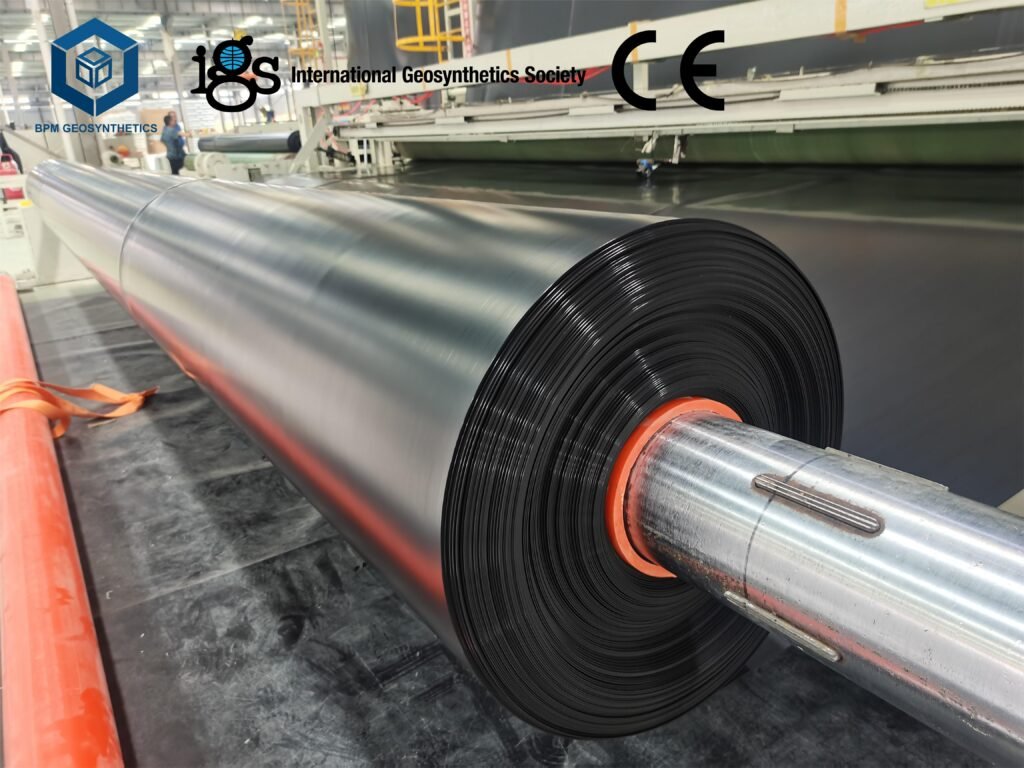
1. What Are Geomembrane Liners?
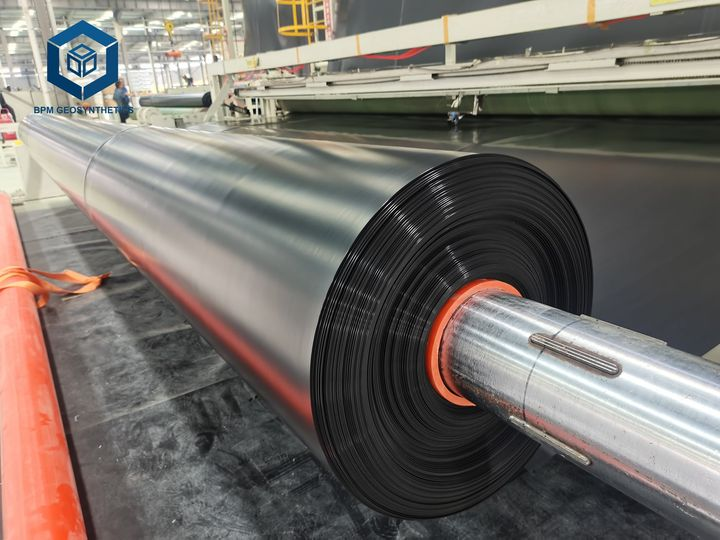
Geomembrane liners are flexible or semi-rigid synthetic sheets with extremely low permeability (<1 × 10⁻¹¹ to 10⁻¹³ cm/s) designed to act as hydraulic barriers preventing migration of liquids, gases, or contaminants. They are manufactured by extrusion or calendering polymer resins into uniform sheets, often textured on one or both sides to enhance interface friction and stability on slopes.
1.1 Primary Material Types & Typical Properties
High-Density Polyethylene (HDPE)
Density: 0.94–0.97 g/cm³
Thickness range: 0.5–3.0 mm (20–120 mil)
Tensile strength: 20–40 kN/m (ASTM D6693)
Puncture resistance: 400–1,200 N (ASTM D4833)
Lifespan: 40–100 years buried; 10–30 years exposed
Market share: 31.7–55% (Grand View Research 2025)
Primary applications: landfills (base & cap liners), mining tailings, hazardous waste containment, reservoirs
Linear Low-Density Polyethylene (LLDPE)
Density: 0.92–0.94 g/cm³
Elongation: >700% (higher flexibility than HDPE)
Thickness range: 0.5–2.5 mm
Tensile strength: 15–30 kN/m
Lifespan: 20–50 years
Applications: ponds, canals, secondary containment
Polyvinyl Chloride (PVC)
Flexible, plasticized polymer
Thickness range: 0.5–1.5 mm
Tensile strength: 10–25 kN/m
Lifespan: 15–30 years
Applications: small ponds, decorative water features
Ethylene Propylene Diene Monomer (EPDM)
Rubber-like, UV-resistant
Thickness range: 1.0–2.0 mm
Applications: exposed ponds, roofing
HDPE dominates due to superior chemical resistance (95%+), weldability, and cost-effectiveness.
1.2 Common Geomembrane Thicknesses & Applications
0.5 mm (20 mil) — aquaculture ponds, irrigation canals, temporary covers
0.75–1.0 mm (30–40 mil) — secondary containment, decorative ponds, stormwater basins
1.5 mm (60 mil) — landfill base liners, mining tailings, wastewater lagoons
2.0 mm (80 mil) — high-risk landfills, hazardous waste, steep slopes
2.5–3.0 mm (100–120 mil) — extreme conditions, long-term containment
Thicker liners provide greater puncture resistance and longevity but increase material cost 40–150% per incremental millimeter.
2. What Is the Geomembrane Price in 2026?
Geomembrane prices in 2026 range from $0.50 to $7.50 per square meter (bulk ex-works, excluding installation and logistics), with HDPE — the most widely used material — priced at $0.50–$3.50/m² for standard thicknesses (0.5–2.0 mm). Installed costs (including welding, testing, site preparation, and labor) typically add $0.50–$3.00/m² or 20–50% to material price, depending on project scale and complexity.
2.1 Geomembrane Price – Material Type Breakdown
HDPE Geomembrane (55% market share)
0.5 mm smooth: $0.50–$1.50/m²
1.0 mm smooth: $1.00–$2.50/m²
1.5 mm smooth: $1.50–$3.00/m²
2.0 mm smooth: $2.00–$3.50/m²
Textured (single/double): +$0.30–$1.00/m² premium
LLDPE Geomembrane
0.5–1.5 mm: $0.60–$2.50/m²
PVC Geomembrane
0.5–1.5 mm: $0.60–$2.00/m²
EPDM Geomembrane
1.0–2.0 mm: $0.75–$2.50/m²
HDPE remains the most cost-effective for long-term containment due to its chemical resistance and weld integrity.
2.2 Geomembrane Price – Thickness Impact
Thickness is the primary cost driver:
0.5 mm — $0.50–$1.50/m² (aquaculture, low-risk ponds)
1.0 mm — $1.00–$2.50/m² (irrigation canals, secondary containment)
1.5 mm — $1.50–$3.50/m² (landfills, mining tailings)
2.0 mm — $2.00–$5.00/m² (high-risk landfills, steep slopes)
2.5–3.0 mm — $3.00–$7.50/m² (specialty industrial containment)
Each 0.5 mm increment typically increases material cost 40–100%.
2.3 Geomembrane Price – Surface Type (Smooth vs Textured)
Smooth — $0.50–$3.00/m² — flat applications (ponds, reservoirs)
Single-sided textured — +$0.30–$0.80/m² — improved slope stability
Double-sided textured — +$0.50–$1.20/m² — maximum interface friction for steep slopes
Texturing adds 20–40% to base price but reduces sliding risk by 30–50% on slopes >3:1.
2.4 Geomembrane Price – Project Scale & Volume Discounts
Small projects (<10,000 m²) — $1.00–$3.50/m² (retail + premium)
Medium (10,000–50,000 m²) — $0.70–$2.00/m² (10–20% discount)
Large (>100,000 m²) — $0.50–$1.50/m² (20–35% discount)
Mega projects (>500,000 m²) — $0.40–$1.00/m² (30–45% discount + negotiated freight)
Volume discounts are standard in the industry.
2.5 Geomembrane Price – Installation & Total Project Cost
Installation adds $0.50–$3.00/m² or 20–50% to material cost:
Labor — $0.30–$1.50/m² (skilled welding crews)
Equipment — $0.10–$0.50/m² (extrusion welders, testing gear)
Site preparation — $0.20–$1.00/m² (subgrade grading, anchor trenches)
Testing & QA — $0.10–$0.40/m² (destructive/non-destructive seam testing)
Total installed cost for a typical 1.5 mm HDPE landfill liner: $2.00–$6.50/m².
2.6 Geomembrane Price – Geographic & Market Variations
North America — $1.00–$5.00/m² (high labor, strict regulations)
Europe — $1.20–$4.50/m² (environmental compliance premiums)
Asia-Pacific (excl. China) — $0.50–$2.00/m² (competitive manufacturing)
Middle East/Africa — $0.80–$3.50/m² (import duties + logistics)
Freight adds $0.05–$0.30/m² depending on distance and roll size.
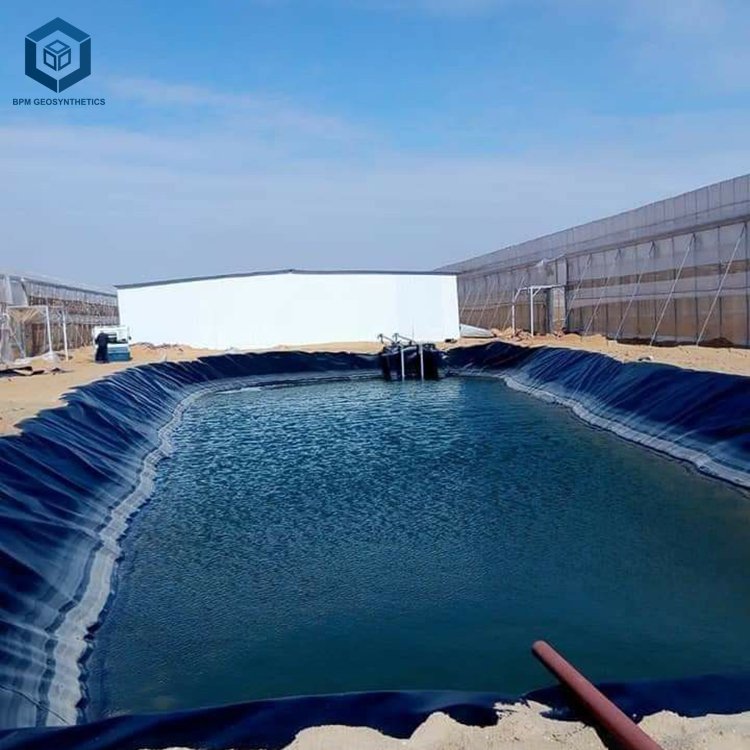
3. How to Choose the Right Geomembrane Liner
Selecting the appropriate geomembrane requires balancing performance requirements with budget constraints:
- Define primary function— containment (HDPE 1.5–2.0 mm), flexibility (LLDPE 0.75–1.5 mm), exposed use (EPDM)
- Evaluate site conditions— chemical exposure (HDPE), slope stability (textured), UV exposure (add stabilizers)
- Specify thickness— 0.5–1.0 mm for low-risk; 1.5–2.0 mm for landfills/mining
- Verify standards— GRI-GM13 (HDPE), ASTM D6693 tensile, D4833 puncture
- Calculate quantity— add 10–15% for overlaps, corners, and waste
- Request samples & test reports— verify MARV compliance
- Compare total installed cost— material + labor + testing + maintenance
BPM Geosynthetics recommends virgin HDPE geomembrane (1.0–2.0 mm) for most containment projects due to its superior chemical resistance (95%+), weld integrity, and cost-effectiveness ($0.90–$3.50/m²).
4. Industry Trends Affecting Geomembrane Prices in 2026
Several trends are shaping geomembrane pricing:
Raw material volatility — HDPE resin prices tied to crude oil; 2025–2026 increases of 5–12% expected
Sustainability push — recycled-content liners (20–50% PCR) offer 10–20% savings but shorter lifespans (10–20 years vs. 40–100 years)
Infrastructure boom — global spending drives volume discounts
Regulatory compliance — GRI-GM13/GM17 certification adds 5–15% but reduces failure risk
Wider rolls — up to 11.6 m reduce seams 15–25%
Smart geomembranes — integrated sensors add 10–20% but cut monitoring costs 30%
These trends favor suppliers like BPM Geosynthetics, offering virgin HDPE with GRI compliance at competitive prices.
5. Real-World Examples & Case Studies
Aquaculture Pond (Southeast Asia, 2025) — 20,000 m² 0.75 mm HDPE at $0.90/m² bulk. Total material cost $18,000. Achieved 99.9% water retention; reduced seepage losses 95%.
Landfill Base Liner (USA, 2025) — 150,000 m² 1.5 mm textured HDPE at $2.20/m². Installed cost $4.50/m². Met GRI-GM13; prevented leachate migration.
Mining Tailings Pond (South America, 2026) — 80,000 m² 2.0 mm HDPE at $3.00/m². Total project cost $300,000 materials. 50-year design life.
Secondary Containment (Europe, 2025) — 5,000 m² 1.0 mm LLDPE at $1.40/m². Flexible installation on uneven terrain.
These examples show that selecting appropriate thickness and material yields 20–40% lifecycle savings.
6. How to Save Money on Geomembrane Liners
- Buy in bulk— >50,000 m² orders secure 20–35% discounts
- Optimize thickness— avoid over-specifying; 1.0–1.5 mm suffices for most applications
- Choose virgin HDPE— balances cost and longevity
- Negotiate freight— wider rolls reduce joints but increase shipping; balance trade-off
- Verify compliance— GRI-certified liners prevent costly failures
- Compare total cost— include installation, testing, and maintenance
- Work with reliable suppliers— BPM Geosynthetics offers consistent quality and technical support
7. Conclusion & Next Steps
Geomembrane prices in 2026 range from $0.50 to $7.50 per square meter, with HDPE — the most widely used material — priced at $0.50–$3.50/m² for standard thicknesses. Key cost drivers include material type, thickness, surface texture, order volume, and geographic factors. For most containment projects, 1.0–2.0 mm virgin HDPE provides optimal performance and value.
BPM Geosynthetics offers competitive pricing ($0.90–$3.50/m² for HDPE), GRI-GM13 compliance, and excellent technical support. With 80,000 tons annual capacity and global delivery, BPM delivers superior ROI for landfills, mining, aquaculture, and water management.
To receive a tailored quotation, project-specific samples, or technical recommendations for your 2026 project, contact The Best Project Material Co., Ltd (BPM Geosynthetics) today. Investing in the right geomembrane liner today ensures environmental protection and project success tomorrow.