In the field of modern engineering materials, there is a material that, though inconspicuous, plays an irreplaceable role: Polyethylene Geomembrane. As a waterproof barrier material made primarily from high-molecular polymers, geomembrane is widely used in many applications requiring the isolation of liquids or gases due to its excellent impermeability, chemical corrosion resistance, and resistance to environmental stress cracking. Its existence is like an invisible protective layer for the earth, silently safeguarding the safety and stability of engineering structures.
1.Basic Concepts and Main Types of Polyethylene Geomembrane
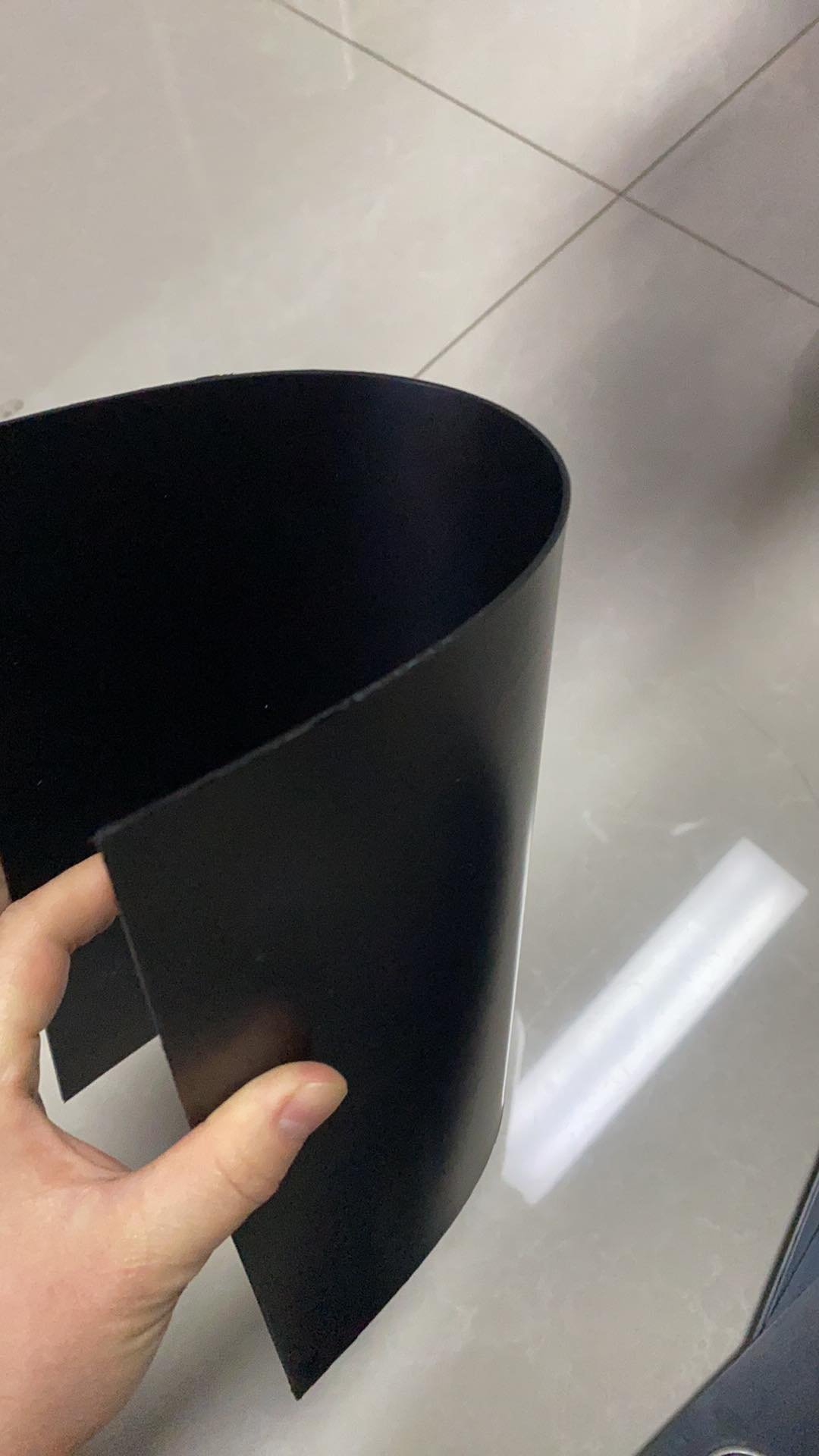
Polyethylene Geomembrane, as the name suggests, is a thin-film material used in civil engineering. It is usually manufactured in rolls for easy transportation and on-site installation. Its core function is to form a continuous, complete, and low-permeability barrier, preventing the migration of water, water vapor, gases, or other liquids.
Classified by material, common geomembranes mainly include the following types:
1.1 High-Density Polyethylene (HDPE) Geomembrane:
This type of geomembrane is known for its excellent durability, high tensile strength, and strong UV resistance. It exhibits good chemical stability, resisting the erosion of most acids, alkalis, and salts, making it commonly used in projects with stringent environmental requirements and long service life.
1.2 Low-density polyethylene (LDPE) and linear low-density polyethylene (LLDPE) geomembranes:
Compared to HDPE, these geomembranes are generally more flexible, possessing better strain performance and puncture resistance. They better adapt to uneven settlement of the base layer and perform excellently in applications requiring high material ductility.
The selection of different types of Polyethylene Geomembrane depends on the specific requirements of the project, such as exposure conditions, chemical environment, expected foundation deformation, service life, and cost budget.
2.Core Performance Characteristics of Polyethylene Geomembrane:
Polyethylene Geomembrane are considered key engineering materials due to their carefully designed performance characteristics.
2.1 Extremely Low Permeability:
This is the most fundamental characteristic of geomembranes. Their dense microstructure effectively prevents fluid passage, resulting in an extremely low permeability coefficient and ensuring reliable seepage prevention.
2.2 Good Mechanical Properties:
Geomembranes need to possess certain tensile strength, tear resistance, and puncture resistance to withstand various stresses encountered during laying, covering, and use, preventing membrane damage.
2.3 Excellent Chemical Stability: High-quality geomembranes maintain stable physicochemical properties and are not easily corroded or degraded in complex chemical environments such as landfill leachate, industrial wastewater, and saline groundwater.
2.4 Environmental Stress Cracking Resistance (ESCR):
This characteristic is particularly important for HDPE geomembranes. It refers to the material’s ability to resist cracking under the combined effects of specific media (such as surfactants) and stress, directly affecting its service life under long-term loads.
2.5 UV Resistance:
For geomembranes exposed to the elements, it is necessary to add UV stabilizers such as carbon black to enhance their resistance to solar radiation and slow down the aging process.
2.6 Easy Construction Connection Performance:
Geomembranes can be bonded together using methods such as hot-melt welding or chemical solvent bonding to form an integral sealing system. The high joint strength ensures the integrity of the seepage prevention system.
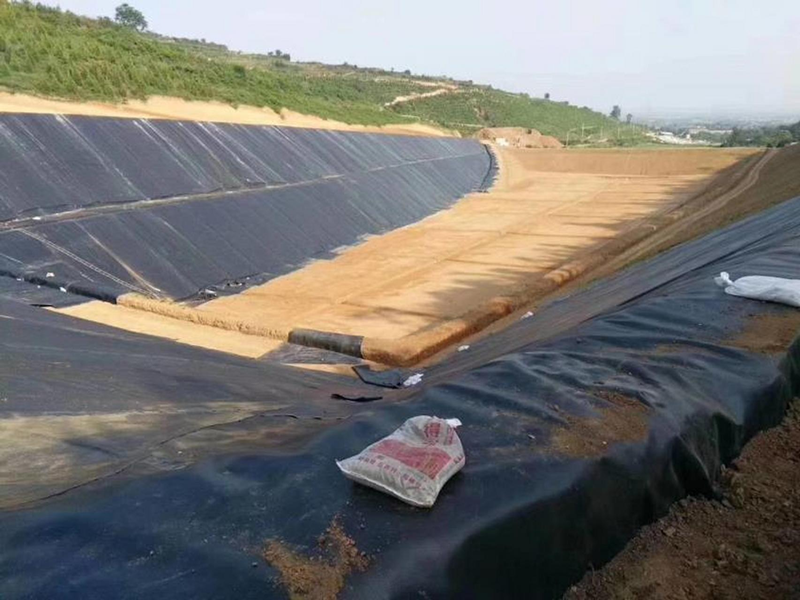
3.Main Application Areas of Polyethylene Geomembrane:
Polyethylene Geomembrane have a wide range of applications, covering almost all civil engineering fields requiring controlled fluid migration.
3.1 Environmental Engineering:
In solid waste landfills, geomembranes serve as a core component of lining and covering systems, preventing leachate from contaminating the surrounding soil and groundwater. They also play a crucial environmental protection role in hazardous waste disposal sites and tailings ponds.
3.2 Water Conservancy, Hydropower, and Water Resource Management:
Geomembranes are widely used for seepage prevention linings in reservoirs, dams, and irrigation canals to reduce water loss through seepage. They are also frequently used in the construction of artificial lakes and landscape water bodies to maintain water levels.
3.3 Municipal and Building Engineering:
Waterproofing of underground tunnels and subway projects; moisture and seepage prevention in building basements and roof gardens; lining of sewage treatment ponds and sedimentation tanks are all common applications of geomembranes.
3.4 Mining and Agriculture:
In mining operations, geomembranes are used in heap leaching sites and solution pools to collect valuable molten metals and prevent their leakage. In agriculture, they can be used for bottom protection in aquaculture ponds and as linings for crystallization pools in salt fields.
4.Key Design and Construction Considerations for Polyethylene Geomembrane Systems
A successful geomembrane seepage control system involves more than just material selection; it’s a comprehensive engineering project encompassing design, construction, and monitoring.
4.1 System Design:
The design must consider the flatness, compaction, and stability of the foundation. Typically, geomembranes are combined with non-woven geotextiles to form a composite system. The geotextiles provide protection, drainage, and air venting. Appropriate anchoring trenches, collection pipes, and other ancillary facilities also need to be designed.
4.2 Subgrade Preparation:
Before laying the Polyethylene Geomembrane, the subgrade must be rigorously treated to ensure it is flat, firm, and free of sharp protrusions. This is fundamental to preventing punctures to the geomembrane.
4.3 Laying and Welding:
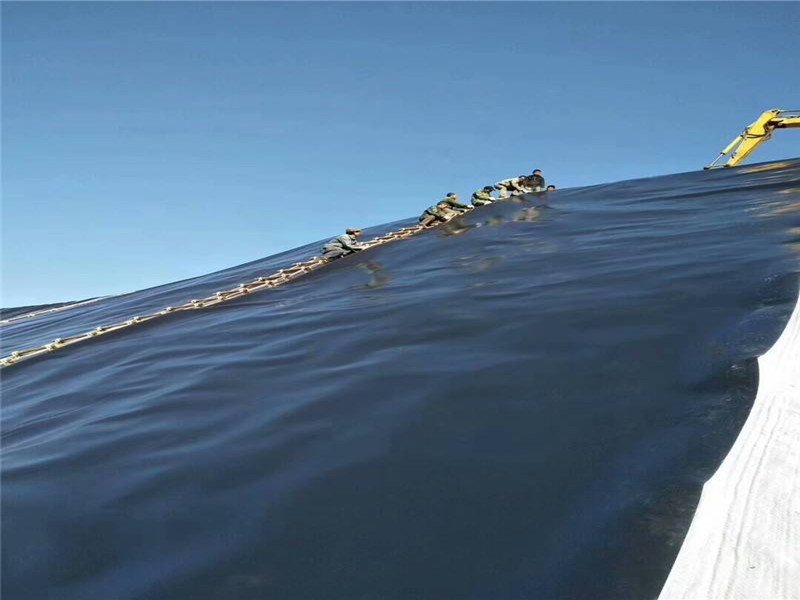
During laying, the subgrade should be laid loosely according to site conditions to avoid stress concentration. Welding is a crucial process for ensuring system integrity and requires specialized equipment and technicians. After welding, each weld should undergo non-destructive testing (e.g., pressure testing, vacuum chamber testing) and destructive testing (sampling for shear and peel tests) to ensure weld quality.
4.4 Protection and Backfilling:
After laying, the geomembrane should be promptly covered with a protective layer (such as sand or gravel) to prevent prolonged exposure to sunlight and to prevent damage from subsequent construction.
5.Future Development Trends of Polyethylene Geomembrane:
With advancements in materials science and engineering technology, geomembranes are constantly evolving and improving. Future trends may focus on:
5.1 New Material Development:
Developing new polymers or composite materials with higher performance, longer service life, and better environmental adaptability, for example, in applications under extreme environments.
5.2 Intelligent Monitoring:
Integrating sensing technology into geomembrane systems to achieve real-time, online monitoring of membrane stress, strain, and leakage locations, improving the project’s safety early warning capabilities.
5.3 Sustainable Development:
Greater emphasis will be placed on the environmental friendliness of materials, including using recyclable materials to manufacture geomembranes and researching recycling and reuse technologies for geomembranes after their service life.
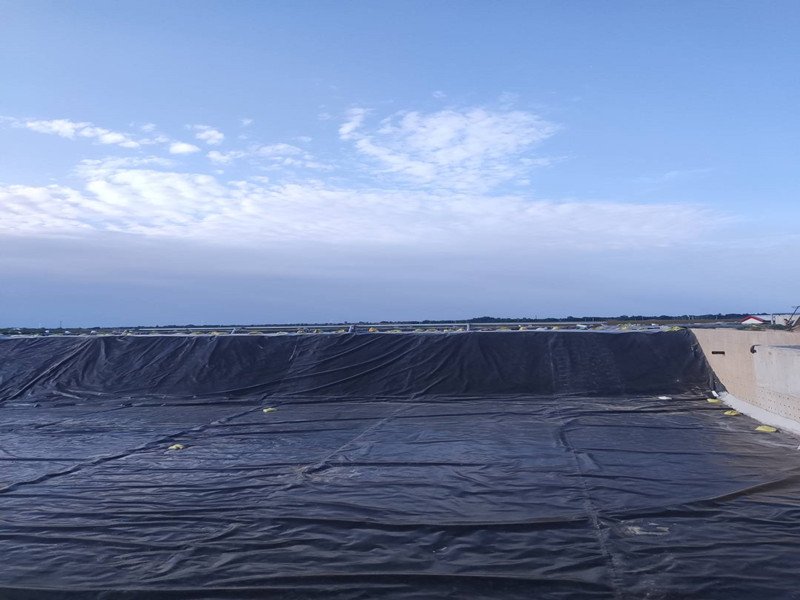
As a highly efficient and reliable seepage-proof material, geomembranes are experiencing increasingly mature technology and expanding application areas. Understanding its characteristics, selecting the right materials, and strictly controlling construction quality are all of great significance for ensuring the long-term safe and stable operation of various engineering projects, protecting the ecological environment, and achieving the effective use of resources. With continuous technological innovation, this “invisible protective clothing for the earth” will undoubtedly play an even greater role in the future.