High Density Polyethylene Geomembrane is a commonly used material in engineering construction. This material is made primarily from high-density polyethylene through an extrusion process, resulting in continuous polymer layers. Its characteristics and applications will be introduced below.
1.Basic Material Characteristics
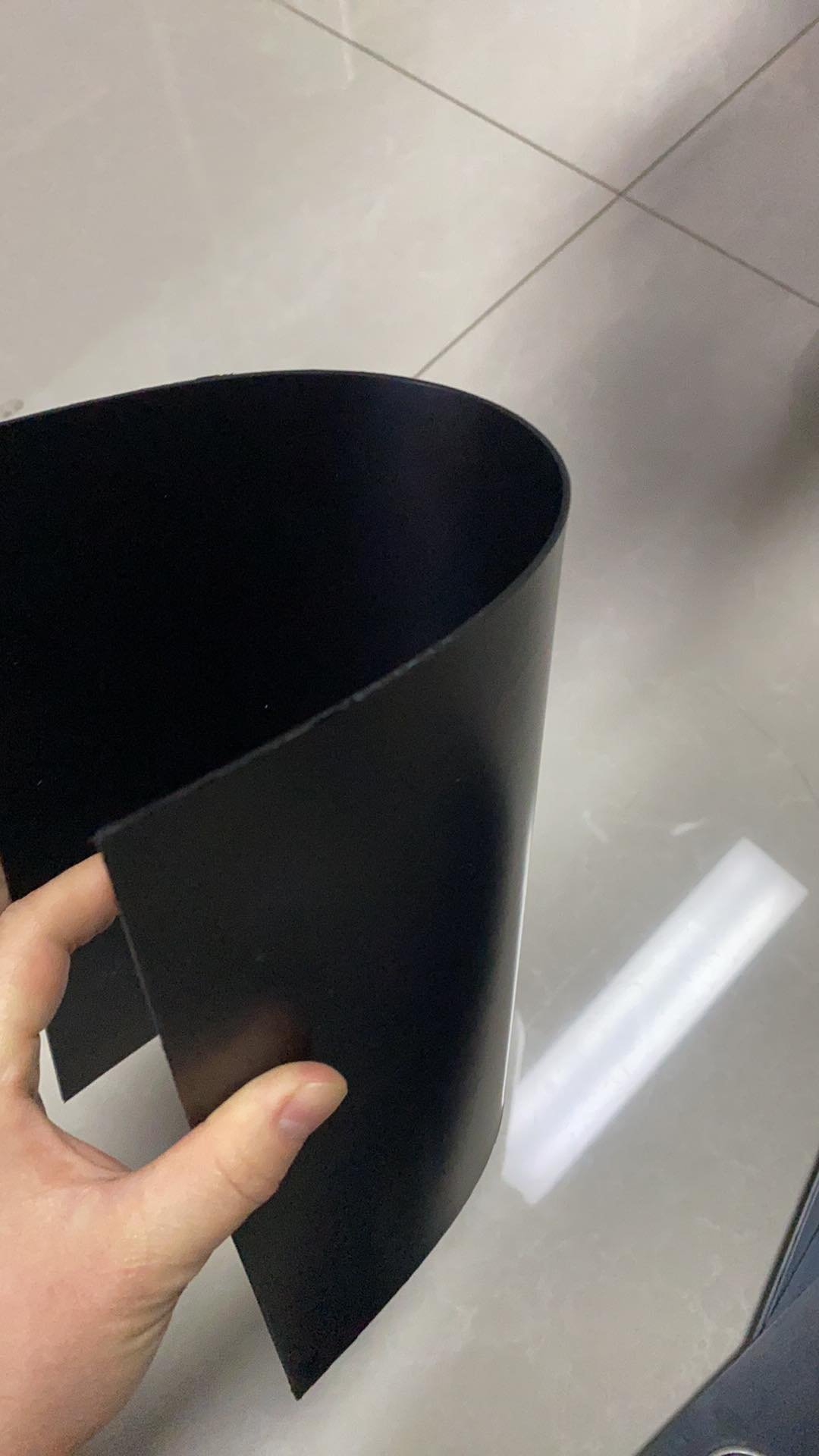
High Density Polyethylene Geomembrane is a flexible polymer material. It is typically found in black rolls, with thicknesses ranging from 0.2 mm to 2 mm depending on specific needs. The material itself has good durability, and the addition of antioxidants and other additives during production slows down aging caused by changes in sunlight and temperature in outdoor environments. The material has a high density and a compact molecular structure, giving it tensile strength and tear resistance. Under normal temperature conditions, it exhibits good flexibility, adapting to slight deformations of the foundation surface.
2.Main Performance Characteristics
In terms of seepage prevention, High Density Polyethylene Geomembrane exhibits low water vapor permeability; its seepage prevention effect mainly depends on the material’s inherent density. Because polyethylene is an inert polymer, it exhibits good corrosion resistance to most acids, alkalis, and salts, allowing it to withstand prolonged contact with general concentrations of chemical solutions without significant corrosion. In terms of mechanical properties, its yield tensile strength and tensile strength at break meet the requirements for general engineering covering and protection. It’s important to note that its performance is affected by environmental factors such as temperature and light. The material’s flexibility may decrease at low temperatures, and slight surface changes may occur under prolonged ultraviolet radiation.
3.Production and Quality Control
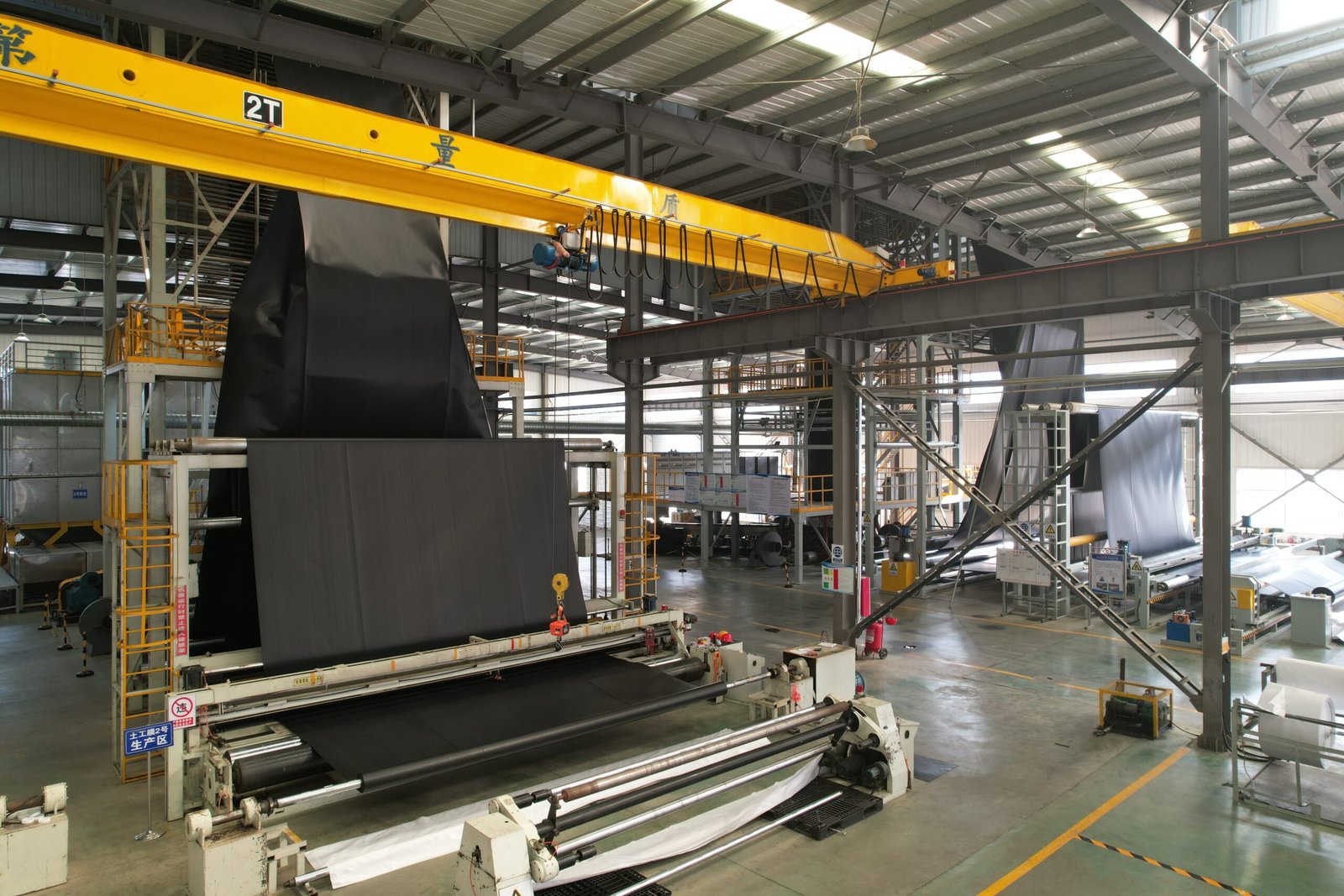
The production process of High Density Polyethylene Geomembrane includes raw material proportioning, melt extrusion, molding and cooling, and traction winding. High-quality high-density polyethylene granules are typically selected as raw materials, with carbon black, antioxidants, and other auxiliary materials added in specified proportions. Strict control of process parameters such as temperature, pressure, and speed is required during production to ensure the stability of the finished product quality. Quality testing mainly includes indicators such as thickness uniformity, tensile properties, tear strength, and resistance to environmental stress cracking. Each batch of products must undergo relevant tests before leaving the factory, and complete inspection records must be maintained.
4.Application Methods in Engineering
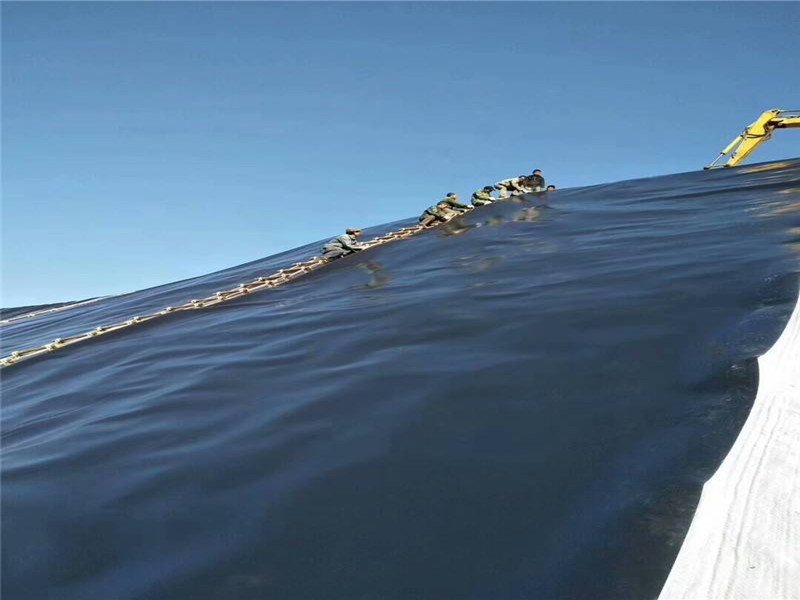
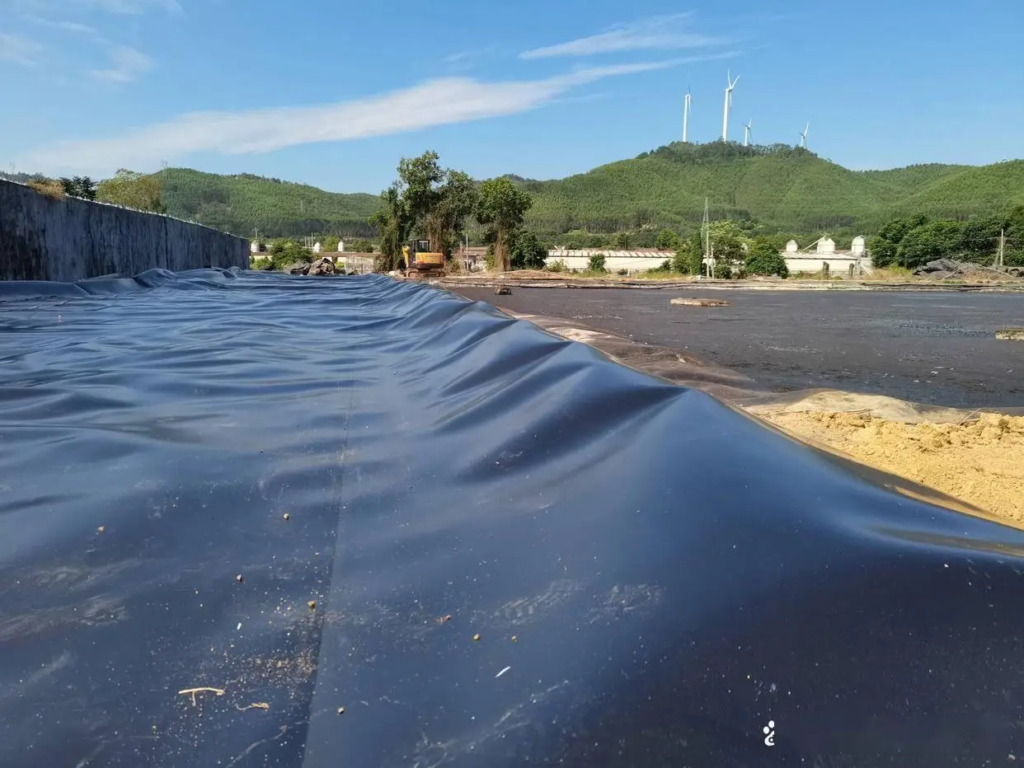
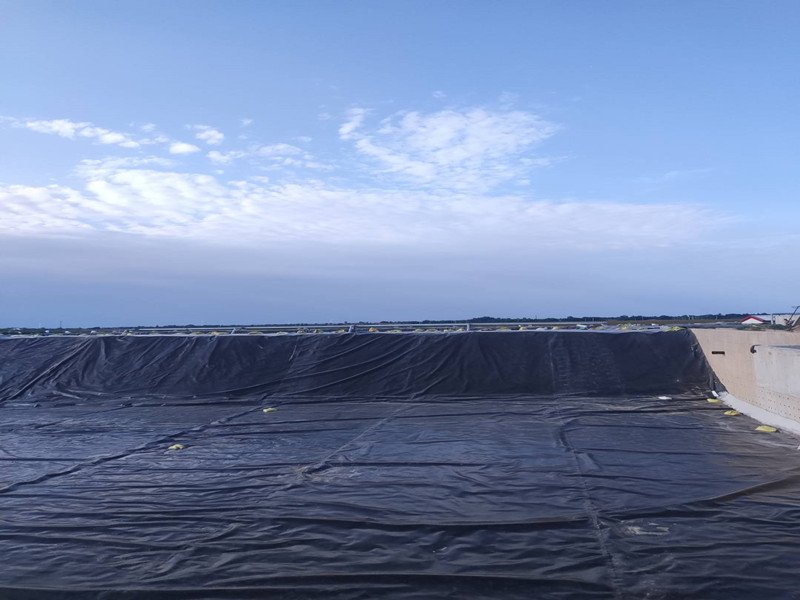
In practical applications, High Density Polyethylene Geomembrane are typically laid on a leveled and compacted base surface. Before laying, the base layer needs to be carefully inspected, and sharp objects removed to avoid puncturing the membrane. During laying, care should be taken to ensure a smooth and straight surface, avoiding wrinkles. Adjacent membrane sections are connected using hot-melt welding or special adhesive tape, and the joints need to be carefully inspected to ensure a good seal. After laying, an integrity check is usually performed to confirm there is no damage before the protective layer is constructed. Protective layer materials typically include clay and non-woven geotextiles, with the thickness determined according to specific project requirements.
5.Common Applications
This material has applications in multiple fields. In water conservancy projects, it can be used for seepage prevention in reservoirs and canals; in environmental protection projects, it is commonly used for the construction of seepage prevention layers in landfills and sewage treatment ponds; in agriculture, it is suitable for seepage prevention in aquaculture ponds and irrigation canals; in municipal engineering, it can be used as a moisture-proof layer for underground structures.
6.Transportation and Storage Requirements
High Density Polyethylene Geomembrane should be protected from violent collisions and dragging during transportation to prevent damage to the packaging and scratches on the material surface. Rolls should be transported upright and not stacked flat under heavy pressure. Storage sites should be chosen on high-lying, well-drained, flat ground, away from heat and fire sources. When stored outdoors, it should be covered with a sunshade tarpaulin to avoid direct sunlight and rainwater immersion. Products of different specifications and batches should be stacked separately and clearly labeled.
7.Construction Precautions
Environmental conditions during construction require attention. The flexibility of the material decreases at low temperatures, requiring extra care during laying. Laying work should not be carried out on rainy days or when the substrate is damp. During welding operations, welding equipment parameters need to be adjusted according to the ambient temperature and humidity, and a trial weld should be conducted to confirm the effect. Construction personnel should wear soft-soled shoes to avoid damaging the membrane surface. All weld seams require airtightness testing, and any defects should be repaired promptly.
8.Maintenance and Inspection
After project completion, a regular inspection system should be established. Inspections should include checking for obvious damage to the membrane surface, the integrity of weld seams, and whether the protective layer has been lost or damaged. Any localized damage should be repaired promptly to prevent the problem from escalating. When repairing, the damaged area should be cleaned first, and then a larger area of the same material should be used for covering and welding. Regular inspection records should be properly kept as a basis for project maintenance.
9.Use in conjunction with other materials
In actual projects, High Density Polyethylene Geomembrane is often used in conjunction with other geosynthetic materials. For example, using it in combination with non-woven geotextile can enhance the protective effect; using it with geogrid can improve the overall structural stability; and using it with drainage nets can form a complete drainage and waterproofing system. The overlapping and connection between different materials require a reasonable construction plan designed according to their respective characteristics.
Summary
In summary, High Density Polyethylene Geomembrane, as an engineering material, exhibits unique performance characteristics in applications. Correct selection, standardized construction, and timely maintenance are crucial to ensuring its long-term effective use. In practical applications, it is necessary to rationally select product specifications based on specific project conditions and strictly adhere to technical requirements during construction to achieve the desired engineering results.