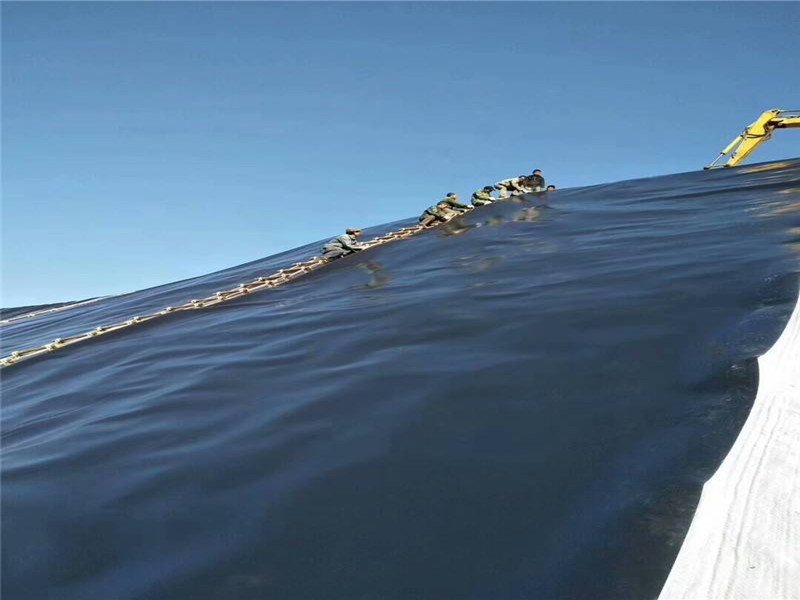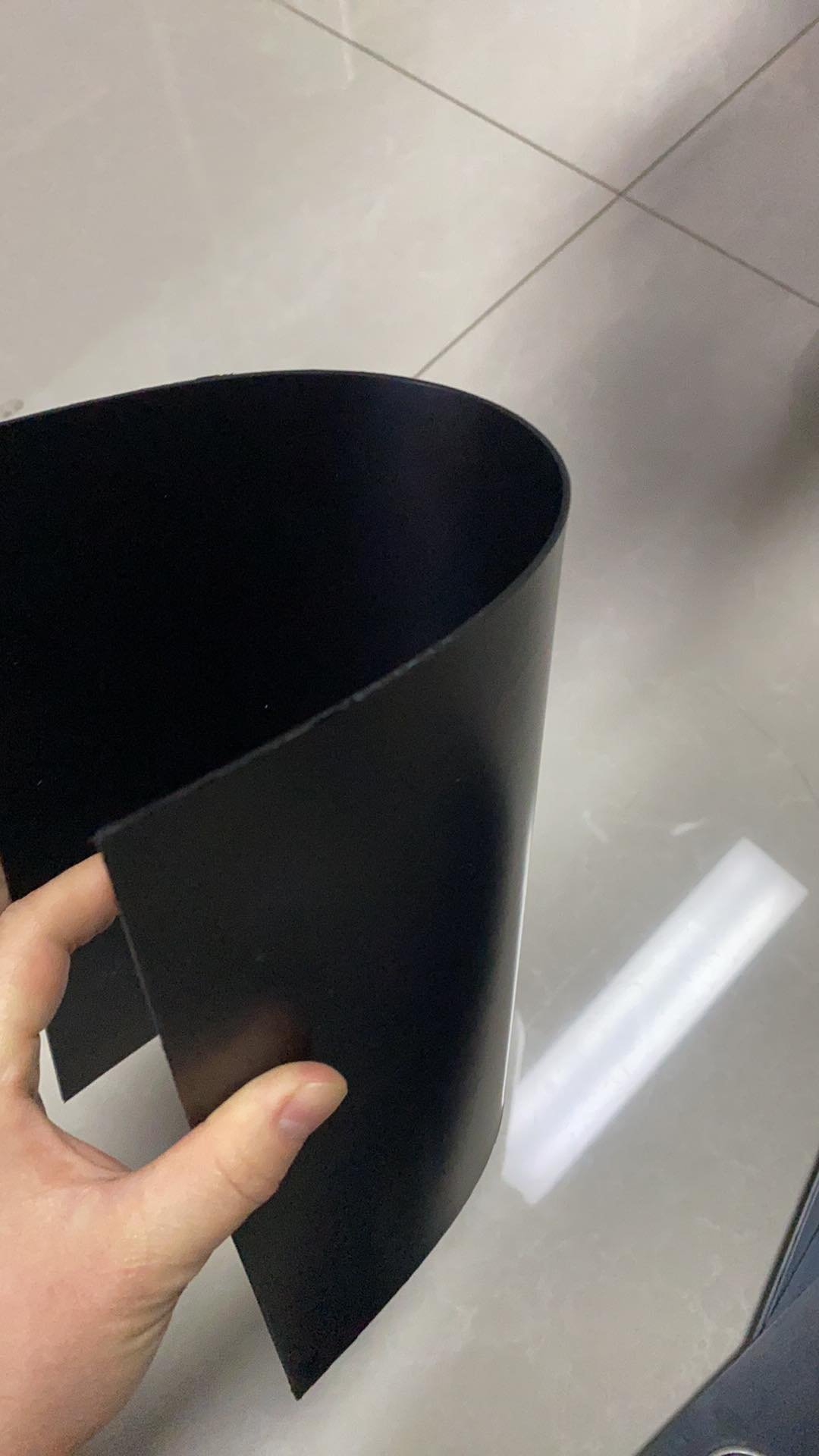
HDPE Geomembrana is a high-density polyethylene liner. It stops water, gas, and chemicals from passing through. Factories add carbon black, antioxidants, and UV stabilisers. The result is a flexible, weldable, impermeable barrier.
Key Properties
Impermeability: HDPE Geomembrana achieves 99.9% water retention. It cuts seepage by 95%.
Durability: Life span ranges 20–50 years. Carbon black blocks UV.
Chemical Resistance: HDPE resists acids, alkalis, and salts. pH range 2–12 is safe.
Tensile Strength: Yield strength exceeds 25 kN/m. Elongation at break > 700%.
Cost-Effectiveness: Price is $1.5–$5 per m². Concrete costs 3× more.
Environmental Safety: NSF/ANSI 61 certifies potable-water safety. Recycled resin content reaches 70%.
Types of Geomembranas
PVC Geomembrana: Thermoplastic material made from vinyl, plasticizers, and stabilizers. It resists tears, abrasion, and punctures.
TRP Geomembrana: Uses polyethylene fabrics for long-term waterproofing. It has low temperature range, chemical resistance, and UV stability.
HDPE Geomembrana: Offers strong UV/temperature resistance, low material cost, durability, and high chemical resistance.
LLDPE Geomembrana: Made of pure polyethylene resin. It is strong, durable, UV and low temperature resistant.
RPP Geomembrana: Polyester-reinforced liners made from UV-stabilized polypropylene copolymers. It provides material stability, chemical resistance, and flexibility.
EPDM Geomembrana: Has a rubber-like texture. It is durable, UV stable, strength, and flexibility.
Applications
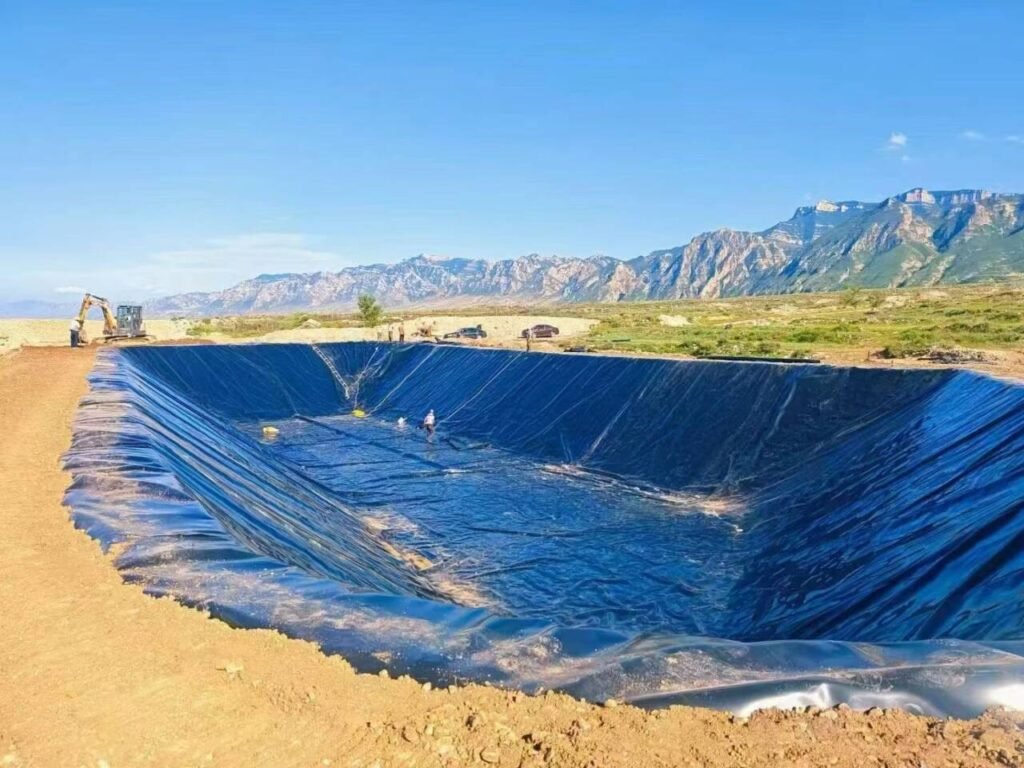
Landfills: HDPE Geomembrana prevents leachate from seeping into soil and groundwater.
Wastewater Treatment: Creates impermeable basins to hold and treat wastewater.
Agriculture: Used for irrigation ponds, liquid manure storage, and soil fumigation.
Mining: Lines tailings dams and ponds to prevent release of toxic chemicals.
Water Management: Used in water reservoirs, canals, and irrigation systems.
Industrial Containment: Creates secondary containment systems for chemicals and liquids.
Environmental Remediation: Caps contaminated sites to prevent migration of pollutants.
Construction Method
1.Site Preparation: Clean and level the surface. Remove rocks and debris.
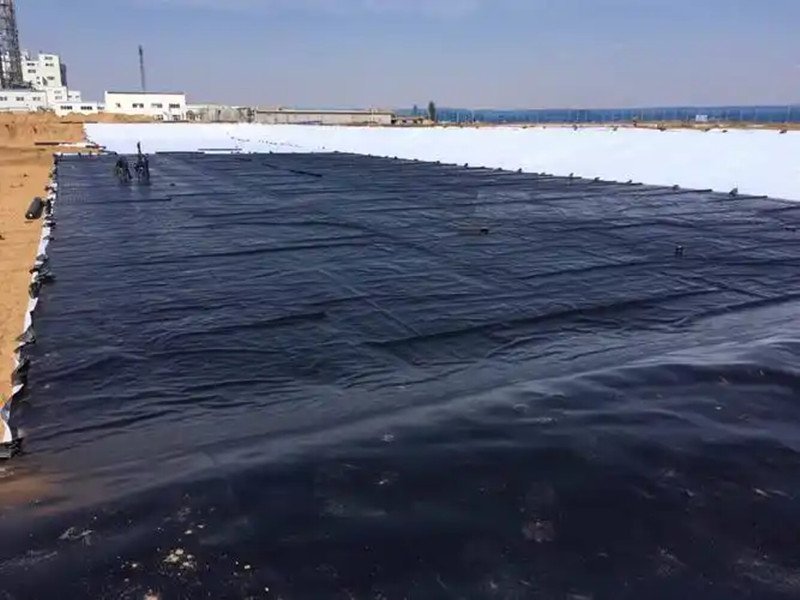
Laying: Spread HDPE Geomembrana over prepared surface. Minimize wrinkles.
Seaming: Overlap panels and heat-weld seams. Create strong, watertight bonds.
Anchoring: Backfill anchor trenches to secure liner.
Testing: Inspect for defects. Perform leak tests.
Quality Standards
ASTM International: Provides test methods for geomembrane physical properties.
Geosynthetic Institute (GSI): Offers standards and guidelines for geosynthetic materials.
Durability: Factors like UV exposure, chemicals, and temperature affect life span.
Summary
HDPE Geomembrana is a synthetic waterproof barrier. It controls fluid and gas migration. It offers high tensile strength, durability, and chemical resistance. It is lightweight, flexible, and easy to install. It is cost-effective and low-maintenance compared to clay barriers.
About BPM
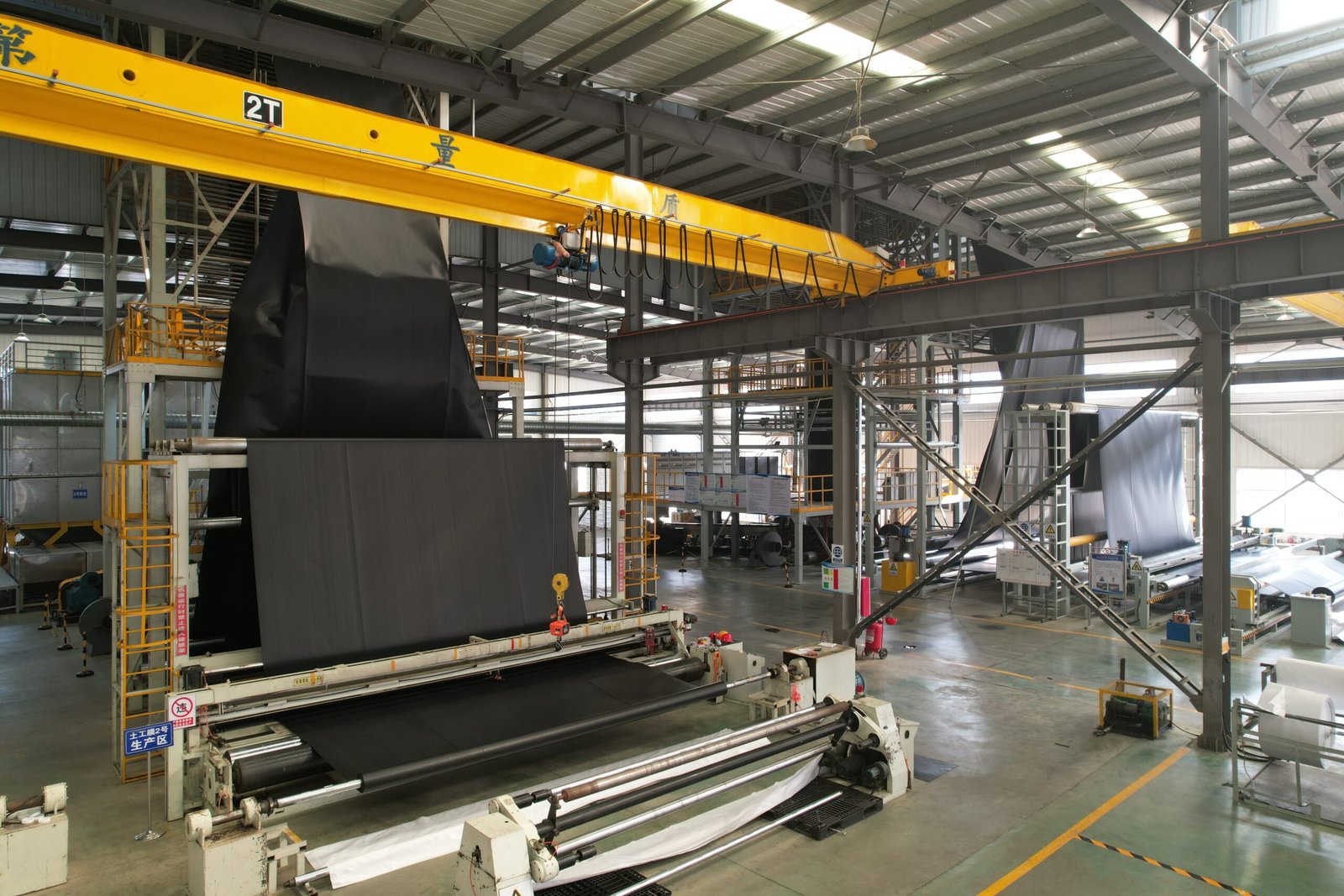
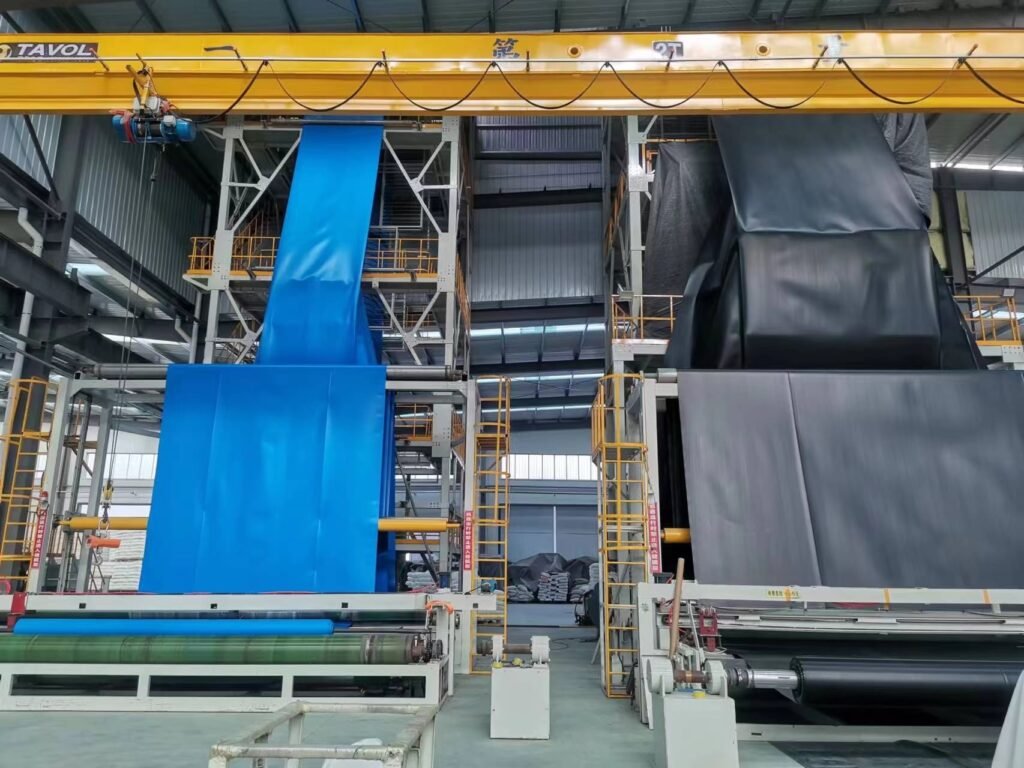
BPM owns a state-of-the-art factory in Taian City, Shandong Province, China. We invested over $20 million to improve facilities and working conditions. Our factory uses advanced machines and production lines. This ensures high quality, fast delivery, and competitive costs.
BPM Geosynthetics is passionate about geosynthetics. We focus on new product development, enhanced testing, and after-sale service. Our team of over 100 professionals serves clients worldwide.