In the world of geosynthetic containment and barriers, precision and specificity are key. Among the various options available, one product stands out for its exceptional balance of performance, cost-effectiveness, and versatility: the Geomembrana HDPE 40 Mils. At The Best Project Material Co.,Ltd, we are premier manufacturers and suppliers of this industry-standard lining solution, engineered to provide reliable protection for a wide array of applications.
But what exactly does “Geomembrana HDPE 40 Mils” mean, and why has it become such a popular choice for engineers, project managers, and environmental specialists worldwide? This in-depth guide will explore everything you need to know about this critical geosynthetic product.
Deconstructing the Name: Geomembrana, HDPE, and 40 Mils
To understand the product, let’s first break down its name into core components:
1.Geomembrana (Geomembrane)
A geomembrane is essentially a very low-permeability synthetic membrane liner or barrier. Think of it as a giant, impermeable sheet used to control fluid or gas migration in a man-made project, structure, or system. Its primary job is to contain, isolate, and protect.
2.HDPE (High-Density Polyethylene)
This is the polymer that constitutes the geomembrane. HDPE is a premium thermoplastic known for its:
①High Strength-to-Density Ratio: It provides significant strength and durability without excessive weight.
②Excellent Chemical Resistance: It is highly inert and can withstand exposure to a wide range of strong acids, alkalis, salts, and industrial chemicals, making it ideal for hazardous waste containment.
③Superior UV and Weather Resistance: When formulated with carbon black (typically 2-3%), HDPE becomes highly resistant to degradation from sunlight, ozone, and extreme temperatures, allowing for long-term exposed service.
④Low Permeability: Its molecular structure makes it an exceptional barrier to water, vapors, and gases.
⑤Cost-Effectiveness: Compared to other polymers with similar chemical resistance, HDPE often offers a more favorable life-cycle cost.
3.40 Mils (The Thickness)
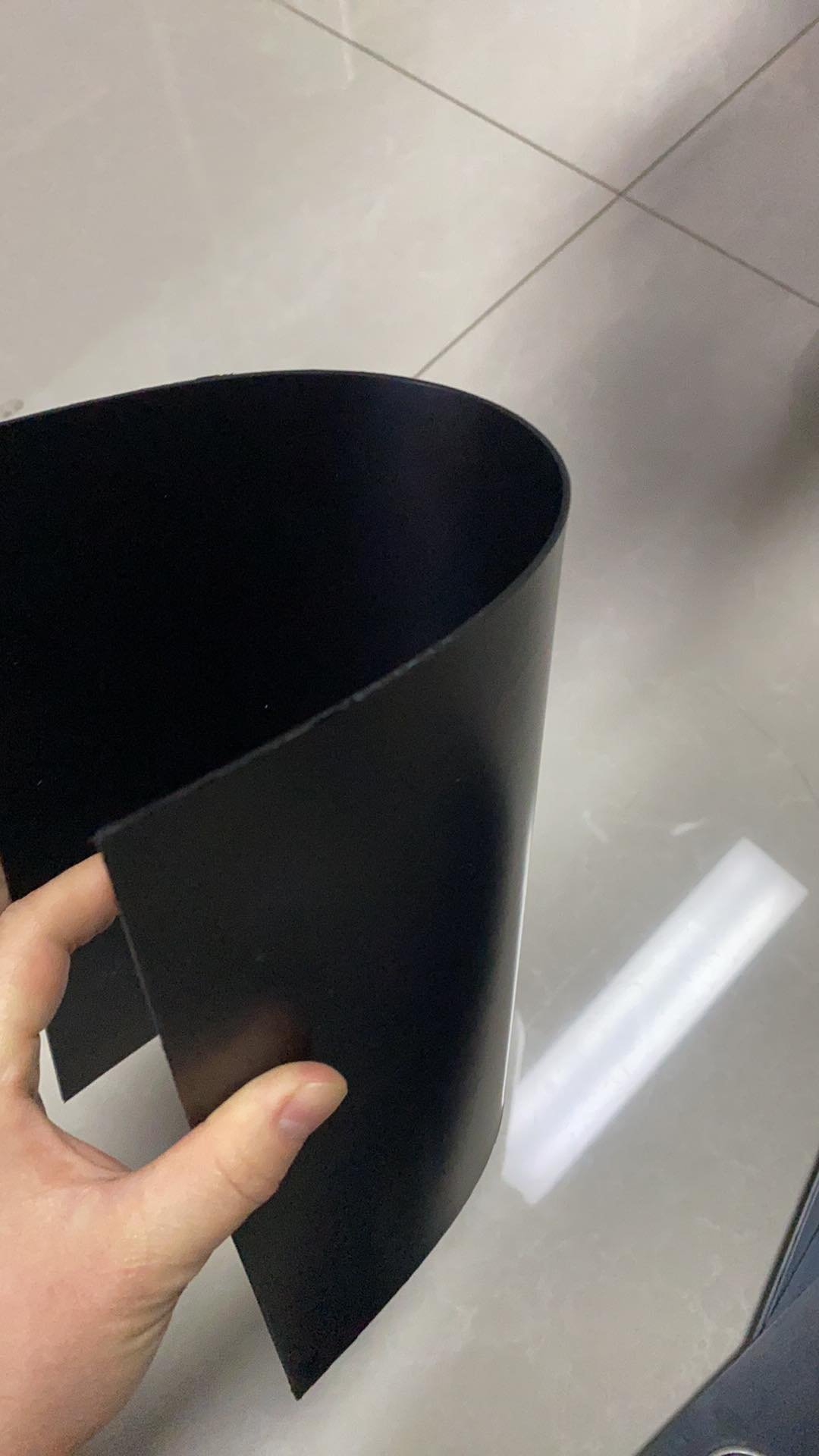
A “mil” is a unit of measurement equal to one-thousandth of an inch (0.001 inch). Therefore, 40 mils translates to a thickness of 0.040 inches or approximately 1.0 millimeter.
This specific thickness is crucial. It represents a robust, medium-duty to heavy-duty liner that offers a perfect equilibrium between mechanical strength, puncture resistance, flexibility, and material cost. It is thick enough to handle significant stress and installation demands, yet not overly thick to become unnecessarily rigid or expensive for a vast number of projects.
In summary, a Geomembrana HDPE 40 Mils is a 1.0-mm thick, impermeable plastic sheet made from high-density polyethylene, designed to act as a high-performance barrier in demanding engineering and environmental applications.
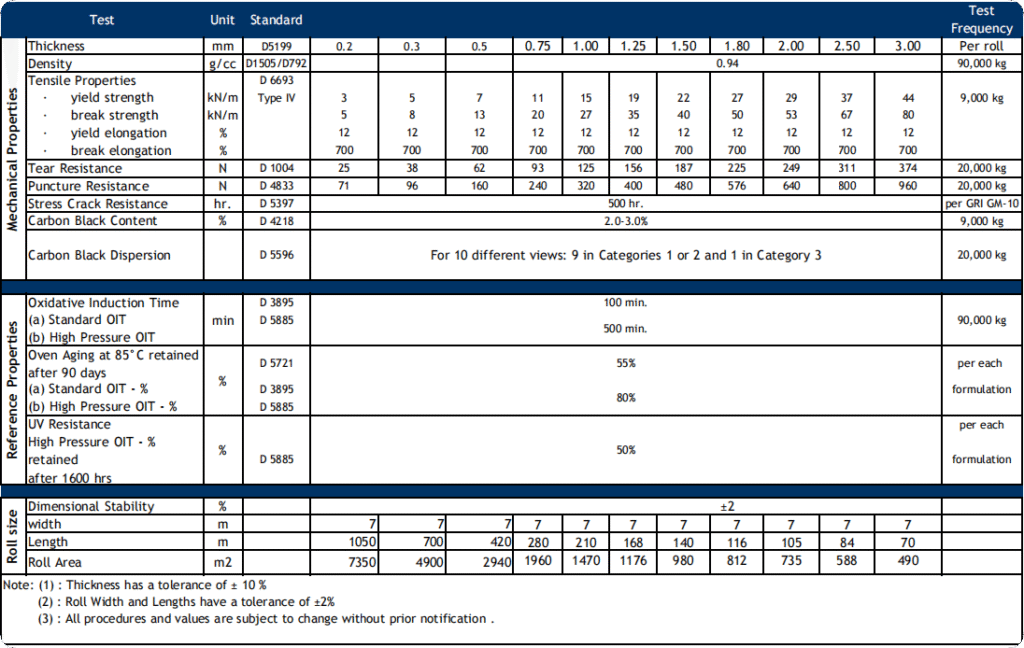
Key Properties and Advantages of 40 Mil HDPE Geomembrane
The popularity of the 40-mil HDPE geomembrane stems from its impressive set of technical properties:
①Optimal Puncture and Tear Resistance: The 40-mil thickness provides a substantial defense against punctures from sharp rocks, roots, or subgrade irregularities, and offers high resistance to tear propagation. This makes it suitable for applications where a certain level of subgrade preparation is possible but robust performance is non-negotiable.
②Proven Chemical Inertness: HDPE is the gold standard for chemical resistance. A 40-mil HDPE liner will not degrade when in contact with most leachates, brines, acidic or alkaline solutions, ensuring the long-term integrity of the containment system.
③Exceptional Tensile Strength: The material exhibits high tensile strength in both the machine and cross-machine directions, allowing it to withstand stress from settlement, hydrostatic pressure, and installation.
④Outstanding Stress Cracking Resistance: High-quality 40 mil HDPE geomembranes are manufactured from resins with high stress crack resistance (SCR) ratings. This is critical for long-term performance, as it prevents the formation of cracks under constant, long-duration stress.
⑤Excellent Weldability: The 40-mil thickness is ideal for both extrusion and fusion welding methods, allowing for the creation of strong, continuous, and monolithic seams. The integrity of these field seams is paramount to the overall performance of the liner system, and this thickness provides ample material for a high-quality weld.
⑥Proven Long-Term Durability: With a properly designed and installed system, a carbon-black-stabilized 40 mil HDPE geomembrane can have a service life exceeding 30 years, even in exposed conditions.
Primary Applications of 40 Mil HDPE Geomembrane
The versatility of the 40-mil HDPE geomembrane makes it the go-to choice for a diverse range of projects across multiple industries. Its balance of strength and cost-effectiveness opens doors to numerous applications.
1.Water and Aquaculture Management
①Potable Water Reservoirs: Used as a lining for drinking water storage basins, ensuring no contamination from the soil and preventing water loss through seepage.
②Decorative and Stormwater Ponds: Lining for ponds in residential, commercial, and municipal settings, effectively retaining water and supporting ecosystem management.
③Aquaculture Ponds: Ideal for lining fish and shrimp farms, providing a clean, controllable environment and preventing water exchange with the surrounding soil.
④Irrigation Canals and Channels: Lining canals to minimize water loss due to infiltration, thereby improving the efficiency of water delivery for agricultural purposes.
2.Environmental and Waste Containment
①Landfill Caps (Closure): Frequently used as the final cap layer for municipal solid waste landfills. It prevents rainwater infiltration, thereby reducing leachate generation and containing landfill gases.
②Secondary Containment: Lining the areas around fuel storage tanks, chemical processing plants, and industrial facilities. Its chemical resistance is vital for containing potential spills and preventing soil and groundwater contamination.
③Wastewater Lagoons: Lining for aerobic and anaerobic treatment lagoons, evaporation ponds, and equalization basins at municipal and industrial facilities.
3.Mining and Industrial Applications
①Heap Leach Pads: While some extreme applications may require thicker geomembranes, 40 mil HDPE is often used in certain layers of heap leach pad systems or for less aggressive solutions, containing the chemical liquors used to extract metals from ore.
②Tailings Disposal: Used in the lining systems for tailings impoundments to prevent the migration of process fluids and fine particles into the environment.
③Process Water Retention: Containing process water, process solutions, and other non-hazardous industrial fluids.
4.Civil Engineering and Construction
①Tunnel and Underground Waterproofing: Acting as a moisture barrier in tunnel construction to prevent water ingress.
②Green Roof and Plaza Deck Waterproofing: Providing a reliable root-resistant and waterproofing layer beneath soil and paving systems.
Choosing the Right Geomembrane: Why 40 Mils Might Be Your Perfect Match
Selecting the appropriate geomembrane thickness is a critical engineering decision. A 30 mil might be too thin for your subgrade conditions, while a 60 mil could be an overkill, leading to unnecessary material and installation costs.
The 40 mil HDPE geomembrane is ideally suited for projects that require:
①A robust barrier that can withstand handled installation and moderate subgrade conditions.
②Long-term chemical resistance.
③A cost-effective solution for large-area projects where every square foot counts.
④Proven performance in exposed conditions.
⑤A balance between flexibility (for conforming to subgrade contours) and stiffness (for ease of welding).
Beyond the Sheet: The Importance of Quality and Installation
It’s not just about the thickness. The performance of a 40 mil HDPE geomembrane is heavily dependent on two other factors
1.Material Quality:
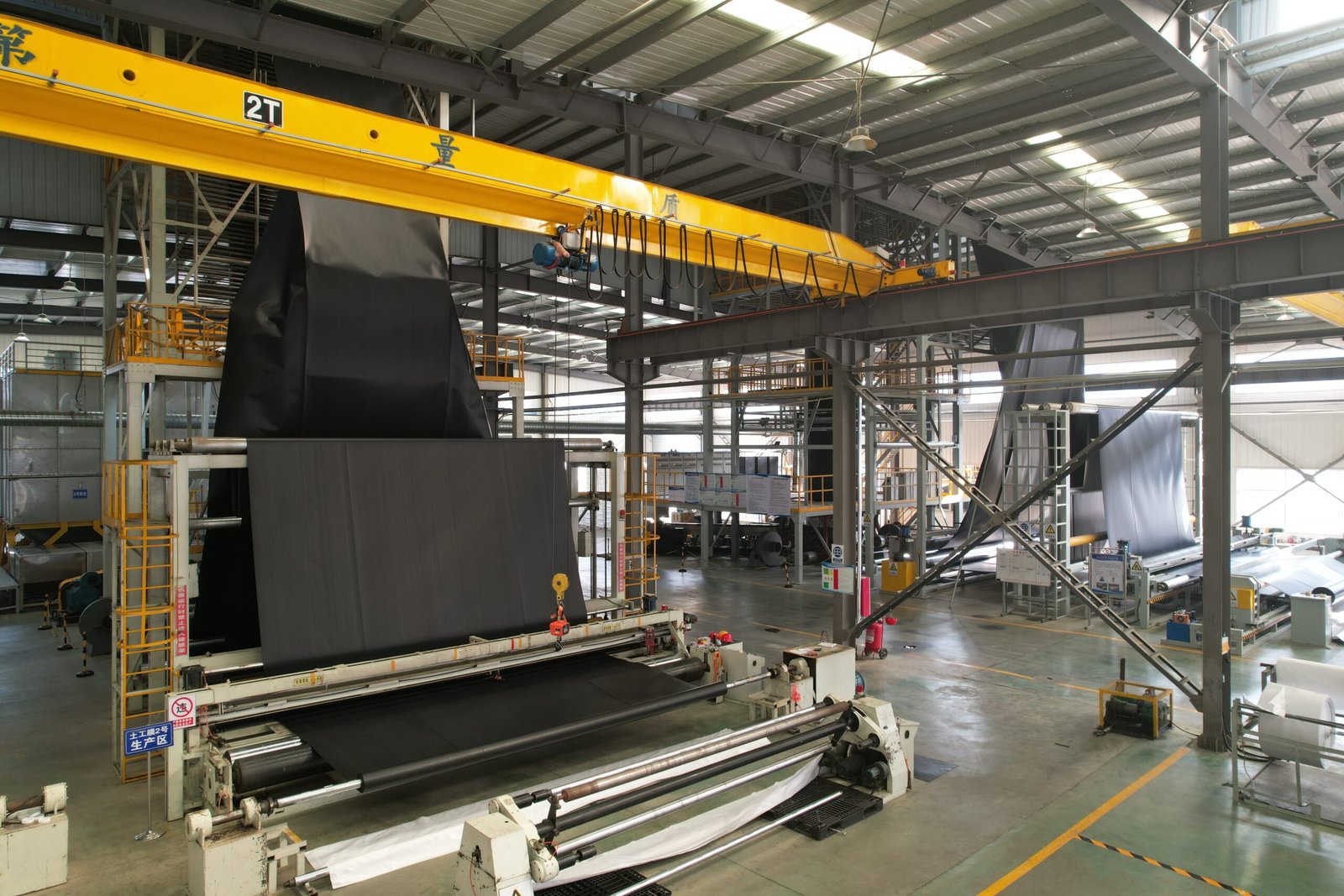
At The Best Project Material Co.,Ltd, we insist on using only primary-grade, virgin HDPE resinwith a high carbon black content (typically 2-3%) for UV resistance. We avoid using recycled materials, which can compromise the consistency, stress crack resistance, and long-term durability of the liner. Our geomembranes are manufactured to meet or exceed all relevant international standards, such as GRI-GM13.
2.Expert Installation:
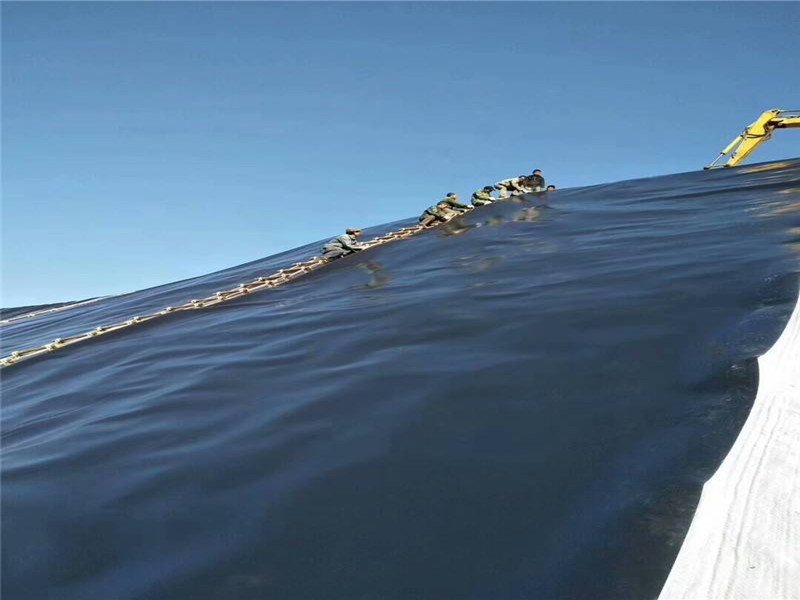
Even the highest-quality geomembrane can fail if installed incorrectly. Proper subgrade preparation, seam welding by certified technicians, and diligent quality assurance (including destructive and non-destructive seam testing) are non-negotiable steps. We provide comprehensive technical support, including installation guidelines and on-site consultation, to ensure your project’s success from the ground up.
Secure Your Project with the Industry Standard
The 40 mil HDPE geomembrane is a proven, versatile, and reliable workhorse in the geosynthetics industry. Its optimal blend of thickness, durability, and chemical resistance makes it an intelligent choice for countless containment projects.
When you choose The Best Project Material Co.,Ltd, you are not just buying a geomembrane; you are investing in a solution backed by rigorous quality control, deep technical expertise, and a commitment to your project’s long-term performance.