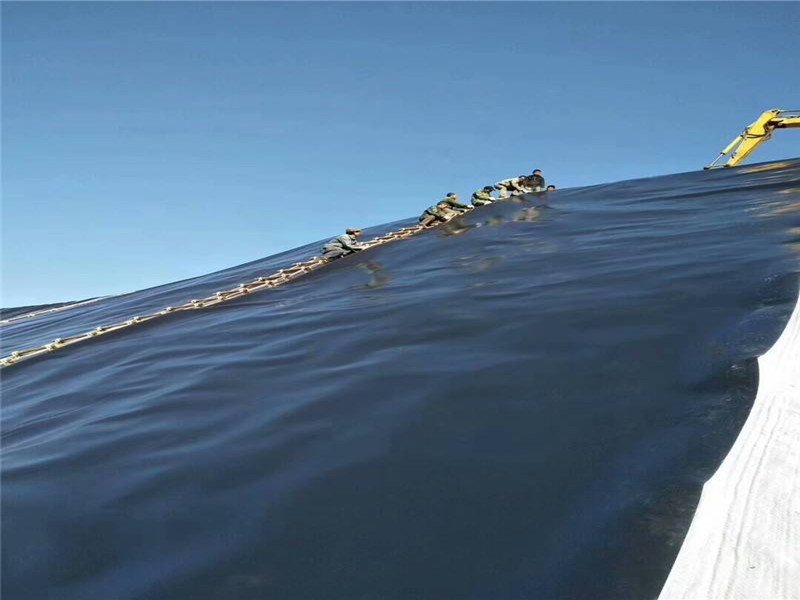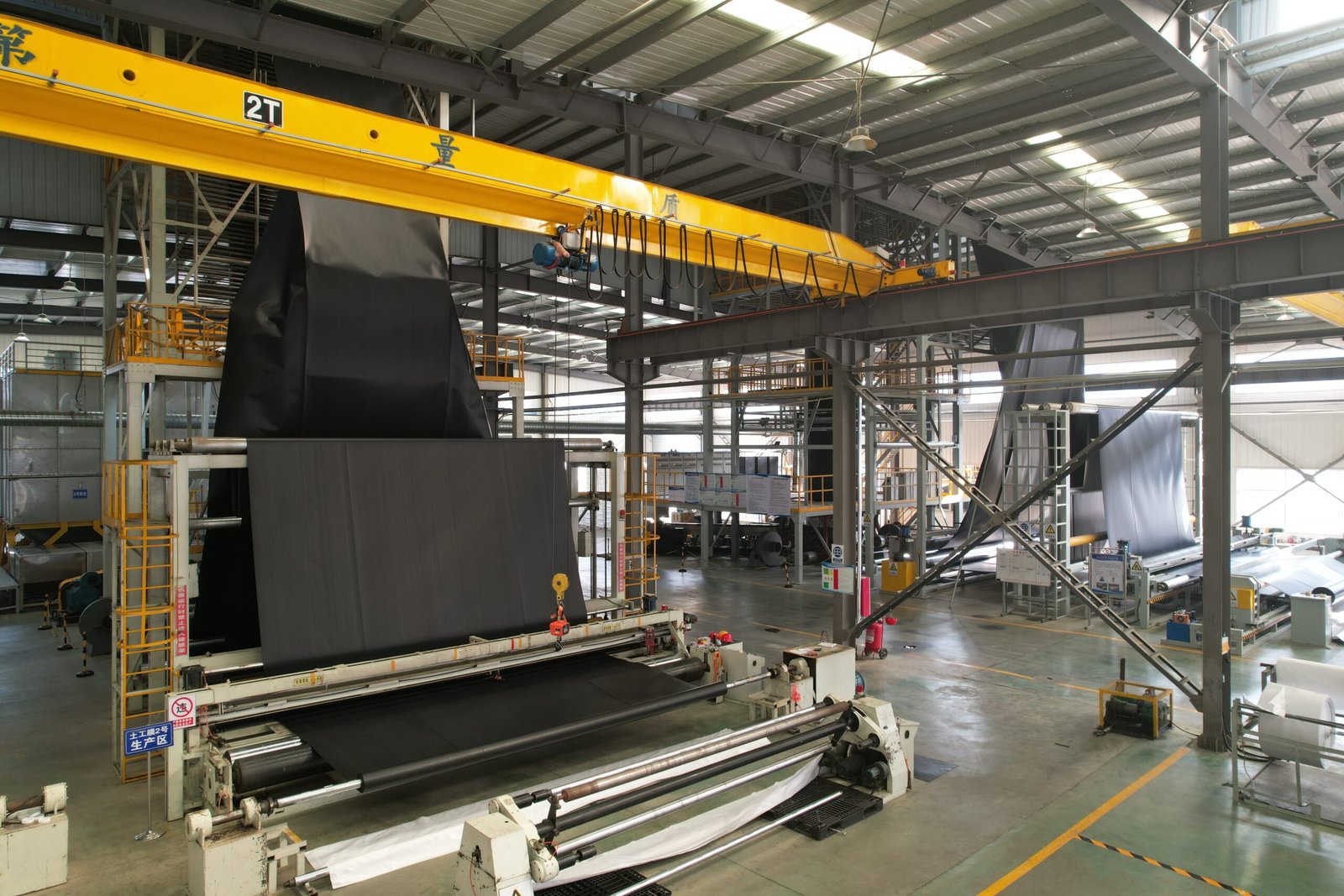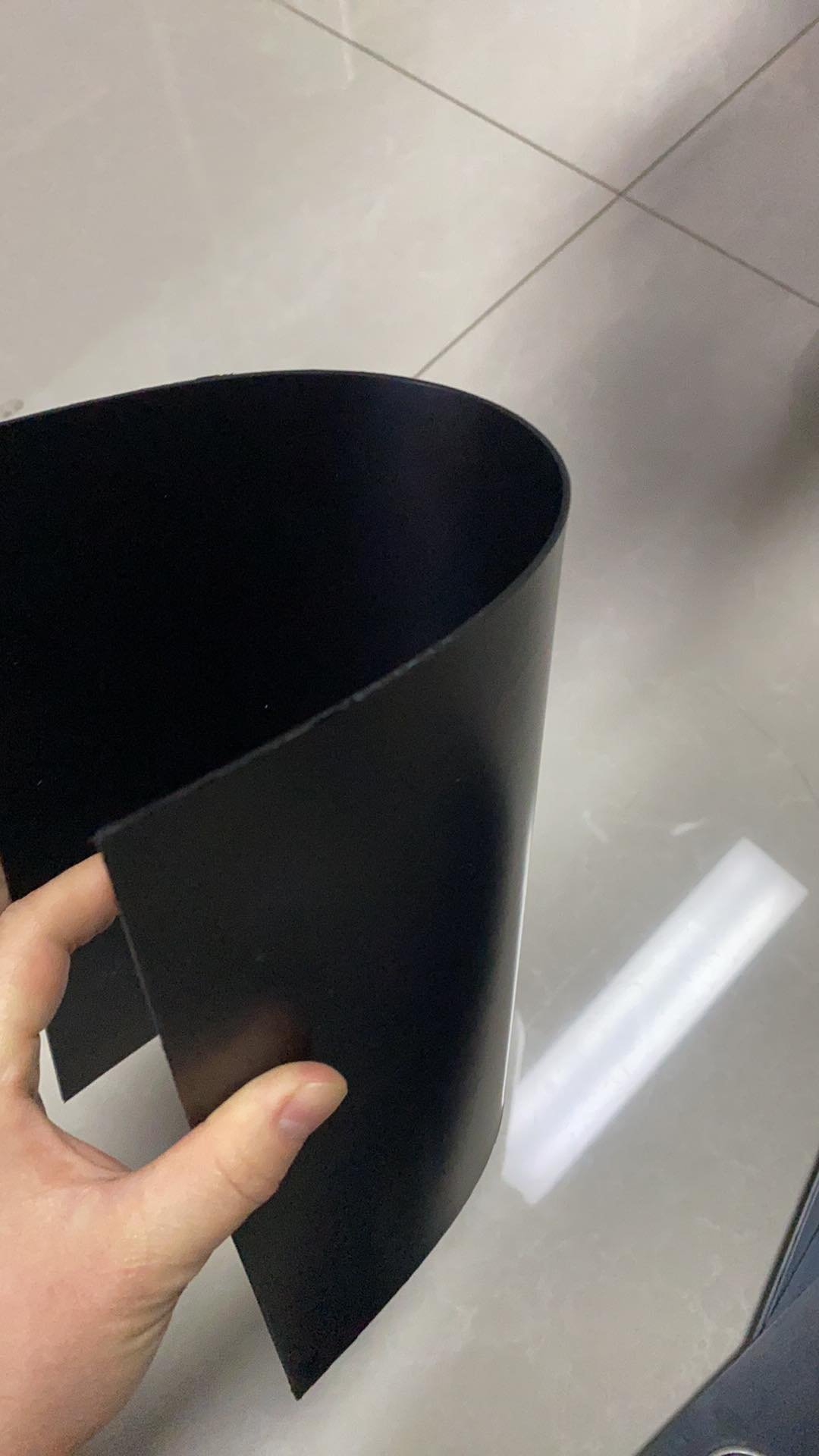
As we know geomembrane is flexible synthetic membrane used primarily in civil and environmental engineering projects for containment and barrier applications. It is designed to provide a reliable barrier against the migration of liquids, gases, and contaminants. BPM Geosynthetics is the leading geomembran manufacturer and supplier with complete line of HDPE liner thickness and sizes.One common type of geomembran is the 300 micron geomembran, which refers to its thickness of 0.3 millimeters. In this article, we will introduce geomembran 300 micron and its applications, explore their versatility and usefulness in various industries
1.What is geomembran 300 micron?
Geomembrane 300 micron refers to a geomembrane with a thickness of 0.3 millimeters or 11 mils. Geomembranes are synthetic membranes used in civil and environmental engineering projects for various applications. They act as barriers to prevent the seepage or leakage of fluids, such as water, chemicals, or gases, in containment systems.
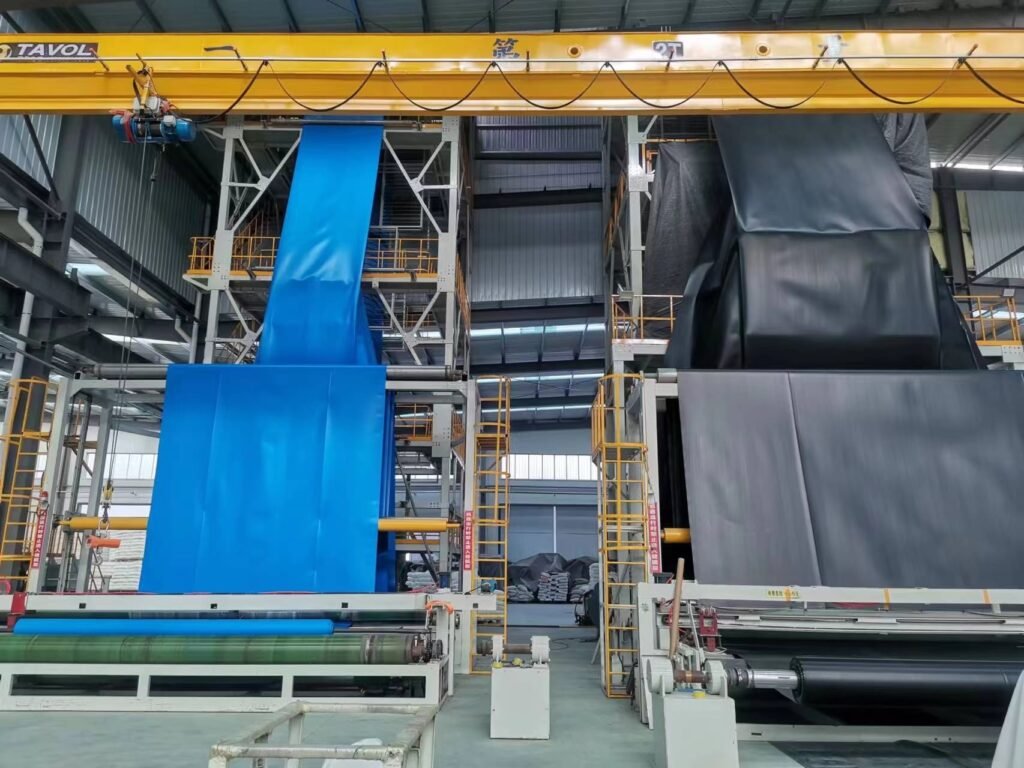
2.The Features of Geomembran 300 micron.
The specific features and performance of a geomembrane can vary depending on the manufacturer and the quality of the material used. It’s essential to choose a reputable supplier like BPM Geosynthetics to ensure the desired features and performance of a 300-micron geomembran.
2.1 Impermeability
Geomembran 300 micron offers a high level of impermeability, acting as an effective barrier against the passage of water, liquids, gases, and contaminants. This impermeability helps prevent seepage, leakage, and migration of substances, protecting the surrounding environment.
2.2 Chemical Resistance
Geomembran 300 micron typically exhibits good chemical resistance, making it suitable for applications where contact with potentially corrosive or hazardous materials is expected. This feature ensures the geomembrane’s durability and integrity in challenging environments.
2.3 UV Stability
Geomembran 300 micron is often formulated with additives that provide UV stability, preventing degradation and maintaining its performance over extended periods of exposure to sunlight.
2.4 Flexibility
Geomembran 300 micron typically exhibits sufficient flexibility to ensure ease of installation and adaptability to various project requirements.
2.5 Durability
Geomembran 300 micron is designed to be durable, capable of withstanding punctures, tears, and abrasion. This durability ensures the geomembrane’s ability to maintain its barrier function and resist damage in demanding conditions.
2.6 Cost-Effectiveness
Geomembran 300 micron offers a balance between performance and cost, making it an economical choice for applications that do not require thicker geomembranes.

3.The application of Geomembran 300 micron
Geomembran is considered relatively thin compared to other options available in the market. However, it still offers sufficient strength and durability to serve as a barrier against water, liquids, gases, and contaminants. While thicker geomembran might be preferred for certain applications that require higher puncture resistance or increased durability, a 0.3mm thickness geomembrane can be suitable for many scenarios. Such as the followig projects:
3.1 Agricultural engineering
Geomembran can be used in agricultural engineering for channel lining, lining of reservoirs or water storage structures, etc. It effectively prevents water leakage and ensures efficient water management and irrigation practices.
3.2 Wastewater treatment
Geomembran can be used to line places such as holding tanks in wastewater treatment plants to prevent leakage or infiltration of wastewater.
3.3 Landfills
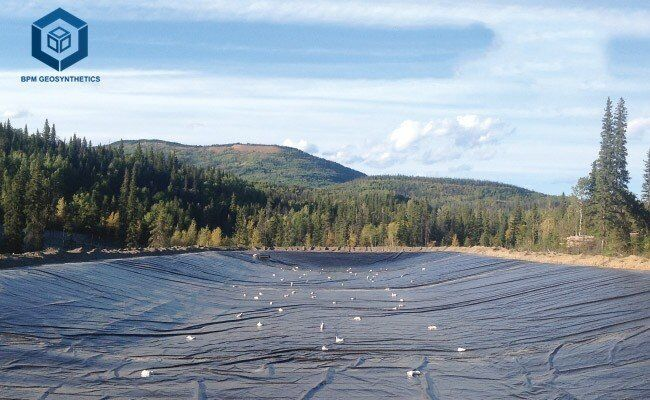
Geomembran 300 micron can line landfills, preventing waste from leaking into surrounding soil and groundwater, thereby reducing the risk of environmental contamination.
3.4 Pools and Landscape Projects
Geomembran can be used to line pools, decorative water features and other landscape projects. It effectively prevents moisture leakage and ensures the stability and functionality of your pool or water feature.
3.5 Anti-seepage projects
Geomembran 300 micron can be used in various projects that need to prevent leakage or penetration, such as underground dams, linings of hydraulic buildings, etc. It provides a reliable barrier to protect the integrity of engineering structures and the environment.
3.6 Construction projects
Geomembran 300 micron can be used as waterproof layers in construction projects, such as roofs, basements or underground tanks. It prevents moisture leakage, ensures the structural integrity of the building, and reduces the risk of flooding and water damage.
3.7 Civil Engineering
We can use Geomembran in various civil engineering applications, such as soil corrosion control, anti-seepage lining of earthworks, etc. It protects soil, prevents soil erosion and stabilizes slopes.
4. How to choose Geomembran 300 micron?
4.1 Determine the Application
Identify the intended application of the geomembran. Different projects and industries may have specific requirements and regulations. For example, landfill liners, wastewater treatment, or agricultural applications may have different demands.
4.2 Understand Environmental Conditions
Consider the environmental conditions at the project site. Factors such as temperature variations, UV exposure, chemical exposure, and soil composition can influence the selection of a suitable geomembran. Ensure the chosen geomembran has the necessary properties to withstand these conditions.
4.3 Evaluate Material Properties
Look for geomembran that offer the required material properties. These may include impermeability, chemical resistance, UV stability, flexibility, and durability. Review technical specifications provided by manufacturers and compare them against your project’s needs.
4.4 Assess Installation Requirements
Consider the installation method and conditions. Some geomembran may require specialized installation techniques, equipment, or expertise. Ensure the chosen geomembran is compatible with the installation process and available resources.
4.5 Compliance with Standards
Check if the geomembran complies with relevant industry standards and regulations. These standards ensure the quality and performance of the geomembran and may vary depending on the application and location.
4.6 Manufacturer’s Reputation
Research the reputation and track record of the manufacturer or supplier. Look for established companies with a history of producing high-quality geomembranes and providing reliable customer support.
4.7 Cost Considerations
Compare the costs of different geomembran while considering the project’s budget. However, it’s essential to balance the cost with the required performance and durability to avoid compromising the effectiveness of the geomembran.
4.8 Seek Expert Advice
If you are unsure about the selection process or have specific project requirements, consult with industry experts, engineers, or geosynthetic specialists. They can provide valuable insights and guidance based on their experience and knowledge.
Summary
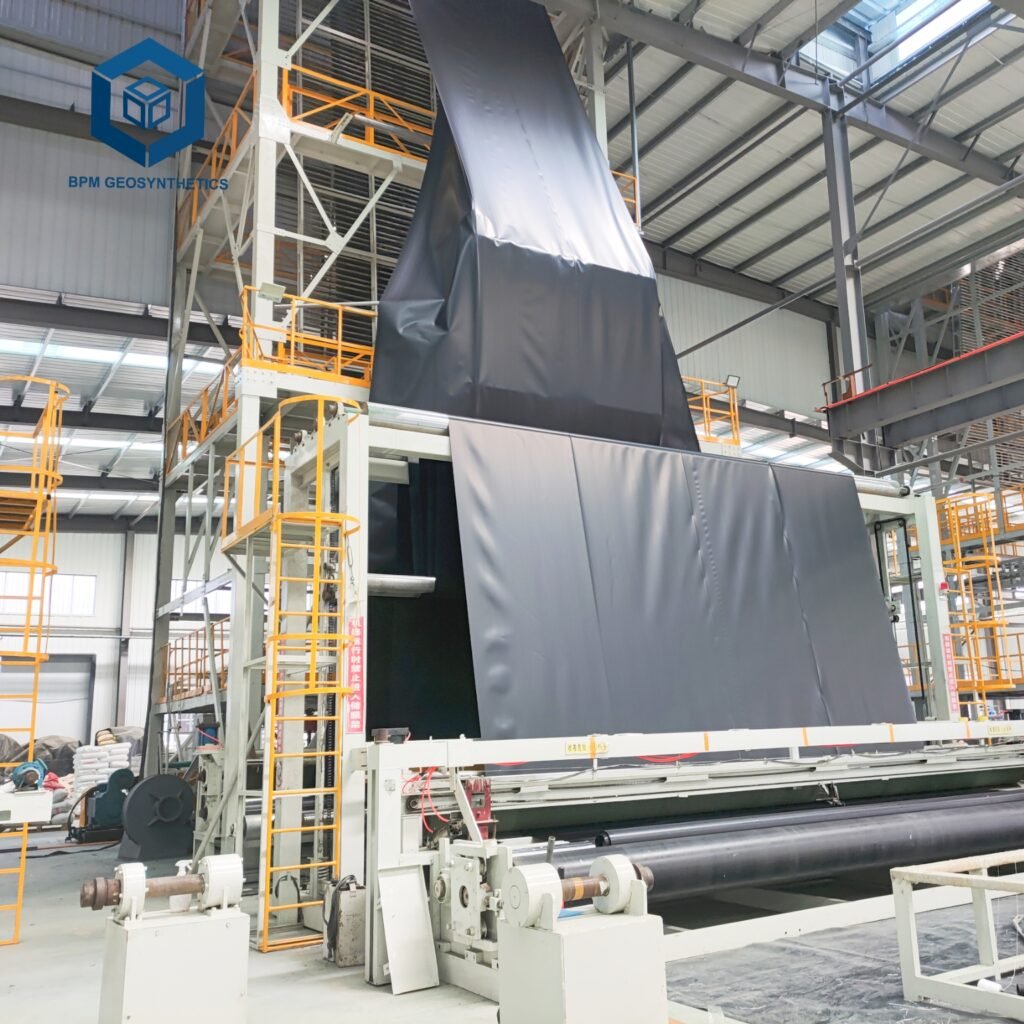
Geomembran 300 micron serve as vital components in numerous civil and environmental engineering projects. Their versatility, impermeability, durability, and cost-effectiveness make them valuable in applications such as landfills, mining operations, agriculture, environmental remediation, erosion control, and more. As technology advances, these geomembranes continue to evolve, providing innovative solutions for the challenges faced in various industries. BPM Geosynthetics is the leading geomembran manufacturer and supplier, Any questions or inquiries, please contact us.