1.What isGeotextile Filter Cloth?
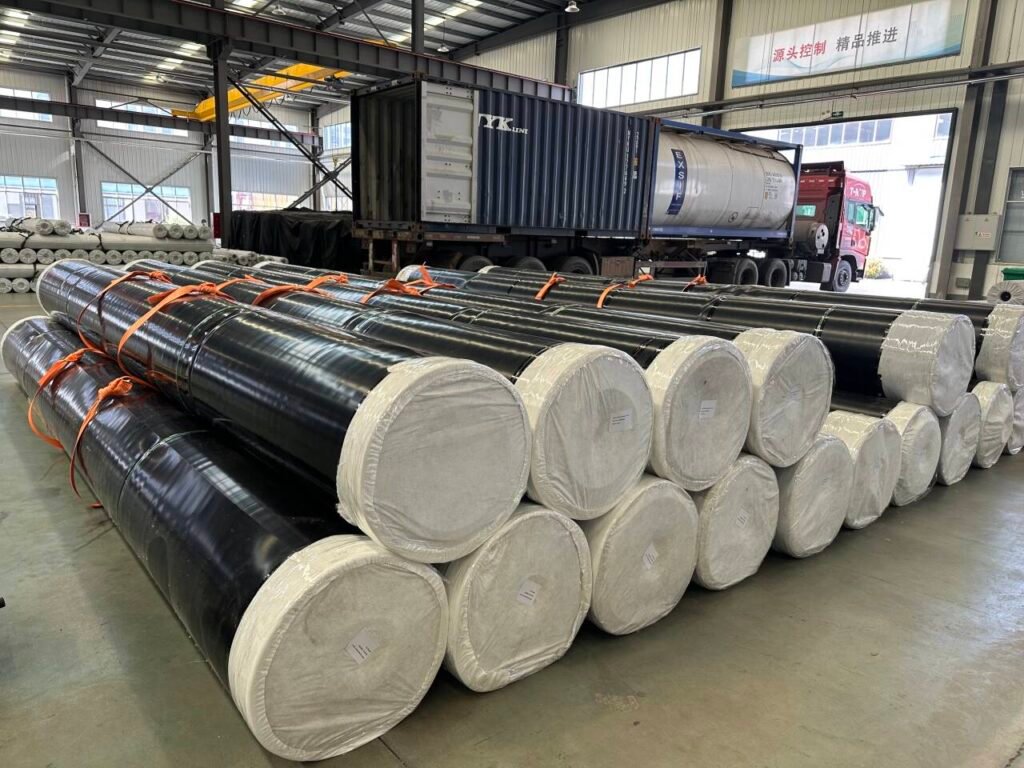
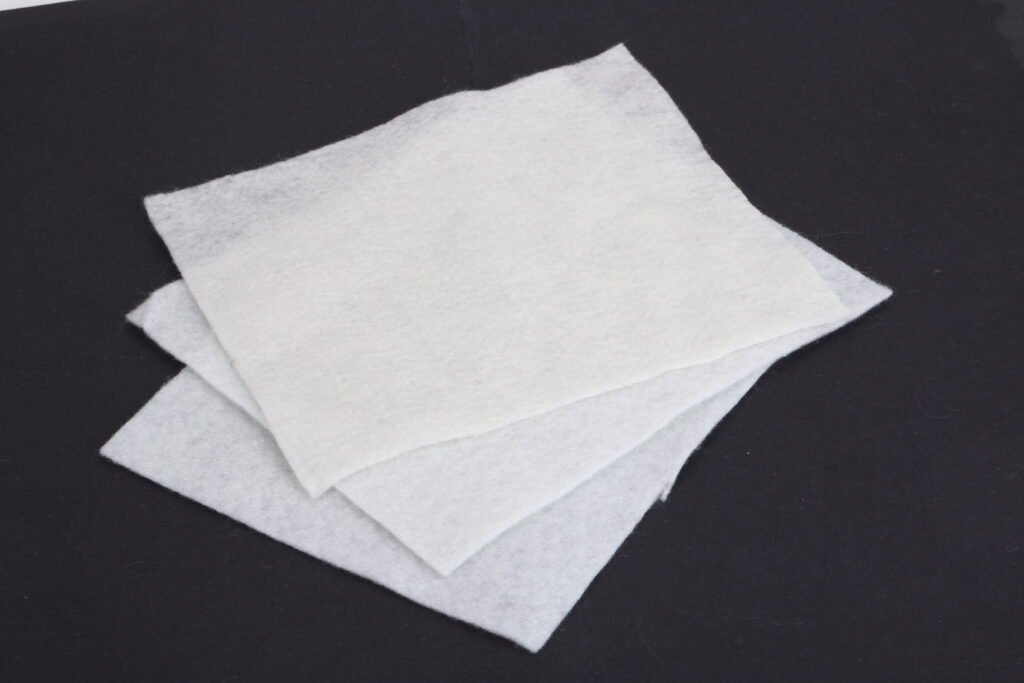
Geotextile filter fabric is a permeable material woven from synthetic fibers, featuring a grid-like structure. It is suitable for civil engineering, landscape, and environmental projects, providing functions such as separation, filtration, reinforcement, and drainage. Unlike nonwoven geotextiles, which are produced through a fiber fusion process, woven geotextiles are formed by interweaving warp and weft threads, resulting in a more durable structure but poorer flexibility. This method endows woven geotextiles with a unique loose weave structure, allowing them to achieve controlled fluid flow while maintaining a certain level of mechanical stability.
2.What are the advantages ofGeotextile Filter Cloth?
Geotextile filter fabric possesses numerous advantages, rendering it highly beneficial in various applications. The following are some of its primary benefits:
2.1 Geotextile Filter Cloth – Strength and Durability
Woven geotextiles are renowned for their high tensile strength in both the warp direction (lengthwise) and the weft direction (crosswise), making them exceptionally durable. This robustness is crucial for demanding engineering applications such as retaining walls and roads.
2.2 Geotextile Filter Cloth – High Permeability
They allow water to flow through while preventing soil and other particles from being carried away. This permeability is crucial for drainage applications, helping to control water flow and reduce pressure buildup behind buildings.
2.3 Geotextile Filter Cloth – Chemical Resistance
MostGeotextile Filter Cloths are resistant to chemical substances found in soil and waste. This chemical resistance extends their service life and maintains their functionality even in harsh environments.
2.4 Ultraviolet stability
Woven geotextiles are typically treated with ultraviolet radiation. This treatment ensures that they maintain their strength more durably in sunlight, without undergoing rapid degradation.
2.5 Easy to install
Woven geotextiles are typically designed to be easy to handle. This design reduces labor costs for projects. They are usually lightweight and easy to install. Despite their light weight, they are strong enough to handle harsh conditions.
2.6 Versatility
Woven geotextiles are widely used in various fields. They can effectively control erosion, provide isolation layers in road construction, enhance soil stability, and contribute to the filtration system of landfills.
2.7 Environmental benefits
Woven geotextiles can enhance soil stability and improve drainage. They reduce the risk of landslides by reducing sediment runoff, thereby helping to control erosion and promote better environmental protection.
2.8 Cost-effectiveness
Woven geotextiles can enhance drainage and stability. They can reduce the risk of landslides, prevent sediment runoff, and minimize erosion, thereby contributing to better environmental protection.
3.What are the disadvantages ofGeotextile Filter Cloth?
AlthoughGeotextile Filter Cloths have numerous advantages, they also possess some drawbacks. One of the primary disadvantages is their limited flexibility and conformability compared to nonwoven geotextiles, rendering them less suitable for applications demanding high shape adaptability or involving irregular surfaces. Furthermore, woven geotextiles typically exhibit larger pore sizes, which may not offer sufficient filtration in scenarios requiring the retention of fine particles. This could potentially lead to issues such as soil migration or contaminant infiltration, for instance, in applications like landfill liners or filtration systems. Additionally, while woven geotextiles are durable, their manufacturing process may be more intricate and costly compared to the simpler processes employed in other types of geotextiles, thereby impacting the overall project budget.
4.Is geotextile filter really effective?
Yes,Geotextile Filter Cloth is highly effective and widely used in various applications across multiple industries. Its effectiveness stems from its unique properties, such as high tensile strength, durability, permeability, as well as resistance to chemical corrosion and ultraviolet radiation. Below are some specific applications whereGeotextile Filter Cloth has proven to be highly effective:
4.1 Slope stability
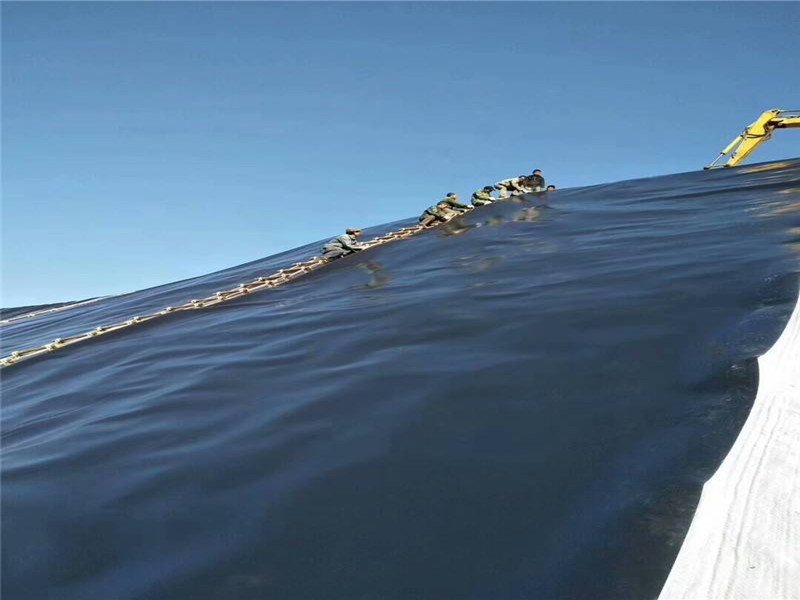
Woven geotextiles are commonly used to reinforce slopes and embankments, preventing soil erosion and landslides. By integrating with the soil, they enhance stability and reduce the risk of damage during rainstorms or earthquakes.
4.2 Erosion control
Woven geotextiles are used in coastal areas to protect the soil. They prevent sediment loss by slowing down water flow and promoting the growth of natural vegetation.
4.3 Retaining wall
Woven geotextiles are used behind retaining walls to provide additional support and reduce wall pressure. This helps maintain the integrity of the wall and extends its service life by evenly distributing loads and preventing settlement.
4.4 Road construction
Woven geotextiles are used in road construction. They separate different material layers to prevent mixing. They ensure good drainage and enhance the stability and service life of roads.
4.5 Railway embankment
In railway engineering, these fabrics help reinforce embankments and provide a stable foundation for tracks. By distributing stress evenly on the ground, they minimize track settlement and enhance ride comfort.
4.6 Enclosure of landfill site
Woven geotextiles play a crucial role in the containment system of landfills, effectively preventing the diffusion of leachate and the emission of gases. Geotextiles isolate waste from the surrounding environment, protecting the underground aquifers from pollution.
4.7 Drainage system
As a component of the drainage system, woven geotextiles facilitate water flow while filtering out fine particles. This application is commonly seen in infiltration trenches, swales, and trench drains, ensuring effective water management and preventing soil waterlogging.
5.Summary
In summary, while geotextiles offer significant advantages in various applications, it is important to acknowledge their limitations. These drawbacks include potential permeability issues, susceptibility to damage during handling and installation, and poorer flexibility compared to non-woven materials. Understanding these shortcomings can assist engineers and contractors in making more informed decisions and selecting the most suitable material for specific projects. If you have any questions, please contact us.