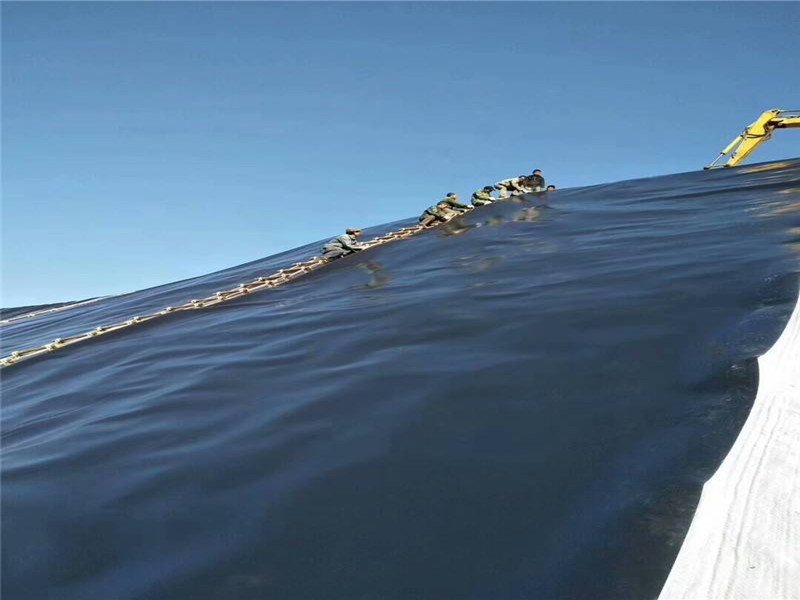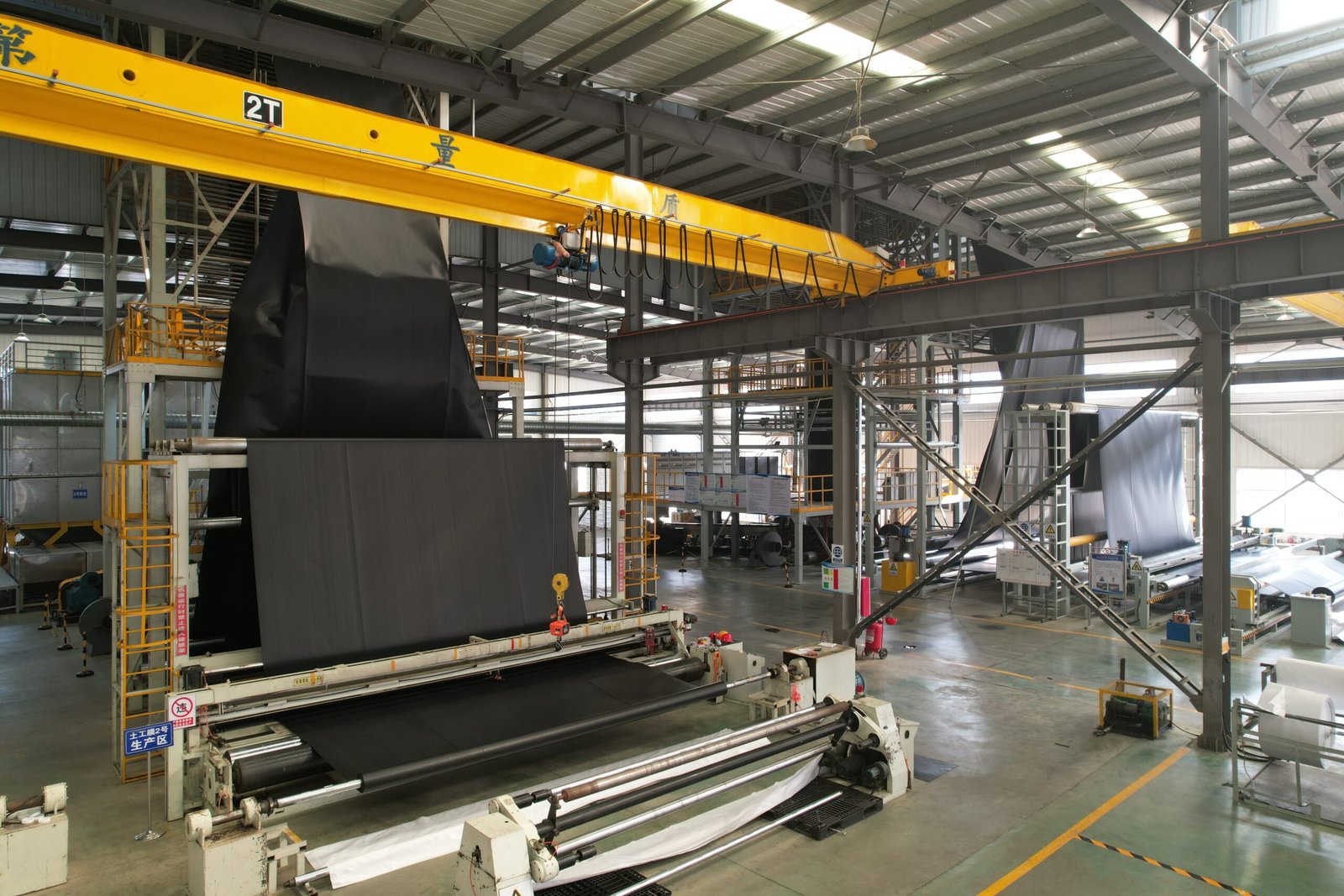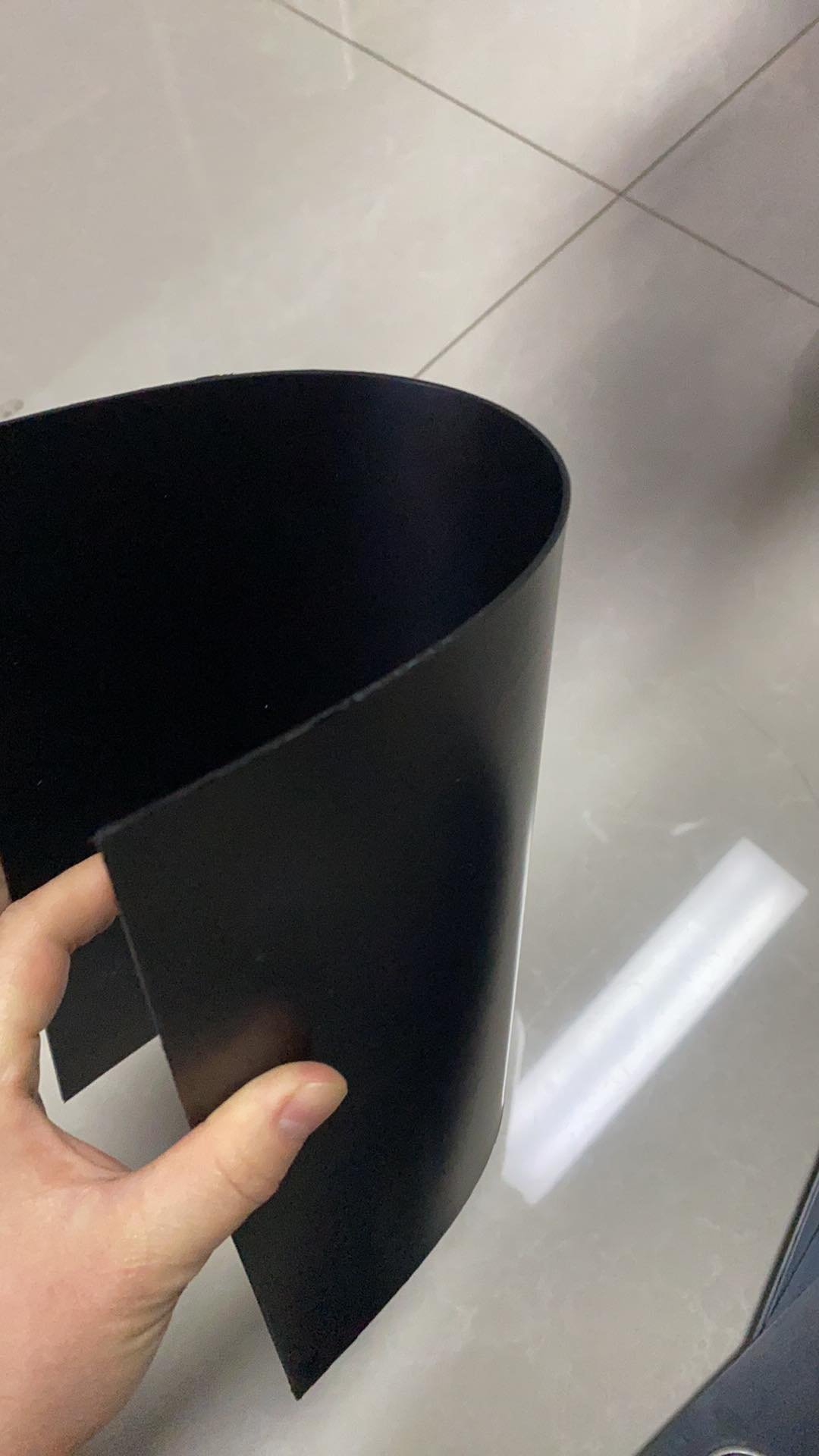
In the world of containment, protection, and preservation, few materials are as critical and versatile as the High-Density Polyethylene (HDPE) liner. Whether you’re engineering a massive landfill, constructing a decorative pond, securing an agricultural lagoon, or managing industrial wastewater, the integrity of your project hinges on this single component. A HDPE geomembrane liner is not just a sheet of plastic; it is a sophisticated engineered barrier designed to last for decades. However, with numerous suppliers and varying product specifications, choosing the best HDPE liner for sale can be a complex decision. This comprehensive guide will walk you through the essential factors to consider, ensuring you select a liner that delivers performance, durability, and value for your specific application.
Understanding HDPE Geomembranes: The Foundation
HDPE is a thermoplastic polymer known for its high strength-to-density ratio. As a geomembrane, it is manufactured into large, flexible sheets with a smooth or textured surface. Its primary virtues are:
Exceptional Chemical Resistance: Highly inert, making it ideal for containing harsh chemicals, leachate, and acidic or alkaline solutions.
Superior UV Resistance: Formulated with carbon black (typically 2-3%) to protect against ultraviolet degradation, ensuring long-term field durability.
High Tensile Strength and Puncture Resistance: Provides structural integrity under stress and from subgrade conditions.
Low Permeability: Offers an excellent barrier to fluids and gases, critical for environmental protection.
Cost-Effectiveness: Provides a reliable, long-life solution at a competitive price point compared to other specialty polymers.
Key Factors to Consider When Choosing Your HDPE Liner
1. Application and Environmental Stress
The “best” liner is the one perfectly suited to your project’s unique demands. Define the primary function:
Containment Type: Is it potable water, agricultural waste, industrial effluent, municipal solid waste (landfill), or mining solutions?
Exposure Conditions: Will it be exposed to constant sunlight, buried, submerged, or subject to temperature extremes?
Physical Stresses: Consider potential for puncture from angular subgrade, pressure from heavy overburden, or stress from wind and waves in exposed applications.
Action: Clearly document the chemical, physical, and environmental challenges the liner will face. This is your selection blueprint.
2. Material Specifications and Thickness (Gauge)
HDPE liners are not one-size-fits-all. Thickness, measured in mils (thousandths of an inch) or millimeters, is a primary determinant of performance.
Common Thickness Range: 30 mil (0.75 mm) to 100 mil (2.5 mm) and beyond.
Guidelines:
Ponds & Landscaping (Water): 30-40 mil HDPE is often sufficient for calm, decorative water features with prepared subgrade.
Agricultural & Aquaculture: 40-60 mil is typical for manure lagoons, irrigation ponds, and fish ponds, balancing durability with cost.
Landfills (Base & Caps), Mining: 60-100+ mil is standard, where puncture resistance and long-term integrity under heavy loads are paramount.
Textured vs. Smooth: Textured HDPE (single or double-sided) provides enhanced interface friction, crucial for slope stability in landfill caps, dam liners, and steep embankments.
3. Quality of Raw Materials and Manufacturing Standards
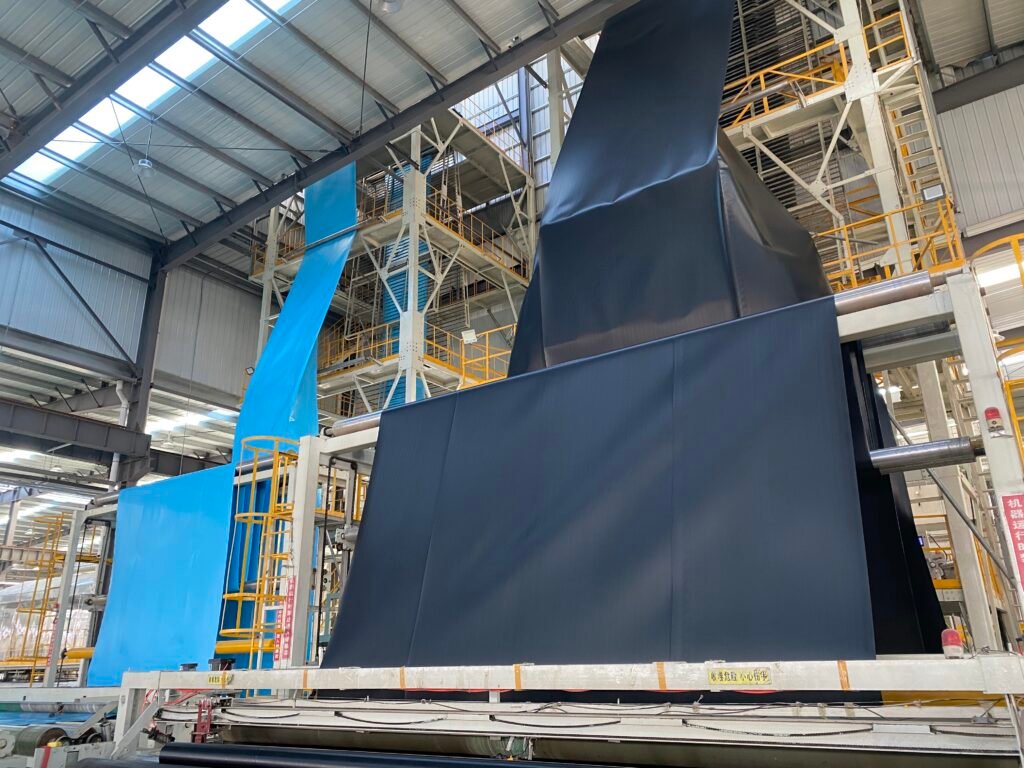
The performance of an HDPE liner begins with the resin. Insist on liners manufactured from virgin, prime-grade polyethylene resin.
Resin Grade: Look for resins designed specifically for geomembrane production, not generic molding grades.
Carbon Black: It must be thermally stabilized carbon black (not a cheap pigment) uniformly distributed at 2-3% for consistent UV protection. Uneven dispersion creates weak spots.
Additives: Quality liners include antioxidants and UV stabilizers to retard oxidation and maintain flexibility over time.
Manufacturing Standards: Reputable manufacturers adhere to international standards like GMP (Geomembrane Institute), GRI-GM13 (ASTM Standard Specification for HDPE Geomembranes), and NSF for potable water.
4. Third-Party Testing and Certification
Never rely solely on manufacturer claims. Independent verification is non-negotiable.
Certification: The liner should come with a Certificate of Analysis (CoA) from the manufacturer, verifying thickness, density, tensile properties, and carbon content.
Independent Lab Testing: Reputable suppliers will provide, upon request, recent third-party test reports from accredited laboratories (e.g., following ASTM or ISO test methods).
Key Tests to Look For: Tensile Properties (ASTM D6693), Stress Crack Resistance (ASTM D5397/NCTL), Tear Resistance (ASTM D1004), and Carbon Black Content (ASTM D1603).

5. Panel Size, Seaming, and Installation Support
HDPE is factory fabricated into large panels to minimize field seams, which are potential failure points if not executed correctly.
Panel Size: Larger panels mean fewer field seams, reducing installation time and risk. The best suppliers offer custom fabrication based on your site plans.
Seaming Method: HDPE is primarily seamed using dual-track hot wedge fusion, creating a strong, continuous bond. Ensure your supplier can recommend qualified installers or provide certified seaming technicians.
Support: Does the supplier offer technical support for subgrade preparation, seaming protocols, and installation inspection? A partner who provides this is invaluable.
6. Supplier Reputation and Proven Experience
The supplier is as important as the product itself.
Project Portfolio: Ask for case studies or references from projects similar to yours in scale and application.
Longevity & Financial Stability: A company with a long track record is more likely to be there in the future for warranty or support.
Technical Expertise: Can their sales and engineering team answer detailed technical questions? Do they proactively ask about your project specifics to make informed recommendations?
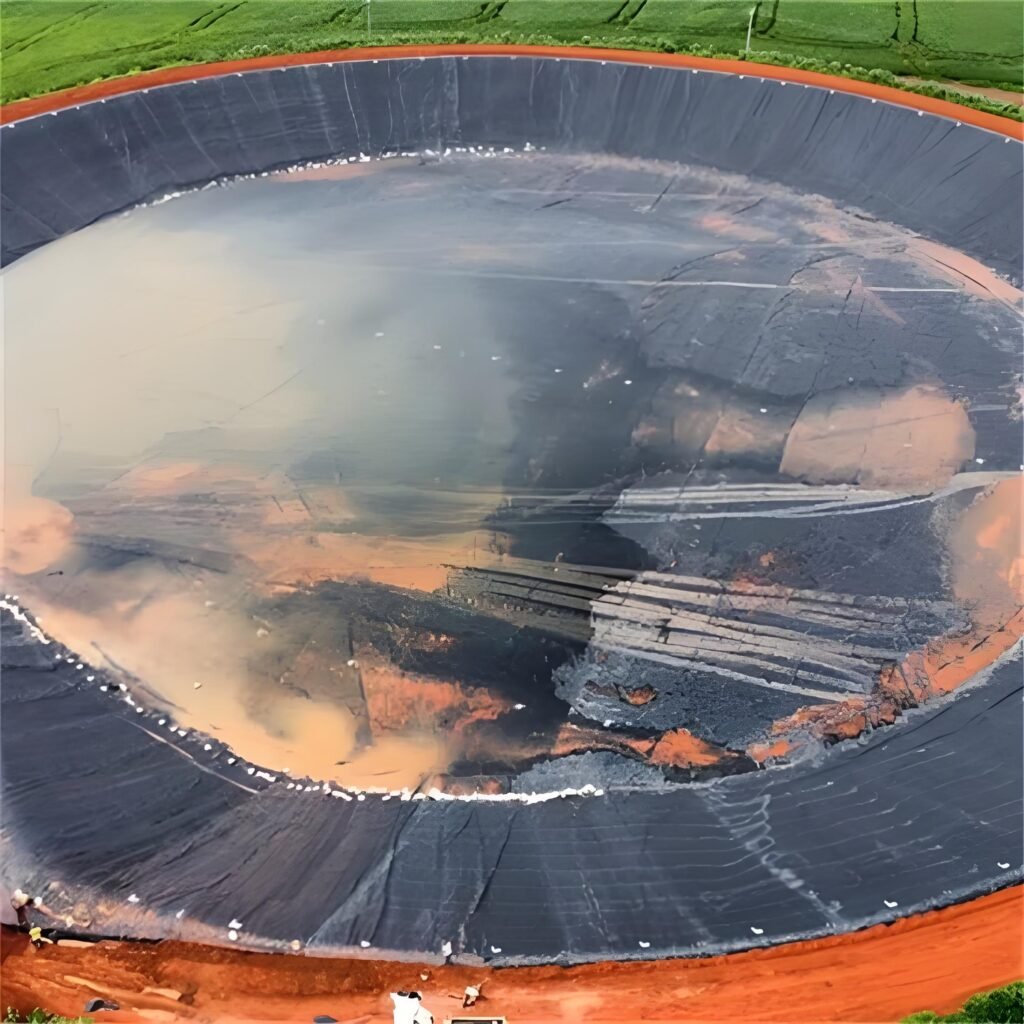
7. Warranty and Long-Term Value
A robust warranty is a sign of confidence in the product.
Scope: Look for a warranty that covers defects in materials and workmanship. Some offer performance-based warranties for specific applications.
Duration: Understand the warranty period (e.g., 20 years, 30 years) and its terms and conditions.
Total Cost of Ownership: The cheapest liner per square foot may be the most expensive in the long run if it fails prematurely. Consider value—reliability, longevity, and supplier support—over upfront price alone.
Conclusion: A Systematic Approach to Success
Choosing the best HDPE liner for sale is a systematic process of matching engineered material properties to your project’s specific environmental, chemical, and physical challenges. It requires due diligence, a focus on quality documentation, and a partnership with a reputable, experienced supplier.
By prioritizing virgin resin composition, demanding independent certifications, selecting the correct thickness and texture for your application, and valuing technical support, you invest in more than just a geomembrane. You invest in the long-term security, environmental compliance, and success of your containment project. Your liner is the silent guardian of your site—choose the one engineered to stand the test of time.