1. What Is HDPE Pond Liner?
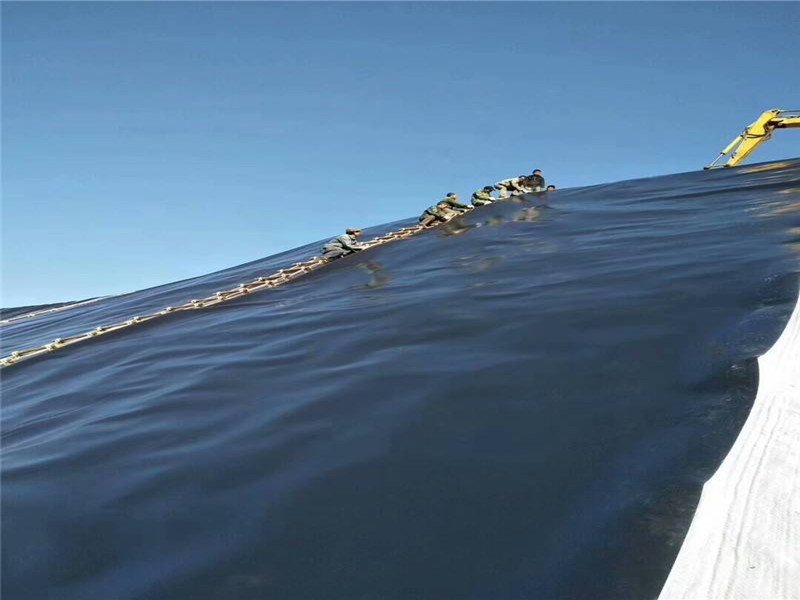
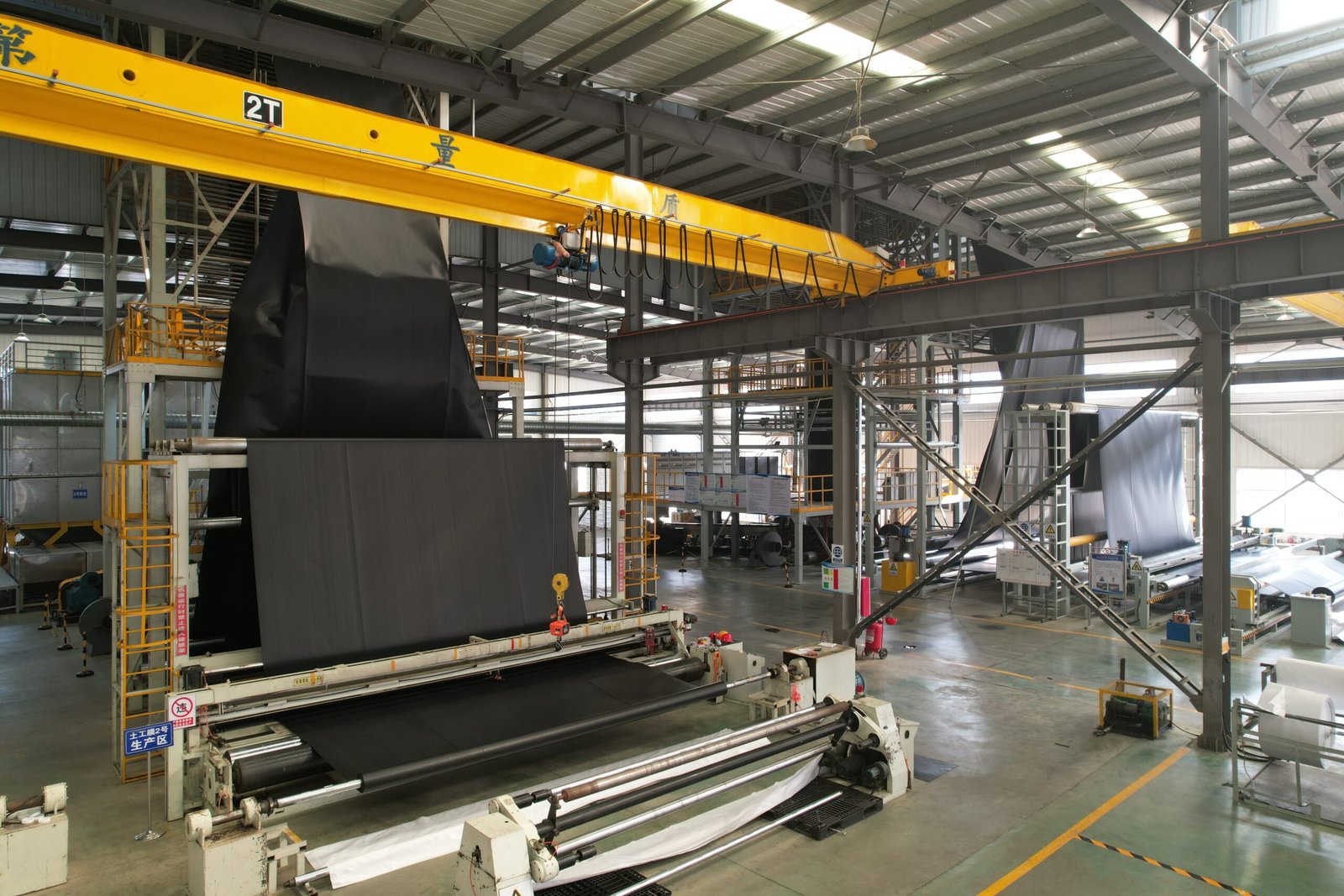
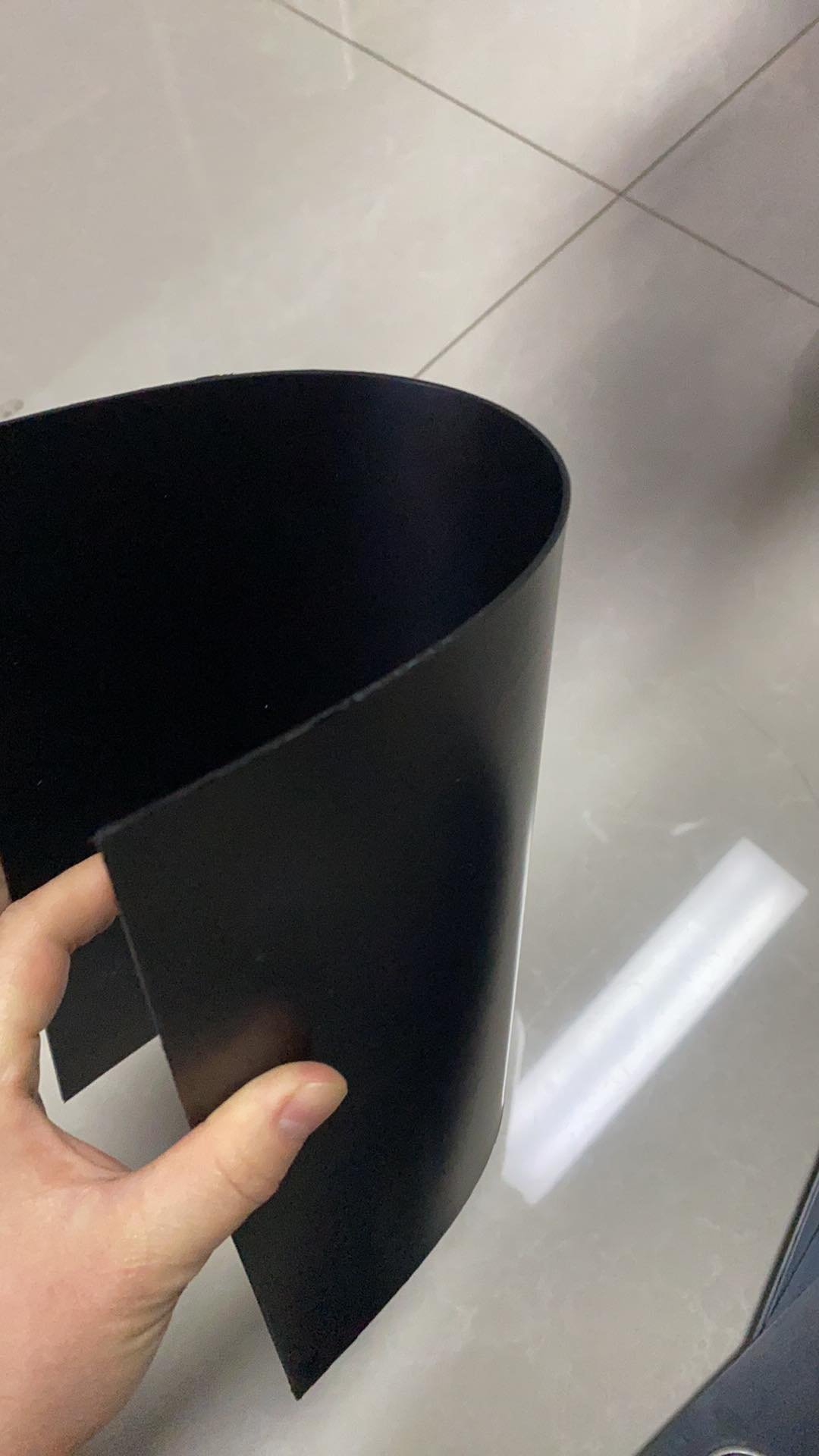
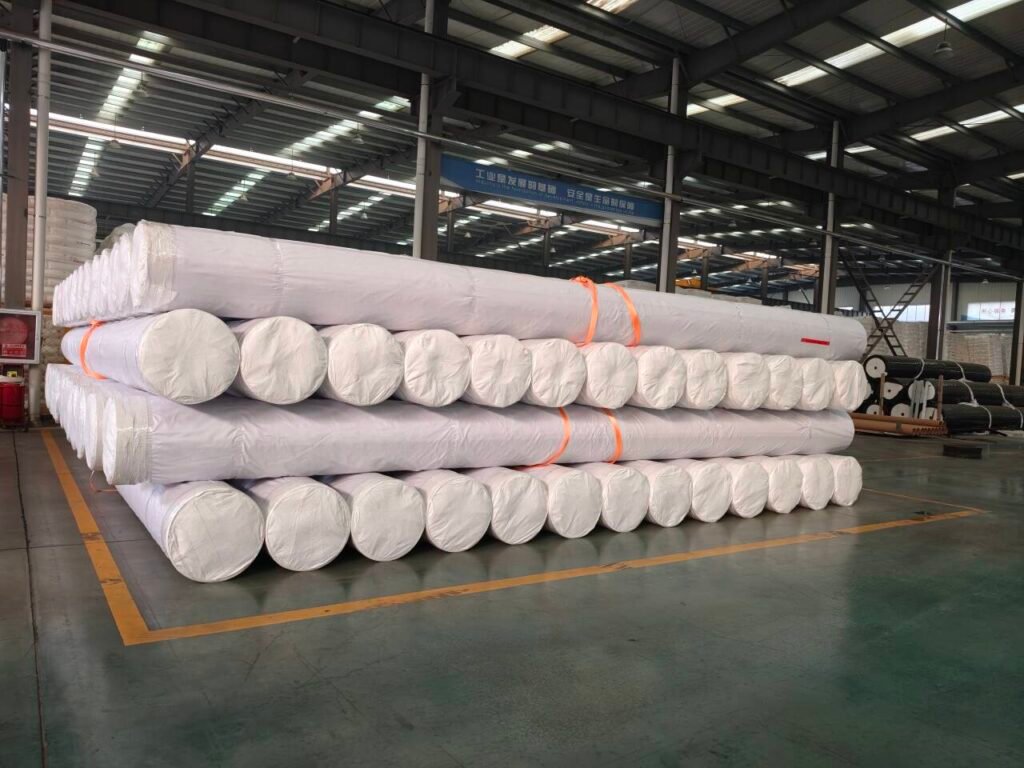
HDPE Pond Liner, also known as a High-Density Polyethylene Geomembrane, is a type of geomembrane made from high-quality high-density polyethylene (HDPE). It is manufactured using a special formulation of virgin polyethylene resin, carbon black, antioxidants, anti-aging agents, and UV resistance components. These additives enhance the liner’s resistance to UV radiation, making it suitable for exposed conditions. HDPE Pond Liner are known for their durability and ability to withstand higher temperatures, extending their service life. They offer a cost-effective solution for containment applications due to their low cost, excellent chemical resistance, and weathering properties. HDPE Pond Liner is widely used in various industries such as water conservancy, petrochemicals, agriculture, and aquaculture, thanks to its anti-aging and waterproof properties. It meets the requirements set by the GRI-GM13 Specification standard for HD Geomembrane Liners, ensuring its quality and performance. Compared to LLDPE (Linear Low-Density Polyethylene), HDPE Pond Liner are less flexible but provide higher specific strength and can withstand higher temperatures. They are resistant to various solvents and are the most commonly used geomembrane liners worldwide. The exceptional chemical and ultraviolet resistance properties of HDPE make it a cost-effective choice for lining projects. BPM HDPE Pond Liner are manufactured using state-of-the-art automatic production lines and advanced three-layered pressing technology, adhering to the GRI GM13 standard. Compared to traditional materials like concrete, asphalt, and compacted clay, HDPE Pond Liner offer significant advantages in terms of cost-effectiveness, environmental safety, durability, chemical resistance, fast deployment, and easy transportation.
Key Properties of HDPE Pond Liners
HDPE Pond liners are evaluated by properties that impact cost and performance:
• Impermeability: EPDM and HDPE achieve <10⁻¹⁰ cm/s (ASTM D5085), blocking 99.9% seepage—vital for 70% of aquaculture ponds to maintain water quality.
• Tensile Strength: 10–40 kN/m (ASTM D6693), with HDPE averaging 25 kN/m, 25% stronger than PVC for deeper ponds (6–8 ft).
• Puncture Resistance: 1–5 kN (ASTM D4833), where 45 mil EPDM offers 40% more protection than 20 mil PVC against rocks or roots.
• Elongation at Break: 200–1,000% (ASTM D6693), providing flexibility; RPE excels at 400–600%, suiting irregular shapes in 60% of backyard ponds.
• Thickness Range: 0.5–2.0 mm (20–80 mil), with 1.0 mm standard for 50% of 1/4 acre ponds, balancing cost and longevity.
• UV Resistance: 500–1,500 hours (ASTM D4355), with carbon black additives in HDPE extending exposure by 50%.
2. Price of HDPE Pond Liner
For HDPE Pond Liner (10,890 sq ft surface, plus 20–30% for depth/sides totaling 13,068–14,157 sq ft), the average liner cost is $2,500–$12,000 installed, or $0.23–$1.10/sq ft, varying by type, thickness, and labor. This 4–6% rise from 2024 reflects resin hikes (5–7%, ICIS 2025), but bulk saves 15–25%. A basic PVC liner might total $2,500–$4,000, while premium HDPE reaches $8,000–$12,000 for durability. Prices differ regionally: U.S. Midwest $0.50–$1.50/sq ft, West Coast $0.70–$1.80/sq ft (HomeGuide, 2025). Virgin materials add 20–30% but cut failures by 20% (Geosynthetic Institute, 2023). Below, we dissect factors for a HDPE Pond Liner.
2.1 HDPE Pond Liner – Material Type Material drives 40–60% costs, with EPDM leading for residential ponds at 45% share.
2.1.1 Ethylene Propylene Diene Monomer (EPDM) Rubber
• Cost: $0.75–$1.50/sq ft ($8.07–$16.15/m²), 45 mil standard.
• Properties: Density 1.1–1.2 g/cm³, elongation 300–600% (ASTM D6693), UV resistance 1,000+ hours.
• Applications: Koi/fish ponds (50%), decorative (30%)—fish-safe, flexible for 6–8 ft depths. • Advantages: 20–50 years lifespan, self-healing (30% tear repair), 95% non-toxic (NSF/ANSI 61).
• For 1/4 Acre: $9,818–$21,236 materials (13,068 sq ft); installed $14,727–$31,854 (+50% labor). EPDM suits 70% backyard ponds, reducing cracks by 25% (ASTM D5321).
2.1.2 High-Density Polyethylene (HDPE) Geomembrane
• Cost: $0.50–$1.20/sq ft ($5.38–$12.91/m²), 1.0 mm typical.
• Properties: Density 0.94 g/cm³, tensile 20–40 kN/m, impermeability <10⁻¹² cm/s.
• Applications: Farm/irrigation (40%), aquaculture (30%)—durable for 8 ft depths.
• Advantages: 40–100 years life, 99.9% containment, 30% cheaper long-term than EPDM. • For 1/4 Acre: $6,534–$15,682 materials; installed $9,801–$23,523 (+50%). HDPE excels in 60% farm ponds, saving 15% water (USDA, 2024).
2.1.3 Polyvinyl Chloride (PVC)
• Cost: $0.40–$0.90/sq ft ($4.31–$9.69/m²), 20–30 mil.
• Properties: Density 1.3 g/cm³, elongation 200–400%, lower UV resistance.
• Applications: Small decorative (50%), temporary (30%)—budget for 4–6 ft depths.
• Advantages: Easy install (10% faster), 15–25 years life, lightweight.
• For 1/4 Acre: $5,227–$11,761 materials; installed $7,841–$17,642 (+50%). PVC fits 70% low-depth ponds but needs covering for UV.
2.1.4 Reinforced Polyethylene (RPE)
• Cost: $0.40–$0.90/sq ft ($4.31–$9.69/m²), 20–30 mil.
• Properties: Density 0.92 g/cm³, tensile 15–30 kN/m, puncture 1–3 kN.
• Applications: Backyard/recreational (40%), wildlife (30%)—lightweight for 6 ft depths.
• Advantages: 20–40 years life, 25% lighter than EPDM, 95% UV resistance.
• Cost: $0.50–$1.15/sq ft ($5.38–$12.38/m²), 3–4 inches thick.
• Properties: Natural, self-sealing, permeability 10⁻⁷ cm/s.
• Applications: Farm/large ponds (50%), natural (30%)—eco for 8+ ft depths.
• Advantages: 20–50 years life, biodegradable, 20% cheaper install than synthetics.
• For 1/4 Acre: $6,534–$15,031 materials; installed $9,801–$22,547 (+50%). Bentonite fits 70% natural ponds, sealing 95% cracks. Material choice impacts 40% costs; EPDM/HDPE best for 1/4 acre durability.
2.2 Thickness Thickness affects 30–40% material costs, with thicker liners boosting durability at higher prices. For 1/4 acre, 20–45 mil standard.
• 20 mil (0.5 mm): $0.23–$0.50/sq ft ($2.48–$5.38/m²), low-stress decorative; 15–25 years, 70% cheaper than 45 mil, 25% puncture risk.
• 30 mil (0.75 mm): $0.35–$0.70/sq ft ($3.77–$7.53/m²), small fish ponds; 20–30 years, 20% better tear resistance (ASTM D1004).
• 45 mil (1.1 mm): $0.50–$1.00/sq ft ($5.38–$10.76/m²), standard aquaculture; 25–40 years, 40% puncture resistance (ASTM D4833).
• 60 mil (1.5 mm): $0.70–$1.20/sq ft ($7.53–$12.91/m²), farm/irrigation; 30–50 years, 50% stronger seams (ASTM D6392). Example: BPM’s 45 mil EPDM for 1/4 acre at $0.75/sq ft; 13,068 sq ft $9,801 materials, installed $14,702 (+50%). Thicker liners cut repairs 20–30% (Geosynthetic Institute, 2023).
2.3 Project Size and Scale For 1/4 acre (10,890 sq ft), size drives 20–30% per sq ft costs via scale.
• Small Ponds (<1/4 acre): $0.70–$1.80/sq ft, custom; +15–25% fabrication.
• 1/4 Acre Ponds: $0.50–$1.20/sq ft, standard rolls; 10% discount for 10,000+ sq ft.
• Larger Ponds (>1/2 acre): $0.40–$1.00/sq ft, bulk; 15–20% reduction. Custom shapes add 15–25%; 1/4 acre EPDM $5,445–$13,068 materials ($0.50–$1.20/sq ft). Scaling saves 15% logistics for 70% farm sites.
2.4 Installation Method and Labor Installation 30–50% total, varying by method/site.
• Loose Lay/Underlay: $0.20–$0.50/sq ft, simple for EPDM; 10% faster, 20% leak risk.
• Welding/Seaming: $0.30–$0.75/sq ft, for HDPE; seamless, 15–25% less maintenance (Geosynthetic Institute, 2023); 60% projects.
• Labor Rates: $30–$50/hour (U.S.), $10–$20/hour (Asia); uneven sites +$0.20–$0.50/sq ft.
• Site Factors: Depth 6–8 ft +10–15% (curing); remote +5–10% transport. Example: Welded 45 mil EPDM for 1/4 acre $0.40–$0.80/sq ft labor (HomeGuide); 13,068 sq ft $5,227–$10,454.
2.5 Raw Material Quality Raw quality 25–35% costs, virgin superior.
• Virgin Resin: $0.50–$1.20/sq ft, 25–50 years life, 20–30% lower maintenance (BPM/GEOSINCERE).
• Recycled Resin: $0.23–$0.50/sq ft, 5–10 years, 20% failure risk.
• Additives: +5–10% for UV/antioxidants, +15–20% lifespan (BPM carbon black 95% UV). Virgin essential for fish ponds, avoiding $2,500–$10,000 remediation (EPA 2024).
2.6 Transportation and Logistics Transport 5–15%, per roll/distance.
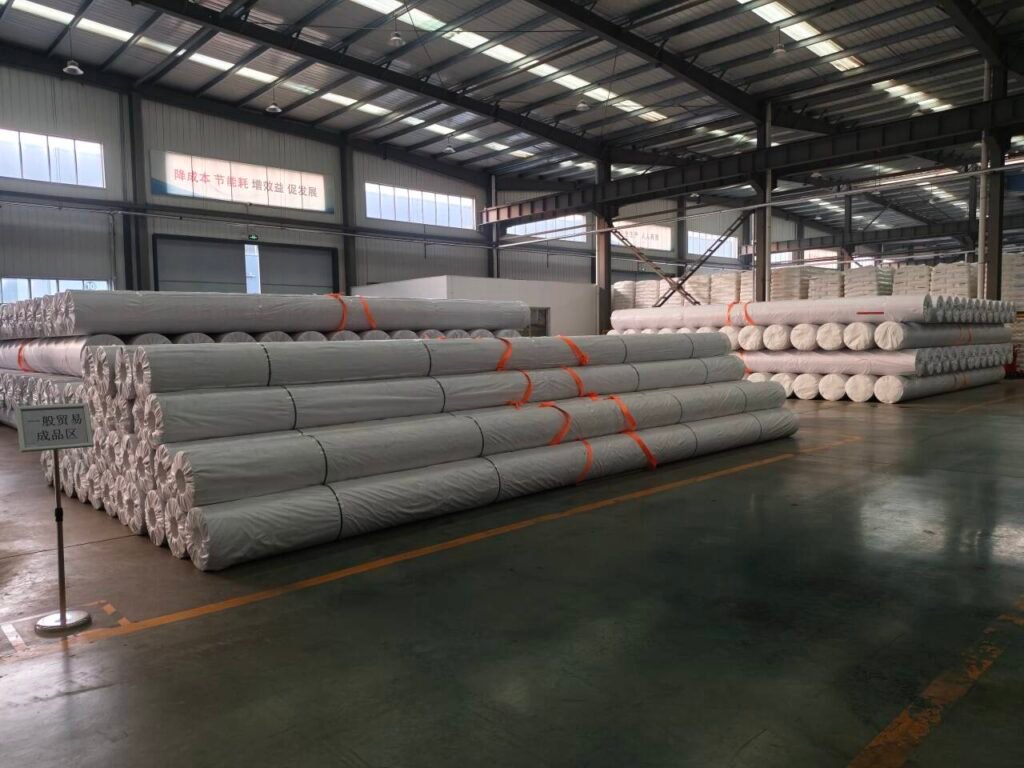
• Roll Dimensions: 6 m x 30 m (500–1,000 sq ft); +$0.05–$0.15/sq ft remote (2–3x urban).
• Packaging: +5–10% protective.
• Regional: U.S. Midwest $0.50–$1.20/sq ft, West $0.70–$1.50/sq ft. • Example: BPM’s plant cuts U.S. costs 10–15%. HDPE Pond Liner Cost – Maintenance and Lifetime Costs Maintenance 5–10% total, poor quality doubles.
• Annual Inspections: $250–$1,000; repairs $500–$2,500.
• Lifespan: EPDM/HDPE 25–50 years; PVC 15–25 years; recycled 5–10 years.
• Failure Costs: Fines/remediation $2,500–$10,000.
• Example: 45 mil EPDM 1/4 acre $0.75/sq ft upfront, 25–40 years total; recycled doubles.
3. Choose the Right Pond Liner for a Pond Selecting balances cost, performance, needs, saving 15–25% long-term.
- Assess Project Requirements Match to uses (recreational: 45 mil EPDM $0.75–$1.50/sq ft; farm: 1.0 mm HDPE $0.50–$1.20/sq ft; aquaculture: LLDPE $0.60–$1.00/sq ft). Evaluate depth 6–8 ft, soil pH, UV.
- Prioritize Quality Virgin resin, NSF/ANSI 61 certified (BPM/EPDM); avoid recycled for fish, cut failures 20%. 3.3 Evaluate Installation Needs Weldable for HDPE (15% faster); certified crews reduce 10–20% lifespan loss (HomeGuide).
- Consider Long-Term Costs Thicker/quality save 20–30% over 50 years (45 mil EPDM vs. 20 mil PVC).
- Compare Suppliers Quote for quality/support (BPM custom; Firestone EPDM). Bulk from BPM saves 10–20%.
4. Industry Trends Affecting HDPE Pond Liner Costs
- Raw Fluctuations: Oil up 10–20%, EPDM/HDPE 5–8%.
- Wider Rolls: 6 m (Firestone) cuts installation 15%.
- Smart Liners: Sensors +5–10%, -20% maintenance.
- Sustainability: Recyclable $0.50–$3.00/sq ft, +10% production.
- Global: U.S. $0.50–$1.50/sq ft vs. Europe higher.
5. Conclusion
HDPE pond liner costs $2,500–$12,000 installed, with EPDM $0.75–$1.50/sq ft for fish, HDPE $0.50–$1.20/sq ft for farm. Installation 30–50%; prioritize virgin (BPM/Firestone) for performance. Contact BPM Geosynthetics for quotes/samples for leak-proof ponds.If you have any questions, please consult BPM Geomembrane.Hope to be your partner.