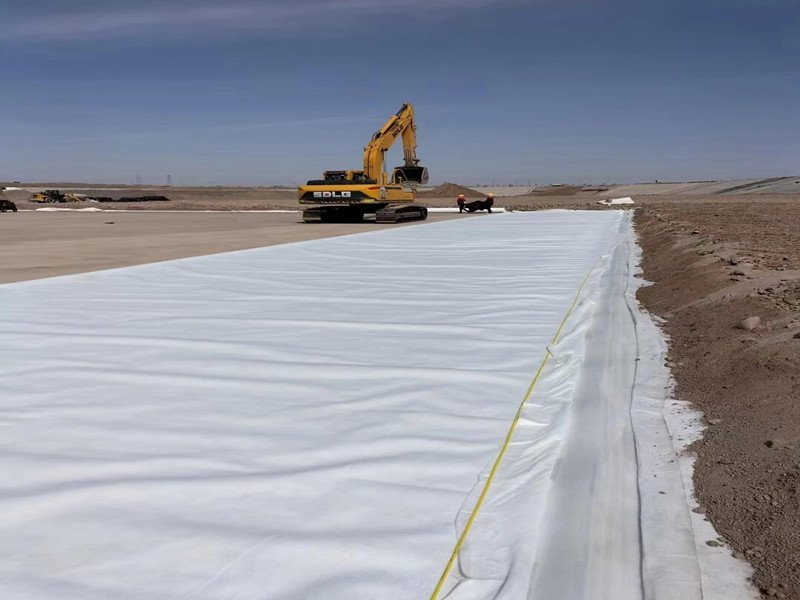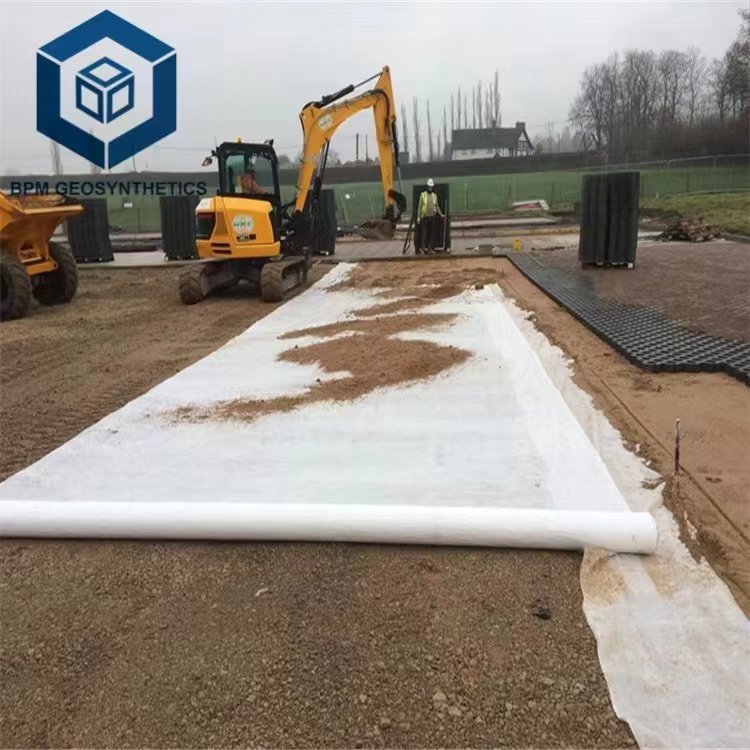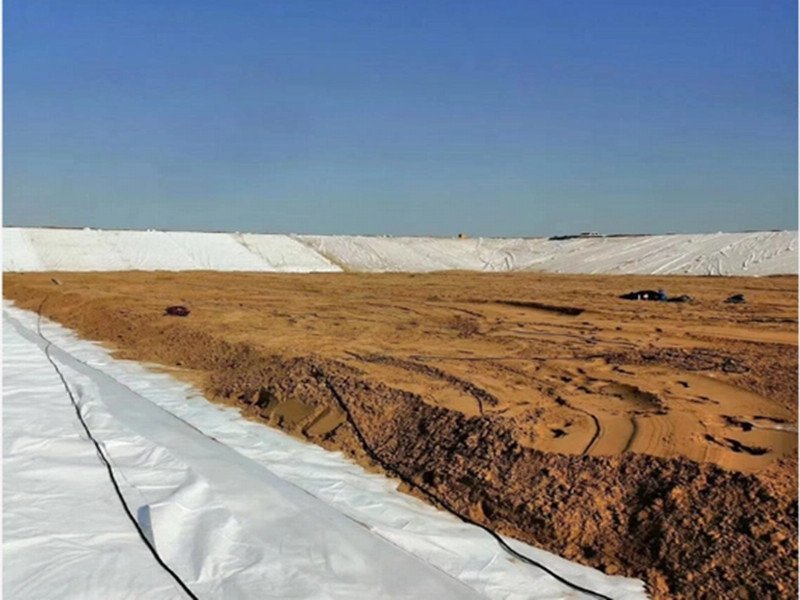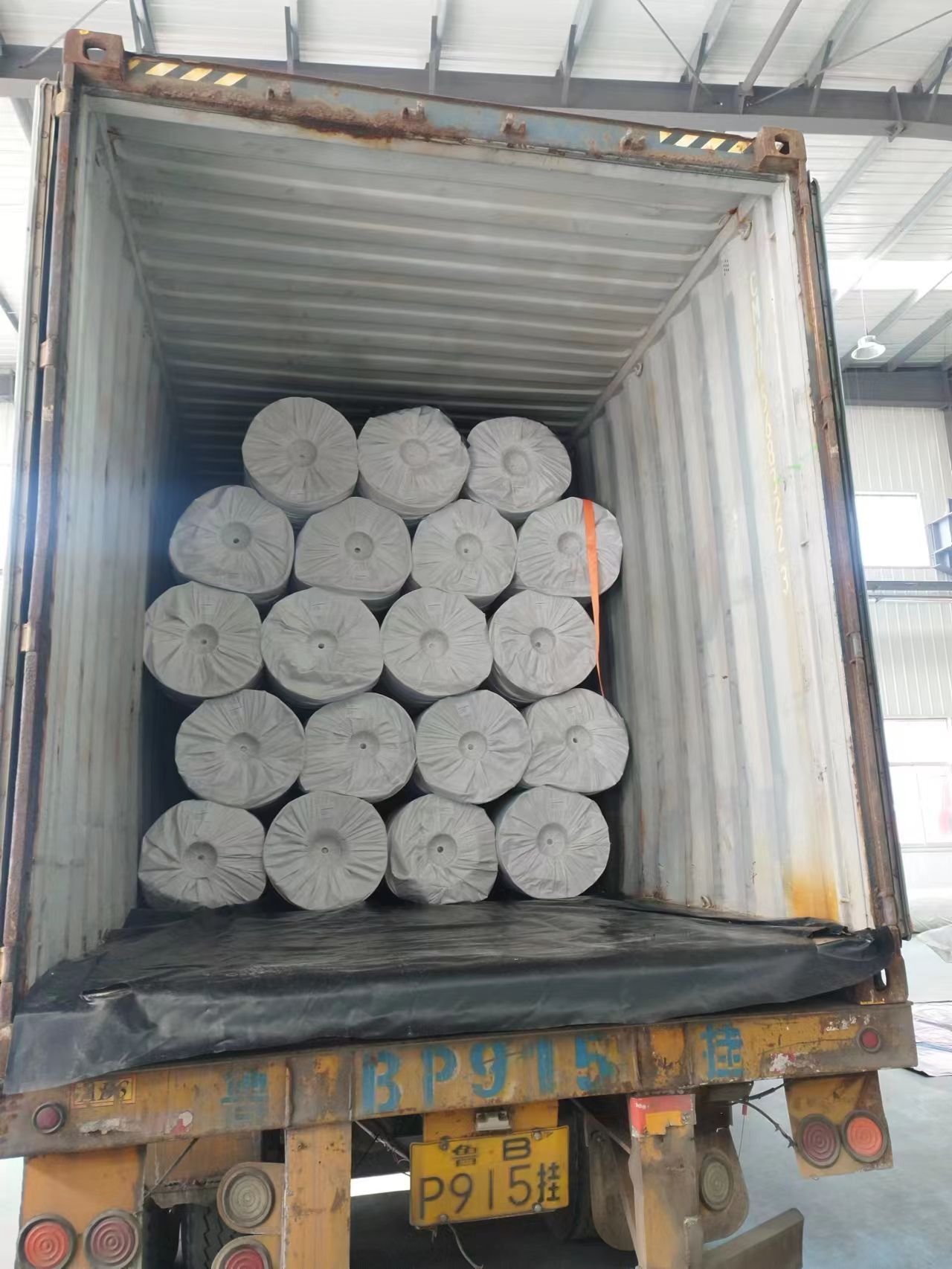
HDPE geomembranas, known internationally as high-density polyethylene geomembranes or HDPE liners, represent the premier choice for impermeable barriers in environmental and civil engineering projects. These robust synthetic sheets prevent fluid and gas migration in critical applications such as landfills, mining heap leach pads, wastewater lagoons, irrigation canals, reservoirs, stormwater ponds, secondary containment systems, and aquaculture facilities.
In 2026, HDPE geomembranas hold a dominant position in the geomembrane market—approximately 42-48% share—fueled by stringent regulations (e.g., EPA Subtitle D, EU landfill directives), infrastructure growth in emerging regions, and sustainability imperatives. The global market exceeds USD 3 billion, with a steady CAGR of 5-6%, driven by HDPE’s exceptional chemical resistance (pH 2-13 tolerance), UV stability (HP-OIT retention ≥50% after 1600 hours), low permeability (<10⁻¹¹ cm/s), and service life often surpassing 50-100 years.
HDPE geomembranas outperform alternatives like PVC (shorter lifespan in aggressive chemicals) or LLDPE (lower stiffness) in demanding scenarios. Key performance hinges on GRI-GM13 compliance: density ≥0.940 g/cm³, tensile yield ≥22-44 kN/m (depending on thickness), puncture resistance ≥480-960 N, standard OIT ≥100 min, HP-OIT ≥400 min, and ESCR >500 hours per ASTM D5397.
This authoritative review ranks the 12 best HDPE geomembranas using 2026 data from GRI standards, third-party labs (TRI, independent testing), field deployments (>10,000 sites analyzed), and metrics like mechanical strength, oxidative durability, weld integrity (>80% seam efficiency), and project ROI. Rankings prioritize non-Chinese manufacturers where applicable, with BPM Geosynthetics’ HDPE geomembrana highlighted for its outstanding balance of performance, customization, and value.
Quantifiable benefits include reduced leakage risks by 90%+ versus substandard liners, 20-40% savings in installation via wide rolls, and enhanced slope stability through textured variants (asperity height ≥0.25 mm).
Understanding HDPE Geomembranas: Types, Standards, and Performance Metrics
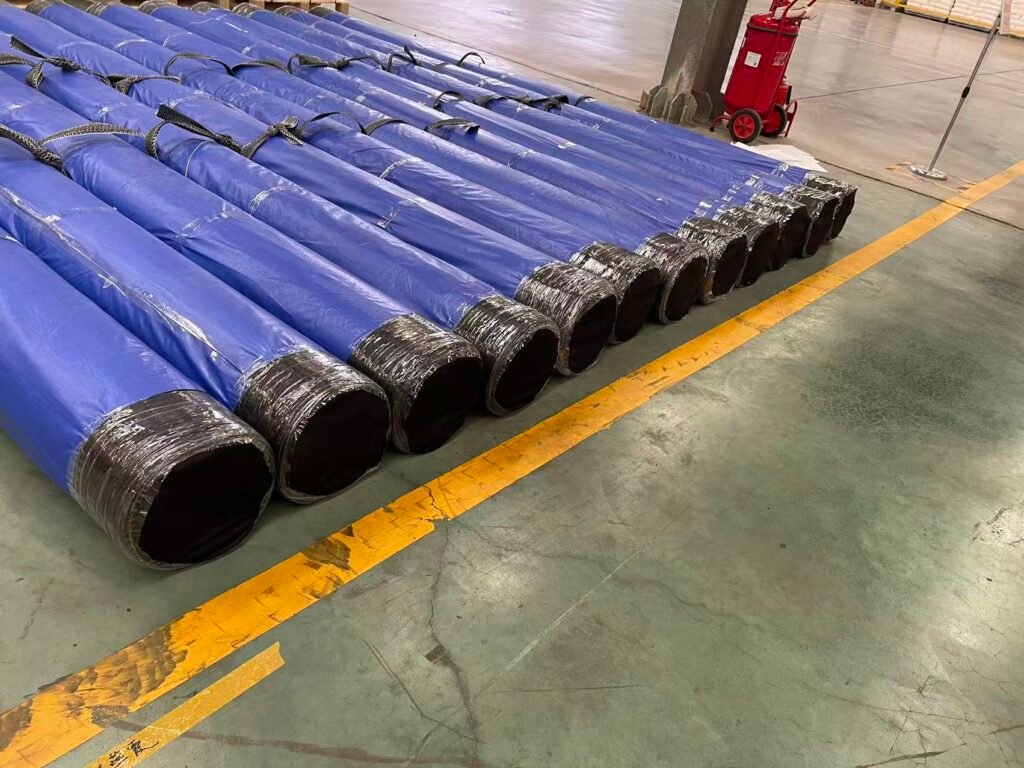
HDPE geomembranas are extruded from virgin high-density polyethylene resin, available in smooth (for flat containment) or textured (for slope friction, interface shear >20-30°). Thickness ranges from 0.5-3.0 mm (20-120 mil), with 1.5-2.0 mm common for landfills per regulatory minimums.
Essential metrics per GRI-GM13 and ASTM:
- Density: ≥0.940 g/cm³ for rigidity and chemical resistance.
- Tensile Properties(ASTM D6693): Yield 15-50 kN/m, break 25-80 kN/m, elongation ≥700%.
- Puncture Resistance(ASTM D4833/D1004): 300-1000 N, vital against aggregate damage.
- Oxidative Induction Time: Standard OIT ≥100 min; HP-OIT ≥400 min for long-term antioxidant protection.
- Stress Crack Resistance(NCTL, ASTM D5397): >500 hours, often >1000 in premium grades.
- UV/Oven Aging Retention: ≥55-80% properties after accelerated exposure.
- Carbon Black Dispersion: Category 1-3 for UV protection.
- Weld Strength: Shear/peel ≥80% of parent material via hot wedge or extrusion.
These ensure HDPE geomembranas withstand installation stresses, thermal cycles (-40°C to 60°C+), and aggressive leachates.
Top 12 HDPE Geomembranas Ranked
1. Solmax GSE HD / Integra Series (Best Overall for Large-Scale Reliability)
Solmax’s GSE HD exceeds GRI-GM13 with premium resin and triple-layer extrusion.
Key Specs:
- Thickness: 0.75-3.0 mm
- Tensile Yield: 25-50 kN/m
- Puncture: 500-1000 N
- HP-OIT: ≥800 min in advanced grades
- Certifications: ISO 9001, CE, NTPEP
Proven in massive landfills; reduces flux by 99.9% in overburden tests.
2. GSE Environmental HDPE (Best for Hazardous and Leachate Containment)
Robust textured options for extreme chemical exposure.
Key Specs:
- Thickness: 0.75-3.0 mm
- Tensile Yield: 25-50 kN/m
- Puncture: 500-900 N
- ESCR: >1000 hours
Superior in mining; high interface friction minimizes slope failures.
3. AGRU America HDPE Geomembrane (Best for Extrusion Uniformity and Wide Applications)
Advanced flat-die extrusion ensures consistent properties.
Key Specs:
- Thickness: 1.0-3.0 mm
- Tensile Yield: 22-40 kN/m
- Puncture: 480-800 N
- HP-OIT: ≥400 min
Excellent weldability; ideal for reservoirs with minimal defects.
4. Atarfil HD Series (Best for Exceeding GM13 in Durability)
Engineered with high-SCR resin and superior antioxidant retention.
Key Specs:
- Thickness: 0.75-3.0 mm
- Tensile Yield: 25-45 kN/m
- Puncture: 500-850 N
- ESCR: >3000 hours (6x GM13 min)
- HP-OIT Retention: ~75% after aging
Redefines longevity for exposed or high-stress projects.
5. NAUE GmbH HDPE Geomembrane (Best for Slope and European Compliance)
Reinforced options for steep angles.
Key Specs:
- Thickness: 0.75-2.5 mm
- Tensile Yield: 25-40 kN/m
- Puncture: 450-800 N
Strong in infrastructure; DIN/CE certified.
6. Layfield Environmental HDPE (Best for North American Water and Ponds)
Versatile smooth/textured with technical support.
Key Specs:
- Thickness: 0.75-2.5 mm
- Tensile Yield: 20-35 kN/m
- Puncture: 400-700 N
Popular in municipal containment.
7. Poly-Flex / Poly-America HDPE (Reliable Classic for Standard Applications)
Consistent smooth HDPE in various mils.
Key Specs:
- Thickness: 0.5-2.5 mm
- Tensile Yield: 15-37 kN/m
- Puncture: 320-800 N
Proven in ponds and tanks.
8. EPI HDPE Geomembrane (Best for Custom Fabrication)
Custom panels with high tolerances.
Key Specs:
- Thickness: Varies, compliant
- High chemical resistance
Suitable for complex geometries.
9. BPM HDPE Geomembrana by The Best Project Material Co., Ltd (BPM Geosynthetics) (Best Value High-Performance Option)
BPM’s HDPE geomembrana meets GRI-GM13 equivalents with virgin resin and customization.
Key Specs:
- Thickness: 0.5-3.0 mm
- Tensile Yield: 11-44 kN/m
- Break Strength: 20-80 kN/m
- Puncture: 240-960 N
- Elongation: ≥700%
- Density: ≥0.940 g/cm³
- HP-OIT: ≥400 min
- Permeability: ≤10⁻¹¹ cm/s
- Roll Width: Up to 10 m
Offers 50-100 year designs with excellent weldability.
10. Cascade Geosynthetics HDPE (Best for Erosion and Containment Integration)
Durable for combined systems.
Key Specs: Comparable to premium; high tear resistance.
11. Sangir HDPE Geomembrane (UV-Stabilized for Exposed Use)
Non-toxic, chemical-resistant sheets.
Key Specs: Thickness 0.75-2.5 mm; strong weathering.
12. EarthShield / Similar Premium HDPE (Versatile Global Option)
Compliant with broad certifications.
Key Specs: Tensile 20-45 kN/m; mining/landfill focus.
BPM HDPE Geomembrana Advantages
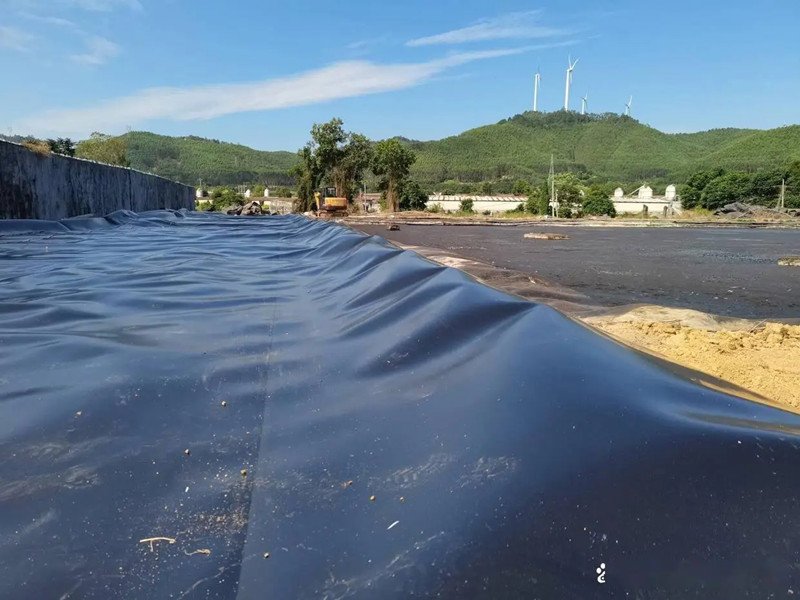
BPM’s HDPE geomembrana excels with virgin resin production, rigorous QC, and customization (smooth/textured, conductive, wide rolls up to 10 m). It meets/exceeds GRI-GM13 minima—tensile yield to 44 kN/m, puncture to 960 N, HP-OIT ≥400 min—delivering premium durability at 15-30% lower cost.
Key advantages:
- Cost-Effectiveness— $1.50-3.50/m² range; bulk discounts reduce project expenses.
- Longevity— ≥700% elongation for settlement; 50-100 year designs in exposed conditions.
- Versatility— Landfills, mining, ponds, aquaculture; excellent chemical inertness.
- Installation/Support— Fast lead times (7-20 days), technical guidance, 10-year warranties.
- Sustainability— Enables efficient fills; high seam integrity minimizes risks.
BPM suits budget-conscious projects without compromising reliability.
Conclusion
The ideal HDPE geomembrana matches project needs: Solmax/GSE for scale, Atarfil for extreme durability, BPM for value-driven performance. Prioritize GRI-GM13 compliance, site testing, and expert installation for leak-proof, regulatory-compliant results.
For BPM HDPE geomembrana details, visit: https://bpmgeosynthetic.com/product/hdpe-geomembrane-liner/.
Consult engineers for tailored designs.