This article will briefly discuss What ls Geotextile 180g m2 And lts Applications.
1. Geotextile 180g m2 Definition
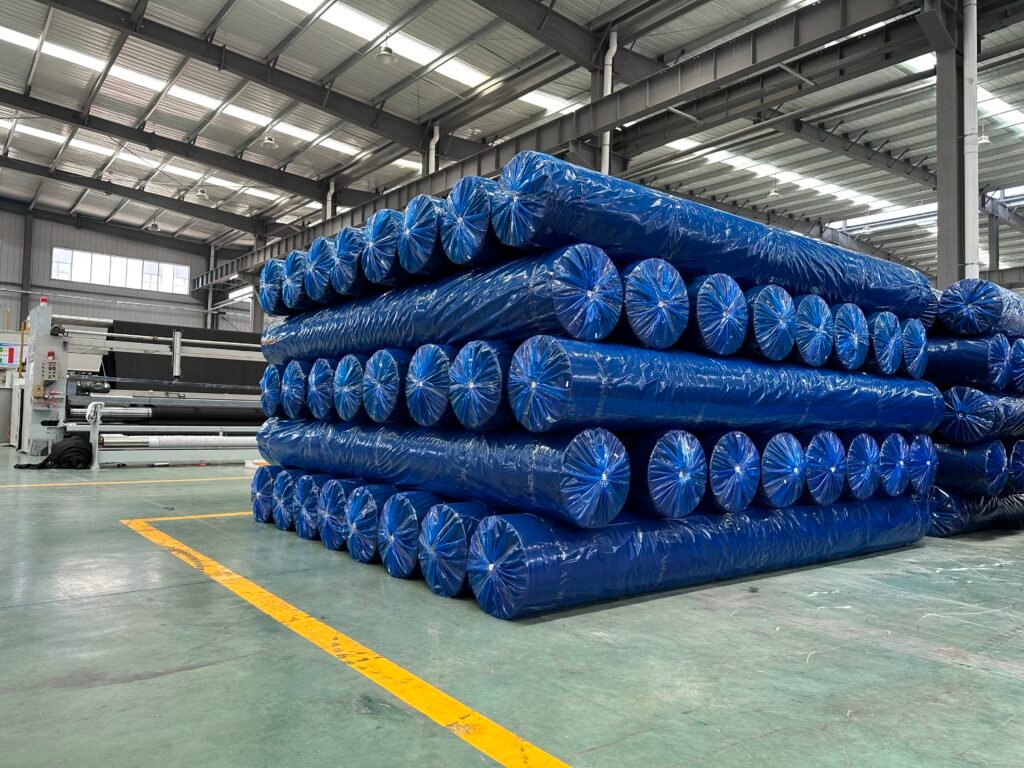
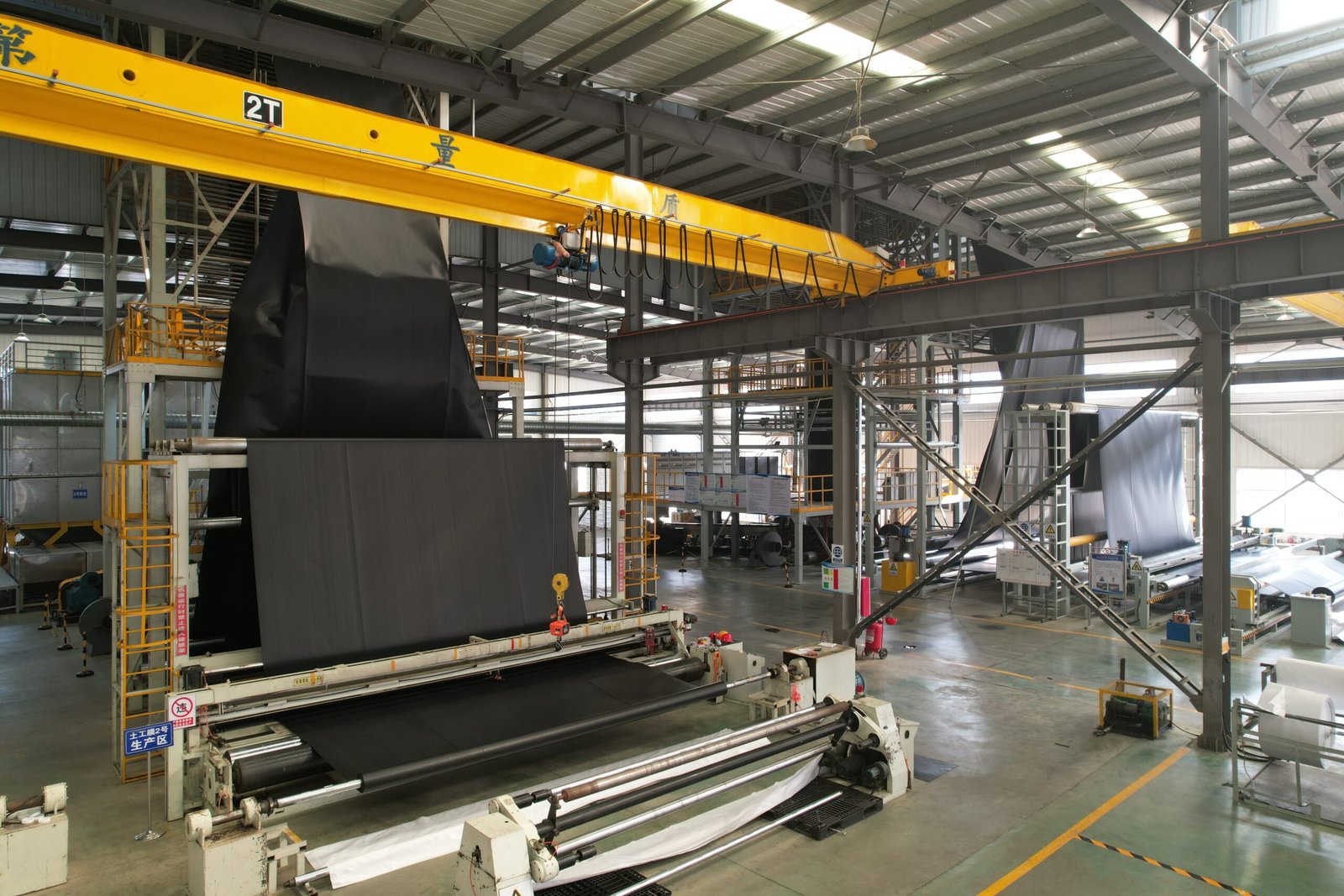
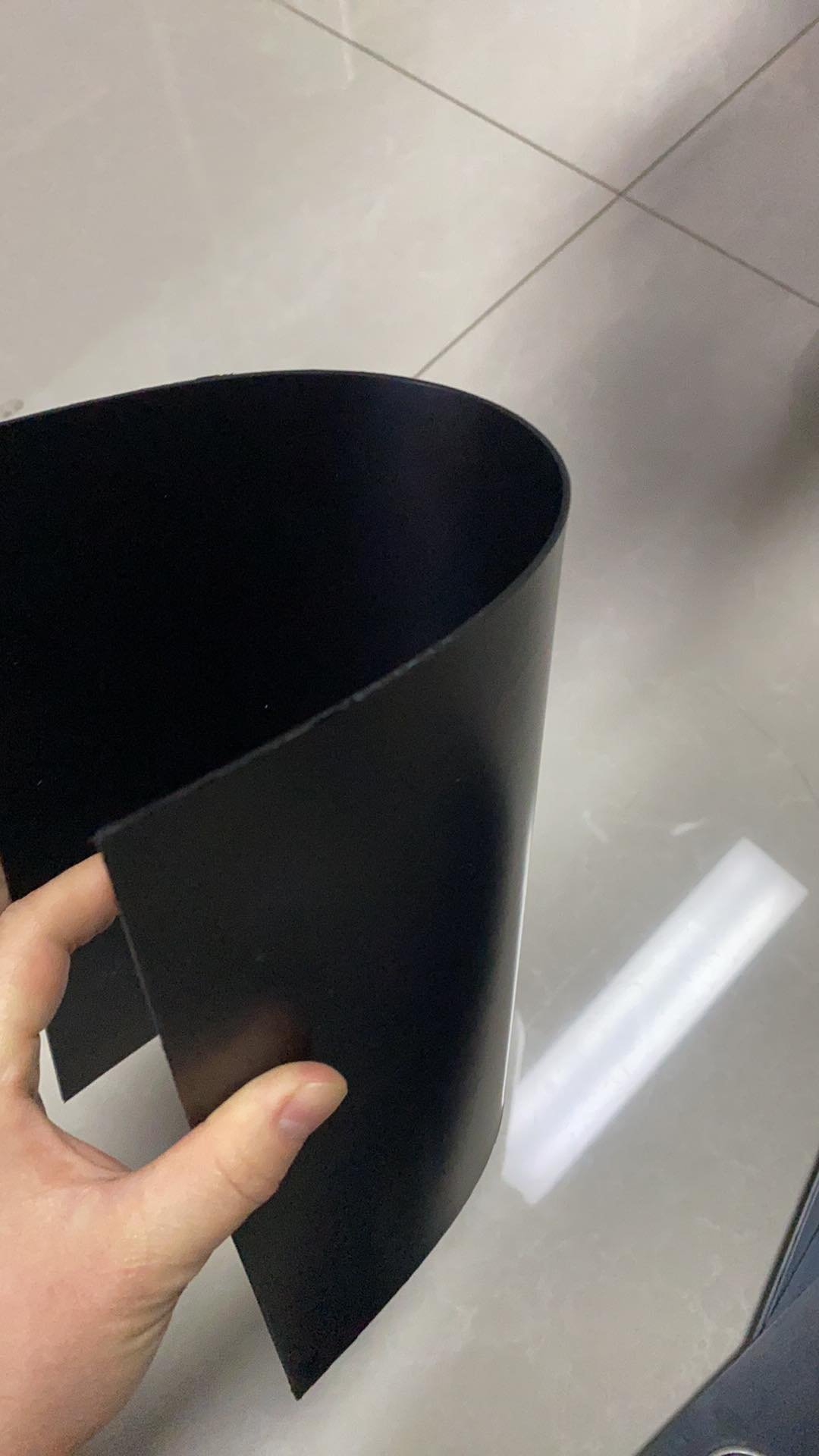
Geotextile Fabric is often made from polypropylene or polyester fibers processed by woven, needle-punched or heat-bonded methods. Short fiber needle punched geotextile fabric is made from 100% virgin staple polypropylene fibers that are tangled and interlocked with each other by needle-punching process. It is the kind of non woven geotextile fabric which is robust, durable, permeable and resist to deformation.

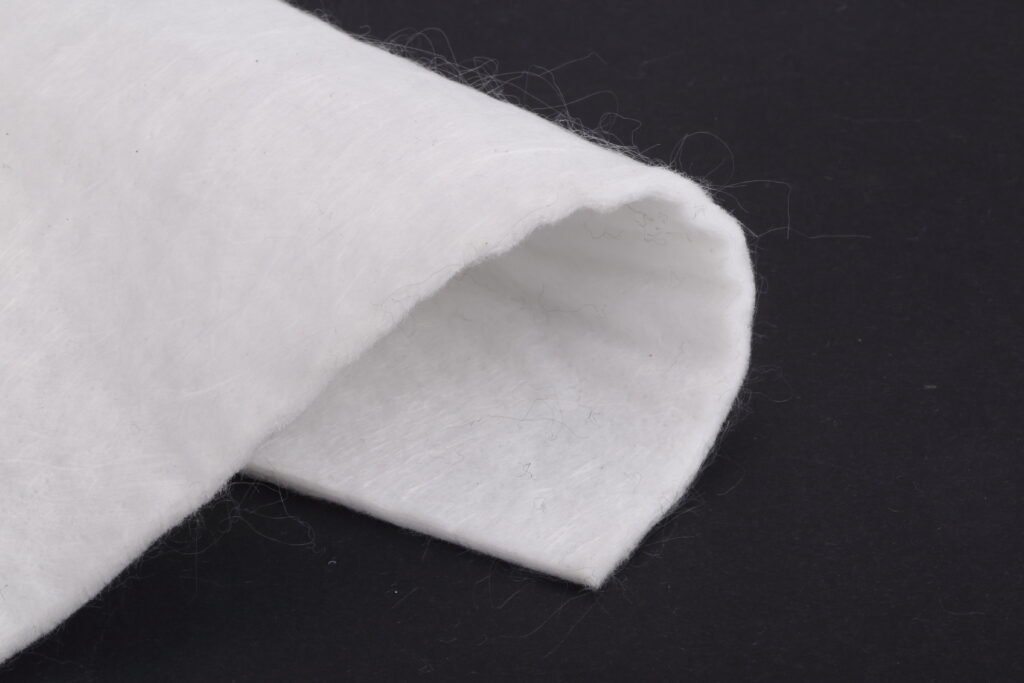
2. Specifications of Geotextile 180g m2
Width:1m-6m
Color:White,Black,Blue,Green
Material:PET PP
2.1 Specifications of Staple Fiber Needled Punched Geotextile Fabric
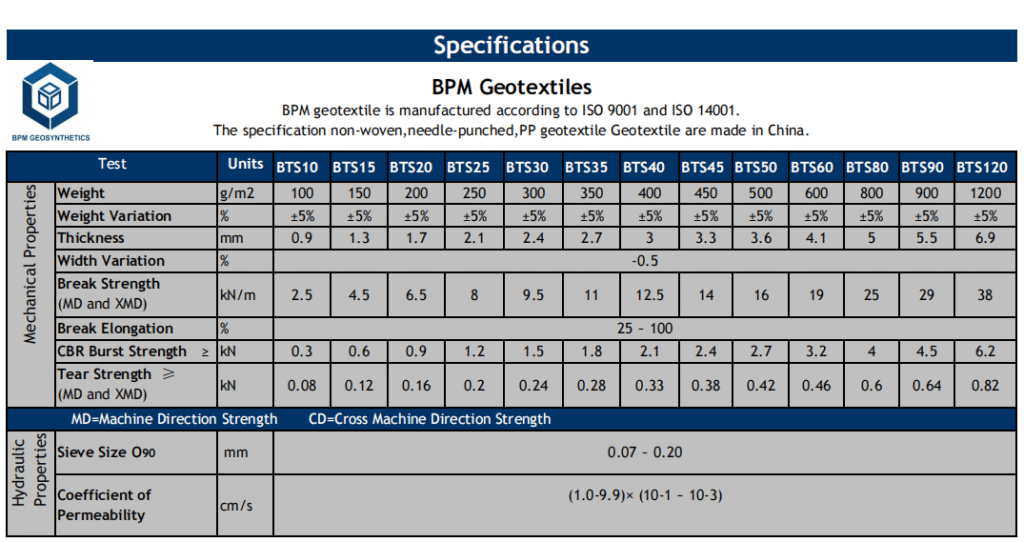
2.2 Specifications of Filament Needled Punched Geotextile Fabric

3. Geotextile 180g m2Applications
3.1 BPM Staple Fiber Needle Punched Geotextile are widely used in various applications, including:
- Reinforcement in retaining wall backfill.
- Strengthen the weak road and fix the cracks on the road.
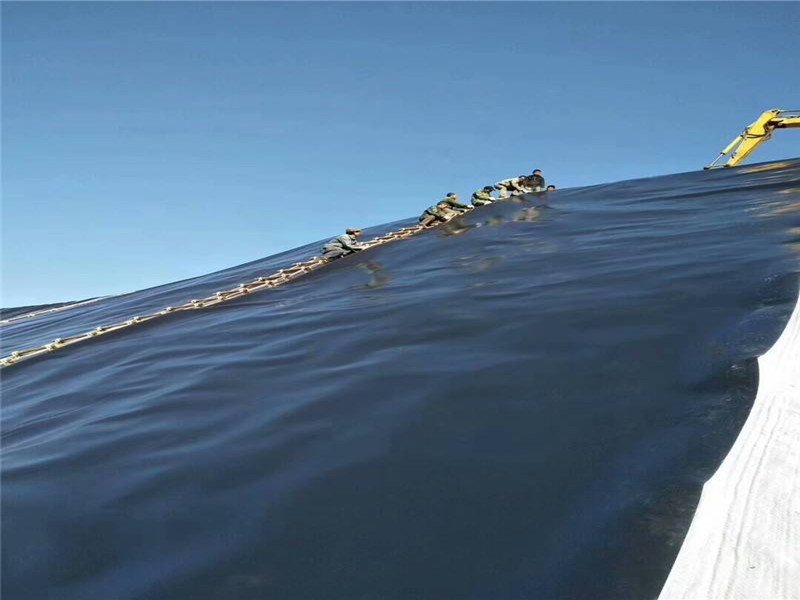
- Improve the stability of slope and reinforcement soil, avoid water and soil loss and soil frozen injure.
- Isolation layer of artificial backfill soil stone with foundation and different tundra.
- Filtration layer of drainage pipe or gravel sub-drain. F. Vertical or horizontal drainage; Bury in soil to release air pressure.
- Reinforce the weak foundation of engineering of road, railway, embankment, airport.
3.2 BPM Filament Needled Punched Geotextile Fabric are widely used in various applications, including:
Separation. To separate building materials with different physical properties such as soil and sand, sand and gravel, soil and concrete, etc. Keep the two or more materials from losing or mixing, and maintain the overall structure and function of the material, such as the effective isolation between the roadbed and the foundation, the foundation and the embankment, the geomembrane and the sand draining layer.
Soft foundation reinforcement. To enhance the tensile strength and anti deformation ability of soil can enhance the stability of building structures such as trash impurities, base soil or stone layer, airport railway, playground, runway, landfill and so on, so as to improve the quality of soil.
Filter. When the water flows into the coarse soil layer from the fine soil layer, the geotextile can make the water flow through the good permeability and permeability of geotextiles, and effectively interception the soil particles, fine sand and small stones, so as to keep the stability of the soil and water engineering.
Drainage. Installed in the geomembrane, the playground or the railway track bed.
Protection. Effectively diffuse, transfer or decompose the stress of civil engineering so as to prevent soil from being damaged by external force.
4. Does Non woven Geotextile FabricReally Work?
4.1 Application Area
- Improve the slope stability and soil reinforcement.
- Retaining and reinforcement wall backfill.
- Strengthen weak road and fix the cracks on the road.
- Isolation layer of artificial backfill soil stone foundation and different tundra.
- Filtration layer of drainage pipe or gravel.
- Vertical or horizontal drainage;
- Bury in soil to release air pressure.
- Reinforce the weak foundation of road, railway, embankment and airport, etc.
4.2 Construction methods
- Preparation: Before installing geotextile, prepare necessary tools and materials such as geotextile rolls, hoes, shovels, bentonite, nails, etc.
- Surface cleaning: Clean the surface of the construction area to ensure a smooth surface, and remove any debris and excess vegetation.
- Layout and measurement: Determine the laying range and position of geotextile according to engineering needs. Use measuring tools to measure the length and width of the laying area.
- Laying geotextile: Slowly unfold the geotextile onto the laying area and ensure that it is in close contact with the ground. Avoid excessive stretching or damaging the geotextile.
- Fixing geotextile: Use nails or other suitable fixtures to fix the geotextile to the ground. Ensure that the connection between the fixed object and the geotextile is firm and reliable to prevent movement and looseness.
- Drainage management: Install drainage facilities (such as drainage channels or pipes) at the installation site as needed to ensure the smooth flow of water under the geotextile.
- Regular inspection: Regularly check the condition of the geotextile to ensure its normal operation. If necessary, repair or replace the damaged parts.
5. Summary
Based on this article’s words, you could know What ls Geotextile 180g m2 And lts Applications. The quality is basic and the service is the safeguard.
So when buying the Right Geotextile 180g m2, hope this article can help you well to do the Right Geotextile 180g m2 for sale. If you have any related projects or Right Geotextile 180g m2, do not hesitate to ask a price here. Thanks for reading.