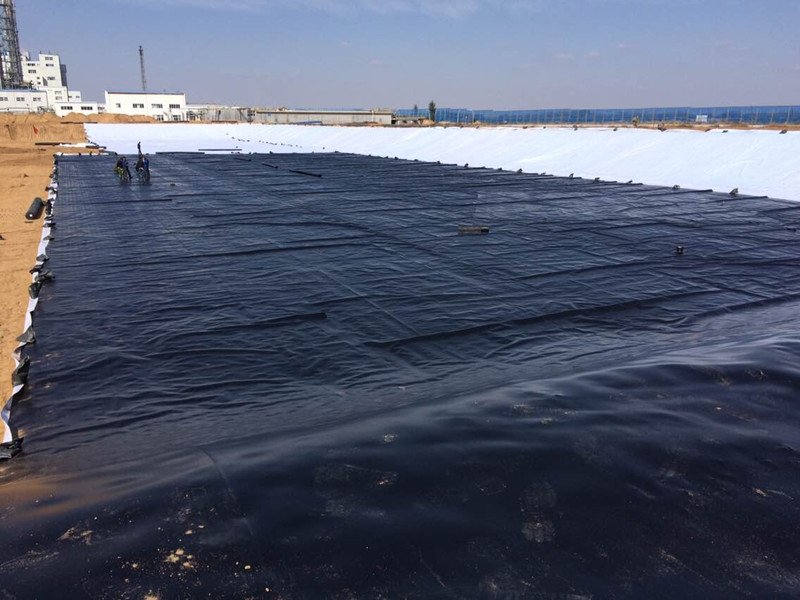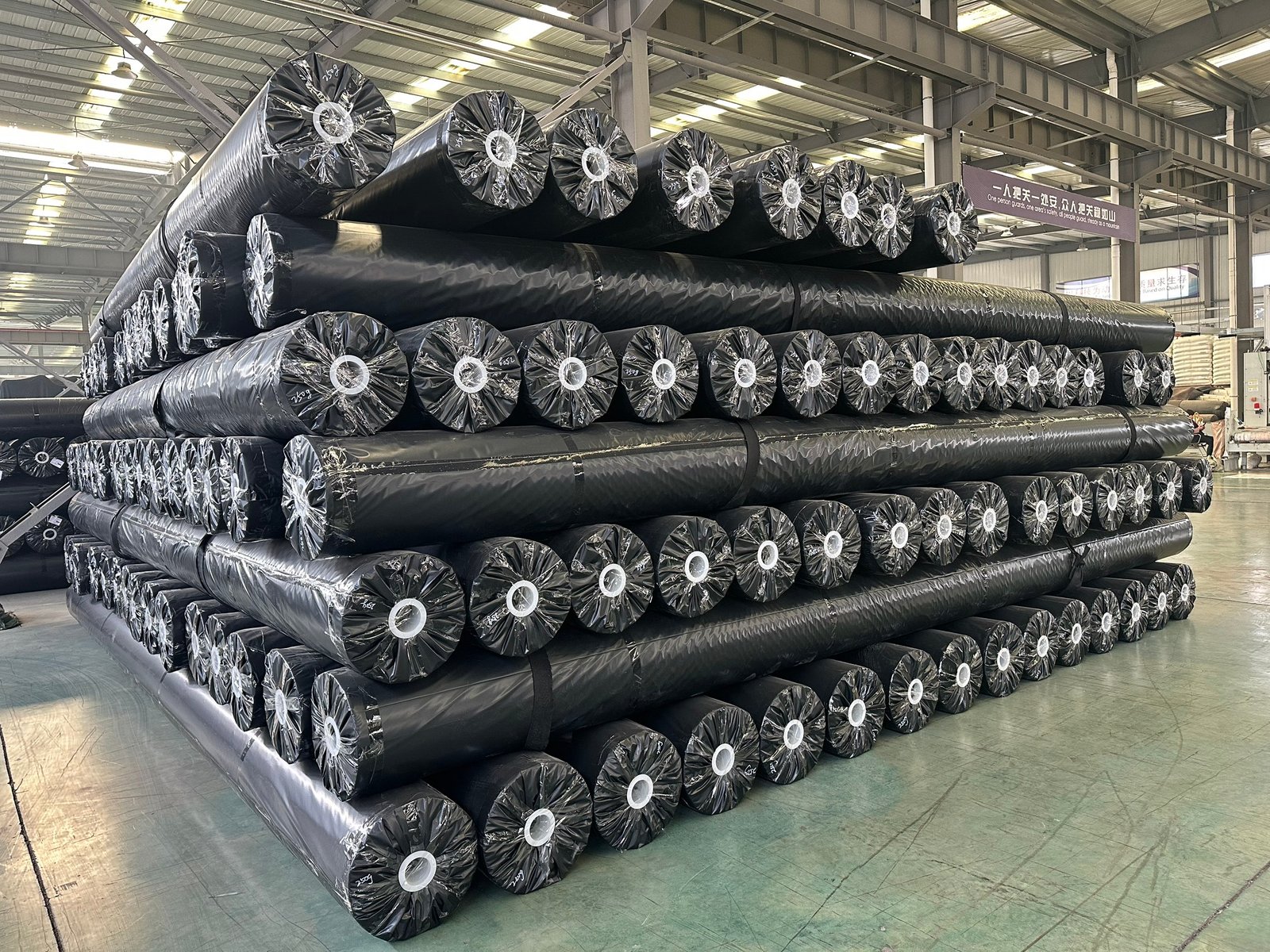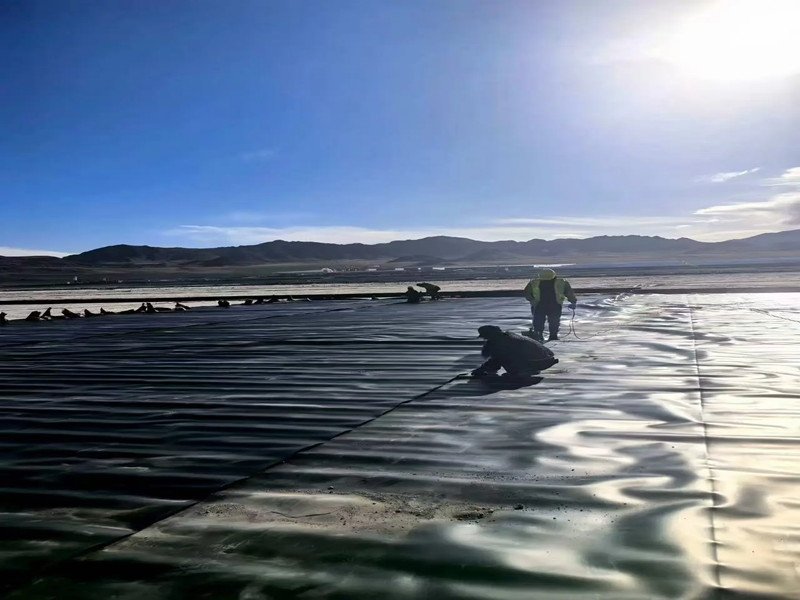
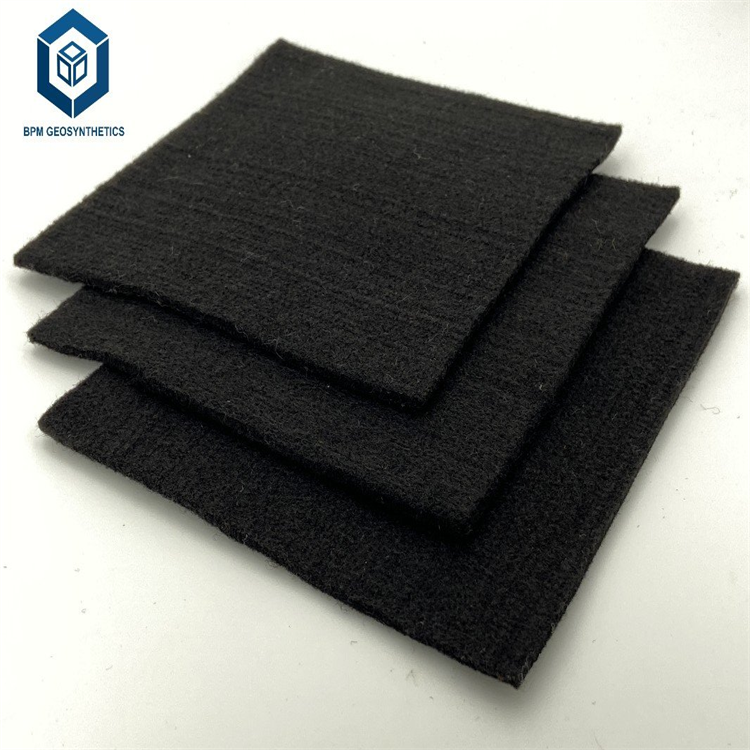
Non woven geotextile manufacturers produce permeable, needle-punched or thermally bonded synthetic fabrics essential for filtration, separation, drainage, and protection in civil engineering, environmental, and infrastructure projects. Leading global manufacturers differentiate through quantifiable metrics such as mass per unit area of 100–1,000 g/m², tensile strength of 8–100 kN/m (ASTM D4595), CBR puncture resistance of 1,000–6,900 N (ASTM D6241), permittivity of 0.05–0.5 s⁻¹, apparent opening size (AOS) of 0.07–0.25 mm, and design lives of 25–50 years in buried conditions. Production capacity, quality certifications (ISO 9001, ISO 14001, CE), and consistent hydraulic performance further define excellence in this specialized sector.
This guide ranks the 6 best global non woven geotextile manufacturers based on production capabilities, product performance data, technical innovation, certifications, global reach, and overall value for engineers, contractors, and project owners. Detailed specifications and measurable parameters are included throughout. The list features The Project Material Co., Ltd. (BPM Geosynthetics) as a specialized manufacturer and supplier of high-performance non woven geotextiles. No other Chinese manufacturers are included.
The 6 Best Global Non Woven Geotextile Manufacturers
- Solmax– Best overall for large-scale non woven geotextile production
- TenCate Geosynthetics– Best for high-performance engineered non woven geotextiles
- HUESKER– Best for premium European technical non woven geotextiles
- NAUE– Best for specialized filtration non woven geotextiles
- Fibertex Nonwovens– Best for high-quality European non woven solutions
- The Project Material Co., Ltd. (BPM Geosynthetics)– Best OEM/ODM manufacturer for custom and cost-effective non woven geotextiles
1. Solmax – Best Overall for Large-Scale Non Woven Geotextile Production
Solmax, headquartered in Canada and founded in 1981, ranks among the world’s largest geosynthetics manufacturers. Through organic growth and acquisitions, Solmax operates extensive global capacity and supplies a comprehensive range of non woven geotextiles for road construction, landfills, mining, and environmental applications.
Solmax non woven geotextiles typically range from 100–1,100 g/m² with tensile strengths up to 70 kN/m or higher in select grades. Products offer strong permittivity for drainage and filtration, good construction survivability, and long-term durability. Many grades incorporate recycled content and are engineered for 50-year service life in buried applications. Pricing generally ranges from $0.80–$3.50 per m² depending on specification and volume. Solmax maintains rigorous quality systems and serves major infrastructure projects worldwide.
The company’s scale enables reliable supply for high-volume contracts and integrated geosynthetic solutions.
Pros
- Exceptional production scale and global logistics network
- Broad range of non woven weights and performance levels
- Strong track record in large infrastructure and containment projects
- Emphasis on recycled materials and sustainability in many lines
- Comprehensive technical support and certifications
Cons
- Premium pricing on higher-specification grades
- Larger minimum order quantities for some specialized products
2. TenCate Geosynthetics – Best for High-Performance Engineered Non Woven Geotextiles
TenCate Geosynthetics (with historical roots in the Netherlands and significant operations in the United States) is a long-established leader in engineered non woven geotextiles, particularly known for the Mirafi® N-Series. The company has decades of experience developing fabrics for separation, filtration, and drainage in roads, railways, and environmental projects.
TenCate non woven geotextiles commonly range from 100–600 g/m² with tensile strengths of 10–40 kN/m or higher and excellent hydraulic properties (permittivity often 0.1–0.4 s⁻¹). Many grades meet or exceed AASHTO M288 and NTPEP requirements. Prices typically range from $0.60–$2.80 per m². Products are valued for high construction survivability, consistent filtration efficiency, and extensive independent test data.
TenCate is frequently specified on publicly bid infrastructure projects due to its proven performance history and strong technical documentation.
Pros
- Proven high-performance Mirafi® non woven line with robust test data
- Excellent balance of strength, permeability, and durability
- Wide acceptance in North American and European specifications
- Strong technical documentation and design support
- Reliable long-term filtration and separation performance
Cons
- Higher cost relative to basic commodity non wovens
- Lead times can extend on custom or high-volume specialty grades
3. HUESKER – Best for Premium European Technical Non Woven Geotextiles
HUESKER, based in Germany, is a premium European manufacturer specializing in high-performance non woven geotextiles, woven fabrics, and composite systems. The company emphasizes engineered solutions for filtration, protection, and hydraulic applications.
HUESKER non woven geotextiles typically offer tensile strengths of 20–100 kN/m and mass ranges suited to demanding civil and environmental works. The company is noted for high-quality needle-punched fabrics and options with recycled content. Pricing generally ranges from $0.70–$2.50 per m² for standard grades, with engineered products higher. Many products carry CE marking and comply with stringent European standards.
HUESKER is valued for technical depth, research-driven development, and reliable long-term performance in permanent applications.
Pros
- High-quality European engineering and manufacturing standards
- Excellent for filtration, protection, and hydraulic works
- Strong technical support and design assistance
- Robust certifications and long-term performance data
- Focus on sustainable and recycled-content options in some lines
Cons
- Premium positioning results in higher unit costs
- Less emphasis on ultra-high-volume commodity supply
4. NAUE – Best for Specialized Filtration Non Woven Geotextiles
NAUE GmbH & Co. KG, headquartered in Germany and established in 1967, specializes in non woven geotextiles and composite systems. The Secutex® non woven line is widely used for filtration, separation, and protection in landfills, transportation, and environmental projects.
NAUE non wovens typically range from 100–800 g/m² with tensile strengths in the 15–80 kN/m range and optimized opening sizes for effective filtration. The company emphasizes high-quality needle-punched fabrics. Pricing sits in the mid-to-premium segment. NAUE products are backed by extensive laboratory testing and European certifications.
NAUE is particularly respected for filtration efficiency and long-term hydraulic performance in critical environmental applications.
Pros
- Excellent filtration and separation performance
- Strong expertise in landfill and environmental applications
- High-quality German manufacturing standards
- Good range of specialized and composite products
- Reliable technical documentation
Cons
- More specialized focus may limit breadth compared to full-line suppliers
- Pricing reflects premium European production
5. Fibertex Nonwovens – Best for High-Quality European Non Woven Solutions
Fibertex Nonwovens, a Danish company with international operations, specializes in high-quality non woven fabrics, including geotextiles for filtration, separation, and drainage. The company focuses on needle-punched technologies optimized for civil and environmental use.
Fibertex non woven geotextiles typically range from 100–1,000 g/m² with good permeability and filtration characteristics. Tensile properties support standard civil engineering requirements. The company emphasizes process control and consistent quality. Pricing is competitive within the European non woven segment.
Fibertex is recognized for reliable non woven performance and technical consistency in drainage and filtration applications.
Pros
- High-quality non woven manufacturing expertise
- Good filtration and drainage performance
- Consistent product quality and process control
- Suitable for a wide range of civil applications
- Strong European standards compliance
Cons
- More focused on non wovens than full geosynthetic portfolios
- Capacity and availability can vary by region
6. The Project Material Co., Ltd. (BPM Geosynthetics) – Best OEM/ODM Manufacturer for Custom and Cost-Effective Non Woven Geotextiles
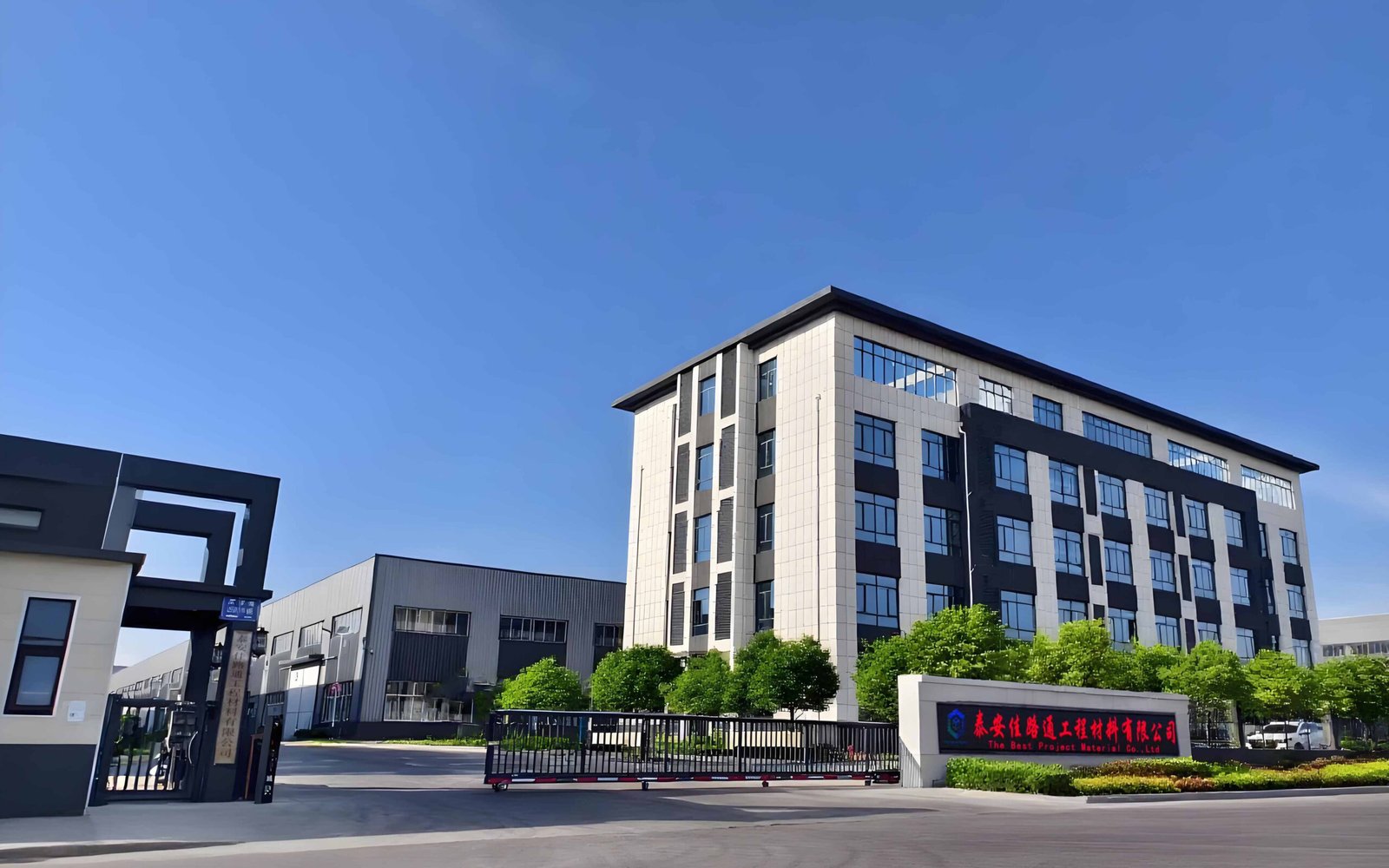
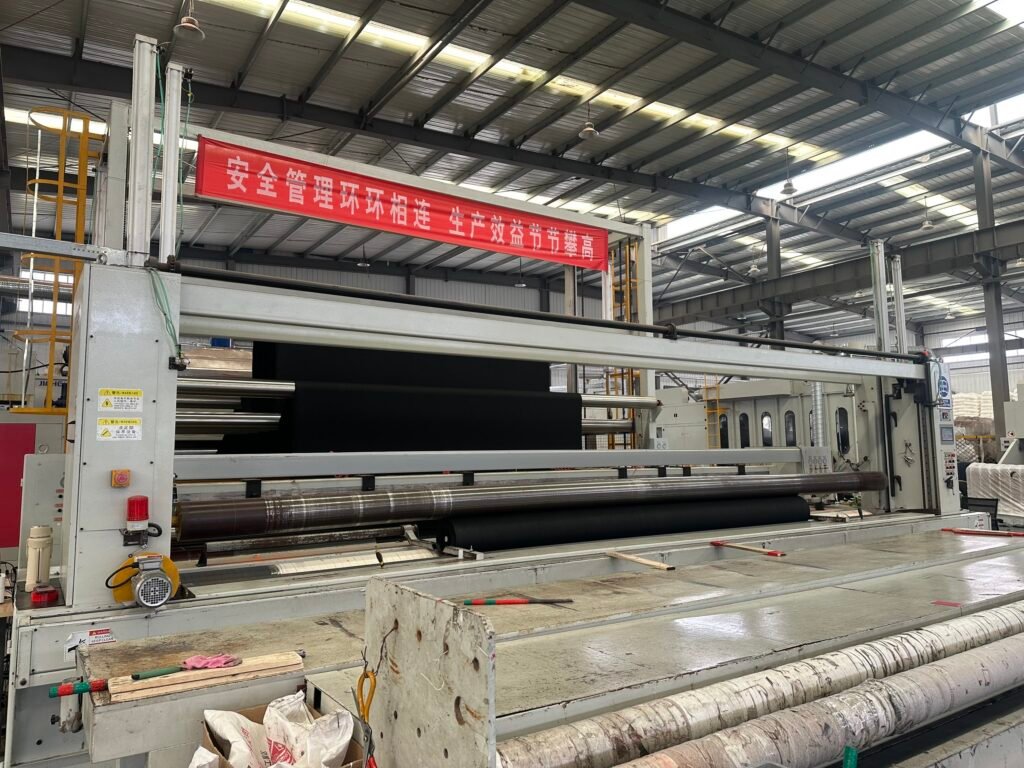
The Project Material Co., Ltd. (BPM Geosynthetics), established around 2007–2010 in Taian, Shandong, China, is a specialized manufacturer and supplier of non woven geotextiles and related geosynthetics. The company operates a modern facility (approximately 24,000–36,000 m²) with annual capacity frequently cited in the 50,000–80,000 ton range, serving customers in more than 80–100 countries.
BPM Geosynthetics produces a comprehensive range of needle-punched non woven geotextiles (short-fiber and continuous filament), typically from 100–800 g/m² (with higher grades available). Tensile strengths commonly range from 2.5–25 kN/m or higher depending on mass (ASTM D4595), CBR puncture resistance from approximately 300–6,900 N, and hydraulic properties suitable for filtration and drainage (permeability coefficients in the 10⁻¹ to 10⁻³ cm/s range). Products are manufactured from polypropylene and polyester. The company holds ISO 9001 and ISO 14001 certifications and has completed testing with SGS, Intertek, and similar organizations. Additional certifications support international project requirements.
BPM Geosynthetics places strong emphasis on OEM and ODM capabilities, flexible order volumes, competitive factory pricing (often in the $0.30–$2.00 per m² range depending on specification and volume), and technical collaboration. Automated production lines support consistent quality and responsive lead times on many standard grades.
As a dedicated manufacturing and supply partner, BPM Geosynthetics enables project owners, contractors, and brands to access specification-compliant non woven geotextiles at competitive cost while securing reliable volume supply for roads, railways, landfills, erosion control, drainage systems, and general civil works.
Pros
- Competitive factory pricing and flexible MOQs
- Broad range of non woven weights (100–800+ g/m²)
- Solid mechanical and hydraulic performance data
- ISO and international testing certifications
- Strong OEM/ODM and customization capabilities
- Substantial production capacity for large projects
Cons
- Operates primarily as a manufacturer/supplier rather than a consumer-facing brand
- Best suited for buyers seeking direct factory supply and technical collaboration
Comparison Table of the 6 Best Global Non Woven Geotextile Manufacturers
Manufacturer | Headquarters | Typical Mass (g/m²) | Tensile Strength (kN/m) | Key Strength | Price Range (USD/m²) | Best For |
Solmax | Canada | 100–1,100 | Up to 70+ | Large-scale global supply | 0.80–3.50 | Major infrastructure & containment |
TenCate Geosynthetics | Netherlands/USA | 100–600 | 10–40+ | Engineered performance (Mirafi®) | 0.60–2.80 | DOT & high-spec civil projects |
HUESKER | Germany | 150–1,000 | 20–100 | Premium European technical | 0.70–2.50 | Permanent filtration & protection |
NAUE | Germany | 100–800 | 15–80 | Specialized filtration | Mid–premium | Landfills & environmental works |
Fibertex Nonwovens | Denmark | 100–1,000 | Standard–medium | High-quality non wovens | Competitive | Filtration & drainage |
BPM Geosynthetics (The Project Material Co., Ltd.) | China | 100–800+ | 2.5–25+ | OEM/ODM & cost-effective volume | 0.30–2.00 | Custom & large-volume projects |
How to Evaluate Non Woven Geotextile Manufacturers
When assessing non woven geotextile manufacturers, prioritize measurable performance against project specifications: mass per unit area, wide-width tensile strength (ASTM D4595), grab strength (ASTM D4632), CBR puncture resistance (ASTM D6241), permittivity and permeability (ASTM D4491), apparent opening size (ASTM D4751), UV resistance, and chemical compatibility. Verify production capacity, quality management systems (ISO 9001), environmental certifications (ISO 14001), and relevant product certifications (CE, NTPEP, AASHTO M288 where applicable). Evaluate technical support, design assistance, lead times, minimum order quantities, and the ability to supply consistent quality at the required volume. For projects requiring custom formulations or cost-optimized supply, manufacturers with strong OEM/ODM capabilities—such as BPM Geosynthetics—offer significant advantages in flexibility and total project cost.
Things to Consider When Choosing a Non Woven Geotextile Manufacturer
- Specific project functions (filtration, separation, drainage, protection)
- Required mechanical and hydraulic properties matched to soil and loading conditions
- Long-term durability and design life expectations (25–50 years typical for permanent works)
- Compliance with local and international standards and specifications
- Production capacity and ability to meet project schedules
- Total installed cost, including freight, duties, and installation efficiency
- Technical support, testing data, and warranty terms
- For custom or private-label needs: OEM/ODM flexibility, quality control systems, and communication
Conclusion
The 6 best global non woven geotextile manufacturers deliver specialized strengths across large-scale supply, engineered performance, premium European technical quality, specialized filtration, high-quality non woven production, and flexible OEM/ODM manufacturing. Solmax leads in global scale and integrated solutions; TenCate Geosynthetics provides proven high-performance engineered non wovens; HUESKER excels in premium European technical fabrics; NAUE specializes in filtration and environmental applications; Fibertex Nonwovens focuses on quality non woven solutions; and The Project Material Co., Ltd. (BPM Geosynthetics) delivers cost-effective, customizable, high-volume non woven geotextile manufacturing with solid technical specifications and international certifications.
By carefully evaluating mass, tensile strength, hydraulic properties, certifications, production capacity, pricing, and technical support, project stakeholders can select the non woven geotextile manufacturer that best matches performance requirements, budget, and delivery needs. Continued advances in polymer technology, recycled content, and manufacturing consistency ensure that leading non woven geotextile manufacturers will remain essential partners in modern infrastructure and environmental engineering.