HDPE dam liners are high-density polyethylene geomembranes engineered for superior impermeability, chemical resistance, and durability in water storage, irrigation reservoirs, tailings dams, and aquaculture applications. These liners provide the essential impermeable barrier that prevents seepage while withstanding UV exposure, mechanical stress, and environmental extremes.
In large-scale dam and reservoir projects, HDPE liners dominate due to their low permeability (≤10⁻¹¹ to 10⁻¹³ cm/s), high tensile strength (20–45 kN/m), puncture resistance (2.5–4.0 kN), and service life of 50+ years under proper installation. They offer significant cost and performance advantages over concrete, clay, or alternative flexible membranes.
This in-depth review examines the 10 best HDPE dam liners available in 2026, highlighting quantifiable metrics, technical specifications, installation considerations, and real-world performance.
Why HDPE Dam Liners Are the Preferred Choice for Water Containment
HDPE dam liners are preferred for water containment because of their exceptional chemical stability, UV resistance, and mechanical toughness. With density around 0.94 g/cm³ and elongation at break of 200–700%, they conform to irregular surfaces and resist punctures from rocks or settlement far better than many alternatives.
Key quantifiable advantages include near-zero leakage rates, reduced evaporation losses, and lower long-term maintenance costs compared to earthen or concrete structures. In irrigation and reservoir applications, properly installed HDPE systems achieve 99.9% water retention efficiency.
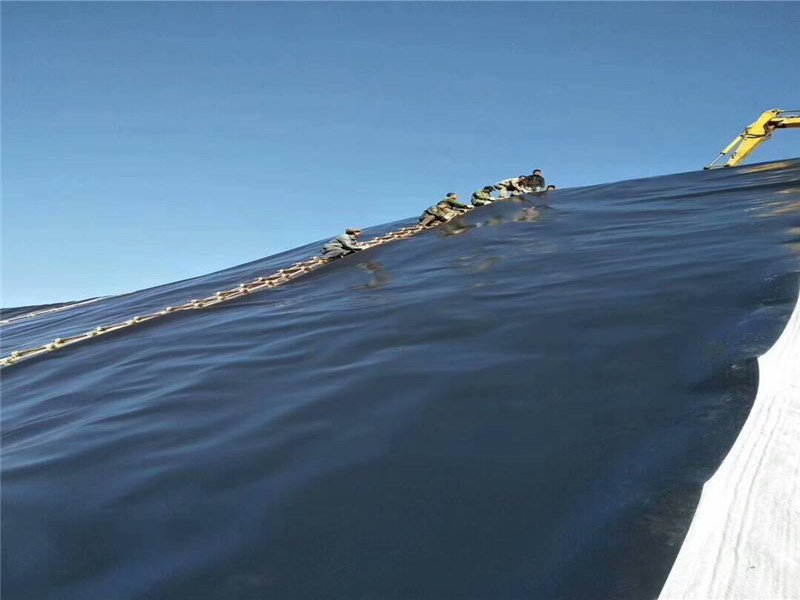
Key Technical Specifications That Define High-Quality HDPE Dam Liners
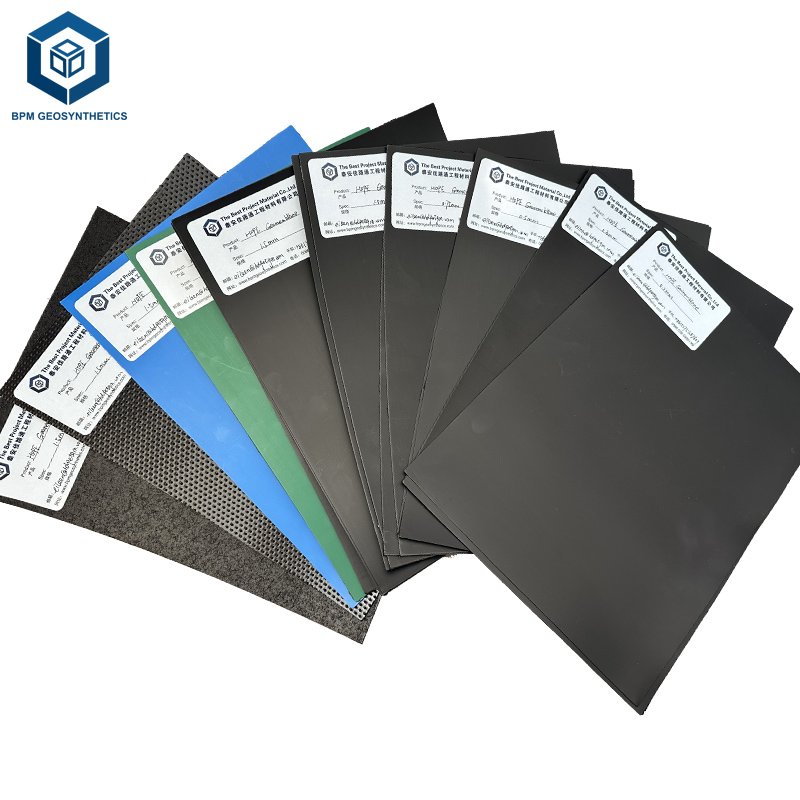
High-quality HDPE dam liners typically range in thickness from 0.5 mm to 3.0 mm (20–120 mil), with 1.0–2.0 mm being common for most dam projects. Core specifications include tensile strength ≥20–45 kN/m (ASTM D6693), tear resistance ≥100–200 N, puncture resistance 2.5–4.0 kN (ASTM D4833), and multi-axial strain >30%. UV resistance retains 70–80% strength after extensive exposure testing (ASTM D4355).
BPM Geosynthetics’ HDPE geomembrane liners meet or exceed these standards with smooth and textured options, offering excellent weldability and field performance in diverse climates.
How HDPE Liners Perform in Dam and Reservoir Applications
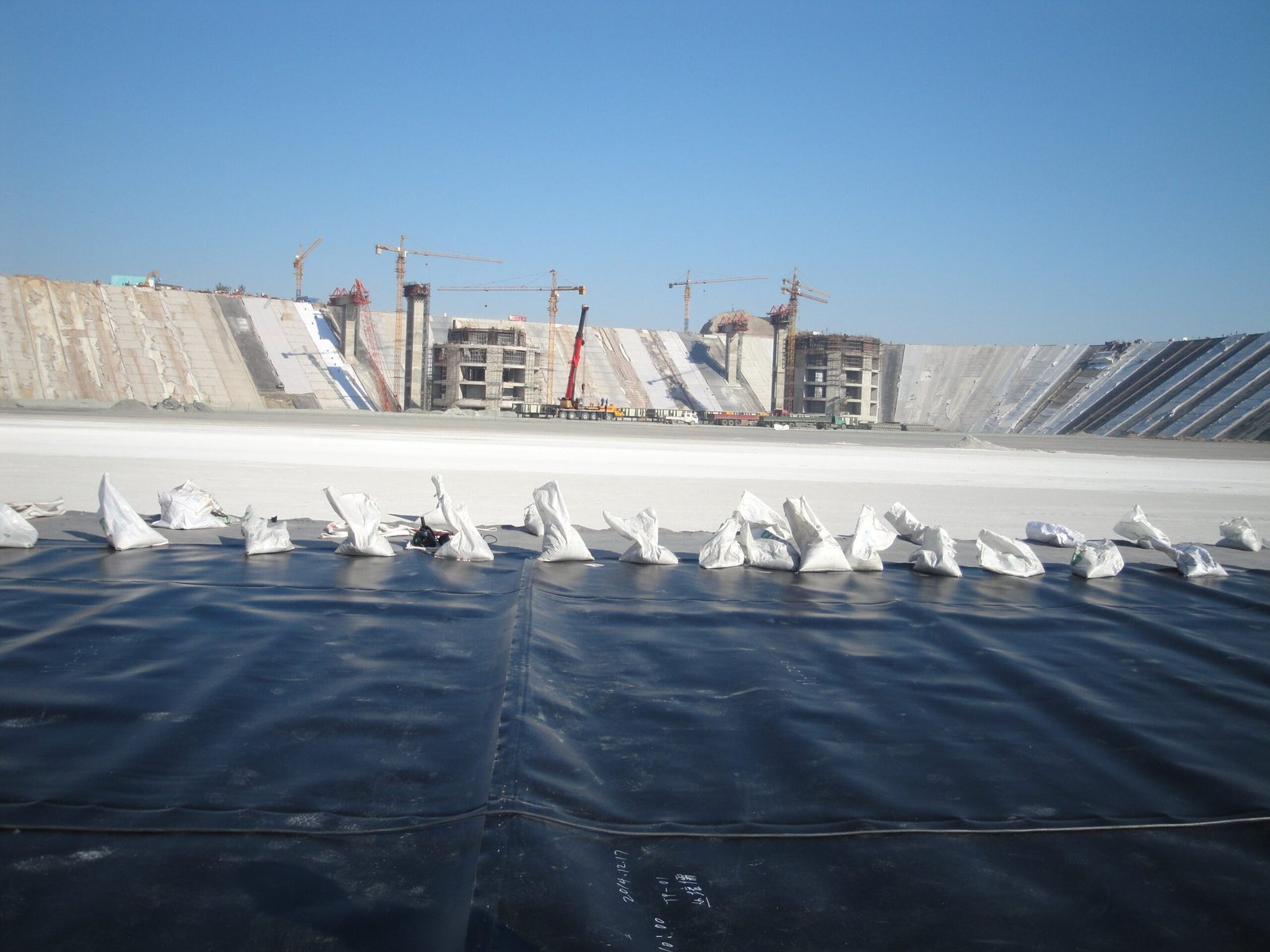
In dam and reservoir applications, HDPE liners excel by providing a flexible, seamless barrier (via thermal welding) that accommodates settlement and seismic activity. Their low permeability prevents contamination of groundwater while allowing safe storage of potable or irrigation water.
Real-world projects demonstrate lifespans exceeding 30–50 years with minimal degradation, even in harsh UV and temperature cycling conditions.
Installation Best Practices for HDPE Dam Liners
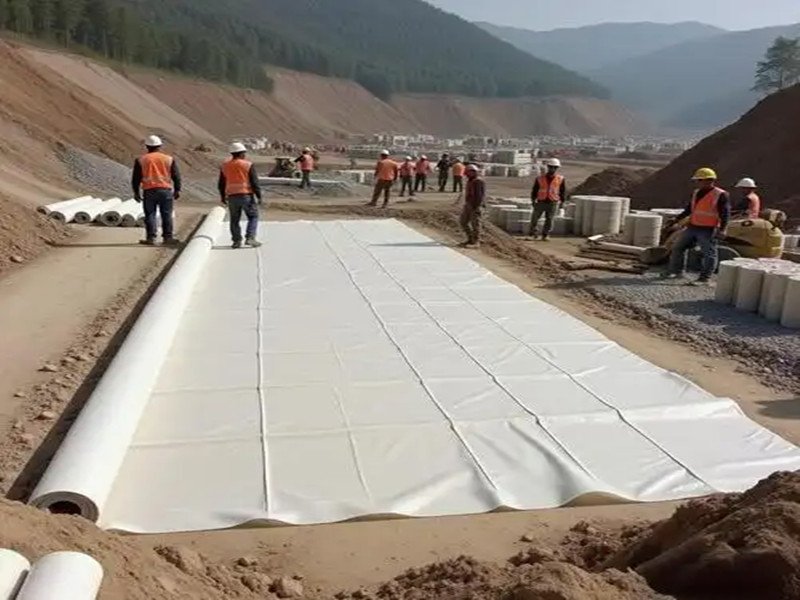
Successful installation requires subgrade preparation, panel deployment with proper overlaps (100–150 mm), thermal fusion welding, and protection layers (sand or geotextile). Quality control through vacuum or spark testing ensures seam integrity exceeding 95–99%.
BPM provides detailed guidelines and technical support to achieve optimal results and maximum liner lifespan.
Factors to Consider When Selecting HDPE Dam Liners
Important factors include project scale, water chemistry, UV exposure, seismic risk, and budget. Thicker liners (1.5–2.5 mm) suit high-head dams, while textured versions improve slope stability. Always verify compliance with standards like GRI-GM13.
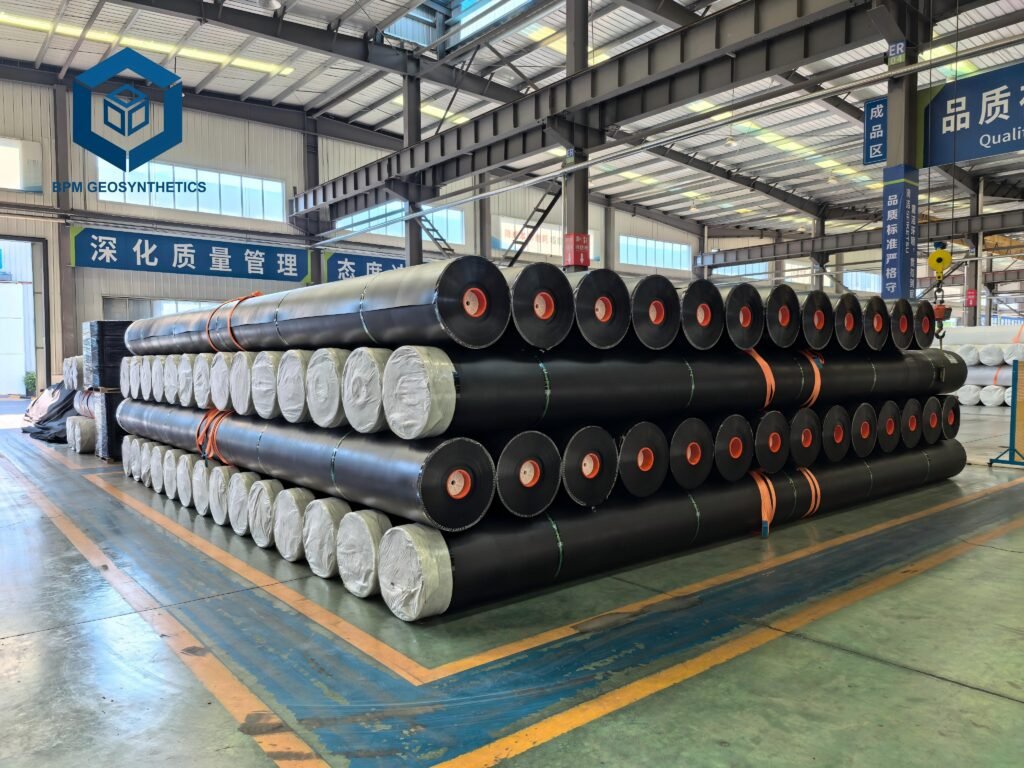
The Project Material Co., Ltd. (BPM Geosynthetics) Advantages
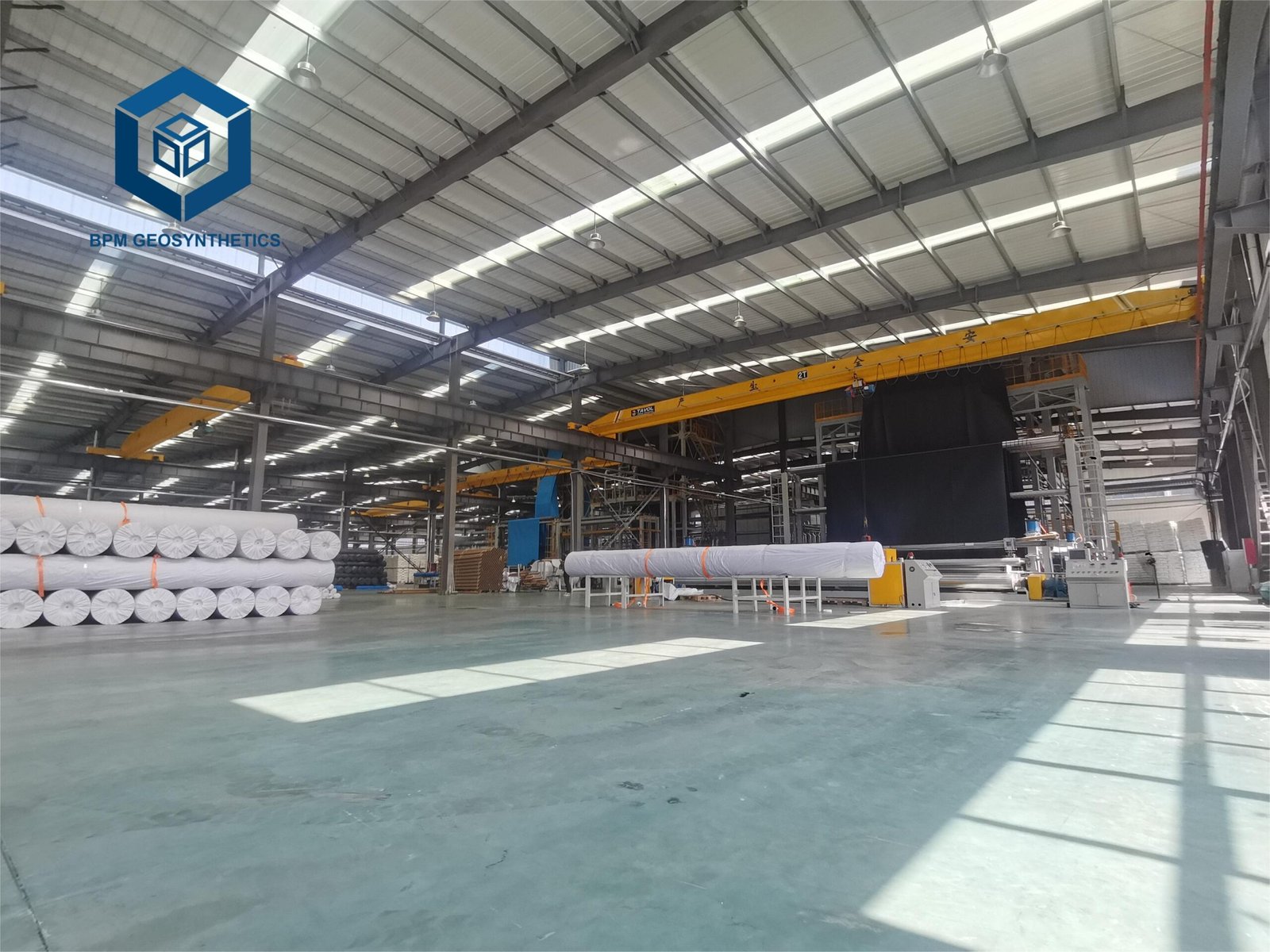
The Project Material Co., Ltd. (BPM Geosynthetics) is a trusted leader in HDPE geomembrane liners, offering premium solutions optimized for dam and reservoir applications. Their HDPE liners feature virgin resin formulation, precise thickness control, and superior welding characteristics that ensure long-term watertight performance.
Key advantages include exceptional chemical and UV resistance, high multi-axial strain capacity for accommodating ground movement, and a full range of smooth and textured options. BPM liners have been successfully deployed in numerous international dam projects, delivering reliable containment with minimal maintenance.
With strong quality management (ISO 9001/14001), competitive pricing, and technical expertise, BPM provides end-to-end support from material selection to installation guidance. Their focus on innovation and customer needs makes them the preferred partner for engineers and contractors seeking durable, cost-effective dam lining solutions.
Conclusion
The 10 best HDPE dam liners in 2026 represent the pinnacle of geomembrane technology, offering unmatched impermeability, durability, and value for water storage infrastructure. BPM Geosynthetics stands out for its high-specification products, global project success, and commitment to quality that delivers measurable long-term benefits.
Selecting the right HDPE dam liner, combined with professional installation, ensures secure, efficient, and sustainable water management for decades. For projects requiring proven performance and reliable supply, BPM Geosynthetics’ HDPE geomembrane liner is an excellent choice that meets the highest industry standards.