Introduction: The Critical Role of Geomembrane Selection in Industrial Success
In the complex landscape of industrial infrastructure, few decisions carry as much long-term consequence as selecting the proper containment lining system. High-Density Polyethylene (HDPE) geomembranes have emerged as the global standard for primary containment across numerous industries—from mining and landfills to wastewater treatment and agricultural storage—primarily due to their exceptional chemical resistance, durability, and cost-effectiveness over extended service life. However, not all HDPE liners are created equal, and the marketplace offers a bewildering array of specifications, claims, and pricing structures. A suboptimal selection can lead to catastrophic failures, environmental incidents, regulatory violations, and ultimately, staggering financial liabilities that dwarf any initial savings on material costs. This comprehensive guide distills decades of engineering expertise into seven actionable, critical considerations that will empower project managers, engineers, and procurement specialists to make informed, confident decisions that safeguard their projects, their organizations, and the environment for decades to come.
1. Conduct a Comprehensive Chemical Compatibility Analysis
Understanding the Chemical Battleground
The primary function of any geomembrane is to act as a persistent, impermeable barrier. Its failure in the face of chemical attack is perhaps the most direct route to system collapse. The term “HDPE” suggests a uniformity that is misleading; variations in resin formulation, molecular weight distribution, and additive packages create significant differences in chemical resistance profiles.
Actionable Steps:
Inventory All Exposures: Create a complete list of every substance the liner will contact, including primary contents, cleaning agents, atmospheric pollutants, and biological leachates. Consider pH extremes, solvents, hydrocarbons, and oxidizing agents.
Request Manufacturer-Specific Data: Generic chemical resistance charts are a starting point, but insist on data generated specifically for the manufacturer’s formulation using standardized test methods like ASTM D5322 (Immersion Testing). Pay particular attention to long-term stress crack resistance under chemical exposure (ASTM D5397).
Consider Temperature Synergies: Chemical aggression typically increases with temperature. Evaluate compatibility at the maximum operating temperature, not just ambient conditions.
Plan for the Unexpected: In mining or landfill applications, the chemical cocktail (leachate) can evolve unpredictably over decades. Opt for formulations with broad-spectrum resistance.
2. Specify Thickness and Density Based on Engineered Performance Requirements
Moving Beyond Rule-of-Thumb Specifications
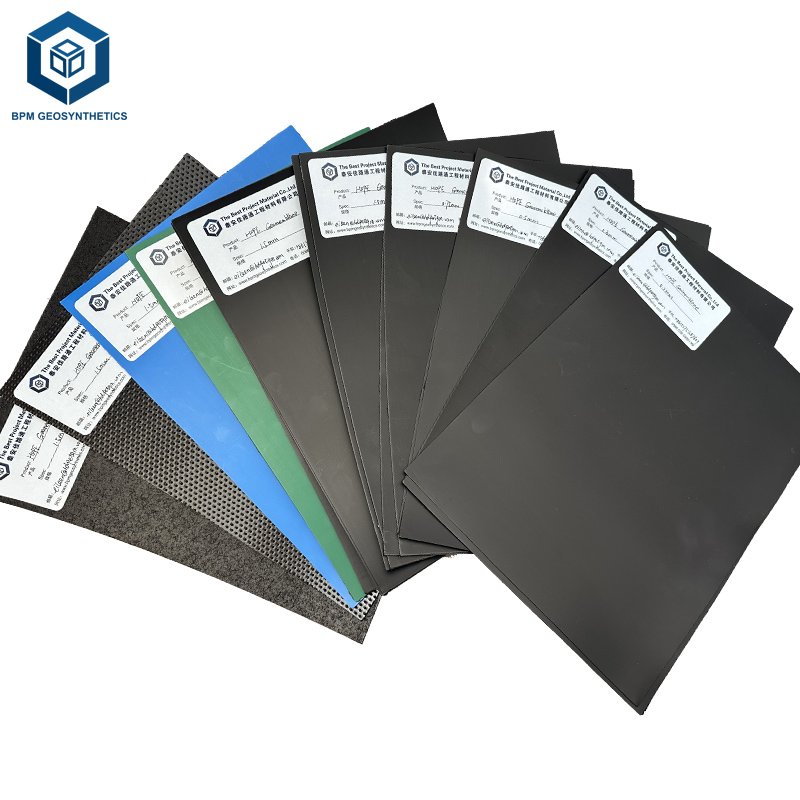
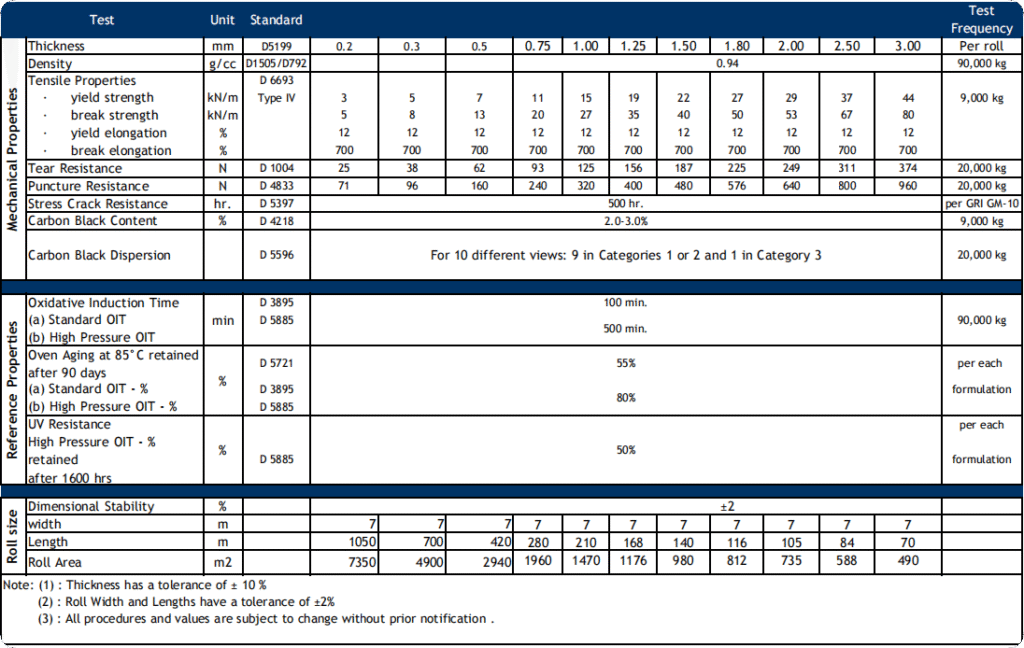
While thickness (measured in mils or millimeters) is a crucial indicator, it is not an absolute proxy for performance. Density (measured in g/cm³) is equally critical, as it correlates directly with crystallinity, which influences tensile strength, stiffness, and chemical resistance.
Performance-Based Selection Framework:
Subgrade Assessment: A smooth, compacted, fine-grained subgrade allows for thinner gauges. Rocky or irregular subgrades demand thicker, more puncture-resistant liners (often 2.0mm+). Our project engineers use puncture resistance tests (ASTM D4833) to recommend optimal thickness.
Applied Stress Analysis: Calculate stresses from overburden, hydraulic head, and equipment traffic. The liner’s tensile properties (ASTM D6693) and seam strength must exceed these with a significant safety factor.
Density as a Quality Marker: Premium HDPE for industrial use should have a density of ≥ 0.940 g/cm³. Higher density generally indicates better durability and resistance to environmental stress cracking (ESCR).
The Misconception of “Thicker is Always Better”: Unnecessarily thick liners increase material cost, make welding more challenging, and can reduce conformity to subgrade. The goal is adequate thickness, not maximum thickness.
3. Insist on Independent, Third-Party Certification and Traceability
The Non-Negotiable Pillar of Quality Assurance
In an industry where failures may remain hidden for years, documented quality is your primary insurance policy. Manufacturer claims are insufficient; verification must come from accredited, independent bodies.
The Certification Checklist:
Material Conformance: Verify the liner meets or exceeds recognized standards such as GMP13 (Geosynthetic Institute), GRI-GM13, or equivalent national standards. These cover minimum physical properties, including tensile strength, tear resistance, and carbon black content.
Batch-Specific Testing: Every production run (batch) has minor variations. Require certified test reports for the specific batch used in your project, traceable by a unique lot number. This includes:
Melt Flow Index (MFI): Indicates processability and molecular weight.
Carbon Black Dispersion: Critical for UV resistance; poor dispersion creates failure points.
Oxidative Induction Time (OIT): Measures antioxidant package effectiveness and expected service life.
Factory Production Control (FPC): The manufacturer should operate under a certified quality management system (ISO 9001) with ongoing third-party audit surveillance.
4. Engineer Seam Integrity as a System-Critical Component
Where Most Failures Begin
A pristine panel of HDPE is only as strong as its weakest seam. Field welding is a skilled trade subject to environmental conditions, operator technique, and equipment calibration. Seam failures account for the majority of containment leaks.
A Proactive Seam Integrity Strategy:
Maximize Factory Seams: Utilize the widest possible rolls (we offer up to 9.5m width) and custom-fabricated panels to minimize the number of field seams, especially in critical areas like slopes and corners.
Qualify the Welding Process & Personnel: Demand that all welders and welding procedures are certified under rigorous programs. The dominant methods are dual-hot wedge welding (for straight runs) and extrusion fillet welding (for details and patches).
Implement a Tiered Seam Testing Protocol:
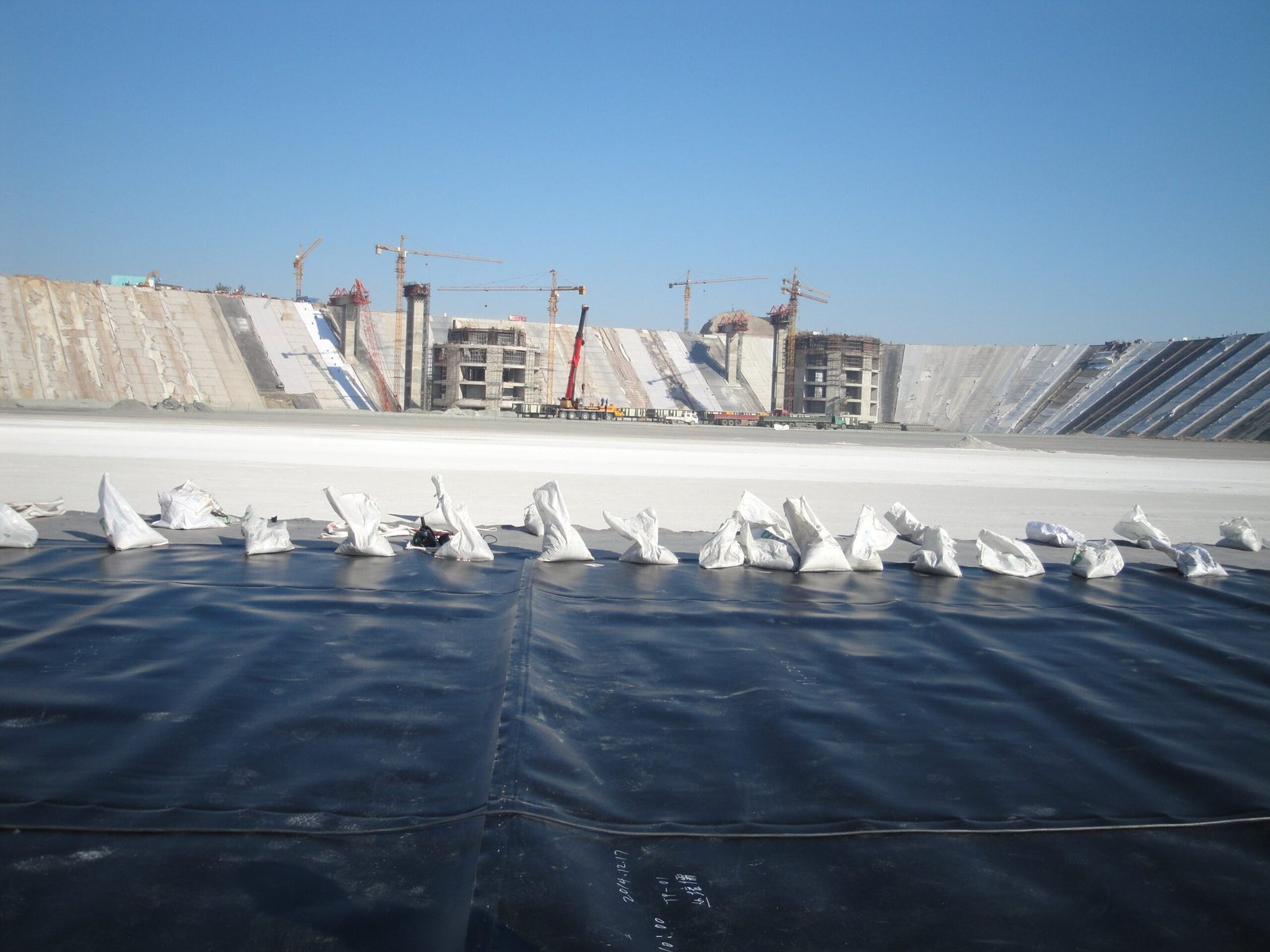
Non-Destructive Testing (NDT): 100% of seams should be tested with air pressure (dual seam) or vacuum box (single seam) methods.
Destructive Testing (DT): Samples should be cut from seam ends and at regular intervals (e.g., every 150m) and tested in-lab for peel and shear strength (ASTM D6392).
Detail Design: Specify reinforced welding details for penetrations, pipe boots, and transitions to other structures.
5. Account for Site-Specific Environmental and Exposure Conditions
Designing for the Real World, Not the Datasheet
HDPE liners are deployed in some of Earth’s most extreme environments, from frozen tundras to desert basins. The formulation must be tailored to these conditions.
Key Exposure Considerations:
Ultraviolet (UV) Radiation: For exposed applications (pond liners, landfill caps), standard HDPE will degrade rapidly. Specification must include 2-3% premium grade, finely dispersed carbon black (ASTM D4218). Evaluate the need for High Load Carbon Black (HLCB) formulations for maximum UV resistance, with a guaranteed exposed service life.
Temperature Extremes: In cold climates, the liner will become stiffer and more brittle. Consider formulations with enhanced low-temperature impact resistance. In hot climates, thermal expansion/contraction is a major design factor, requiring relaxed installation and strategic anchorage.
Wind and Abrasion: On steep slopes or in windy regions, textured (structured) surface liners provide enhanced interface friction with geotextiles or soils, improving stability. They also resist down-slope creep during installation.
6. Integrate Installation Practicality into Material Selection
Bridging the Gap Between Design and Field Execution
The most perfectly specified liner can fail if it is impractical to install correctly on your specific site. Material selection and panel design must facilitate, not hinder, the installation crew.
Installation-Focused Planning:
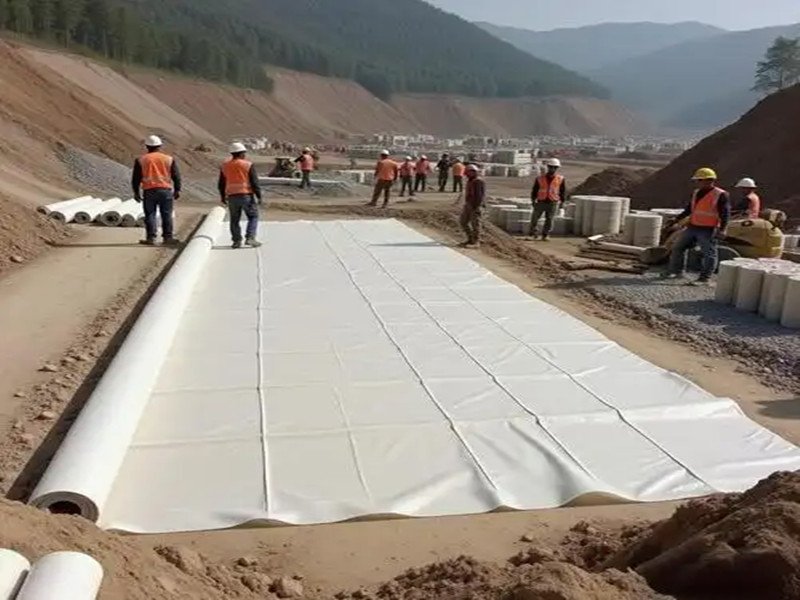
Site Logistics: Evaluate roll size and weight relative to site access, handling equipment, and terrain. Very large panels reduce seams but require larger cranes and laydown areas.
Subgrade Readiness: The liner cannot compensate for a poor subgrade. The specification should clearly state the required subgrade smoothness and compaction (e.g., no sharp rocks > 20mm) to protect the liner during placement and service.
Welding Environment: HDPE welding requires clean, dry, and relatively calm conditions. Project scheduling must account for weather delays. Have temporary covers or windbreaks available.
Manufacturer Support: The value of having the manufacturer’s technical representative on-site during the first days of installation cannot be overstated. They ensure the material is handled and seamed as intended.
7. Evaluate Total Lifecycle Cost, Not Just Initial Price
The True Economics of Containment
The temptation to select a liner based on the lowest price per square meter is a profound and common economic error. The true cost of a geomembrane is its Total Installed Cost plus the Net Present Value of all future risks and maintenance costs over its service life.
Lifecycle Cost Analysis Framework:
Cost of Failure: Quantify the potential cost of a leak: environmental remediation, regulatory fines, business interruption, legal fees, and reputational damage. This risk is mitigated by investing in proven quality.
Durability Dividend: A premium liner with a documented 40+ year service life may cost 15-20% more initially but can eliminate the need for a costly early replacement, offering a vastly superior return on investment.
Installation Efficiency: Higher quality, consistent liners weld faster and with fewer rejects, reducing labor costs—often the largest single line item in the installed cost.
Warranty as an Insurance Policy: Scrutinize the warranty. It should be a robust, insured, third-party-backed guarantee that covers materials, seams, and labor for repair, not just a prorated material replacement.
Why Partner With Us for Your Industrial HDPE Liner Needs?
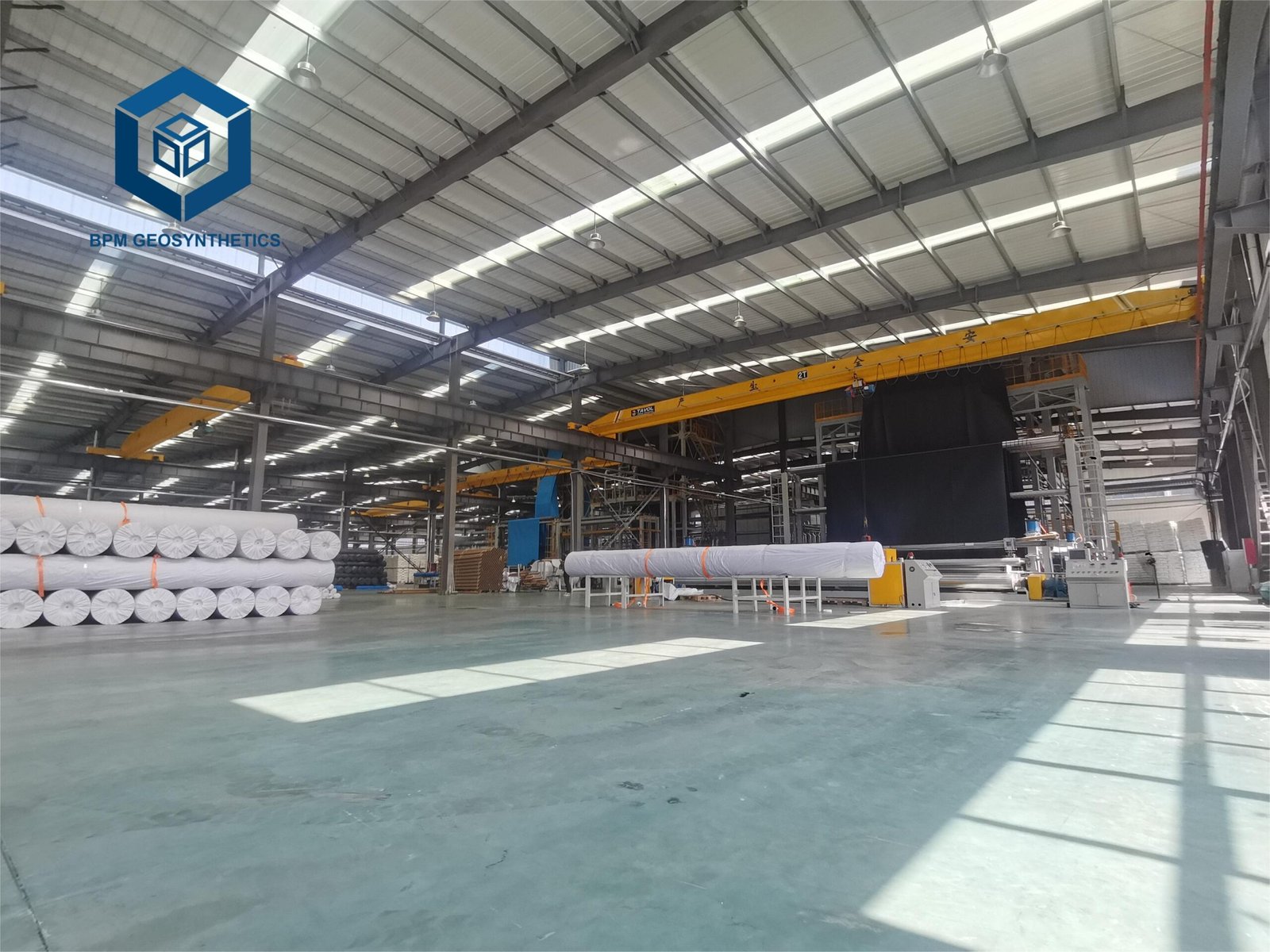
We are not merely a supplier; we are a containment engineering partner. Our vertical integration—from proprietary resin compounding to in-house panel fabrication and certified installation crews—ensures unmatched control over quality and performance.
✅ Uncompromising Material Science: Our advanced polymer engineering produces HDPE with exceptional ESCR (Environmental Stress Crack Resistance) and long-term durability.
✅ End-to-End Project Ownership: We assume single-point responsibility from design and manufacture through installation supervision and final certification.
✅ Global Provenance: Our liners protect critical infrastructure on six continents, in the world’s most demanding mining, energy, and waste management projects.
✅ Sustainability Commitment: We utilize state-of-the-art manufacturing with recycled content where suitable and offer end-of-life liner recycling programs to support circular economy principles.