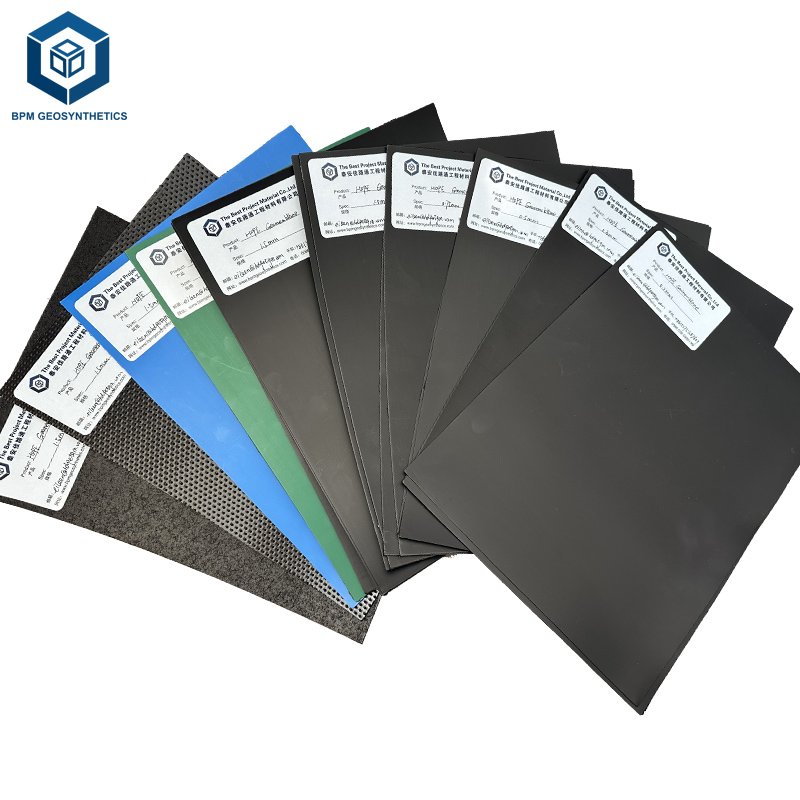
1.What is HDPE Landfill Liner?
HDPE Landfill Liner is a flexible, waterproof barrier material made primarily from high-molecular polymers through processes such as extrusion and blow molding. Its thickness typically ranges from 0.2mm to 3.0mm, and it possesses an extremely low permeability coefficient, thus exhibiting excellent seepage prevention performance. It is an indispensable key material in modern environmental engineering.
2.Main Applications of HDPE Landfill Liner
HDPE Landfill Liner, due to their excellent seepage prevention, isolation, and corrosion resistance properties, are widely used in the following fields:
2.1 Water Conservancy Projects:
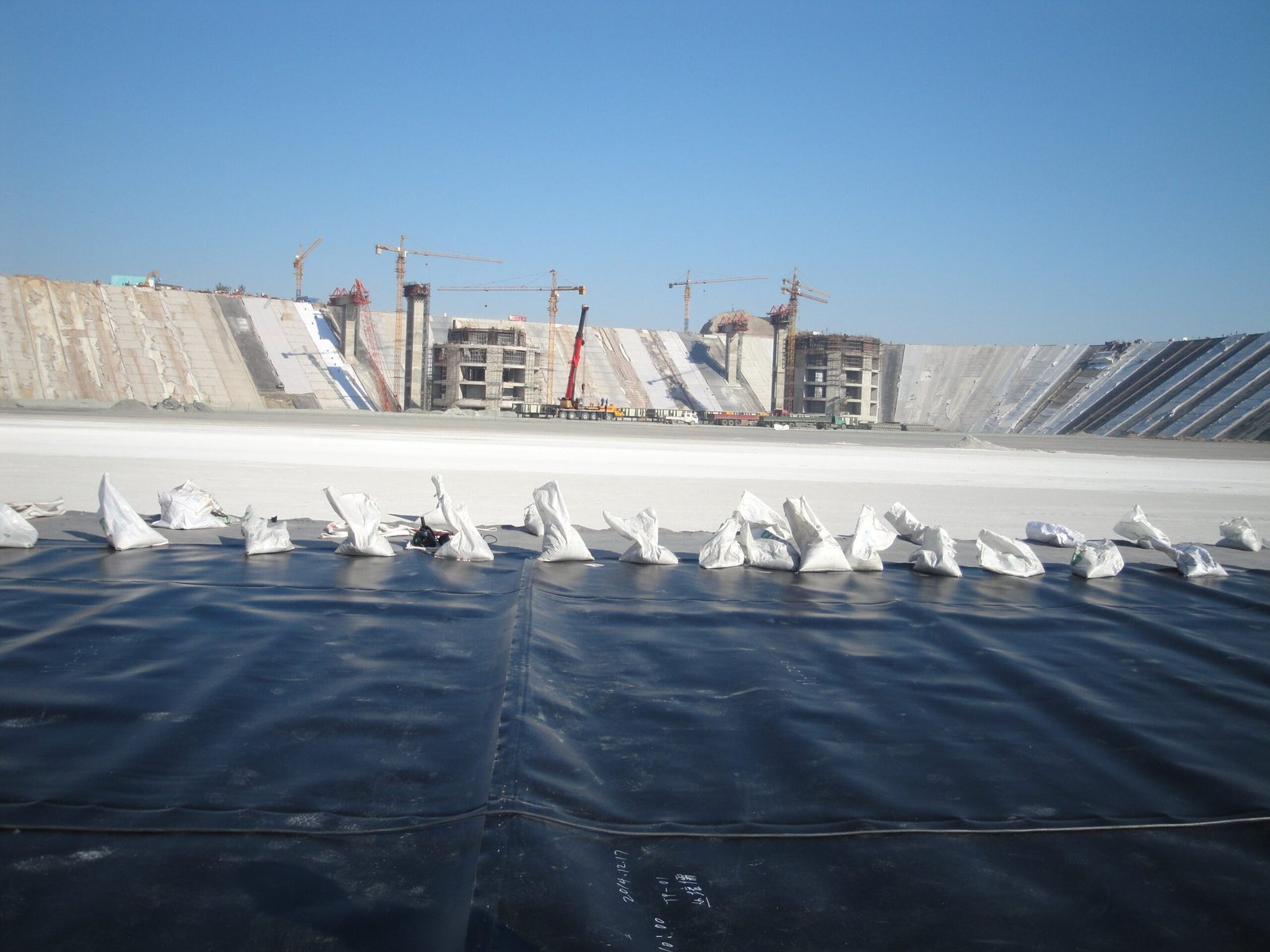
Seepage prevention for reservoirs, dams, canals, artificial lakes, etc., preventing water leakage and ensuring water resource security.
2.2 Environmental Engineering:
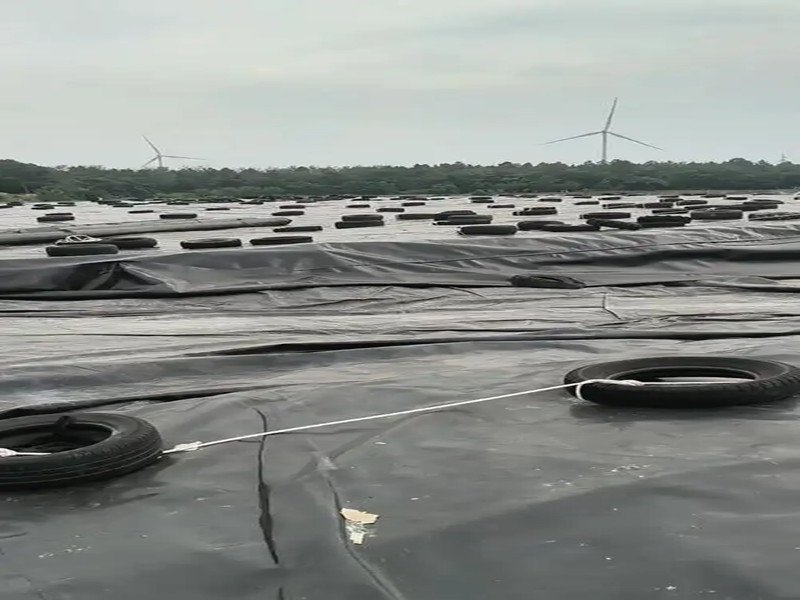
Seepage prevention for landfills, hazardous waste landfills, sewage treatment plants, tailings ponds, etc., preventing the leakage of harmful substances and contamination of soil and groundwater.
2.3 Municipal Engineering:
Seepage prevention, moisture control, and isolation for subways, tunnels, underground engineering, etc.
2.4 Agriculture and Aquaculture:
Used for water storage ponds, fishponds, shrimp ponds, etc., to prevent water leakage and cross-contamination.
2.5 Mining and Petrochemical Industries:
Used for seepage prevention projects such as tailings dams, heap leaching ponds, and oil storage tank areas to prevent environmental pollution caused by chemical liquid leakage.
3.Advantages of HDPE Landfill Liner Applications in Landfills
As one of the main methods for treating municipal solid waste, the design and construction of landfill anti-seepage systems directly affect the safety of the surrounding soil, groundwater, and atmospheric environment. Geomembranes, especially HDPE geomembranes, have become the core material for landfill anti-seepage systems, and their advantages are mainly reflected in the following aspects:
3.1. Excellent Anti-seepage Performance
HDPE Landfill Liner have extremely low permeability coefficients (less than 1×10⁻¹³ cm/s). In landfills, HDPE geomembranes are laid on the bottom and slopes, forming a continuous “anti-seepage barrier,” effectively preventing toxic and harmful substances in landfill leachate from seeping into the ground and protecting groundwater resources from pollution.
3.2. Excellent Chemical Stability
Landfill leachate has a complex composition, containing high concentrations of organic matter, heavy metals, ammonia nitrogen, salts, and other corrosive substances. HDPE geomembrane possesses exceptional resistance to acids, alkalis, salts, and organic solvents, withstanding the erosion of over 80 chemical substances, ensuring long-term stable operation in complex chemical environments.
3.3. Excellent Mechanical Properties and Durability
HDPE Landfill Liner exhibits high tensile strength, tear strength, and puncture resistance, capable of withstanding external forces such as landfilling, compaction, and settlement, reducing the risk of leakage due to damage. Simultaneously, its elongation rate can reach over 700%, providing excellent flexibility to adapt to uneven foundation settlement and terrain changes. Furthermore, HDPE geomembrane boasts superior anti-aging and UV resistance.
3.4. Convenient Construction and Strong Adaptability
HDPE Landfill Liner is lightweight and flexible, facilitating transportation and on-site installation. Its splicing technology is mature, primarily employing hot-melt welding, resulting in high weld strength, excellent sealing, and high construction efficiency, adapting to various complex terrains and climatic conditions.
3.5. Significant Economic Benefits
Compared to traditional clay geomembranes, HDPE geomembranes have shorter construction cycles, require less land, and have lower maintenance costs. Although the initial investment is slightly higher, their long-term seepage prevention effect is stable, which can significantly reduce subsequent environmental remediation costs and potential legal risks, resulting in significant economic and environmental benefits.
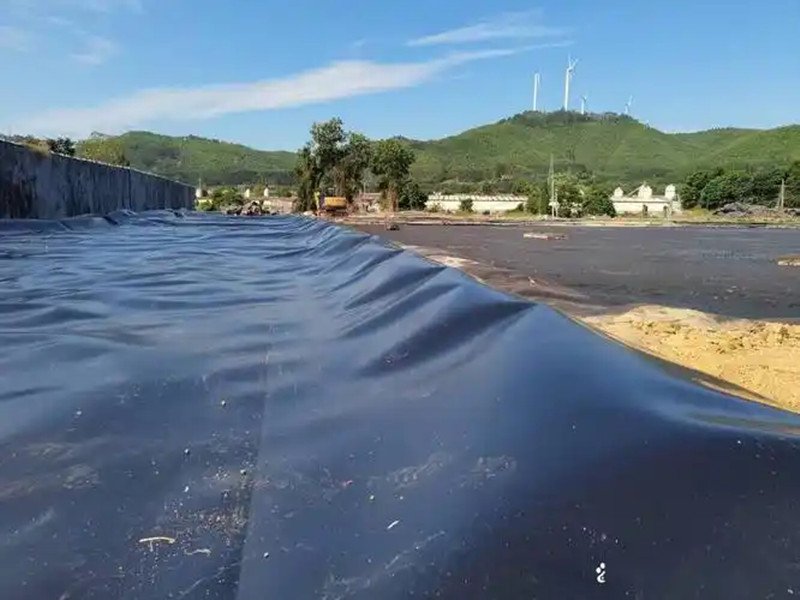
4.Construction Method
4.1 During transportation, the geomembrane should not be dragged or pulled forcefully to avoid injury from sharp objects.
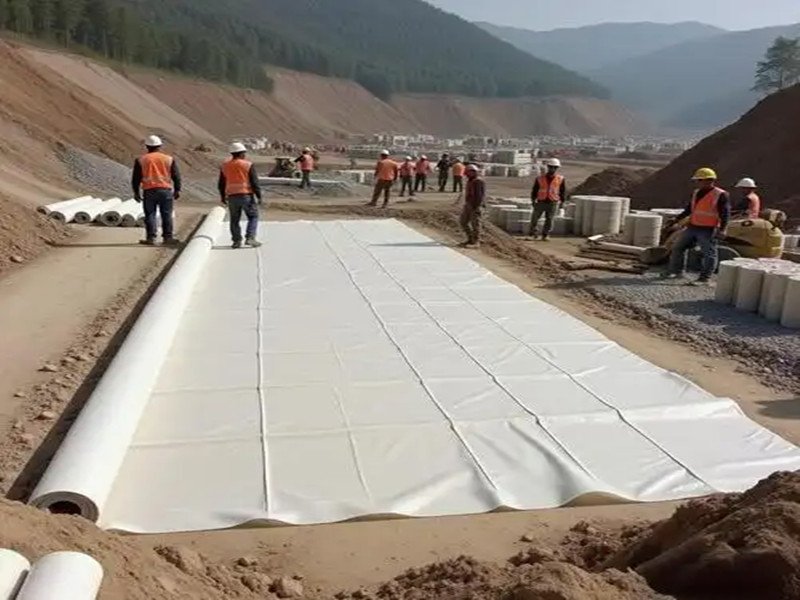
4.1.1 It should be laid from the bottom up, without pulling too tightly, leaving a 1.50% slack to accommodate local settlement and stretching. Considering the actual conditions of this project, the slope will be laid from top to bottom.
4.1.2 The longitudinal joints of adjacent sheets should not be on the same horizontal line and should be staggered by more than 1m.
4.1.3 The longitudinal joints should be more than 1.50m away from the dam toe and bends, and should be located on a flat surface.
4.1.4 Slopes first, then the site bottom.
4.1.5 When laying the geomembrane on the slope, the direction of membrane laying should be basically parallel to the maximum slope line.
4.2 Laying
4.2.1. Before laying the geomembrane, the corresponding qualified acceptance certificate of the civil engineering project should be provided.
4.2.2. Before cutting the geomembrane, its relevant dimensions should be accurately measured. Cutting should then be done according to the actual dimensions, generally not according to the dimensions shown in the drawings. Each piece should be numbered and recorded in detail on a dedicated form.
4.2.3. When laying the geomembrane, efforts should be made to minimize the number of welds, saving raw materials as much as possible while ensuring quality. This also makes it easier to ensure quality.
4.2.4. The overlap width between membrane seams should generally not be less than 10cm. The weld seams should usually be arranged parallel to the maximum slope, i.e., along the slope direction.
4.2.5. At corners and irregular sections, the seam length should be minimized. Except for special requirements, on slopes greater than 1:6, weld seams should be avoided within 1.5 meters of the top of the slope or stress concentration areas.
4.2.6. During the laying of the geomembrane, artificial wrinkles should be avoided. In low temperatures, it should be stretched taut and laid flat as much as possible.
4.2.7. After the geomembrane is laid, walking on the membrane surface and moving tools should be minimized. Any objects that may damage the geomembrane should not be placed on the membrane or carried on the membrane to avoid accidental damage.
5.Summary
In conclusion, HDPE Landfill Liner, with their superior impermeability, chemical stability, mechanical properties, and ease of construction, have become an irreplaceable core material in modern landfill seepage prevention systems. They not only effectively prevent leachate from polluting soil and groundwater, but also provide a solid guarantee for the safe disposal of urban solid waste.
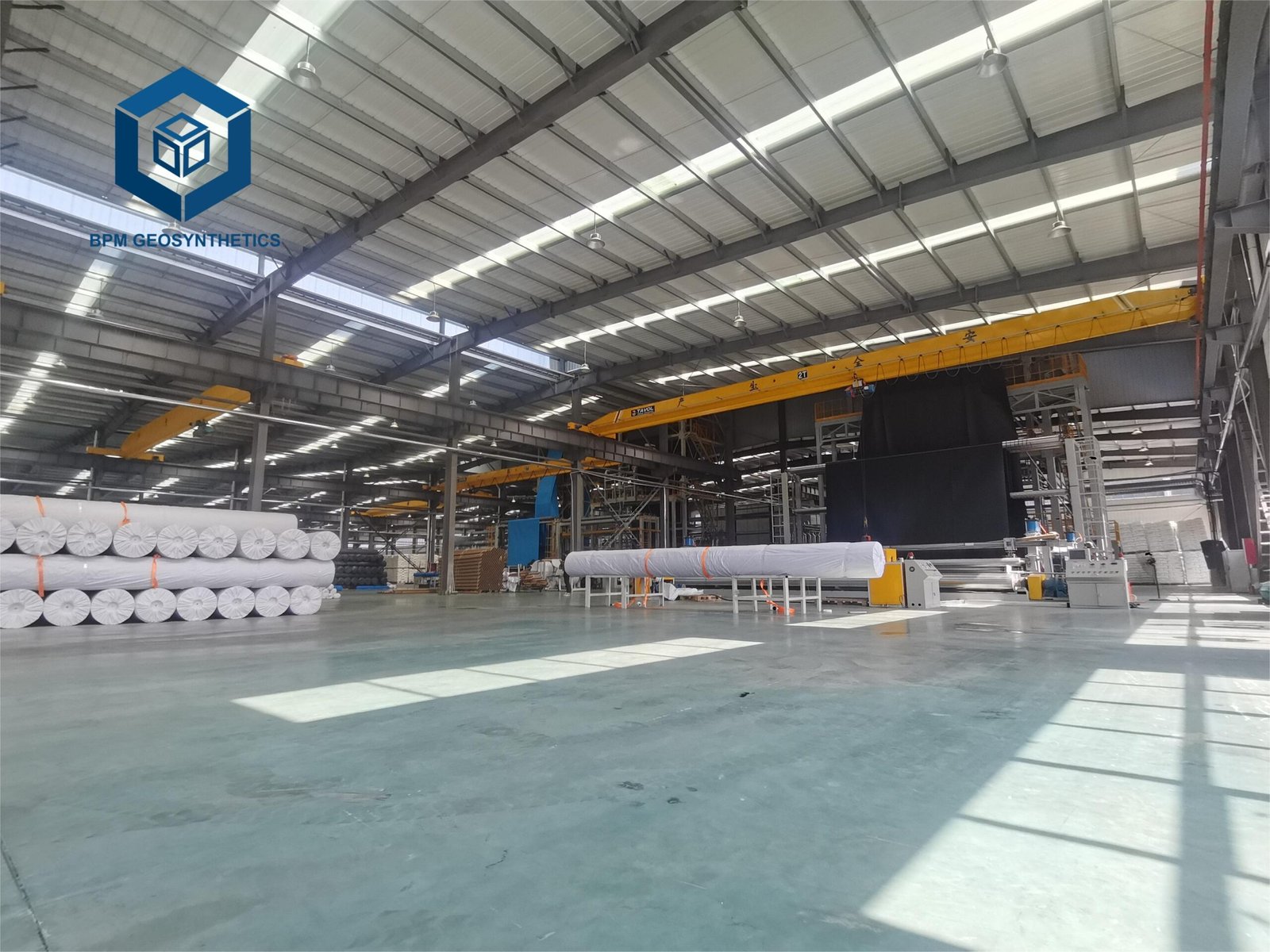
The Best Project Material Co., Ltd (BPM) is the leading geomembrane manufacturer, supplier, wholesaler and exporter. Our main innovative products include Smooth Geomembrane HDPE Liner, Textured HDPE Geomembrane, Composite Geomembrane Liner and other geosynthetics, etc. All of them had been certificated by the ISO9001, ISO14001, Soncap, SASO and BV certificates and passed SGS and Intertek test.