Welcome to the Ultimate Guide to HDPE Geomembrane Sheet Cost, brought to you by BPM Geosynthetics. HDPE geomembrane sheet is essential in a wide range of applications, from landfills and wastewater management to aquaculture and water containment. These liners provide a reliable barrier against leakage and contamination, ensuring environmental safety and project durability. However, understanding the cost factors associated with HDPE geomembrane sheet is crucial for effective budgeting and material selection. BPM Geosynthetics will explore the key factors influencing the cost of HDPE geomembrane sheet, provide practical advice on choosing the right sheet, and offer insights into optimizing your investment.
1.What is HPE Geomembrane Sheet
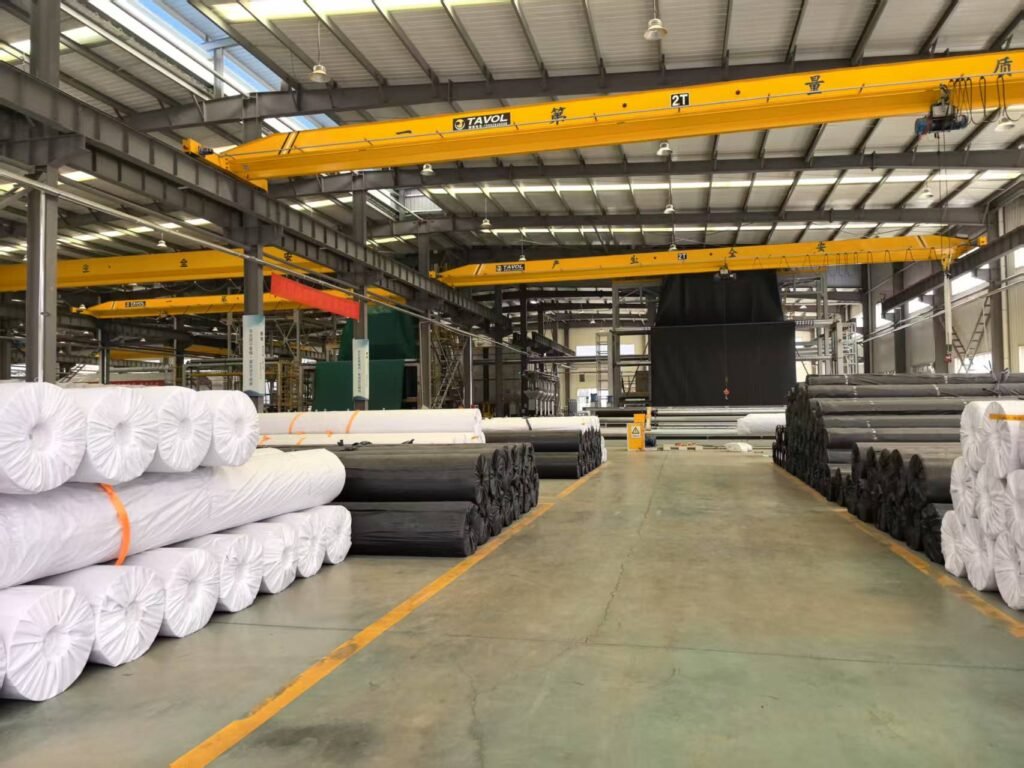
Geomembrane Sheet is a flexible, impermeable barrier made from high-density polyethylene (HDPE) or other durable plastics. It is designed to prevent the migration of liquids, gases, and other substances through the liner, making it an essential component in various containment and environmental protection applications. Geomembrane liners are commonly used in landfills, wastewater treatment plants, mining operations, aquaculture ponds, and water storage facilities. They offer excellent chemical resistance, UV stability, and puncture resistance, ensuring long-term performance and environmental safety.
Key Characteristics of HDPE Geomembrane Liners
Durability: HDPE geomembrane sheet is highly durable and resistant to punctures, tears, and chemical degradation.
Impermeability: These liners provide an effective barrier against the migration of liquids and gases, preventing contamination and leakage.
Flexibility: HDPE liners are flexible and can conform to various shapes and surfaces, making them suitable for complex installations.
UV Stability: HDPE materials are resistant to ultraviolet (UV) degradation, ensuring long-term performance even in outdoor applications.
Chemical Resistance: HDPE geomembrane sheet is resistant to a wide range of chemicals, making them suitable for applications involving hazardous substances.
2.Key Factors Influencing HDPE Geomembrane sheet Cost
2.1 Material Thickness
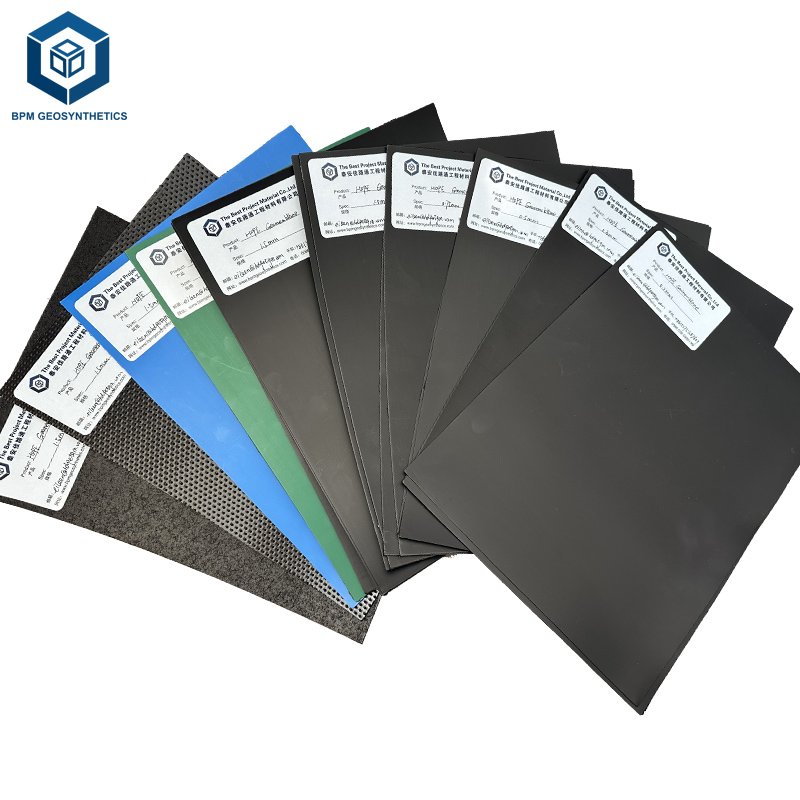
The thickness of HDPE geomembrane sheet significantly impacts its cost. Thicker liners offer greater durability and puncture resistance, making them suitable for high-stress environments such as landfills and mining operations. Common thickness options include 0.5mm, 0.75 mm, 1.0 mm, 1.5 mm, and 2.0 mm. For example, a 1.5 mm HDPE liner might cost $2.00 per square meter, while a 2.0 mm liner could $3.00 per square meter. Thicker liners are more expensive due to increased material usage but provide long-term value through enhanced performance.
2.2 Material Quality and Composition
The quality of the raw materials used in HDPE geomembrane sheet directly affects both the initial cost and the long-term performance of the liner. Virgin HDPE resin is superior in strength, chemical resistance, and UV stability compared to recycled materials. Virgin material liners typically cost 20-40% more than recycled ones but offer a lifespan of 30-50+ years, whereas recycled liners may degrade faster (10-20 years) due to impurities and reduced durability. For critical projects such as landfills and mining, virgin material is highly recommended to ensure long-term reliability.
2.3 Project Size and Scale
The size of the project plays a critical role in determining the cost per square meter of HDPE geomembrane sheet. Larger projects benefit from economies of scale, reducing the cost per square meter. For instance, projects over 50,000 square feet can see a 10-20% reduction in cost due to bulk purchasing and installation efficiencies. In contrast, smaller projects may incur higher per-square-foot costs due to custom fabrication and setup fees. Custom sizes and irregular shapes can also increase costs by 15-25% due to additional cutting and welding.
2.4 Installation Complexity
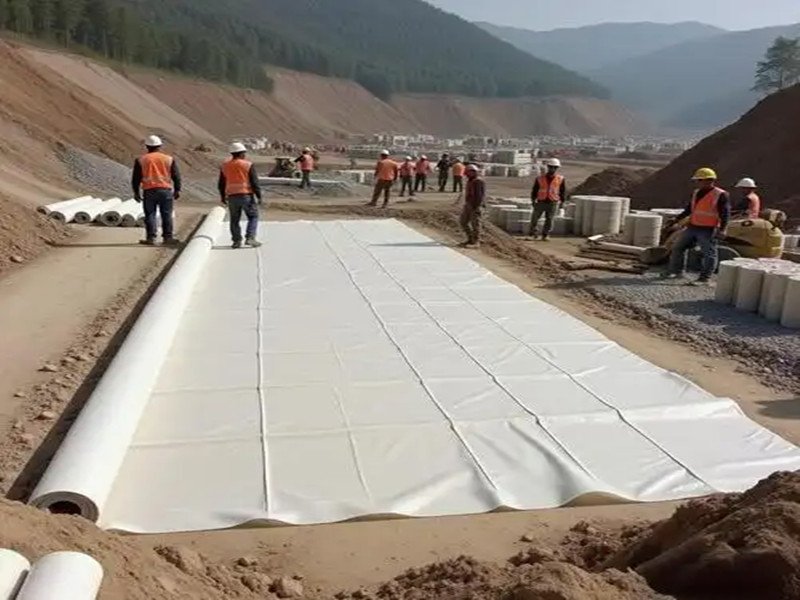
The complexity of the installation site can significantly influence the overall cost of HDPE geomembrane sheet. Factors such as irregular shapes, slopes, and uneven ground require more labor and specialized equipment, increasing installation costs. Proper surface preparation is essential to ensure the liner’s effectiveness and longevity. Uneven ground may need additional work, such as grading or the use of geotextiles, to create a suitable base for the liner.
2.5 Transportation and Logistics
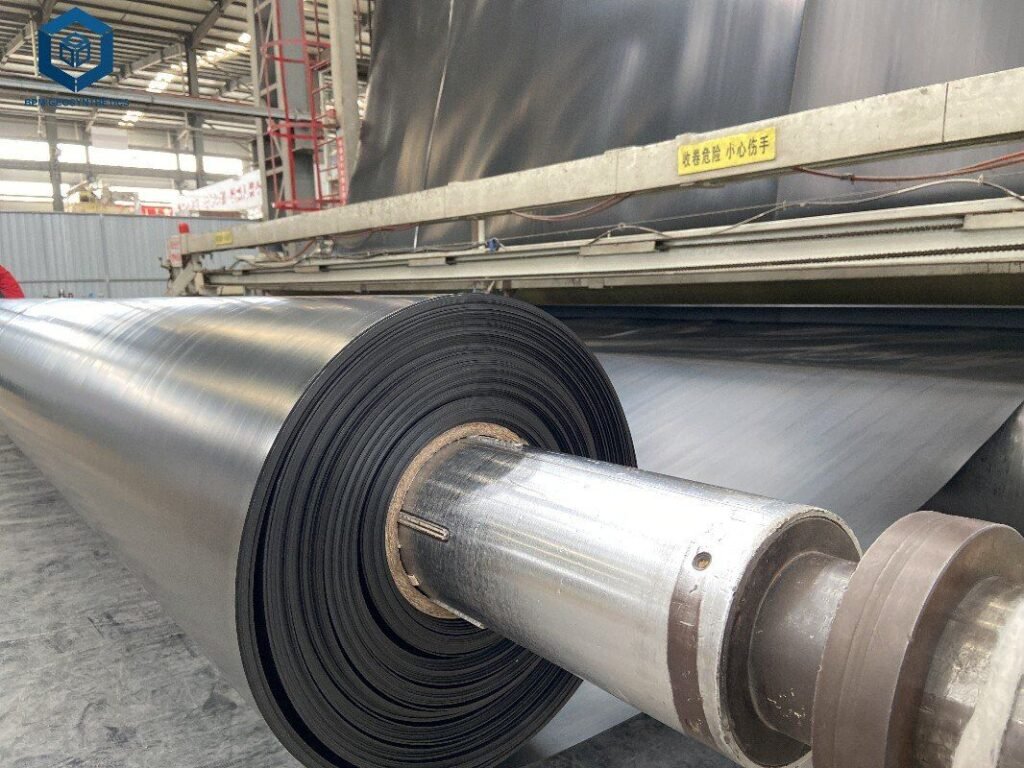
Transporting large rolls of HDPE geomembrane sheet, especially to remote sites, can add to the overall cost. Shipping to remote locations can cost 2-3 times more than urban deliveries, adding $0.10-$0.30 per square meter. Additionally, custom packaging and handling equipment can increase costs by 5-10%. Sourcing from local suppliers can help reduce freight costs and ensure faster delivery.
2.6 Additional Costs and Considerations
Several hidden costs should be considered when budgeting for HDPE geomembrane liners. These include:
Transportation: Specialized trucks are required for large rolls, and remote sites incur higher shipping costs.
Seaming Equipment: Thermal welders may need to be rented or purchased for proper installation.
Quality Assurance: ASTM testing adds $0.25-$0.75 per square meter to ensure the liner meets industry standards.
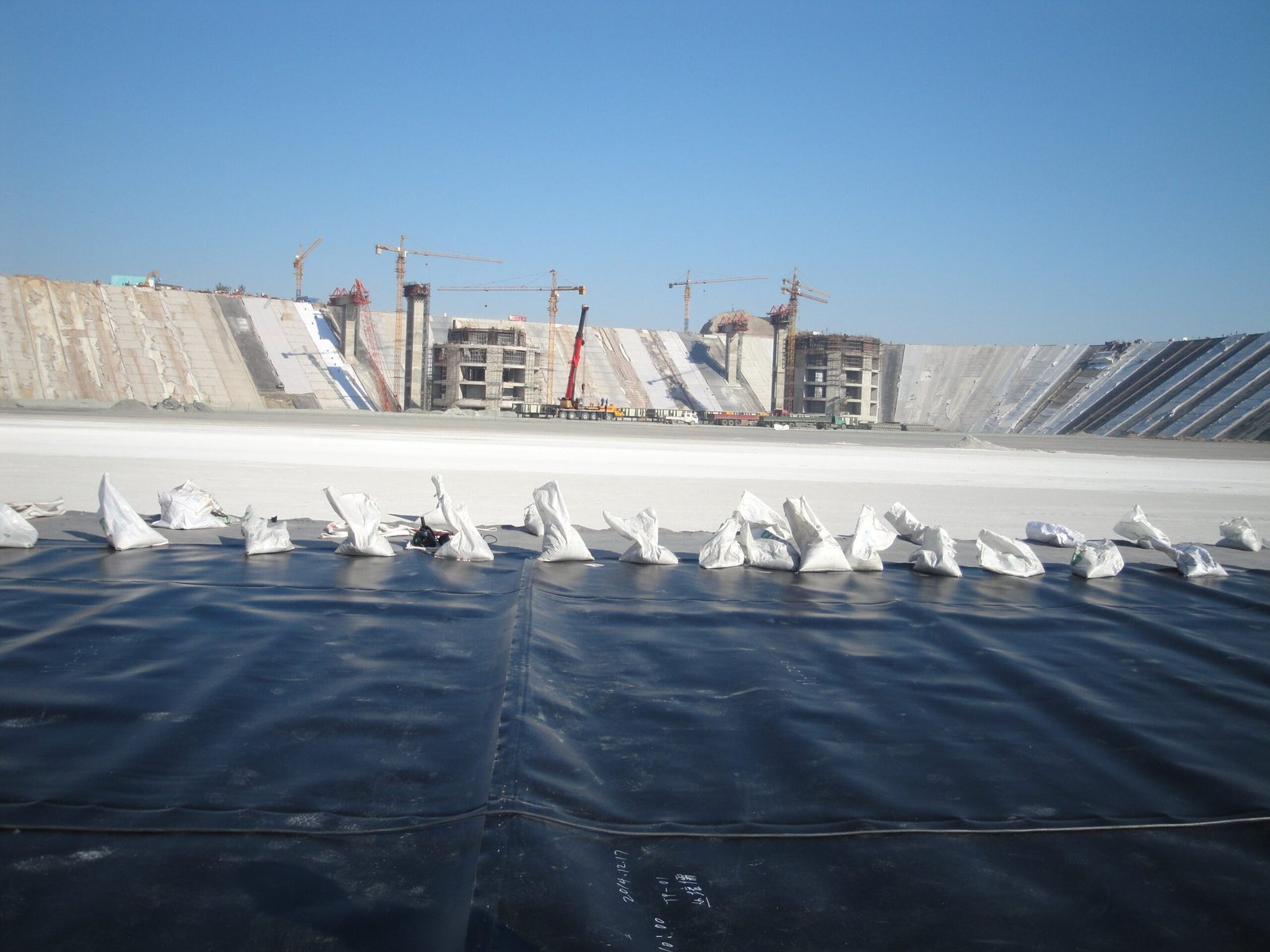
Anchoring Systems: Trenches, ballast, or other securement methods are necessary to keep the liner in place.
Warranties: Extended warranties can add 5-15% to the material cost but provide additional protection and peace of mind.
3.How to Choose the Right HDPE GeomembraneSheet
3.1 Assess Project Requirements
Matching HDPE Geomembrane Sheet specifications to the project requirements is crucial. For example, aquaculture projects may require 0.5-0.75 mm HDPE liners, which cost $0.50-$1.50 per square foot, while landfills need 1.5-2 mm liners, costing $1.00-$2.55 per square foot. Understanding the specific needs of your project will help you select the appropriate thickness and material quality.
3.2 Prioritize Quality
Investing in high-quality virgin HDPE geomembrane sheet from reputable manufacturers ensures long-term performance and reduces maintenance costs. Look for certifications such as GRI-GM13 or GM17 to verify the liner’s quality and compliance with industry standards. Avoid recycled materials for critical applications to prevent failures and potential environmental damage.
3.3 Evaluate Installation Needs
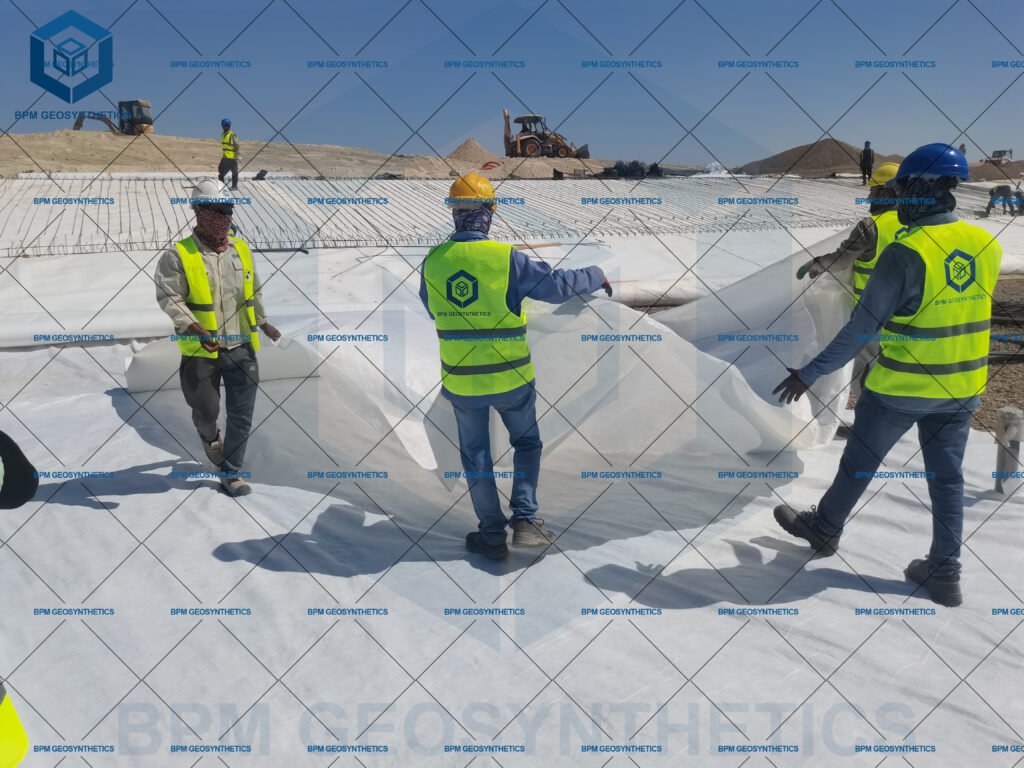
Hiring skilled installation crews is essential to ensure proper welding and site preparation, reducing the risk of seam failures and other issues. Proper installation not only ensures the liner’s effectiveness but also extends its lifespan, providing long-term value for your investment.
3.4 Consider Long-Term Costs
While initial costs are important, consider the total cost of ownership over the liner’s lifespan. Thicker, high-quality liners may cost more upfront but offer significant savings in maintenance and replacement costs over time. For example, a 1.5 mm HDPE geomembrane sheet may cost more initially but can save 20-30% in maintenance and replacement costs over 50 years.
3.5 Compare Suppliers
Request quotes from multiple suppliers to compare material quality, certifications, and support services. Reputable manufacturers like BPM Geosynthetics and GEOSINCERE offer competitive pricing and customized solutions to meet your project’s specific needs. Negotiating with suppliers can also help secure discounts, especially for large projects.
3.6 Industry Trends and Future Outlook
The geomembrane industry is evolving, with several trends impacting costs and performance. Rising raw material costs, driven by fluctuations in the global oil market, can increase HDPE resin prices by 10-20%. However, advancements such as wider roll widths and smart geomembranes with leak detection sensors offer cost-saving and performance-enhancing benefits. Additionally, the increasing availability of recyclable geomembranes presents a sustainable option, although higher production costs may limit widespread adoption.
Conclusion
The cost of HDPE geomembrane sheet ranges depending on factors such as material thickness, quality, project size, and installation complexity. By carefully considering these factors and prioritizing quality, you can select the most cost-effective and durable liner for your project. Investing in a high-quality HDPE geomembrane sheet not only ensures environmental safety and project durability but also provides long-term value through reduced maintenance and replacement costs. For accurate budgeting and expert guidance, consult with reputable suppliers like BPM Geosynthetics to meet your project’s specific needs.